
The California Fair Plan is a vital, yet often misunderstood, component of the state’s insurance landscape. Designed to provide essential property insurance coverage for homeowners and businesses in areas deemed high-risk by the private insurance market, it serves as a crucial safety net. Understanding its purpose, operation, and limitations is paramount for residents and visitors alike, particularly those considering property ownership or significant investments in regions susceptible to perils like wildfires.
Origins and Purpose of the California Fair Plan
The genesis of the California Fair Plan can be traced back to a period when the private insurance market began to withdraw coverage from certain geographical areas. This withdrawal was predominantly driven by escalating risks, particularly from wildfires, which have become more frequent and severe in recent decades. As more insurance companies non-renewed or declined policies in these high-risk zones, a significant gap emerged, leaving many property owners unable to secure the fundamental protection they needed.
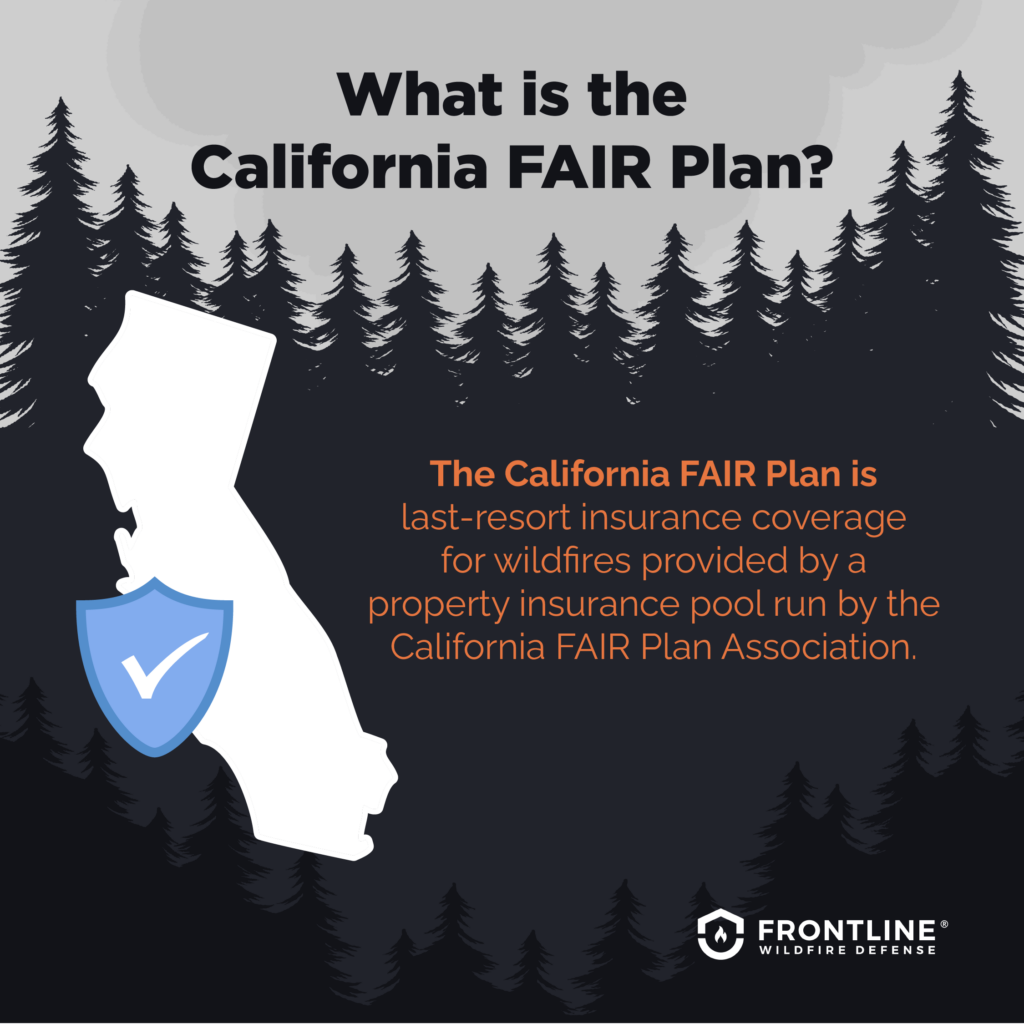
Recognizing this critical market failure, the California Legislature established the California Fair Plan in 1968. Its primary objective is to ensure that all property owners in California have access to basic property insurance, regardless of their location or the perceived risk associated with their property. It operates as an “insurer of last resort,” stepping in when the voluntary market fails to provide coverage.
The plan is not a state-run agency in the traditional sense. Instead, it is a consortium of all licensed property insurance companies operating in California. Every insurer that writes property insurance in the state is required to participate and contribute to the plan, sharing in both the risks and the responsibilities. This collective approach ensures a broader base for underwriting and claims, making it more sustainable than if a single entity were to bear the entire burden.
Addressing High-Risk Exposures
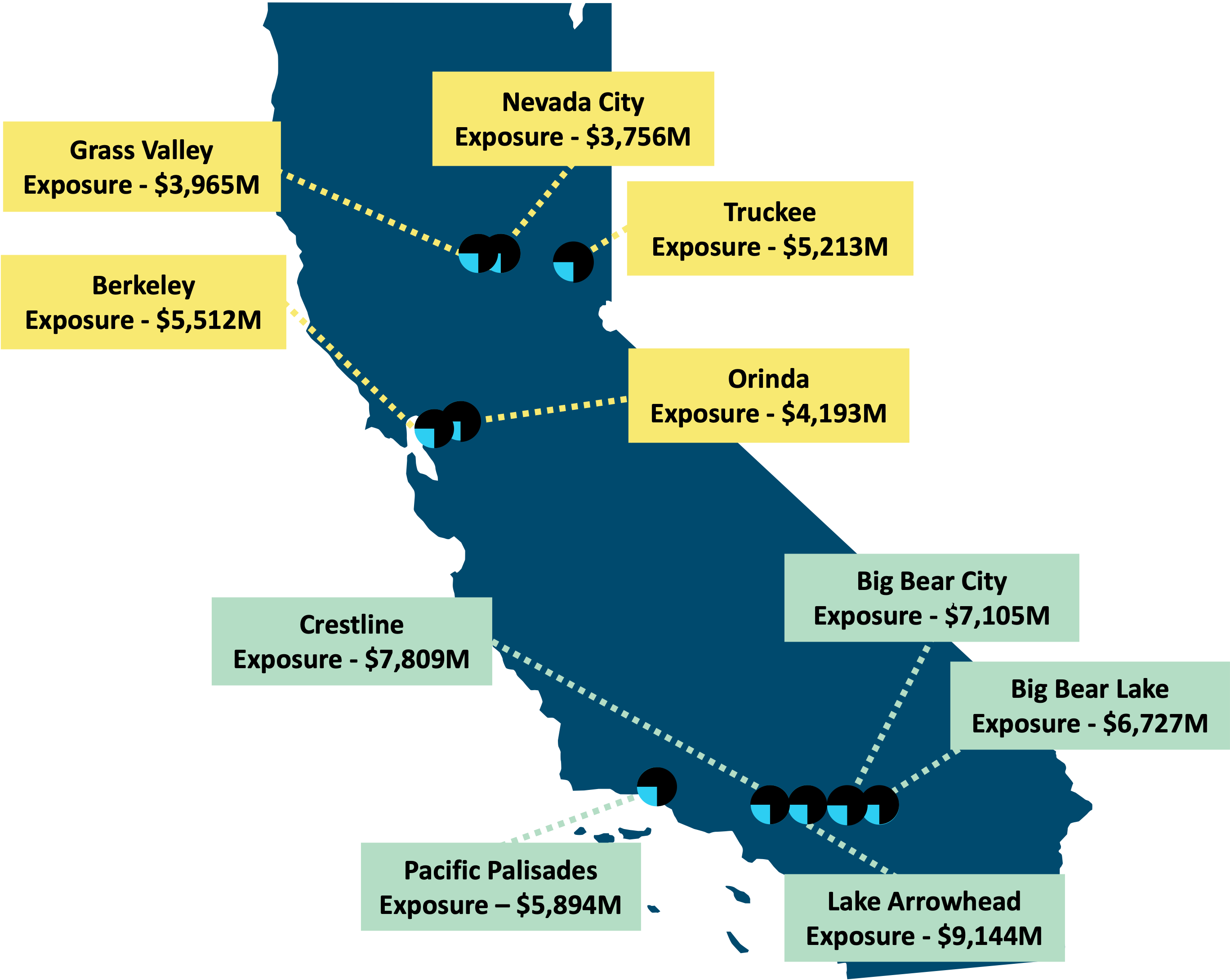
The concept of “high-risk” in the context of property insurance often relates to factors such as proximity to wildland-urban interfaces (WUI), historical data on claims in a particular area, and the overall susceptibility of the property to specific natural disasters. In California, wildfires are a significant driver of this classification. As climate change exacerbates drought conditions and increases the intensity of fire seasons, the number of properties deemed too risky for standard insurance policies has grown.
The California Fair Plan was specifically designed to address these evolving high-risk exposures. It allows property owners in these areas to obtain coverage for essential perils, such as fire, windstorm, and vandalism. This coverage is crucial for maintaining property values, securing mortgages, and protecting against devastating financial losses. Without the Fair Plan, many communities, particularly those nestled in the scenic but fire-prone hillsides of Southern California and parts of Northern California, would be left vulnerable.
How the California Fair Plan Operates
The operational framework of the California Fair Plan is designed to be accessible while maintaining underwriting principles. It is not a competitive market in the same way as the voluntary insurance market; rather, it provides a standardized policy to eligible applicants.
Eligibility and Application Process
To be eligible for a policy through the California Fair Plan, a property owner must first demonstrate that they have made a diligent effort to obtain coverage in the voluntary market and have been unable to do so. This typically involves obtaining rejections from a specified number of admitted insurance carriers. Once this prerequisite is met, an application can be submitted.
The application process involves providing detailed information about the property, including its location, construction type, age, and any protective measures in place (such as fire-resistant roofing or defensible space around the property). The Fair Plan then underwrites the risk based on these factors. Unlike standard insurance policies that might offer a wide range of coverage options and endorsements, the Fair Plan offers a more basic package, focusing on essential protection.
Policy Coverage and Limitations
The standard policy offered by the California Fair Plan is typically a “fire and extended coverage” policy. This includes protection against:
- Fire and Smoke: Damage caused by fire, lightning, and smoke.
- Windstorm and Hail: Damage resulting from strong winds and hail.
- Vandalism and Malicious Mischief: Intentional damage to the property.
- Limited Sprinkler Leakage: Damage from accidental discharge of sprinkler systems.
It is crucial to understand that the California Fair Plan is designed to provide basic coverage. It does not typically include the comprehensive features often found in voluntary market policies, such as:
- Replacement Cost Coverage for Contents: Policies often provide Actual Cash Value (ACV) for personal property, meaning depreciation is factored in.
- Loss of Use/Additional Living Expenses: This coverage, which helps pay for temporary housing if the property becomes uninhabitable, is often limited or not included.
- Liability Protection: General liability coverage is usually not part of the standard Fair Plan policy.
- Flood Insurance: This is a separate type of coverage, typically obtained through the National Flood Insurance Program.
- Earthquake Coverage: Similar to flood insurance, earthquake coverage is usually a separate policy.
Property owners seeking more robust coverage, including liability, replacement cost on structures and contents, and additional living expenses, often need to seek supplemental policies from other providers or through specialized “excess lines” insurers that operate outside the standard admitted market.

Navigating the California Fair Plan Landscape
For property owners in California, especially those in high-risk zones, understanding the role and nuances of the California Fair Plan is a proactive step towards ensuring adequate protection. It’s a resource born out of necessity, and while it fills a critical gap, it’s important to view it as one piece of a larger insurance puzzle.
When to Consider the California Fair Plan
The California Fair Plan becomes a primary consideration when:
- Voluntary Market Rejection: You have been denied property insurance coverage by multiple admitted insurance carriers in California.
- High-Risk Location: Your property is located in an area designated as high-risk for natural disasters, such as wildfire-prone regions.
- Mortgage Requirements: Your lender requires proof of property insurance to secure or maintain your mortgage.
It is advisable to document all attempts to secure insurance in the voluntary market, as this documentation will be necessary for your application to the Fair Plan.
Beyond the Fair Plan: Supplemental Coverage
Given the limitations of the California Fair Plan’s standard policy, many property owners find it necessary to seek additional coverage to achieve a comparable level of protection to what they might have received from a voluntary market insurer. This can be achieved through various means:
- Excess Lines Market: This market offers specialized insurance policies for risks that are difficult to place in the admitted market. Insurers in this market are not subject to the same regulations as admitted carriers, allowing them more flexibility in policy terms and pricing. It’s essential to work with a licensed insurance broker experienced in placing excess lines coverage.
- Standalone Policies: Some insurers offer standalone policies for specific coverages that are not included in the Fair Plan, such as liability or loss of use.
- Government Programs: For specific risks like flood or earthquake, separate government-backed programs exist. For instance, flood insurance in California is primarily provided through the National Flood Insurance Program (NFIP).
Engaging with an independent insurance agent or broker who specializes in California property insurance, particularly in high-risk areas, is highly recommended. They can help you navigate the complexities of the Fair Plan, understand your coverage gaps, and identify appropriate supplemental insurance solutions.
The Future and Evolution of Property Insurance in California
The California Fair Plan is not a static entity. It evolves in response to changing market conditions, legislative mandates, and the ongoing challenges posed by climate change and natural disasters. As California continues to grapple with its unique risk profile, discussions surrounding the role and structure of the Fair Plan, as well as broader reforms to the property insurance market, are ongoing.
Legislative and Regulatory Efforts
Legislators and regulatory bodies in California are continuously exploring strategies to make property insurance more accessible and affordable. These efforts often involve:
- Incentivizing Mitigation: Encouraging homeowners and communities to implement fire-prevention and mitigation measures through premium discounts or policy requirements.
- Market Stabilization: Implementing measures to encourage private insurers to remain in or re-enter high-risk markets.
- Improving Consumer Education: Enhancing public awareness about insurance options, coverage limitations, and risk mitigation strategies.
The California Department of Insurance plays a significant role in overseeing the insurance market and guiding these initiatives.
Community Resilience and Risk Reduction
Beyond the insurance framework, the long-term solution to the property insurance challenge in California involves a multifaceted approach to building community resilience. This includes:
- Land Use Planning: Implementing stricter zoning and building codes in high-risk areas.
- Infrastructure Improvements: Enhancing emergency response capabilities and utility infrastructure resilience.
- Wildfire Defensible Space: Educating and empowering residents to create and maintain defensible space around their homes.
While the California Fair Plan provides essential immediate protection, these broader efforts are critical for fostering a more sustainable and secure future for property owners across the state. It represents a commitment to ensuring that the dream of homeownership and business operation in California remains attainable, even in the face of significant environmental challenges.
LifeOutOfTheBox is a participant in the Amazon Services LLC Associates Program, an affiliate advertising program designed to provide a means for sites to earn advertising fees by advertising and linking to Amazon.com. Amazon, the Amazon logo, AmazonSupply, and the AmazonSupply logo are trademarks of Amazon.com, Inc. or its affiliates. As an Amazon Associate we earn affiliate commissions from qualifying purchases.