
The vast, untamed wilderness of Alaska conjures images of towering mountains, glistening glaciers, and expansive boreal forests. When considering the iconic trees that define such majestic landscapes, one might wonder about the presence of specific species. Among the most recognized conifers in North America is the Blue Spruce, known for its striking silvery-blue needles and stately form. However, a closer examination of Alaska’s native flora reveals a distinct arboreal tapestry, largely devoid of this particular conifer in its natural state. This exploration delves into the natural range of the Blue Spruce, the indigenous tree species that characterize Alaska’s natural landmarks, and the ecological reasons behind their distribution.

The Majestic Blue Spruce: A Native’s Realm
The Blue Spruce (Picea pungens), often celebrated for its aesthetic appeal and resilience, holds a prominent place in the horticultural world and across its native habitats. Understanding its natural distribution is crucial to determining its presence (or absence) in Alaska’s wild landscapes.
Geographic Roots of Picea pungens
The Blue Spruce is indigenous primarily to the central and southern Rocky Mountains of North America. Its native range stretches from Wyoming and Montana south through Colorado and Utah to Arizona and New Mexico. Within this range, it typically thrives at elevations between 6,000 and 11,000 feet (1,800 to 3,300 meters), preferring moist soils along stream banks and in valleys, often in association with other conifers like Douglas-fir and Engelman Spruce. The climatic conditions in these areas—characterized by distinct seasons, moderate precipitation, and specific temperature regimes—are perfectly suited to the Blue Spruce’s ecological requirements. These specific environmental needs, honed over millennia of natural selection, dictate where the species can naturally establish itself as a prominent natural landmark within its ecosystem.
Identifying Characteristics
Known for its conical shape and sharp, stiff needles, the Blue Spruce stands out with its distinctive blue-green to silvery-blue foliage. This coloration, a result of epicuticular wax on the needles, is particularly pronounced on younger growth. Mature trees can reach heights of 75 to 100 feet (23 to 30 meters), with some specimens exceeding 150 feet. Its bark is thin and scaly on young trees, becoming furrowed and grayish-brown with age. These trees are highly adaptable to urban conditions once established, tolerant of drought and a variety of soil types, which has contributed to their widespread use as ornamental trees outside their native range. However, their natural presence as a component of wild forest ecosystems is strictly limited to the aforementioned Rocky Mountain region, making them an iconic natural landmark of that specific geography.
Alaska’s Boreal Forests: A Different Green Canvas
In stark contrast to the mountainous regions of the lower 48 states, Alaska presents a unique and formidable environment. Its vast interior, characterized by long, cold winters and short, intense summers, fosters a different suite of plant life, creating its own distinct natural landmarks.
Dominant Conifers of the Great North
Alaska’s native forests are dominated by species well-adapted to its challenging climate. The most prominent conifers include the Sitka Spruce (Picea sitchensis), White Spruce (Picea glauca), Black Spruce (Picea mariana), and Mountain Hemlock (Tsuga mertensiana).
The Sitka Spruce, the state tree of Alaska, thrives in the moist, temperate rainforests of the coastal regions, particularly in southeastern Alaska and along the Gulf of Alaska coast. It is the largest spruce species, capable of reaching immense sizes and forming some of the most impressive natural arboreal landmarks in North America.
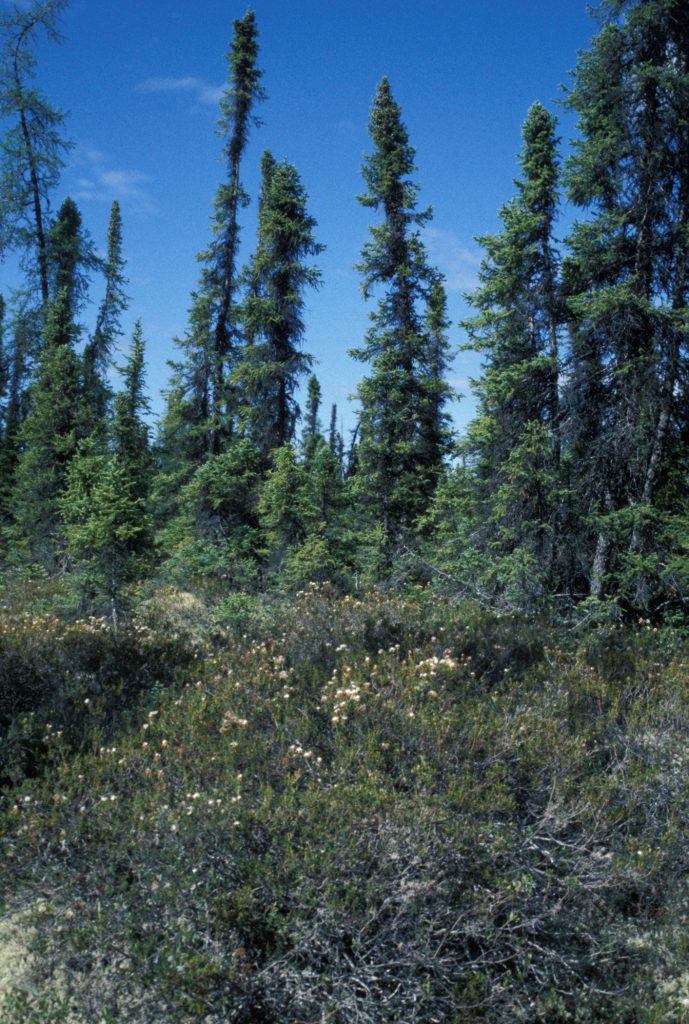
In the interior, the White Spruce is ubiquitous, forming vast boreal forests that stretch across the state. This hardy tree is well-adapted to the extreme cold and permafrost conditions, often growing alongside Balsam Poplar and Aspen. Black Spruce, smaller and often found in boggy, poorly drained areas, represents another resilient conifer characteristic of Alaska’s interior and northern regions. These species, with their distinct ecological niches, are the true arboreal landmarks of the Alaskan wilderness.
Climatic and Soil Differences

The primary reason the Blue Spruce is not native to Alaska lies in the significant differences in climate and soil conditions. Alaska’s interior experiences an extreme continental climate with severe, prolonged winters where temperatures can plummet far below freezing for extended periods, and summers are short and often warm. The average annual precipitation is generally lower than what Blue Spruce typically prefers, especially in its native habitat’s riparian zones. Furthermore, much of Alaska’s soil is characterized by permafrost, poor drainage, and low nutrient availability in many areas, creating conditions unsuitable for Picea pungens. While the Blue Spruce is cold-hardy, its specific requirements for growing season length, soil moisture, and overall temperature range are not naturally met across the vast majority of Alaska’s diverse ecological zones. These environmental factors effectively define the boundaries of where certain natural landmarks, in this case, tree species, can naturally thrive.
Exploring the Potential for Blue Spruce in Alaskan Landscapes
While not a native resident of Alaska’s wild forests, the appeal of the Blue Spruce as an ornamental tree is undeniable. This raises the question of its presence in cultivated settings and the implications of introducing non-native species.
Introduced Species and Horticultural Practices
It is possible to find Blue Spruce planted in urban and suburban landscapes within Alaska, particularly in cities like Anchorage, Fairbanks, and Juneau. Nurseries and homeowners sometimes introduce non-native species for their aesthetic value, cold hardiness, or perceived resilience. With proper care, including soil amendment, protection from harsh winds, and adequate watering, Blue Spruce can survive and even flourish in sheltered, managed environments in some parts of Alaska. These cultivated trees, however, do not constitute natural landmarks; rather, they are features of designed urban or residential spaces. Their presence is a testament to human intervention and preference, not the natural ecological processes that shape wild forests.
Ecological Considerations for Non-Native Plantings
The introduction of non-native species, even for ornamental purposes, always carries ecological considerations. While a Blue Spruce planted in a city park is unlikely to disrupt Alaska’s vast wilderness, the potential for non-native species to escape cultivation and establish self-sustaining populations in natural areas is a concern for conservationists. In the context of natural landmarks, the preservation of indigenous flora is paramount. Alaska’s native trees and plants have evolved in delicate balance with local soils, climate, and wildlife. Maintaining the integrity of these natural ecosystems, which are themselves profound natural landmarks, relies on understanding and respecting the native range of species. The majestic forests and their inhabitants represent thousands of years of ecological evolution, forming unique natural landmarks that draw visitors from around the globe.
Discovering Alaska’s Unique Arboreal Landmarks
Instead of seeking the Blue Spruce, visitors to Alaska are encouraged to immerse themselves in the truly remarkable and authentic arboreal natural landmarks that define this extraordinary state.
Iconic Tree Species to Seek Out
Exploring Alaska’s natural arboreal landmarks offers a profound connection to its wilderness. In the coastal rainforests of the Inside Passage, marvel at the colossal Sitka Spruce and Western Hemlock that create a verdant, moss-draped canopy. These ancient trees form ecosystems teeming with life, standing as living monuments to millennia of growth and resilience. Visitors to Tongass National Forest or Chugach National Forest can experience these magnificent stands firsthand.
Further inland, in the immense interior, the White Spruce reigns supreme. These forests, often interspersed with Balsam Poplar, Aspen, and Paper Birch, offer a distinct beauty, especially in autumn when the deciduous trees burst into vibrant gold. Areas around Denali National Park and Preserve are excellent places to observe these hardy interior forests, which frame the dramatic backdrop of Mount Denali itself. Black Spruce can be found in the boggy lowlands, their shorter stature and dark needles a testament to their adaptability in challenging conditions. These indigenous trees, rather than any introduced species, truly embody the spirit and resilience of Alaska’s natural landmarks.
Forest Exploration as a Natural Landmark Experience
Engaging with Alaska’s forests is an essential part of experiencing its natural landmarks. Hiking trails through old-growth Sitka Spruce forests offer a sensory journey into a world of towering trees, lush undergrowth, and the sounds of the wilderness. Interpretive walks in national parks and state recreation areas provide insights into the ecology of these forests, highlighting the adaptations of native species to Alaska’s unique environment. Recognizing the intrinsic value of these native trees as distinct natural landmarks enriches any visit, offering a deeper appreciation for the wild grandeur that defines the 49th state. From the coastal giants to the interior’s hardy conifers, Alaska’s trees are fundamental to its identity as a global natural landmark destination, each species playing a vital role in shaping its breathtaking landscapes.
LifeOutOfTheBox is a participant in the Amazon Services LLC Associates Program, an affiliate advertising program designed to provide a means for sites to earn advertising fees by advertising and linking to Amazon.com. Amazon, the Amazon logo, AmazonSupply, and the AmazonSupply logo are trademarks of Amazon.com, Inc. or its affiliates. As an Amazon Associate we earn affiliate commissions from qualifying purchases.