
The issue of homelessness in California is not merely a social crisis but also a significant economic challenge, with the state dedicating substantial financial resources to address the urgent need for safe and stable accommodation. Understanding the scale of this investment requires examining the multifaceted approaches California employs to provide shelter, housing, and supportive services, all intrinsically linked to the broader concept of accommodation. The financial commitment reflects not only the severity of the crisis but also the diverse strategies employed to move individuals and families from the streets into more secure living arrangements.

The Scope of California’s Homelessness Crisis and Its Accommodation Needs
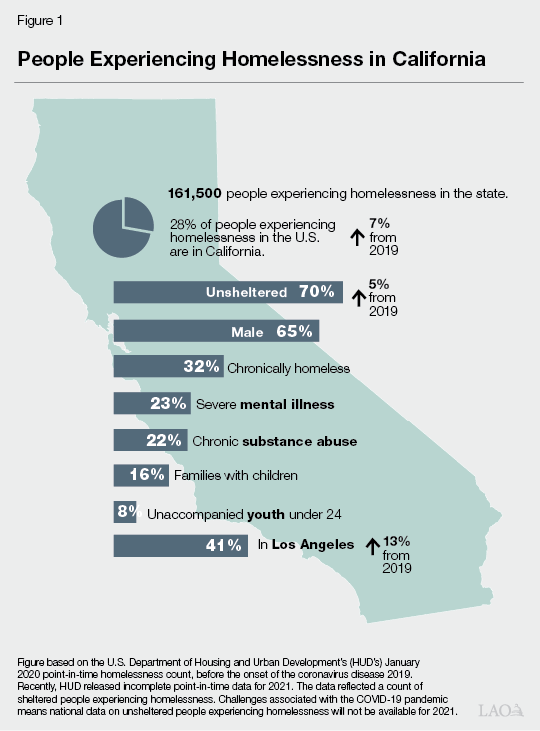
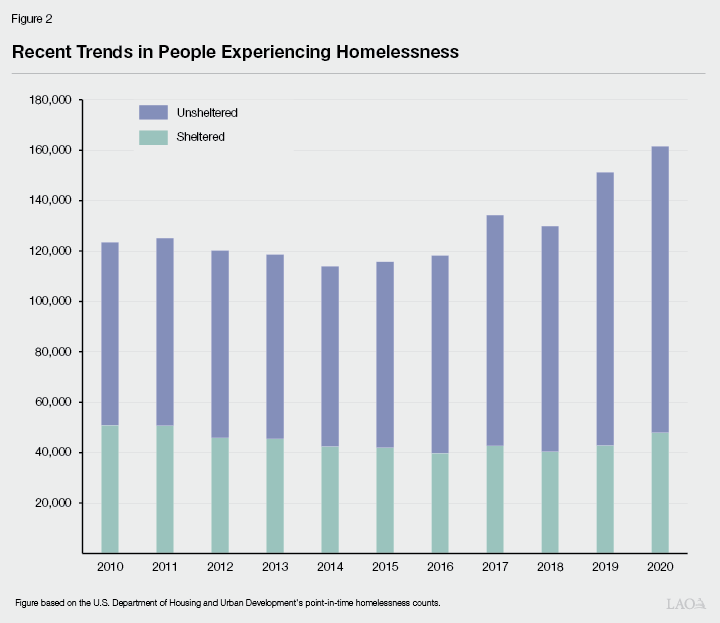
California faces the nation’s largest homeless population, with a significant portion experiencing unsheltered homelessness. This acute lack of stable accommodation presents complex challenges, demanding comprehensive and costly solutions. The sheer number of individuals without a fixed abode underscores the urgent need for various forms of housing interventions, from immediate emergency shelters to long-term permanent supportive housing. The state’s diverse geography, high cost of living, and complex socio-economic factors contribute to the crisis, making the provision of affordable and accessible accommodation a perpetual uphill battle.
Defining the Challenge
Homelessness in California is characterized by a wide spectrum of circumstances, from individuals living on the streets or in vehicles to families residing in temporary shelters or motels. Each situation presents unique accommodation needs, requiring tailored responses. The challenge is not solely about erecting new buildings but also about creating a robust ecosystem of support that ensures individuals can maintain their housing once secured. This involves addressing underlying issues such as mental health, substance use, unemployment, and lack of affordable housing, all of which directly impact an individual’s ability to obtain and retain stable accommodation. The state’s metropolitan areas, particularly Los Angeles, San Francisco, and San Diego, bear a disproportionate burden of the crisis, leading to concentrated efforts and expenditures in these regions.
The Human Element and Accommodation Needs
Behind every statistic is a human story, often marked by the profound insecurity of not having a safe place to call home. For individuals experiencing homelessness, the most fundamental need is stable accommodation. This encompasses everything from a warm bed for a night to a permanent apartment with supportive services. The absence of such accommodation impacts health, safety, dignity, and the ability to pursue employment or education. California’s spending decisions are increasingly guided by a recognition that merely moving people off the streets is insufficient; the goal is to provide accommodation that fosters stability, recovery, and reintegration into society. This understanding drives investment in a continuum of housing options, designed to meet varying levels of need and support.
Unpacking California’s Financial Commitment to Housing Solutions
California has significantly ramped up its spending on homelessness initiatives in recent years, recognizing the urgency and scope of the problem. While exact annual figures can fluctuate and are often distributed across various departments and programs, reports from the California State Auditor and legislative analyses indicate billions of dollars allocated. For instance, an audit examining spending between 2018 and 2023 estimated appropriations exceeding $20 billion across various state agencies for homelessness and housing programs. These funds are channeled through a labyrinth of state-level programs, grants to local governments, and direct service contracts, all aimed at expanding the availability and accessibility of accommodation options.
State-Level Initiatives and Funding Streams
The state’s approach involves several key initiatives and funding streams. The Homeless Housing, Assistance and Prevention (HHAP) program, for example, is a multi-billion-dollar grant program providing flexible funding to cities, counties, and Continuums of Care (CoCs) for a wide range of homelessness services, crucially including emergency shelters, interim housing, rapid re-housing, and permanent supportive housing. Other significant programs include Project Homekey, which repurposes hotels, motels, and other buildings into permanent or interim housing, rapidly expanding the state’s accommodation capacity. The No Place Like Home program, funded by mental health services dollars, specifically focuses on developing permanent supportive housing for individuals with serious mental illness who are experiencing homelessness. These state-driven programs are designed to supplement local efforts and incentivize the creation of more accommodation solutions across the state.
Local Government Efforts and Divergent Strategies
While the state provides overarching funding and direction, much of the implementation and direct service provision occurs at the local level. Counties and cities, such as Los Angeles County and the City and County of San Francisco, manage their own significant budgets dedicated to homelessness, often leveraging state funds alongside local taxes and federal grants. For instance, Los Angeles County’s Measure H sales tax dedicates hundreds of millions annually to fund services and housing. Local strategies often vary, reflecting unique population needs, housing market conditions, and available infrastructure. Some focus heavily on expanding shelter capacity, others prioritize “Housing First” models, and many invest in a mix of solutions. This decentralized approach allows for targeted interventions but can also lead to inconsistencies in the availability and quality of accommodation services across different jurisdictions within California.
The Spectrum of Accommodation Interventions
California’s significant investment in homelessness directly funds a spectrum of accommodation interventions, each designed to meet different stages of need and pathways out of homelessness. This comprehensive approach acknowledges that a single solution cannot address the diverse circumstances of individuals experiencing homelessness. The ultimate goal is to move individuals from immediate crisis into stable, long-term housing.
Emergency Shelters and Interim Housing
Emergency shelters provide immediate, temporary accommodation for individuals and families experiencing homelessness. These facilities offer a safe place to sleep, often with basic amenities like food and hygiene services. While critical for immediate safety, they are generally not considered a long-term solution. Interim housing, often funded by programs like HHAP, serves as a bridge between emergency shelters and more permanent solutions. This can include motel vouchers, navigation centers, or temporary communal living spaces. These forms of accommodation provide a more stable environment than emergency shelters, allowing individuals to access case management, healthcare, and employment services while working towards permanent housing. The expansion of these resources is a significant component of California’s spending, ensuring that at least immediate accommodation is available.
Transitional Housing and Rapid Re-Housing
Transitional housing offers structured, time-limited accommodation (typically 6-24 months) coupled with intensive supportive services aimed at helping individuals achieve self-sufficiency. These programs are particularly beneficial for those needing more time and support to address complex issues before moving to independent living. Rapid re-housing, on the other hand, is designed to quickly move homeless individuals and families into permanent housing with short-term financial assistance and supportive services. This often involves rental assistance, help with security deposits, and case management to prevent a return to homelessness. Both transitional housing and rapid re-housing are crucial components of the accommodation continuum, receiving substantial state and local funding due to their effectiveness in securing more stable living situations.
Permanent Supportive Housing: A Long-Term Solution
Permanent supportive housing (PSH) is widely recognized as the most effective long-term solution for individuals experiencing chronic homelessness, particularly those with disabilities or complex health needs. PSH provides affordable, independent housing with voluntary, flexible supportive services designed to help residents maintain housing stability and improve their health and well-being. Programs like Project Homekey and No Place Like Home are pivotal in expanding PSH units across California, by acquiring and rehabilitating existing properties or constructing new ones. The significant investment in PSH reflects a strategic shift towards evidence-based models that prioritize stable accommodation as the foundation for recovery and successful community integration, acknowledging that the upfront costs often yield long-term savings in healthcare, emergency services, and incarceration.
Evaluating the Impact and Future of Homelessness Spending
Assessing the true impact of California’s billions of dollars in homelessness spending is a complex, ongoing process. While the scale of the crisis remains daunting, there are measurable successes and persistent challenges that inform future strategies for accommodation provision.
Measuring Outcomes: Successes and Challenges
Measuring outcomes involves tracking metrics such as the number of individuals housed, the length of time people remain housed, reductions in unsheltered homelessness, and improvements in health and employment outcomes. Programs like Project Homekey have demonstrated remarkable speed and efficiency in creating thousands of new accommodation units, providing immediate relief. However, the sheer influx of new individuals experiencing homelessness, driven by factors like the affordability crisis and economic instability, often outpaces the creation of new housing and services. Challenges include the high cost of construction in California, bureaucratic hurdles in project development, and the ongoing need for coordination among hundreds of agencies and service providers. Despite increased spending, the visible signs of homelessness in many California cities underscore the immense scale of the problem.
The Economic and Social Returns on Investment
Investing in permanent supportive housing and other accommodation solutions yields significant economic and social returns. Studies have shown that providing stable housing can reduce costs associated with emergency room visits, hospitalizations, incarceration, and other public services. When individuals have stable accommodation, they are more likely to access healthcare, find employment, and contribute to their communities. Beyond the economic benefits, the social returns are invaluable, fostering dignity, safety, and opportunities for individuals to rebuild their lives. The aim of California’s spending is not just to house people but to empower them through stable accommodation to become self-sufficient members of society, reducing the overall societal burden of chronic homelessness.
Future Directions and Sustainable Accommodation Strategies
Moving forward, California’s strategy will likely continue to evolve, with an emphasis on accelerating housing production, improving coordination, and addressing systemic issues that contribute to homelessness. This includes exploring innovative construction techniques to lower housing costs, streamlining regulatory processes, and investing in preventative measures to keep people from losing their accommodation in the first place. Continued funding for PSH, rapid re-housing, and robust supportive services will remain critical. The long-term vision is to create a sustainable system where stable accommodation is accessible to all California residents, ensuring that the substantial financial commitment translates into lasting solutions for one of the state’s most pressing challenges.
LifeOutOfTheBox is a participant in the Amazon Services LLC Associates Program, an affiliate advertising program designed to provide a means for sites to earn advertising fees by advertising and linking to Amazon.com. Amazon, the Amazon logo, AmazonSupply, and the AmazonSupply logo are trademarks of Amazon.com, Inc. or its affiliates. As an Amazon Associate we earn affiliate commissions from qualifying purchases.