
The allure of a perfectly broiled New York steak is undeniable. Its rich marbling, robust flavor, and satisfying chew make it a prized cut for home cooks and a staple on many fine dining menus across the globe. While the broiling method offers a swift and effective way to achieve a desirable crust and juicy interior, precision is key. Understanding the nuances of broiling, from preheating your broiler to the critical timing for your specific steak, is paramount to culinary success. This guide will delve into the factors that influence broiling time for a New York steak, empowering you to recreate steakhouse quality in your own kitchen, whether you’re preparing a quick weeknight meal or a special occasion dinner.
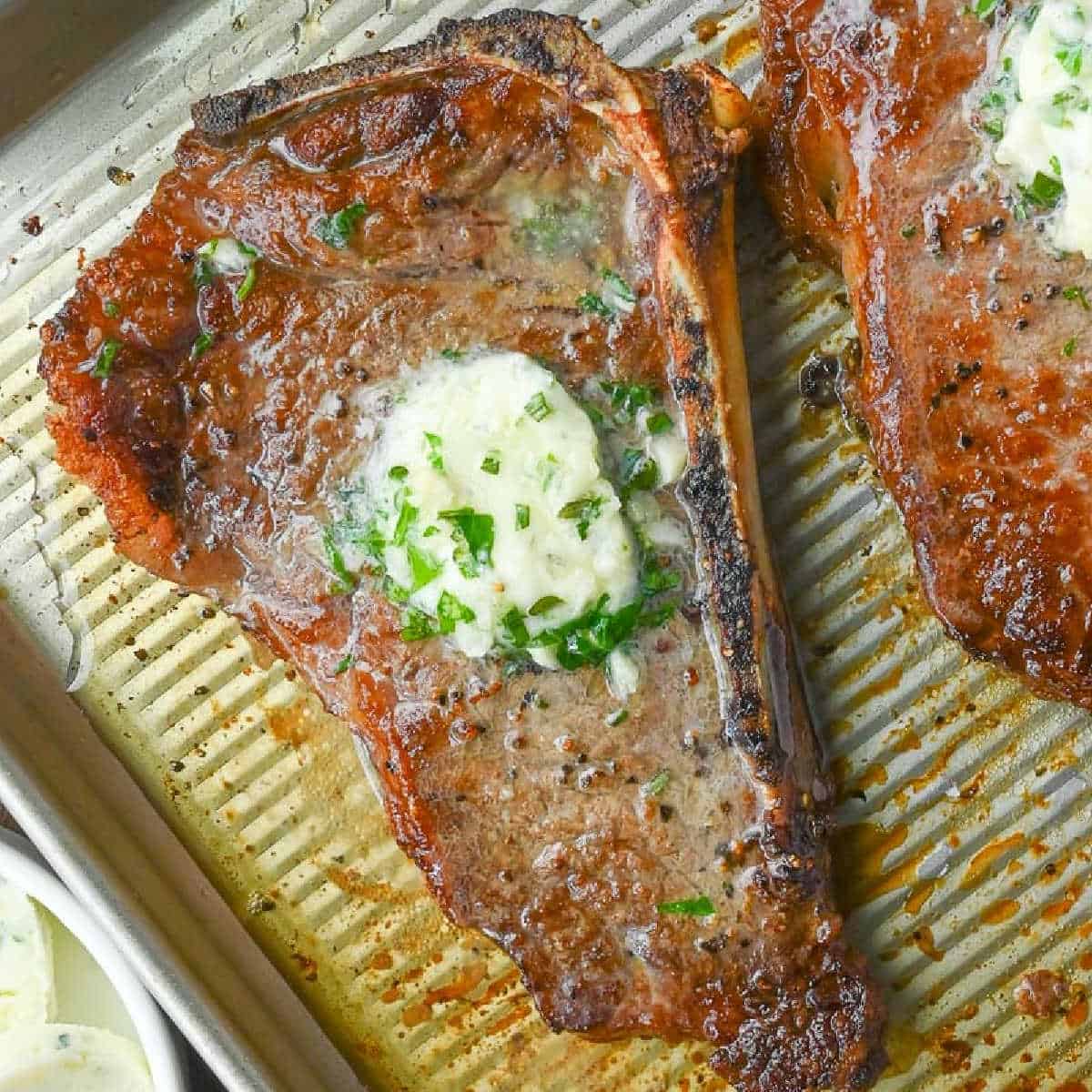
Understanding the Broiler and Steak Thickness
The broiler is essentially an upside-down grill, radiating intense heat from above. This direct, high-heat environment is ideal for searing the exterior of meats, creating that coveted Maillard reaction which imparts deep flavor and a beautiful char. However, the same intense heat that sears can also quickly overcook the interior if not managed carefully.
The Crucial Role of Steak Thickness
The single most significant factor dictating broiling time is the thickness of your New York steak. Thicker cuts require longer cooking times to reach the desired internal temperature, while thinner steaks cook rapidly.
- 1-inch Thick Steaks: These are the quickest to cook under the broiler. Due to their reduced surface area relative to their thickness, they are prone to overcooking if not monitored closely. Typically, these will require approximately 3-5 minutes per side for medium-rare.
- 1.5-inch Thick Steaks: This is often considered the ideal thickness for broiling a New York steak, offering a good balance between achieving a sear and cooking the interior to perfection. Expect around 5-7 minutes per side for medium-rare.
- 2-inch Thick Steaks (or thicker): These substantial cuts demand more patience. To ensure the inside cooks through without burning the exterior, you may need to employ a two-zone broiling technique or even finish them in the oven after an initial sear. For medium-rare, aim for 7-9 minutes per side, potentially flipping more frequently or adjusting rack position.
Broiler Type and Distance
The intensity of your broiler can vary significantly between ovens. Older ovens may have less powerful broilers, while newer models often feature more robust heating elements. Additionally, the distance between the steak and the broiler element plays a critical role.
- Closer to the Broiler: Positions the steak closer to the intense heat source, leading to faster searing and cooking. This is ideal for thinner steaks but requires constant vigilance.
- Further from the Broiler: Slower cooking and searing, providing a bit more leeway for thicker cuts.
As a general guideline, most recipes suggest placing the oven rack about 3-4 inches from the broiler element. However, it’s advisable to experiment with your specific oven to find the optimal distance for consistent results.
Achieving the Perfect Internal Temperature: A Guide to Doneness
The true measure of a perfectly broiled steak lies in its internal temperature. While time is a useful indicator, it’s always best to use an instant-read meat thermometer for accuracy. Remember that the steak’s temperature will continue to rise a few degrees after you remove it from the heat, a process known as carryover cooking.
Temperature Guidelines for New York Steak
These temperatures are for when the steak is removed from the broiler.
- Rare: 120-125°F (49-52°C). This results in a very red, cool center.
- Medium-Rare: 130-135°F (54-57°C). This is often considered the ideal doneness for a New York steak, offering a warm, red center and excellent juiciness.
- Medium: 135-145°F (57-63°C). A warm pink center.
- Medium-Well: 145-155°F (63-68°C). Slightly pink center.
- Well-Done: 160°F (71°C) and above. No pink, cooked through.
Tip: For medium-rare, aim to pull the steak from the broiler when it reaches approximately 125-130°F (52-54°C), allowing for carryover cooking to bring it up to the desired 130-135°F.
The Broiling Process: Step-by-Step
Achieving a superior broiled New York steak involves more than just placing it under the heat. A few preparatory and finishing steps can elevate your result significantly.

Preparation is Key
- Bring to Room Temperature: Remove your New York steak from the refrigerator at least 30-60 minutes before broiling. This allows for more even cooking, preventing a cold, raw center when the exterior is perfectly seared.
- Pat Dry: Thoroughly pat the steak dry with paper towels. Moisture on the surface will steam rather than sear, hindering the development of a desirable crust.
- Season Generously: Use coarse salt (like kosher salt) and freshly ground black pepper. Don’t be shy; the steak can handle a good amount of seasoning. For added flavor, consider a light brush of olive oil or your preferred cooking oil.
The Broiling Technique
- Preheat the Broiler: Turn your broiler on to its highest setting for at least 5-10 minutes before you plan to cook. Ensure the oven rack is positioned at the recommended height (usually 3-4 inches from the element).
- Use a Broiler Pan or Cast Iron Skillet: A broiler pan, with its slotted top, allows fat and juices to drain away, preventing flare-ups and ensuring a crispier crust. Alternatively, a preheated cast iron skillet placed under the broiler can provide exceptional searing.
- Sear and Flip: Place the seasoned steak on the prepared pan or in the skillet. Broil for the recommended time per side, depending on thickness and desired doneness.
- For 1-inch thick steaks: approximately 3-5 minutes per side for medium-rare.
- For 1.5-inch thick steaks: approximately 5-7 minutes per side for medium-rare.
- For 2-inch thick steaks: approximately 7-9 minutes per side for medium-rare.
- Monitor Closely: Do not walk away from the broiler. The intense heat means a steak can go from perfectly cooked to overcooked in a matter of moments.
Resting: The Underrated Step
Once the steak reaches your desired internal temperature, remove it from the broiler and transfer it to a cutting board. Tent it loosely with aluminum foil and let it rest for 5-10 minutes. This crucial step allows the juices to redistribute throughout the steak, resulting in a more tender and flavorful experience. Cutting into the steak too soon will cause those precious juices to run out onto the cutting board.
Variations and Considerations for the Perfect Broil
While the core principles of broiling a New York steak remain consistent, several variations and considerations can further enhance your culinary outcomes. Understanding these elements can help you adapt the technique to your preferences and available equipment, whether you’re in a bustling city like New York City or a quiet countryside villa.
Marinades and Rubs
While a good quality New York steak often shines with simple salt and pepper, marinades and rubs can introduce additional layers of flavor.
- Marinades: Acidic ingredients like lemon juice, vinegar, or wine can tenderize the meat. However, be mindful that marinating for too long, especially with acidic components, can make the steak mushy. Aim for marinating times between 30 minutes and a few hours.
- Rubs: Dry rubs, composed of herbs, spices, and sometimes sugar, create a flavorful crust. Apply rubs generously and allow them to adhere to the steak for at least 30 minutes before broiling.
When broiling marinated or heavily rubbed steaks, keep an extra close eye on them, as sugars in marinades and rubs can caramelize and burn quickly under the broiler’s intense heat.
Finishing Techniques
For particularly thick New York steaks, or if you desire a more controlled cook, consider finishing the steak in the oven after an initial sear.
- Sear Under the Broiler: Broil for 2-3 minutes per side to achieve a good sear.
- Transfer to Oven: Move the steak to a preheated oven (around 350-400°F or 175-200°C) to finish cooking to your desired internal temperature. This method offers a more even cook throughout the steak.
Altitude and Environmental Factors
If you are cooking at a higher altitude, such as in cities like Denver or Salt Lake City, you may find that liquids boil faster and cooking times are slightly reduced. While the effect on broiling is less pronounced than on boiling or baking, it’s worth noting that the intense heat might cook the steak a touch faster. Conversely, very humid environments can sometimes affect the searing process.
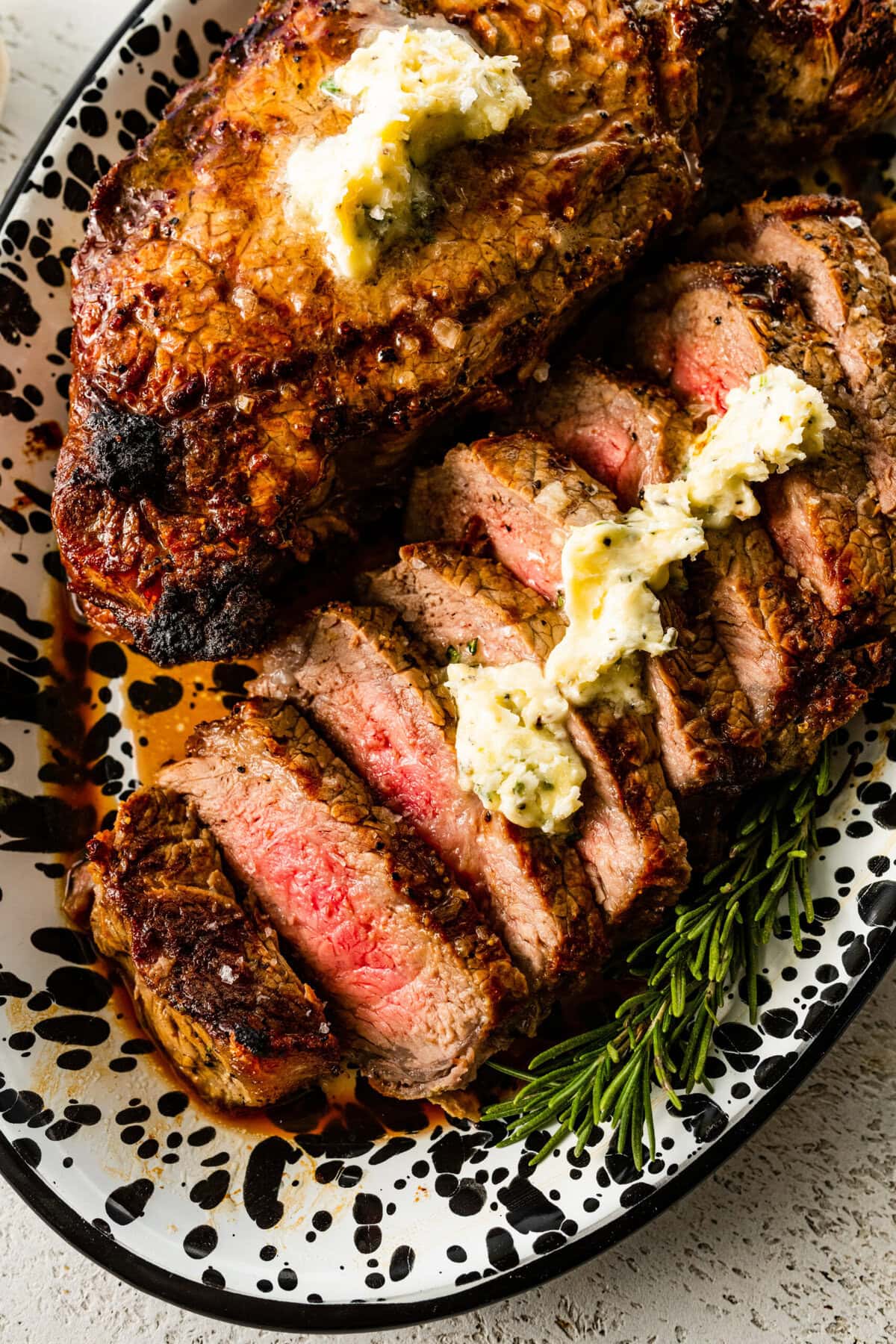
Serving Suggestions
A perfectly broiled New York steak is a versatile dish. It pairs wonderfully with classic steakhouse sides such as baked potatoes, creamy mashed potatoes, grilled asparagus, or a fresh garden salad. A glass of robust red wine, like a Cabernet Sauvignon or a Merlot, complements the rich flavors beautifully. For those seeking a more refined experience, consider pairing it with a side of Béarnaise sauce or a rich mushroom reduction, perhaps enjoyed after a day exploring the historic streets of Paris or a relaxing stay at a luxury resort in Hawaii.
By understanding the interplay of steak thickness, broiler intensity, and internal temperature, you can consistently achieve a New York steak that rivals the best, offering a delicious and satisfying culinary experience.
LifeOutOfTheBox is a participant in the Amazon Services LLC Associates Program, an affiliate advertising program designed to provide a means for sites to earn advertising fees by advertising and linking to Amazon.com. Amazon, the Amazon logo, AmazonSupply, and the AmazonSupply logo are trademarks of Amazon.com, Inc. or its affiliates. As an Amazon Associate we earn affiliate commissions from qualifying purchases.