
When contemplating an Alaskan adventure, the sheer abundance of its natural landscapes, from towering glaciers to dense forests, often sparks a curiosity about the wild edibles that thrive within. Among the myriad of plants, the term “wintergreen” frequently surfaces, prompting questions about its presence and, crucially, its edibility in the Last Frontier. For the discerning tourist eager to connect with Alaska’s unique ecosystem through its flora, understanding what constitutes “wintergreen” in this region and its culinary potential is a fascinating, yet essential, endeavor.
The Wintergreen Identity Crisis in Alaska
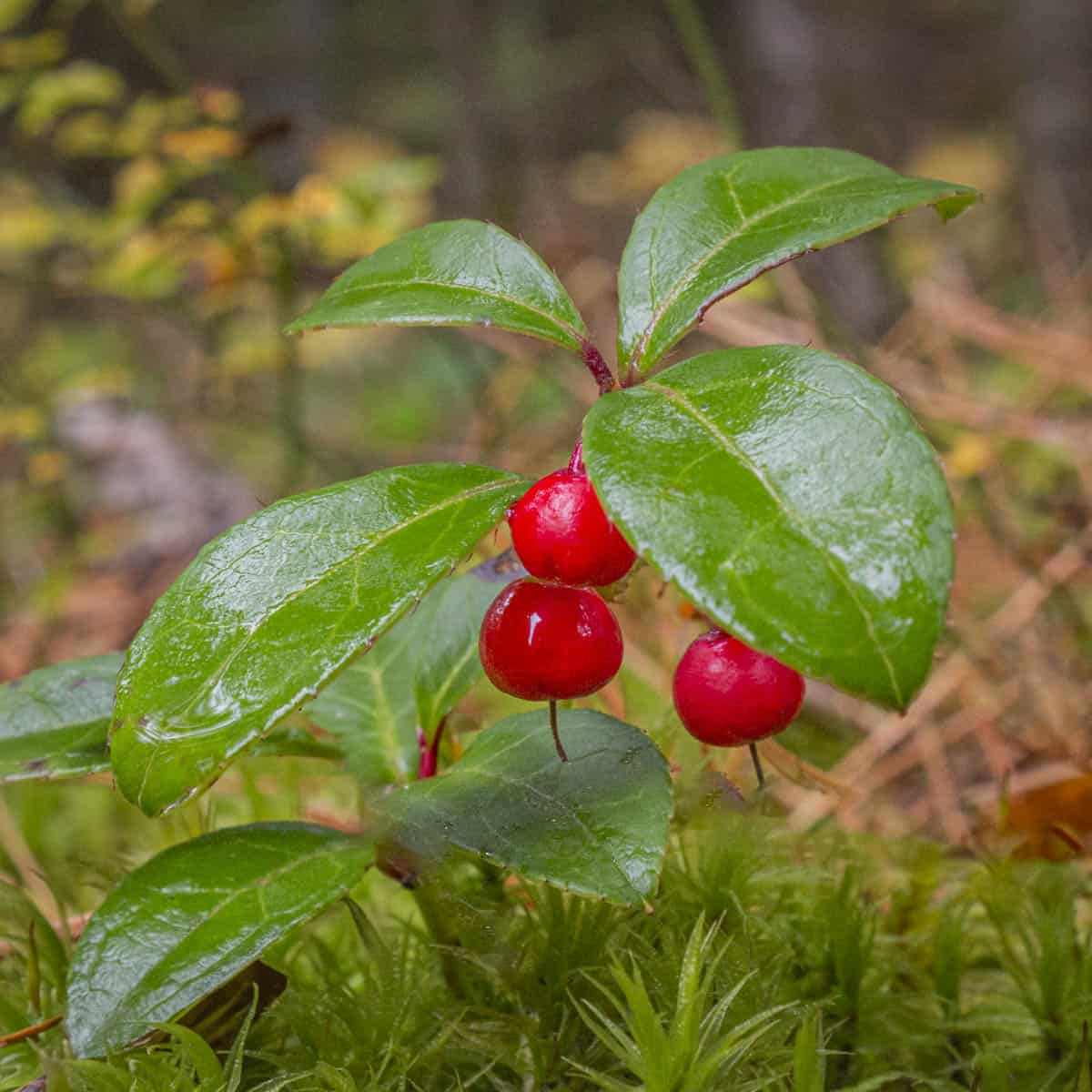
The plant commonly recognized as “wintergreen” in many parts of North America is Gaultheria procumbens, also known as Eastern Teaberry or American Wintergreen. This low-growing evergreen shrub, famous for its distinct minty flavor and bright red berries, is primarily native to the northeastern United States and eastern Canada. Crucially, Gaultheria procumbens is not native to Alaska. This fundamental distinction is vital for anyone exploring Alaskan edibles, as misidentification can lead to undesirable, and potentially dangerous, consequences.

What is “Wintergreen” Generally?
The term “wintergreen” refers to several plant species that retain their green leaves throughout the winter, often producing flavorful berries or leaves with a characteristic scent. Beyond Gaultheria procumbens, other plants with similar aromatic compounds (methyl salicylate) or winter-green foliage might colloquially be referred to as wintergreen in different regions. However, for the purpose of identifying edibles in Alaska, it’s important to set aside the expectation of finding the specific Eastern Teaberry. The distinct minty aroma and flavor associated with true wintergreen are due to methyl salicylate, a compound also found in birch trees, particularly sweet birch, and used in topical pain relievers.
Alaskan Natives: Distinguishing Local Flora
While Gaultheria procumbens is absent, Alaska is home to several other species within the Gaultheria genus, or plants that share characteristics that might lead to confusion. For instance, Salal (Gaultheria shallon), though more common in the temperate rainforests of Southeast Alaska and the Pacific Northwest, produces edible berries. Another example is Creeping Wintergreen or Alpine Wintergreen (Gaultheria humifusa), which can be found in alpine areas but is less common and its edibility is less celebrated than its eastern cousin.
The true challenge for the Alaskan tourist lies in accurately identifying the diverse native flora. Many plants produce red berries, and not all are edible; some are quite toxic. Therefore, rather than searching for “wintergreen,” the focus should shift to learning about the specific edible plants that genuinely thrive in Alaska.
Common Alaskan Berries and Edible Plants Often Misidentified
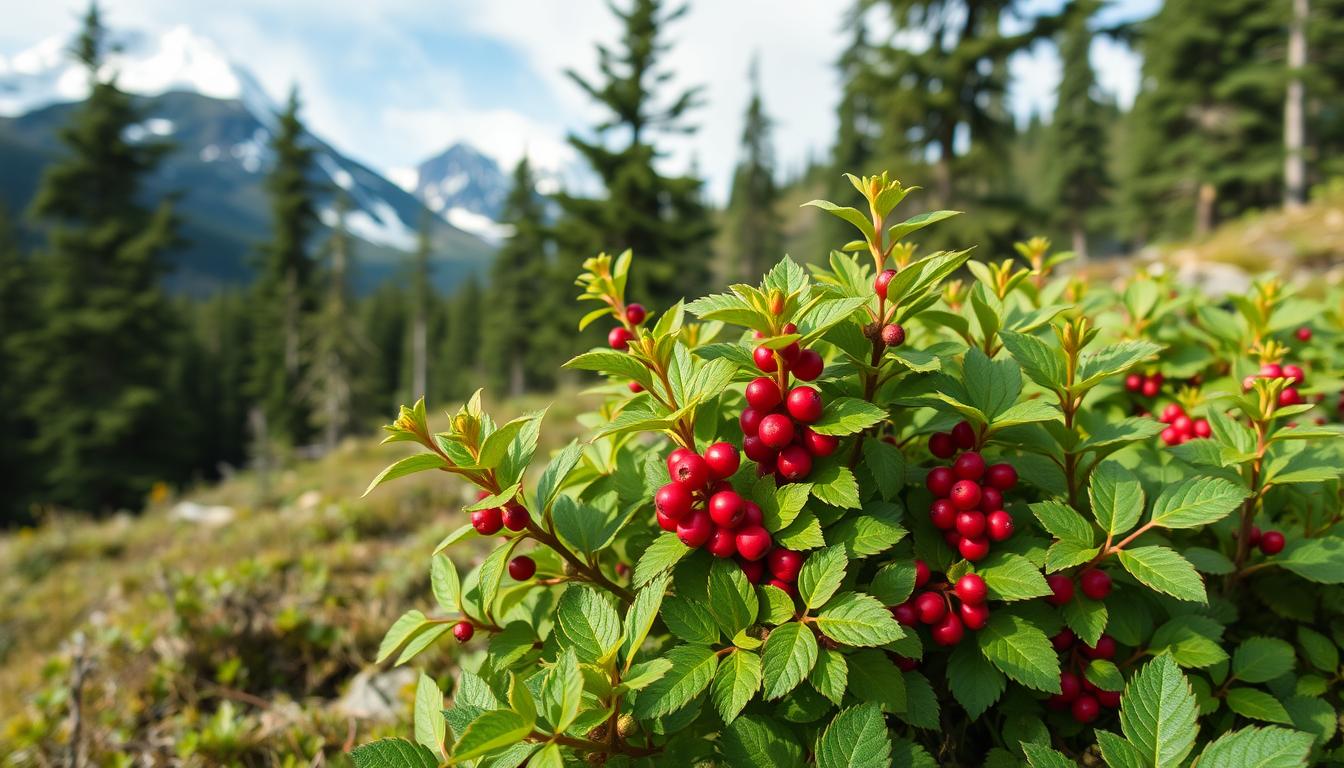
Alaska’s wild larder is rich with an array of berries that are both delicious and safe to consume. These include, but are not limited to:
- Blueberries (Vaccinium spp.): Abundant and easily identifiable, Alaskan blueberries are a summer and fall staple.
- Lingonberries (Vaccinium vitis-idaea): Also known as Lowbush Cranberries, these tart red berries are popular for preserves.
- Crowberries (Empetrum nigrum): Dark, juicy berries with a slightly watery taste, often found in tundra and boggy areas.
- Salmonberries (Rubus spectabilis): Resembling large, orange-red raspberries, common in coastal temperate zones.
- Nagoonberries (Rubus arcticus ssp. stellatus): A prized Alaskan berry with a rich, unique flavor, similar to a raspberry but with a more complex taste profile.
- Serviceberries/Saskatoon Berries (Amelanchier alnifolia): Sweet, purplish berries, often compared to blueberries.
While these are safe and delicious, there are also poisonous berries that can be mistaken for edible ones. For instance, Baneberry (Actaea rubra) and Elderberry (Sambucus racemosa) berries (the red variety) can be toxic if consumed raw or improperly prepared. The critical takeaway is that “wintergreen” as commonly understood, is not a plant you should expect to forage for in Alaska. Instead, focus on positively identifying the true Alaskan edibles.
Navigating Edibility: Safety, Taste, and Health Considerations
The allure of foraging for wild edibles is a significant draw for many tourism experiences, offering a tangible connection to the land and its resources. However, this activity carries inherent risks, especially in unfamiliar environments like the Alaskan wilderness. Foraging safely and responsibly is paramount.
The Importance of Positive Identification
The cardinal rule of foraging is: If in doubt, leave it out. Never consume a wild plant unless you are 100% certain of its identification. This often means learning not just what an edible plant looks like, but also what its poisonous look-alikes resemble. For tourists, this usually translates to learning from local experts. Many Alaskan communities offer guided foraging tours, culinary workshops, or have local naturalists who can provide invaluable knowledge. These guided experiences are not just about finding food; they are about understanding the ecosystem, traditional uses, and respecting the environment.
Flavor Profiles and Culinary Potential of Alaskan Edibles
While the minty notes of true wintergreen might not be a common find, Alaska’s native edibles offer a spectrum of unique flavors. Lingonberries provide a tart counterpoint to rich meats or a vibrant base for sauces. Salmonberries offer a delicate sweetness perfect for jams or fresh consumption. Nagoonberries are revered for their complex, aromatic qualities that elevate desserts and liqueurs. Beyond berries, certain greens like fiddleheads (young fern shoots), fireweed shoots, and various wild mushrooms (with extreme caution and expert guidance) offer diverse textures and tastes that can enrich a meal. Understanding these native flavors is part of appreciating Alaskan culture and cuisine.
Medicinal Properties and Cautionary Notes
Many wild plants possess medicinal properties, and indigenous cultures throughout Alaska have long utilized the bounty of the land for healing. However, approaching wild plants for medicinal purposes requires profound traditional knowledge and often specific preparation methods. Tourists should refrain from self-medicating with wild plants due to the risk of incorrect dosages, adverse reactions, or toxic look-alikes. Even edible plants, if consumed in excessive quantities or by individuals with certain sensitivities, can cause discomfort. Always prioritize safety and consult with experts before experimenting with wild plant consumption.
Foraging as a Tourism Experience: Responsible Practices in the Alaskan Wild
Engaging with Alaska’s wild foods scene offers a deeply immersive tourism experience. It’s an opportunity to learn about the land, its history, and the people who have lived in harmony with it for millennia. Responsible foraging ensures that these resources remain available for future generations and preserves the delicate balance of the ecosystem.
Engaging with Local Expertise and Guided Forays
For the tourist, the most reliable and enriching way to experience Alaskan foraging is through guided tours. Many communities, from Anchorage to Fairbanks and coastal towns, offer guided walks focused on edible plants, mushroom identification, or berry picking. These tours are led by experienced naturalists, botanists, or local residents who possess intimate knowledge of the flora. They can teach you safe identification techniques, share cultural stories about plant uses, and ensure you forage legally and ethically.
Respecting the Environment and Indigenous Knowledge
When foraging, always adhere to “leave no trace” principles. Take only what you need, avoid disturbing the surrounding ecosystem, and never harvest rare or endangered species. A significant aspect of Alaskan foraging involves recognizing and respecting the deep indigenous knowledge that has been passed down through generations. Many edible plants have been staples in the diets and traditional medicine of Alaska Native peoples for centuries. Engaging with this knowledge through cultural centers or native-led tours can provide a richer, more meaningful experience.
Permits and Regulations for Wild Harvesting
Before heading out to forage, it’s essential to understand local regulations. In many areas, especially within national parks, state parks, or private lands, harvesting wild plants may be restricted or require specific permits. Foraging for personal consumption on undeveloped state or federal lands is often permitted, but commercial harvesting almost always requires permits. Always check with the Bureau of Land Management (BLM), National Park Service, or Alaska Department of Natural Resources for specific guidelines related to the area you plan to visit.
Savoring Alaska’s Wild Larder: From Berry Picking to Bush Teas
Even if the “wintergreen” you imagine isn’t found, Alaska’s wild edibles provide a unique culinary landscape. Experiencing these flavors is an integral part of Alaskan tourism.
Culinary Adventures: Incorporating Foraged Foods
Imagine starting your day with wild blueberry pancakes, enjoying a salmonberry reduction with freshly caught Alaskan salmon, or sipping a tea brewed from fireweed leaves. Many Alaskan lodges, restaurants, and tour operators integrate local wild ingredients into their menus, offering guests a true taste of the wilderness. Participating in a “berry picking” excursion or a “bush tea” workshop can be a memorable and delicious activity.
Unique Alaskan Flavors for the Adventurous Palate
Beyond the well-known berries, the Alaskan landscape offers a plethora of unique flavors. From the peppery zing of Arctic Roseroot to the delicate sweetness of Goose Tongue Greens, and the earthy tones of various wild mushrooms, the adventurous palate will find much to explore. These ingredients are not just food; they are reflections of the resilient and vibrant ecosystem that is Alaska.
Beyond the Forage: Local Markets and Restaurants Embracing Wild Ingredients
If foraging isn’t your preference, you can still enjoy Alaska’s wild flavors. Farmers’ markets in cities like Anchorage and Juneau often feature local foragers selling their harvest – from fresh berries to wild mushroom varieties and homemade jams. Many upscale and casual restaurants pride themselves on using locally sourced, wild Alaskan ingredients, allowing tourists to savor these unique tastes in a refined setting without the risks of self-foraging.
In conclusion, while the specific “wintergreen” known in eastern regions is not native to Alaska, the state offers an incredible array of other edible plants and berries. Embracing Alaskan edibles as part of your tourism experience requires knowledge, respect, and often, the guidance of local experts to ensure both safety and a truly authentic taste of the wild.
LifeOutOfTheBox is a participant in the Amazon Services LLC Associates Program, an affiliate advertising program designed to provide a means for sites to earn advertising fees by advertising and linking to Amazon.com. Amazon, the Amazon logo, AmazonSupply, and the AmazonSupply logo are trademarks of Amazon.com, Inc. or its affiliates. As an Amazon Associate we earn affiliate commissions from qualifying purchases.