
The iconic journey from the vibrant desert metropolis of Phoenix, Arizona to the breathtaking chasm of the Grand Canyon is a quintessential American road trip, offering a dramatic shift in landscape and experience. Understanding the distance, driving times, and logistical considerations is paramount for planning an unforgettable adventure to one of the world’s most spectacular natural wonders. This guide will meticulously outline everything you need to know to navigate this popular route, ensuring a seamless and enriching travel experience.
The Journey Unveiled: Distance and Driving Times
The distance between Phoenix and the Grand Canyon isn’t a single, fixed number, as it depends on which rim of the canyon you intend to visit. The South Rim is significantly more accessible and popular for day trips or shorter stays from Phoenix due to its proximity and year-round accessibility.
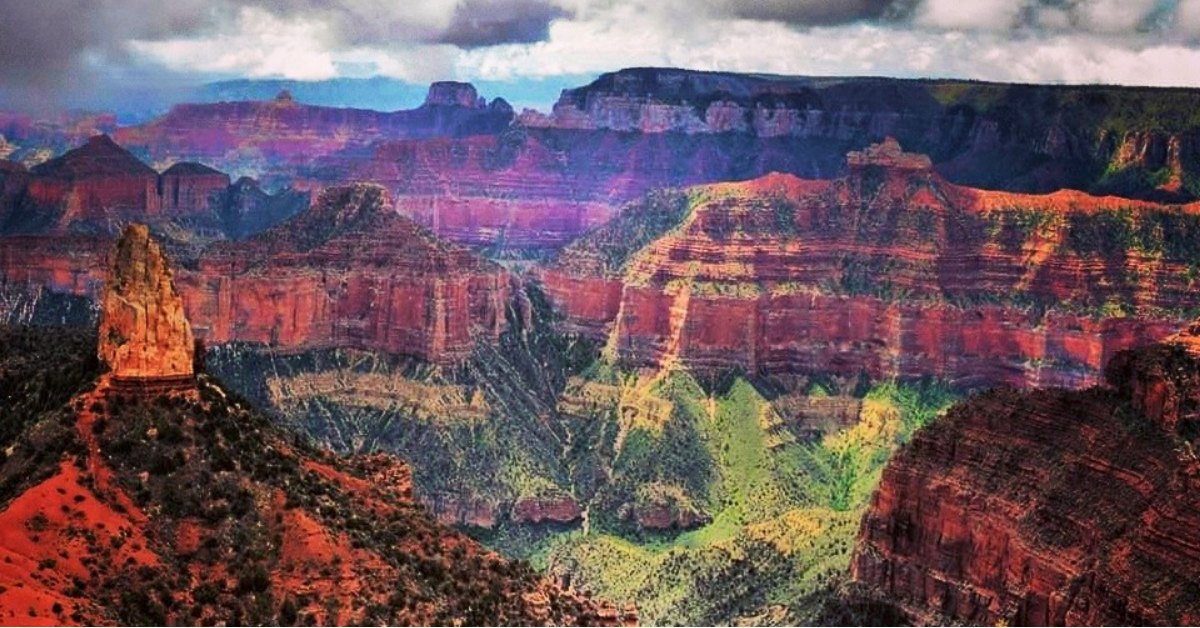
North Rim vs. South Rim: Choosing Your Grand Canyon Gateway
The Grand Canyon is divided into two primary tourist areas: the South Rim and the North Rim.
The South Rim, located in northern Arizona, is open 24 hours a day, 365 days a year, weather permitting. It is the most visited part of the park, offering a wealth of services, viewpoints, and trails. The distance from Phoenix to the South Rim is approximately 230-250 miles, with an average driving time of 3.5 to 4.5 hours.
In contrast, the North Rim is a more remote and less crowded experience, but it is only open seasonally, typically from mid-May to mid-October, due to heavy snowfall. The drive to the North Rim from Phoenix is considerably longer, spanning around 350-370 miles and taking 6 to 7 hours of driving, as it requires navigating around the canyon itself. Given its accessibility and range of offerings, most visitors from Phoenix target the South Rim.
Typical Driving Routes from Phoenix
The most common and efficient route from Phoenix to the Grand Canyon South Rim involves heading north through central Arizona.
- Phoenix to Flagstaff: Take Interstate 17 North from Phoenix to Flagstaff, Arizona. This segment is approximately 145 miles and usually takes about 2 to 2.5 hours. Along this route, you’ll experience a gradual but significant change in elevation and scenery, transitioning from desert scrub to pine forests as you ascend towards the Mogollon Rim.
- Flagstaff to Grand Canyon South Rim: From Flagstaff, you have a couple of options:
- Via Williams: The most popular route is to continue west on Interstate 40 for about 30 miles to Williams, Arizona. From Williams, take Highway 64 North directly into the Grand Canyon National Park South Entrance. This segment from Flagstaff to the park entrance is roughly 60 miles and takes about an hour. The total driving time from Phoenix using this route is around 3.5 to 4 hours, not including stops.
- Via Desert View (East Entrance): An alternative from Flagstaff is to take US-89 North for about 60 miles to Cameron, Arizona, then turn west onto Highway 64 (Desert View Drive) which leads to the park’s East Entrance. This route adds about 30-45 minutes to the overall drive compared to going through Williams, but it offers immediate access to the Desert View Watchtower and other scenic viewpoints along the eastern edge of the canyon, making for a grand initial impression. This is an excellent option if you plan to drive the entire scenic rim route from east to west.
Factors Affecting Travel Duration
While the estimated driving times provide a good baseline, several factors can influence the actual duration of your trip:
- Traffic: While generally light outside of major cities, traffic in and around Phoenix, particularly during peak rush hour, can add delays. Similarly, congestion near park entrances during peak season can also extend your travel time.
- Weather Conditions: Arizona weather can be unpredictable. Summer monsoons can bring heavy rain, while winter can see snow and icy conditions, especially in higher elevations like Flagstaff and the Grand Canyon. Always check forecasts before departing.
- Stops: The beauty of a road trip lies in the journey. Factor in time for gas, meals, rest stops, and potential scenic detours in places like Sedona, Arizona (which adds a significant detour but is highly recommended) or Flagstaff.
Essential Road Trip Considerations
Preparing for your journey from Phoenix to the Grand Canyon involves more than just knowing the route. Thoughtful planning can enhance comfort, safety, and enjoyment.
Vehicle Preparation and Rentals
If driving your own vehicle, ensure it’s in good working condition. Check tire pressure, fluid levels, and brakes. A full tank of gas before leaving Phoenix is advisable, and refueling opportunities become less frequent as you approach the park.
For those renting a car, nearly all major rental agencies operate out of Phoenix Sky Harbor International Airport. Booking in advance, especially during peak travel seasons, is recommended to secure the best rates and desired vehicle type. While an SUV might offer a slightly higher vantage point for scenery, a standard sedan is perfectly adequate for the paved roads to and within the Grand Canyon National Park.
Navigating the Arizona Landscape
The drive from Phoenix to the Grand Canyon showcases Arizona’s diverse topography. You’ll transition from the Sonoran Desert’s saguaros to high desert plains and eventually into the Ponderosa pine forests of Flagstaff and the Grand Canyon rim.
- Elevation Changes: Phoenix sits at an elevation of approximately 1,100 feet, while the Grand Canyon South Rim is around 7,000 feet. This elevation gain means significant temperature drops, especially between seasons. Be prepared for cooler temperatures at the canyon, even if it’s hot in Phoenix.
- Wildlife: While unlikely to encounter large animals on major highways, be mindful of deer or elk, especially at dawn or dusk, as you get closer to forested areas and the park.
- Roadside Services: The stretch of Interstate 17 between Phoenix and Flagstaff has several towns with services. However, once you turn off I-40 onto Highway 64 towards the park, services become scarce outside of Williams or Tusayan, Arizona (just outside the South Entrance).
Best Times to Travel
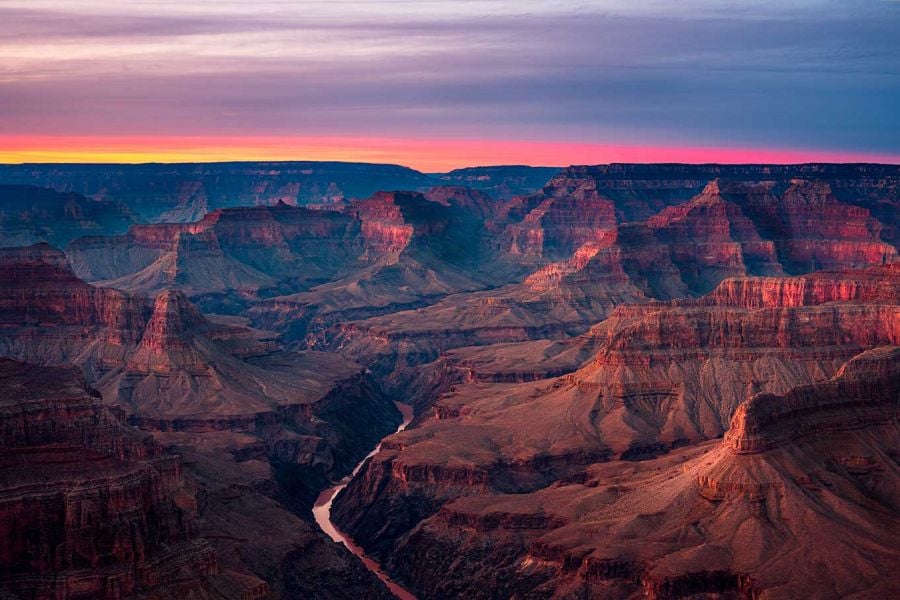
The optimal time for a Phoenix to Grand Canyon road trip largely depends on your preferences:
- Spring (March-May) and Fall (September-November): These shoulder seasons offer the most pleasant weather at the Grand Canyon with moderate temperatures, fewer crowds than summer, and beautiful light for photography. Phoenix also experiences its best weather during these periods.
- Summer (June-August): While the Grand Canyon is at its warmest and all services are open, this is also peak tourist season, leading to heavy crowds and potentially long waits. Phoenix experiences extreme heat during these months, so plan to depart early in the morning.
- Winter (December-February): The South Rim offers a unique, snow-dusted beauty in winter, with significantly fewer crowds. However, temperatures are cold, and some roads and trails may be closed due to snow or ice. Check park conditions diligently if planning a winter trip.
Beyond the Drive: Experience the Grand Canyon South Rim
Once you arrive at the Grand Canyon South Rim, the real adventure begins. The park is vast, and a bit of planning can ensure you make the most of your visit.
Must-See Viewpoints and Scenic Drives
The South Rim boasts numerous viewpoints, each offering a unique perspective of the canyon’s grandeur.
- Mather Point: Often the first viewpoint for visitors entering the South Entrance, Mather Point offers expansive panoramic views and is a popular spot for sunrise and sunset.
- Yavapai Point: Home to the Yavapai Geology Museum, this point provides excellent interpretive exhibits on the canyon’s formation, coupled with stunning vistas.
- Hopi Point: Accessible via the free park shuttle during much of the year, Hopi Point is renowned for its sweeping western views, making it a prime location for sunset viewing.
- Desert View Watchtower: Located at the East Entrance, this historic stone tower offers incredible 360-degree views of the canyon and the Colorado River winding below.
Activities and Adventures
The Grand Canyon offers a diverse range of activities beyond sightseeing:
- Hiking: From easy rim trails like the Rim Trail to strenuous descents into the canyon on trails like the Bright Angel Trail or South Kaibab Trail (prepare extensively for these), hiking offers intimate access to the canyon’s majesty.
- Mule Rides: For a unique perspective, consider a mule trip down into the canyon, though these book up far in advance.
- Helicopter Tours: Short on time or seeking an aerial perspective? Helicopter tours depart from near Tusayan and offer unparalleled views of the canyon from above.
- Ranger Programs: Free ranger-led talks and walks provide insightful information on the canyon’s geology, wildlife, and history.
Planning Your Stay (Inside the Park vs. Gateway Towns)
Accommodations inside the Grand Canyon National Park at Grand Canyon Village offer unparalleled access to the rim and convenience but book up quickly, often a year or more in advance. Options range from historic lodges like El Tovar Hotel to more budget-friendly motels.
Alternatively, gateway towns like Tusayan, just a few miles south of the park entrance, offer a range of hotels, restaurants, and services, including IMAX theaters and gift shops. Williams, further south on historic Route 66, is another popular base, particularly for those who wish to take the Grand Canyon Railway into the park.
Making the Most of Your Phoenix-Grand Canyon Trip
Transforming a simple drive into a comprehensive travel experience involves considering broader itineraries and alternative transportation.
Combining with Other Arizona Attractions
The journey from Phoenix to the Grand Canyon presents excellent opportunities to explore other gems of northern Arizona:
- Sedona: Famous for its stunning red rock formations, spiritual vortexes, and vibrant arts scene, Sedona is a popular detour. It’s about a 2-hour drive north of Phoenix (before Flagstaff if taking I-17 and then AZ-179). Spending a night or two in Sedona can break up the drive and add another distinct landscape to your trip.
- Flagstaff: As a mountain town, Flagstaff offers a different vibe with its historic downtown, Lowell Observatory, and proximity to the San Francisco Peaks. It’s an ideal stop for a meal or an overnight stay to acclimate to the higher elevation before reaching the canyon.
- Historic Route 66: If traveling via Williams, you’ll encounter a charming stretch of the historic Route 66, offering nostalgic diners and unique roadside attractions.
Alternative Transportation Options
While driving offers the most flexibility, other options are available:
- Bus Tours: Many companies offer organized bus tours from Phoenix to the Grand Canyon. These are convenient if you prefer not to drive, as they typically include transportation, park entry, and guided sightseeing.
- Grand Canyon Railway: For a scenic and historic journey, consider driving to Williams and taking the Grand Canyon Railway directly to Grand Canyon Village. It’s an immersive experience that evokes the golden age of rail travel.
- Flights: Although less common and more expensive for most tourists, you can fly from Phoenix Sky Harbor International Airport to Grand Canyon National Park Airport (GCN), which is just outside the South Entrance. From there, you can use local shuttles or taxis.

Preparing for a Safe and Memorable Visit
- Hydration: The dry Arizona climate, even at higher elevations, necessitates constant hydration. Carry plenty of water.
- Sun Protection: Sunscreen, hats, and sunglasses are essential year-round due to the strong high-altitude sun.
- Layered Clothing: Dress in layers to accommodate the significant temperature swings between day and night, and between Phoenix and the Grand Canyon.
- Park Pass: Consider purchasing an America the Beautiful National Parks and Federal Recreational Lands Pass if you plan to visit multiple national parks within a year. Otherwise, the Grand Canyon National Park entrance fee can be paid at the gate or online.
- Book Ahead: Especially during peak season, reserve accommodations, tours, and even some restaurant dining well in advance.
The journey from Phoenix to the Grand Canyon is more than just covering a distance; it’s an integral part of the adventure, offering evolving landscapes and a sense of anticipation. With proper planning and an appreciation for the journey, your travel to this majestic wonder will be as memorable as the destination itself.
LifeOutOfTheBox is a participant in the Amazon Services LLC Associates Program, an affiliate advertising program designed to provide a means for sites to earn advertising fees by advertising and linking to Amazon.com. Amazon, the Amazon logo, AmazonSupply, and the AmazonSupply logo are trademarks of Amazon.com, Inc. or its affiliates. As an Amazon Associate we earn affiliate commissions from qualifying purchases.