
Alaska, often hailed as “The Last Frontier,” is a realm of unparalleled wilderness and majestic beauty, drawing travelers worldwide to witness its breathtaking landscapes and, perhaps more profoundly, its incredible wildlife. For those seeking an immersive travel experience, understanding what animals call this vast state home is key to unlocking the true essence of an Alaskan adventure. From towering mountains to ancient glaciers, and from dense forests to expansive coastlines, Alaska’s diverse ecosystems support an astonishing array of fauna, making it a premier destination for wildlife viewing.
Unveiling Alaska’s Iconic Mammals
The sheer scale of Alaska allows for the thriving populations of some of North America’s most celebrated and powerful mammals. Encountering these creatures in their natural habitat is often the highlight of any visit.
Bears: The Kings of the Wilderness
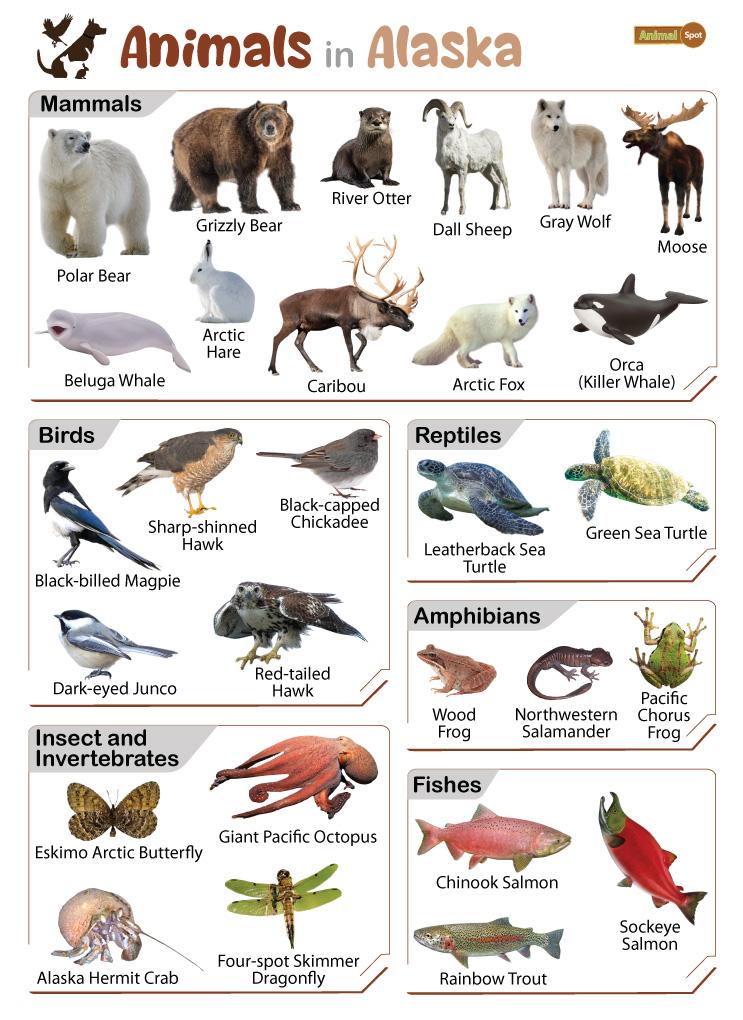
No discussion of Alaskan wildlife is complete without acknowledging its magnificent bears. Three distinct species roam this rugged land, each adapted to its unique environment.
- Brown Bear (Grizzly): These formidable omnivores are the undisputed rulers of Alaska’s terrestrial ecosystems. Known for their distinctive shoulder hump and powerful physique, brown bears thrive in various habitats, from coastal rainforests to alpine tundras. Coastal brown bears, particularly those found on Kodiak Island and in Katmai National Park, grow exceptionally large, sustained by the abundant salmon runs. Witnessing these bears expertly fish for salmon at Brooks Falls in Katmai is one of the most iconic wildlife spectacles on Earth. Inland brown bears are commonly referred to as grizzlies and are found across interior Alaska, including Denali National Park.
- Black Bear: More widespread and generally smaller than their brown counterparts, black bears are often found in forested areas across much of Alaska, including Southeast Alaska’s Tongass National Forest. They are adept climbers and more likely to be seen scavenging near human settlements, though always maintaining a respectful distance is crucial.
- Polar Bear: A symbol of the Arctic wilderness, polar bears inhabit the northern coastal regions and sea ice of Alaska. These apex predators are perfectly adapted to their icy environment, hunting seals from the frozen expanse. Sightings are rare and typically require specialized expeditions to remote locations like the Arctic National Wildlife Refuge.
Majestic Moose and Caribou
Alaska is home to the largest subspecies of moose in the world, a truly awe-inspiring sight. With their immense antlers, these solitary giants are often encountered in wetland areas, boreal forests, and even within the city limits of Anchorage and Fairbanks. Their graceful movements, despite their size, are captivating.
Caribou, on the other hand, are creatures of the vast open tundra, renowned for their epic migrations. These reindeer relatives move in enormous herds across the Arctic and sub-Arctic landscapes, a phenomenon that truly embodies the wild spirit of Alaska. Denali National Park and the Arctic National Wildlife Refuge offer opportunities to witness these magnificent journeys.
Wolves and Other Predators
The wilderness of Alaska is also the domain of cunning predators that play vital roles in maintaining ecological balance.
- Gray Wolf: The quintessential wilderness predator, gray wolves roam in packs across much of Alaska. While elusive, their howls echoing across the tundra are a haunting reminder of the wild. Denali National Park is one of the best places for a chance encounter.
- Lynx and Wolverine: These secretive carnivores are rarely seen but are integral to the Alaskan ecosystem. Lynx are specialized hunters of snowshoe hares in the boreal forests, while the incredibly tenacious wolverine, a powerful member of the weasel family, inhabits remote mountainous and forested regions.
- Foxes: Both red foxes and Arctic foxes thrive in Alaska. The red fox is highly adaptable and found across various habitats, while the Arctic fox, with its thick white winter coat, is perfectly camouflaged for the northern tundras.
Marine Mammals: Giants of the Alaskan Coasts
Alaska’s extensive coastline and rich marine waters are teeming with life, offering spectacular opportunities for marine mammal viewing.
- Whales: Humpback whales are a common sight, breaching and feeding in the nutrient-rich waters of the Inside Passage and Kenai Fjords National Park. Orcas (killer whales), with their distinctive black and white markings, are powerful predators often seen hunting in pods. Gray whales migrate along the coast, while beluga whales frequent the shallow waters of Cook Inlet near Anchorage.
- Seals and Sea Lions: Harbor seals dot the rocky shores and ice floes, while the much larger Steller sea lions haul out in noisy colonies along the coast, particularly in Prince William Sound and Kenai Fjords.
- Sea Otters: These playful and incredibly charismatic marine mammals are crucial to the health of Alaska’s kelp forests. They can be seen floating on their backs, cracking shellfish, along much of the southern coast.
- Walrus: With their impressive tusks, walruses are a unique sight, primarily found in the Bering Sea and Chukchi Sea regions, where they gather in large groups on ice floes or coastal beaches.
Avian Wonders: Alaska’s Feathered Residents
For birdwatching enthusiasts, Alaska is a veritable paradise. Its vast and varied landscapes provide critical breeding grounds and migratory stopovers for millions of birds.
Birds of Prey and Waterfowl
The majestic Bald Eagle, the national bird of the United States, is ubiquitous in Alaska, especially in the coastal regions of Southeast Alaska. Golden eagles soar above the mountains, and various owl species, including the elusive snowy owl, inhabit the tundras and forests.
Alaska’s wetlands and coastal areas are crucial habitats for immense numbers of waterfowl, including ducks, geese, and elegant tundra swans. During spring and fall migrations, these areas teem with life, offering spectacular viewing opportunities. Coastal cliffs also host vast colonies of seabirds such as puffins, murres, and guillemots.
Migratory Marvels
Every spring, millions of birds undertake incredible journeys to reach Alaska’s rich breeding grounds. Shorebirds arrive in countless numbers at key staging areas like the Copper River Delta, while a multitude of songbirds, cranes (including the iconic sandhill crane), and other species spread across the state for the summer months. This annual influx makes spring and early summer prime times for birding expeditions.
Aquatic Life: Richness Beneath the Surface
Beneath Alaska’s pristine waters lies a world of vibrant aquatic life, essential to both the ecosystem and the state’s economy.
Salmon: The Lifeblood of the Ecosystem
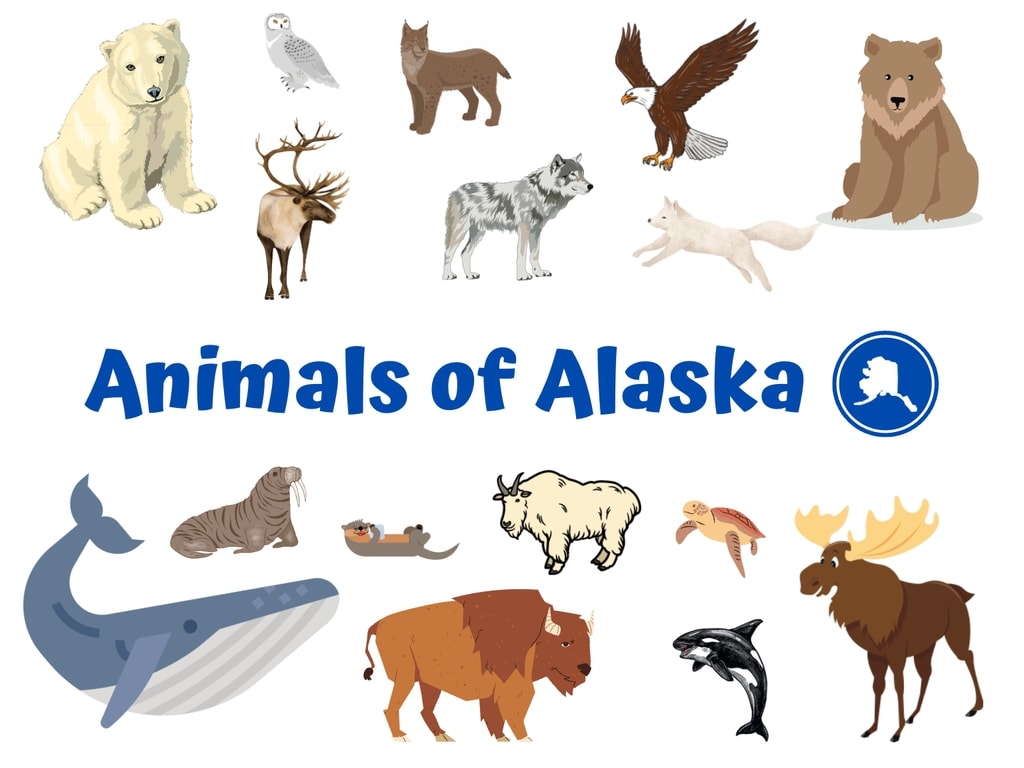
Five species of Pacific salmon—Chinook (King), Sockeye, Coho (Silver), Pink (Humpy), and Chum (Dog)—are the cornerstone of Alaska’s aquatic ecosystems. Their annual return from the ocean to spawn in freshwater rivers and streams is a monumental event, providing sustenance for bears, eagles, marine mammals, and human communities alike. The sight of salmon fighting their way upstream is a powerful testament to nature’s resilience.
Other Fish and Invertebrates
Beyond salmon, Alaska’s waters are home to a diversity of fish popular for sport fishing, including halibut, lingcod, Arctic char, various trout species, and grayling. The cold, deep waters also support a thriving shellfish industry, with highly prized King Crab, Snow Crab, Dungeness Crab, and various shrimp species harvested from the Bering Sea and Gulf of Alaska.
Where to Witness Alaska’s Wildlife
To truly experience Alaska’s wildlife, strategic planning is essential. The vastness of the state means that different regions offer unique viewing opportunities.
National Parks and Wildlife Refuges
Alaska is blessed with an extensive network of protected areas, designed to preserve its natural heritage and provide accessible wildlife viewing.
- Denali National Park: Famous for its “Big Five” (moose, caribou, Dall sheep, grizzly bears, and wolves), Denali offers bus tours that maximize wildlife spotting along its single park road.
- Katmai National Park: World-renowned for its coastal brown bears gathering to fish for salmon, particularly at Brooks Falls. Access is typically via float plane.
- Kenai Fjords National Park: Explore tidewater glaciers and marine wildlife via boat tours from Seward, offering incredible views of whales, seals, sea lions, and seabirds.
- Arctic National Wildlife Refuge and Gates of the Arctic National Park: For intrepid travelers, these remote northern parks offer unparalleled wilderness experiences, including sightings of polar bears, caribou herds, and muskoxen, often requiring specialized fly-in trips.
- Tongass National Forest: The largest national forest in the U.S., covering much of Southeast Alaska, it’s a prime habitat for black bears, bald eagles, and salmon.
Guided Tours and Expeditions
Joining experienced guides greatly enhances the chances of successful wildlife encounters while ensuring safety and adherence to ethical viewing practices. Options range from bear-viewing flightseeing tours that land in remote areas, to multi-day wilderness expeditions, and dedicated whale-watching cruises from coastal towns like Juneau, Homer, or Valdez. Fishing charters also provide opportunities to observe marine life and birds.
Ethical Wildlife Viewing
Responsible tourism is paramount in Alaska. Always maintain a safe and respectful distance from all animals, never feed wildlife, and avoid disturbing their natural behaviors. Utilizing binoculars or telephoto lenses allows for close-up views without intrusion. Understanding and following “Leave No Trace” principles ensures that Alaska’s pristine wilderness remains untouched for future generations and its resident wildlife.
Planning Your Wildlife Adventure
A successful wildlife viewing trip to Alaska requires careful planning, considering seasonality and essential gear.
Best Time to Visit
The prime time for most wildlife viewing in Alaska is during the summer months, from June through August.
- June: Early summer brings vibrant bird migrations, emerging bear cubs, and the start of salmon runs in some areas. Long daylight hours are a bonus.
- July: Peak season for salmon fishing, which in turn draws bears. Whale watching is excellent, and most national parks are fully accessible.
- August: Continues to offer robust wildlife activity, with salmon runs still strong. As temperatures begin to cool, the possibility of seeing the aurora borealis increases, especially towards the end of the month.
- Spring (May-early June): Excellent for birding and observing animals emerging from hibernation, often with fewer crowds.
- Fall (September): While daylight hours shorten, September offers stunning fall foliage, the caribou rut, and prime opportunities for aurora viewing, with fewer tourists.
Essential Gear
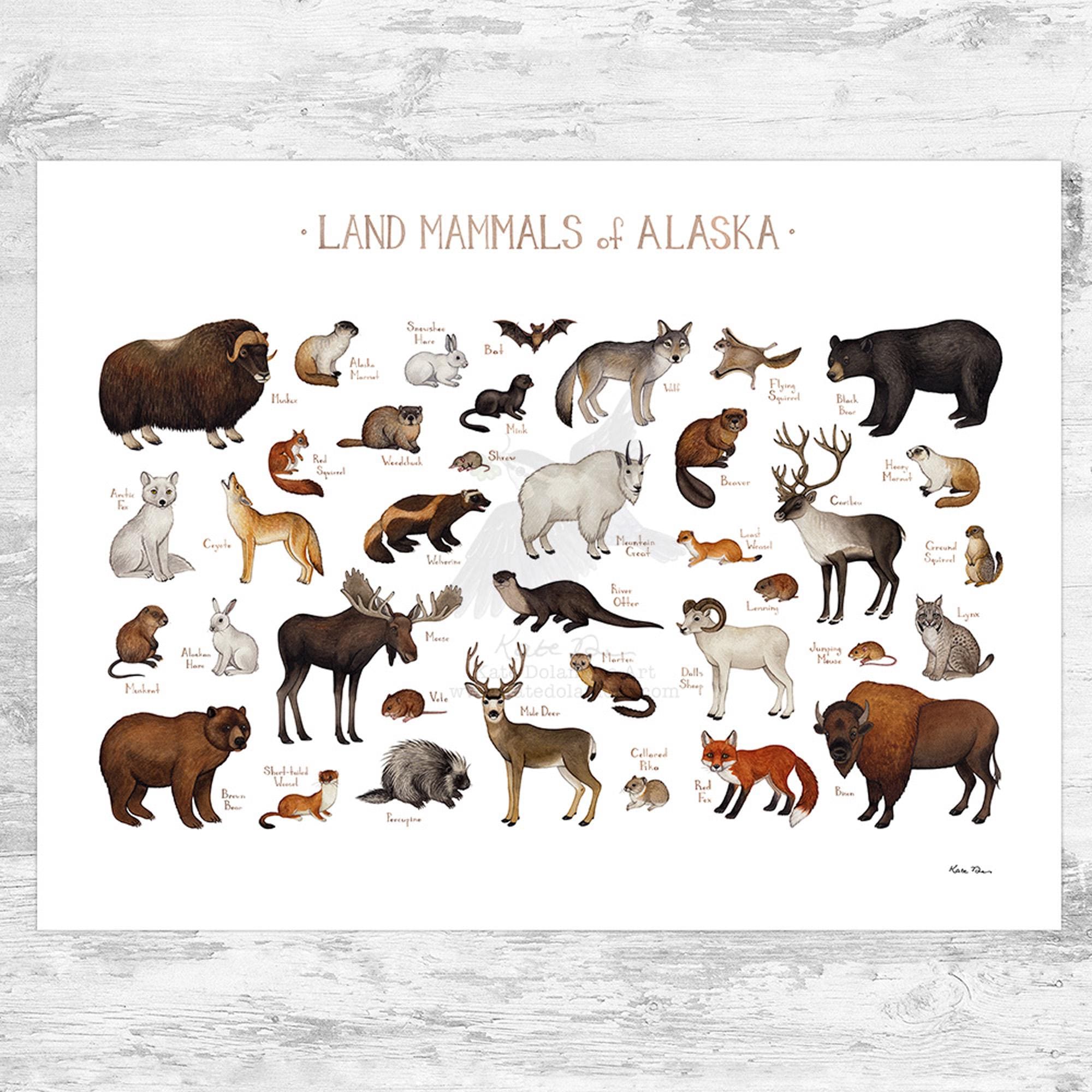
Preparation is key to comfort and successful wildlife viewing in Alaska’s unpredictable weather.
- Optics: High-quality binoculars are indispensable for distant viewing. A camera with a powerful zoom lens is also highly recommended to capture incredible moments without encroaching on wildlife.
- Layered Clothing: Weather can change rapidly. Pack versatile layers, including moisture-wicking base layers, insulating mid-layers, and waterproof and windproof outer shells.
- Footwear: Sturdy, waterproof hiking boots are essential for exploring trails and wet terrain.
- Bear Safety: If venturing into the backcountry, understand and carry bear spray (and know how to use it). Always check local regulations regarding bear safety equipment.
- Insect Repellent: Mosquitoes and other biting insects can be prevalent during the summer, especially in interior and marshy areas.
- Maps and Guidebooks: Informative resources will enhance your understanding of the local flora and fauna and help navigate the vast wilderness.
Alaska truly is a wildlife enthusiast’s dream, a place where nature reigns supreme and encounters with wild animals are not just possible but often profoundly moving. By understanding its diverse inhabitants and planning thoughtfully, travelers can embark on an unforgettable journey into the heart of this magnificent frontier.
LifeOutOfTheBox is a participant in the Amazon Services LLC Associates Program, an affiliate advertising program designed to provide a means for sites to earn advertising fees by advertising and linking to Amazon.com. Amazon, the Amazon logo, AmazonSupply, and the AmazonSupply logo are trademarks of Amazon.com, Inc. or its affiliates. As an Amazon Associate we earn affiliate commissions from qualifying purchases.