
March in Colorado often conjures images of late-season skiing, vibrant spring wildflowers, and the promise of warmer days. But for many planning a trip to the Centennial State, a fundamental question arises: does it actually snow in Colorado in March? The answer is a resounding, and often exhilarating, yes. While the grip of winter begins to loosen, March is a quintessential month for snow in many of Colorado’s beloved mountain destinations, offering a unique blend of winter sport opportunities and the first hints of spring’s arrival.
Understanding Colorado’s March Climate
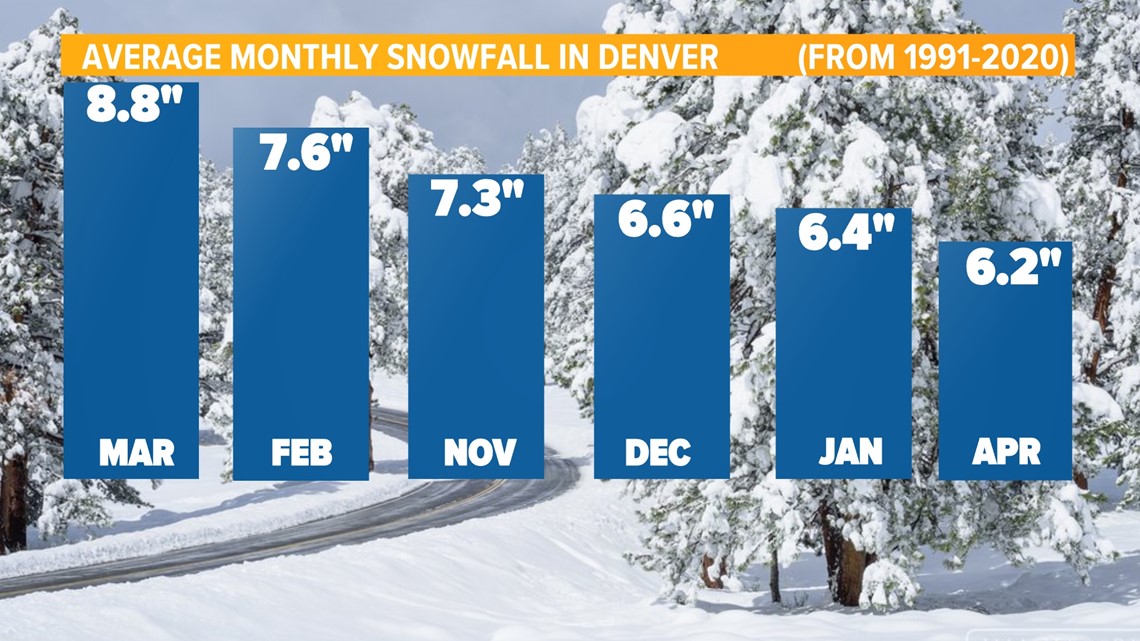
Colorado’s diverse topography, from the towering Rocky Mountains to the high plains, creates a mosaic of microclimates. Generally, March is considered a transitional month. It is statistically one of the snowiest months of the year, particularly at higher elevations. The phrase “spring skiing” is not merely a marketing slogan; it’s a reality shaped by consistent snowfall and increasingly sunny days, creating ideal conditions for outdoor enthusiasts.
Snowfall Patterns and Averages
The amount of snow you can expect in Colorado in March varies significantly by region. The western mountain ranges, home to most of the state’s renowned ski resorts, consistently receive substantial snowfall. Towns like Aspen, Vail, Breckenridge, and Steamboat Springs often boast base depths measured in feet, and fresh powder is a frequent occurrence throughout the month.
Even lower elevations and the Front Range can experience snow events. While the snow may not accumulate as deeply or linger as long as in the mountains, Denver and surrounding areas can still see significant snowfalls, which can transform the urban landscape into a temporary winter wonderland. These events, however, are often followed by rapid melting due to increasing sunshine and warmer daytime temperatures.
Temperature Fluctuations
March in Colorado is characterized by considerable temperature swings. Mountain towns will remain cold, with daytime highs often below freezing and nighttime temperatures dipping significantly lower. Ski resorts can experience daily highs in the 20s and 30s Fahrenheit, with nights dropping into the single digits or teens.
As you descend to lower elevations, temperatures rise, but unpredictability remains. Denver might see average daytime highs in the 40s and 50s Fahrenheit, but a strong winter storm can bring temperatures back down into the teens or 20s. Conversely, a warm spring front can push temperatures into the 60s or even 70s, offering a tantalizing glimpse of summer. This diurnal range and month-to-month variability are hallmarks of the Colorado climate in March.
Experiencing March Snow in Colorado
For travelers, understanding these climatic nuances is key to planning a successful and enjoyable trip. March offers a unique opportunity to experience Colorado in a way that blends the best of winter and spring.
Skiing and Snowboarding: The Late-Season Thrill
March is prime time for skiing and snowboarding in Colorado. The high-altitude resorts typically have substantial snow bases, and the abundant sunshine makes for comfortable days on the slopes. This period is often referred to as “spring skiing,” and it’s celebrated for its softer snow conditions, longer daylight hours, and festive atmosphere.
- Resort Conditions: Major resorts such as Aspen Snowmass, Winter Park Resort, Keystone Resort, and Copper Mountain continue to operate with full terrain. The snowpack is usually well-established, and new snowfalls can provide excellent powder days. The warmer temperatures mean that the snow can become a bit more variable, with corn snow in the afternoons, which many skiers enjoy for its forgiving nature.
- Events and Festivals: Many resorts host end-of-season events and festivals in March, celebrating the close of a successful ski season. These often include live music, competitions, and on-mountain parties, adding a vibrant cultural layer to the skiing experience.
- Value: As the peak winter season winds down, some resorts may offer slightly better lodging deals or lift ticket packages, making it a potentially more budget-friendly time to hit the slopes compared to December or February.
Beyond the Slopes: Winter Activities Continue
While skiing and snowboarding are paramount, March’s snow allows for a range of other winter activities to thrive.
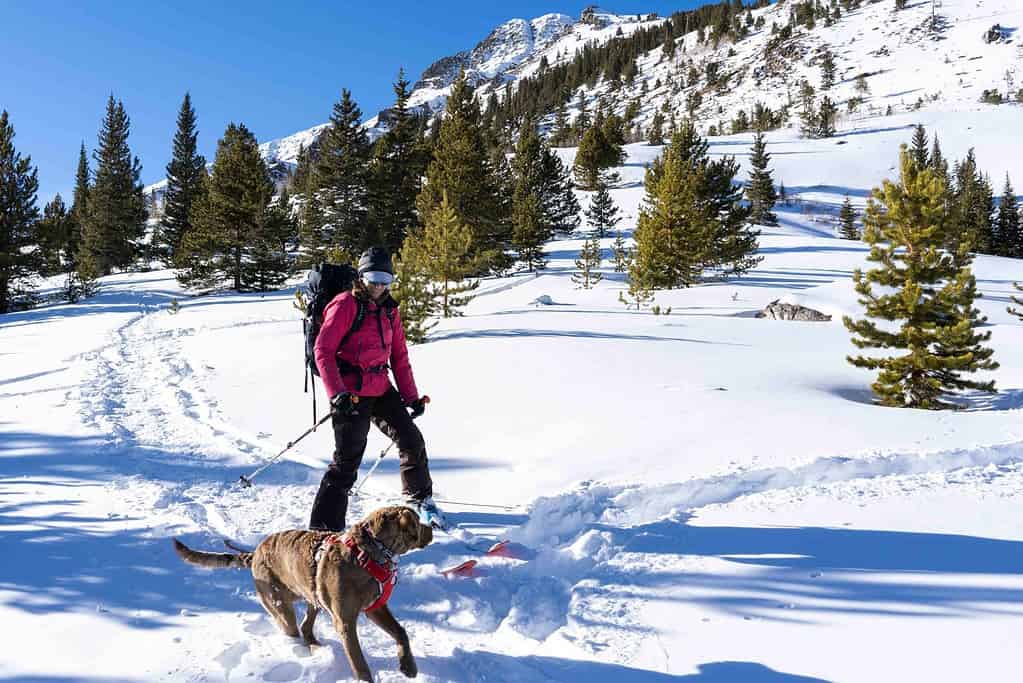
- Snowshoeing and Cross-Country Skiing: Many trails that are inaccessible or challenging in drier months remain pristine and snow-covered in March. This opens up opportunities for serene snowshoeing excursions and backcountry exploration via cross-country skis. Areas like the Guanella Pass (when open) or designated Nordic centers offer magnificent settings.
- Snowmobiling: For adrenaline seekers, snowmobiling tours remain a popular option in many mountainous regions. Guided tours allow visitors to explore vast snowy landscapes safely and efficiently.
- Winter Photography: The combination of dramatic mountain scenery, sparkling snow, and clear blue skies makes March an ideal time for photographers to capture breathtaking landscapes. The softer light of early spring can also lend itself to unique photographic opportunities.
Embracing Spring’s First Stirrings
While snow is a significant feature of March in Colorado, it’s also a month where the first signs of spring begin to appear, creating a captivating duality.
The Impact of Melting Snow
As daytime temperatures climb, particularly at lower elevations and on sun-facing slopes, snow begins to melt. This can create beautiful scenery with trickling streams and glistening ice formations.
- Mud Season Considerations: In some areas, particularly at mid-elevations, March can usher in “mud season.” This is a transitional period where snowmelt makes trails and some roads slushy and potentially impassable for standard vehicles. Travelers planning to explore off-resort areas should be aware of these conditions and opt for 4WD vehicles if necessary, or stick to established, well-maintained roads.
- Ice Formations: In the mountains, the freeze-thaw cycles can lead to stunning ice formations, from frozen waterfalls to intricate icicles. These natural phenomena are a delight to witness.
Early Spring Blooms and Wildlife
In sheltered valleys and at lower elevations, the first hardy wildflowers may begin to poke through the thawing earth. While not a widespread phenomenon until later in the spring, spotting these early blooms can be a delightful surprise for observant travelers.
Wildlife also becomes more active as the weather warms. You might spot elk herds descending from higher pastures, or observe birds returning to their nesting grounds. Visiting wildlife viewing areas or simply keeping an eye out during scenic drives can yield rewarding encounters.
Planning Your March Trip to Colorado
A successful trip to Colorado in March requires a bit of foresight and preparation, balancing the possibility of significant snowfall with the anticipation of warmer days.
What to Pack
Packing for March in Colorado requires layers.
- Winter Gear: For mountain destinations and snow activities, waterproof and insulated outerwear (jacket, pants), thermal base layers, waterproof gloves or mittens, warm socks, a hat that covers your ears, and insulated, waterproof boots are essential. Goggles and sunscreen are also crucial, as the sun’s reflection off the snow can be intense.
- Spring/Transition Layers: For days exploring towns or less snow-dependent activities, consider packing warmer layers like fleeces, sweaters, jeans, and comfortable walking shoes or boots that can handle potentially slushy conditions. A waterproof and windproof outer shell is always a good idea.
- Sun Protection: Even with snow on the ground, Colorado’s high altitude means the sun is strong. Pack sunglasses, sunscreen, and lip balm with SPF.
Choosing Your Destination
The “where” of your March trip significantly impacts the snow experience.
- High Mountain Resorts: If your priority is guaranteed snow for skiing, snowboarding, or other winter sports, focus on destinations like Aspen, Vail, Breckenridge, Telluride, or Winter Park. These areas are at high elevations and reliably receive ample snow throughout March.
- Front Range Cities: If you prefer a base with milder temperatures and the possibility of occasional snow, consider staying in or near Denver, Boulder, or Colorado Springs. You can take day trips to nearby ski resorts for a taste of the winter wonderland without staying in the deep snow.
- National Parks and Natural Areas: Parks like Rocky Mountain National Park will still be in winter mode, with many roads and trails accessible only by snowshoe or ski. Conditions can be severe, so check park alerts and be prepared for winter travel.
Transportation and Road Conditions
Road conditions in March can be highly variable.
- Mountain Passes: Many mountain passes can experience temporary closures due to heavy snowfall or avalanche risk. Always check CDOT (Colorado Department of Transportation) road conditions before venturing out.
- Vehicle Requirements: If driving in mountain areas, particularly outside of major resort towns, a 4WD or AWD vehicle is strongly recommended. Chains may be required during severe winter storms.
- Public Transport: For travel between major cities and some resorts, consider using bus services like Bustang, which can be a safer and more convenient option during inclement weather.
In conclusion, yes, it absolutely snows in Colorado in March. This month offers a unique window into the state’s ability to deliver exceptional winter experiences while simultaneously hinting at the vibrant spring that lies just around the corner. Whether you’re carving down a powdery slope or enjoying the crisp, sunny air in a mountain town, March in Colorado is a memorable adventure.
LifeOutOfTheBox is a participant in the Amazon Services LLC Associates Program, an affiliate advertising program designed to provide a means for sites to earn advertising fees by advertising and linking to Amazon.com. Amazon, the Amazon logo, AmazonSupply, and the AmazonSupply logo are trademarks of Amazon.com, Inc. or its affiliates. As an Amazon Associate we earn affiliate commissions from qualifying purchases.