
Alaska, the United States’ largest state, presents a breathtaking tapestry of landscapes, each sculpted by its distinct climate. Understanding these varied climatic zones is paramount for any tourist planning a visit, as the weather dictates not only what to pack but also the very nature of available activities and experiences. Far from a monolithic Arctic tundra, Alaska boasts everything from temperate rainforests to extreme continental interiors and polar coastlines, offering a diverse array of tourism opportunities throughout the year.
A Land of Diverse Climates: Understanding Alaska’s Regions
Alaska’s vast geographical expanse contributes to its dramatic climatic diversity, making regional distinctions crucial for tourists. Each zone offers unique challenges and rewards for visitors.
The Panhandle’s Temperate Rainforest
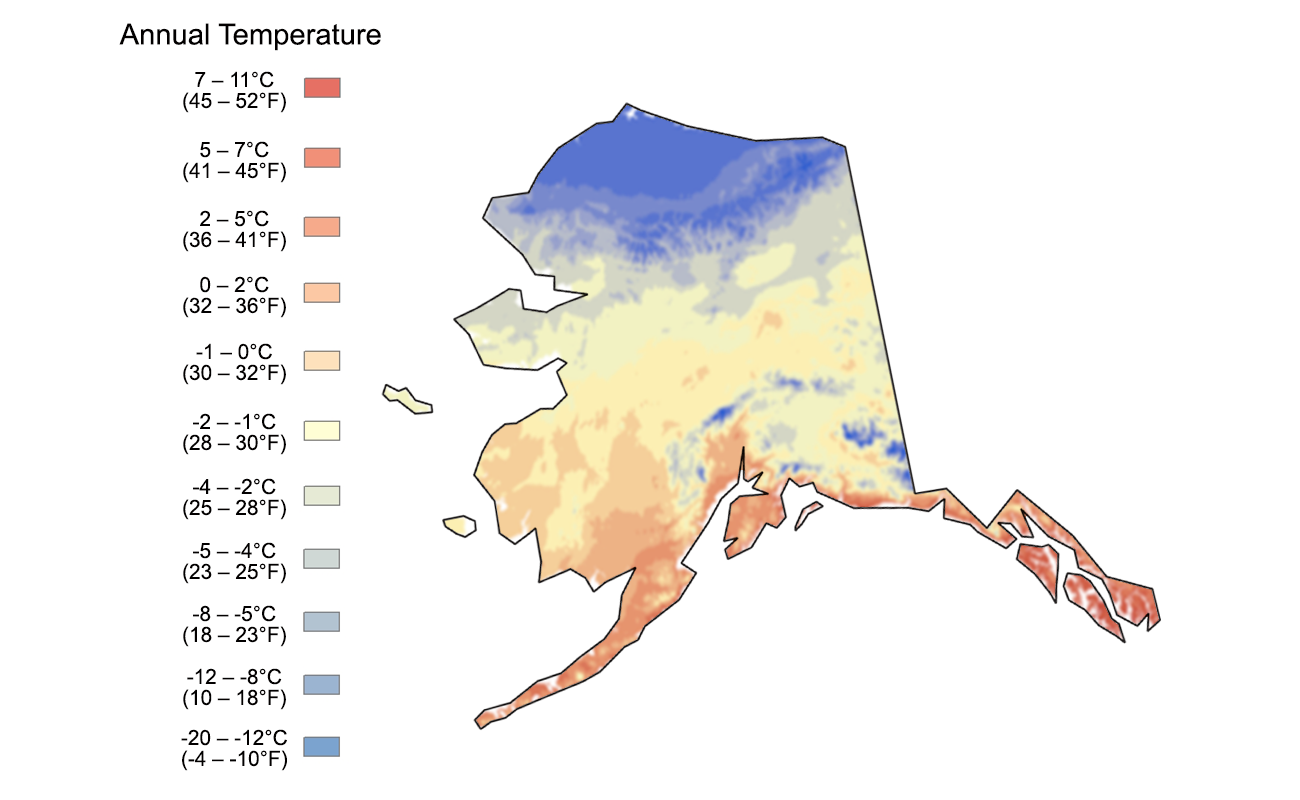
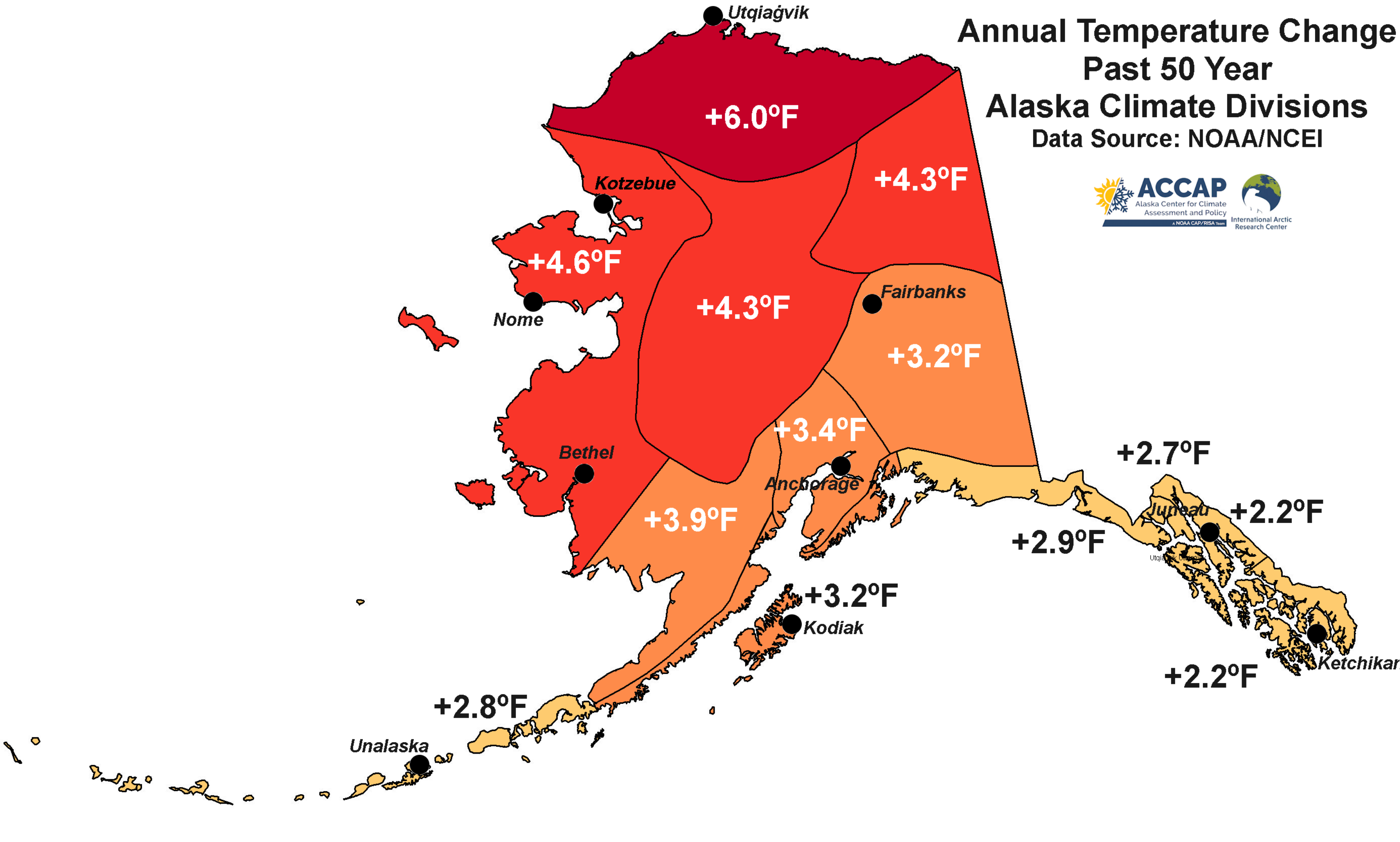
Southeastern Alaska, often referred to as the Panhandle, is dominated by a maritime climate. Cities like Juneau, Sitka, and Ketchikan experience abundant precipitation, classifying the region as a temperate rainforest. Summers are cool and wet, with average temperatures in the 50s and 60s Fahrenheit (10-18°C), while winters are relatively mild, rarely dipping below freezing for extended periods, though heavy snowfall is common at higher elevations. This climate supports lush forests, teeming with wildlife, and offers incredible opportunities for glacier viewing, kayaking, and hiking among verdant landscapes. The constant moisture means tourists should always be prepared for rain, even on what appears to be a clear day, with waterproof gear being an absolute necessity for whale watching tours or exploring the Tongass National Forest.
Southcentral Alaska: A Transitional Zone
The Southcentral region, home to Alaska’s largest city, Anchorage, and coastal towns like Seward and Valdez, acts as a transition zone between the maritime influence of the Gulf of Alaska and the more extreme continental interior. Summers here are generally mild and pleasant, with temperatures often in the 60s and 70s Fahrenheit (15-24°C), making it ideal for cruises, fishing expeditions, and exploring national parks. Winters are cold and snowy, with temperatures regularly dropping below freezing, creating perfect conditions for skiing, snowmobiling, and witnessing the Northern Lights. The Chugach Mountains act as a significant weather barrier, influencing local microclimates and offering diverse terrain for winter sports and summer trekking.
Interior Alaska: Extremes of Continentality
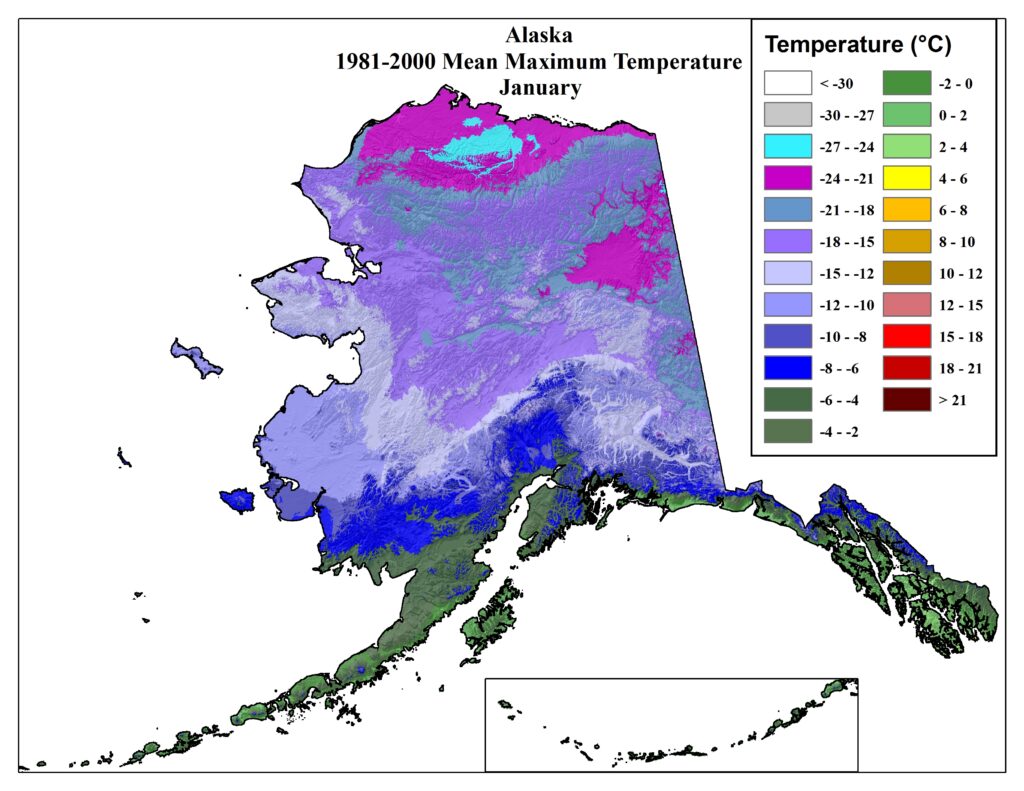
The vast Interior region, encompassing Fairbanks and destinations like Denali National Park, experiences a true continental climate. This means pronounced seasonal temperature extremes. Summers are surprisingly warm, often reaching the 70s and 80s Fahrenheit (21-29°C), with long hours of daylight, fostering vibrant plant growth and offering prime conditions for wildlife viewing, hiking, and exploring the wilderness around Mount Denali, North America’s highest peak. However, winters are famously frigid, with temperatures frequently plummeting to -20°F (-29°C) and often much lower, sometimes reaching -50°F (-46°C). This severe cold, combined with clear skies, makes the Interior one of the best places in the world for viewing the Aurora Borealis and participating in activities like dog mushing and ice sculpting.
The Arctic and Western Coasts: Polar Influences
North of the Arctic Circle and along the Bering and Chukchi Sea coasts, the climate is decidedly polar. Places like Utqiagvik (formerly Barrow) and Nome experience long, intensely cold winters where temperatures rarely rise above freezing for months, and the sun disappears for weeks. Summers are brief and cool, typically in the 30s and 40s Fahrenheit (0-10°C), with persistent fog and biting winds common along the coast. Tourism in these remote areas is highly specialized, focusing on unique cultural experiences with indigenous communities, birdwatching during migration, and observing Arctic wildlife such as polar bears and caribou. Extreme cold weather gear is not just recommended, but essential for survival, and travel is often by small plane or snowmobile.
Seasonal Impacts on Tourism Activities
Alaska’s distinct seasons dictate the rhythm of its tourism industry, each offering a unique set of adventures and natural phenomena.
Summer: The Peak Season of Endless Daylight
From late May to early September, Alaska truly comes alive. The “Land of the Midnight Sun” lives up to its name, with incredibly long daylight hours, particularly in the Interior and Arctic regions, where the sun may not set for weeks. This extended daylight fuels most of Alaska’s popular tourism activities:
- Cruising: Exploring the stunning fjords and glaciers of the Inside Passage or the Gulf of Alaska.
- Wildlife Viewing: Bears (brown, black, and polar), moose, caribou, whales, and various bird species are active.
- Hiking and Backpacking: Trails across national parks like Denali and Kenai Fjords are accessible.
- Fishing: World-class salmon and halibut fishing in rivers and coastal waters.
- Flightseeing: Scenic flights over mountains, glaciers, and wilderness.
- Kayaking and Rafting: Paddling through pristine waters.
Tourists should expect mild temperatures, but still pack layers, as weather can change rapidly. Mosquitoes are prevalent in many areas, especially during warmer spells, necessitating insect repellent.
Autumn: A Brief, Colorful Transition
September and early October offer a magical, albeit brief, transition period. The weather cools, and the foliage explodes into vibrant reds, oranges, and golds, particularly in the Interior.
- Photography: The fall colors against snow-dusted peaks are spectacular.
- Hunting: Popular for locals and some tourists.
- Northern Lights: As darkness returns, especially in Fairbanks, aurora viewing becomes possible.
- Fewer Crowds: A more tranquil experience compared to peak summer.
Tourists should be prepared for significantly cooler temperatures, increasing chances of rain or snow, and shorter daylight hours. Many seasonal businesses begin to close by mid-September.
Winter: The Realm of Ice and Aurora
From late October to April, Alaska transforms into a winter wonderland, offering unique and unforgettable experiences for those brave enough to embrace the cold and darkness.
- Aurora Viewing: The primary draw, especially in the Interior, where clear, dark skies are common.
- Dog Mushing: Experiencing the iconic Iditarod Trail Sled Dog Race or taking shorter tours.
- Skiing and Snowboarding: Resorts near Anchorage (like Alyeska Resort) and vast backcountry opportunities.
- Ice Fishing and Ice Skating: Popular local pastimes.
- Winter Festivals: Events like the Fur Rendezvous in Anchorage or the World Ice Art Championships in Fairbanks.
Extreme cold, heavy snowfall, and limited daylight are the norm. Proper layering, insulated boots, and a warm hat are absolutely essential for enjoying winter activities safely.
Spring: Awakening from the Freeze
April and May are shoulder months when Alaska slowly thaws. Temperatures rise, snow begins to melt, and daylight hours rapidly increase.
- Wildlife Migration: Many bird species return, and animals like moose and bears emerge from hibernation.
- Cross-country Skiing/Snowshoeing: Some trails remain usable, especially at higher elevations.
- Early Hiking: Lower elevation trails become accessible as snow recedes.
This period can be muddy and unpredictable, with a mix of thawing and refreezing. It’s a quieter time for tourism, appealing to those seeking solitude and a glimpse of Alaska’s dramatic reawakening.
Essential Tips for Alaskan Visitors: Adapting to the Weather
Navigating Alaska’s climate requires preparation, but with the right approach, it ensures a comfortable and memorable trip.
Packing for All Seasons, Even in One Day
Regardless of the time of year, layering is the golden rule for dressing in Alaska. Weather can shift dramatically within hours, particularly in coastal and mountainous regions.
- Base Layer: Moisture-wicking synthetics or wool to keep sweat away from the skin.
- Mid-Layer: Fleece or down for insulation.
- Outer Layer: Waterproof and windproof jacket and pants (Gore-Tex or similar).
- Accessories: Warm hat, gloves, and waterproof hiking boots are crucial. Even in summer, a hat and light gloves can be welcome additions, especially for early morning excursions or boat trips.
- Sun Protection: Sunglasses, sunscreen, and lip balm are important year-round due to reflective snow and intense summer sun.
Understanding Daylight and Darkness Cycles
The extreme variations in daylight hours significantly impact the tourist experience.
- Summer: The extended daylight means more time for activities, but can disrupt sleep patterns for some. Consider eye masks for sleeping.
- Winter: Short daylight hours mean more time for aurora viewing, but also require careful planning for outdoor activities to avoid being caught out in the dark. Headlamps are indispensable.
Safety in Extreme Conditions
Alaska’s climate can be unforgiving.
- Cold Weather: Hypothermia is a risk. Dress appropriately, stay dry, and be aware of frostbite symptoms.
- Remote Areas: Cell service is often nonexistent. Inform others of your itinerary, carry emergency supplies, and consider a satellite communication device for backcountry excursions.
- Wildlife Encounters: Be bear-aware, carry bear spray, and know how to use it.
- Road Conditions: Winter roads can be icy and challenging. If driving, ensure your vehicle is properly equipped, or opt for guided tours.
Climate’s Influence on Local Culture and Wildlife Tourism
The challenging yet beautiful Alaskan climate has profoundly shaped its local cultures and remains a primary driver for its unique wildlife tourism.
Cultural Adaptations to the Environment
Indigenous Alaskan cultures, such as the Inupiat and Yup’ik in the Arctic, and the Tlingit and Haida in the Southeast, have developed sophisticated ways of life adapted to the specific conditions of their regions. Their traditional housing, food preservation techniques, clothing, and subsistence hunting and fishing practices are all direct responses to the climate. Tourists can experience this rich heritage through cultural centers, village tours, and festivals, gaining insight into how communities thrive amidst the elements. Traditional crafts, influenced by available natural resources, also reflect this deep connection to the land and its climate.
Wildlife Viewing Through the Seasons
Alaska’s climate dictates wildlife behavior and migration patterns, thus influencing the best times for viewing.
- Bears: Best seen in summer when they are actively feeding on salmon in rivers like Brooks Falls or foraging in berry patches.
- Whales: Various species migrate through Alaskan waters from spring to fall. Orcas and humpbacks are common in summer.
- Moose and Caribou: Can be seen year-round, but calving season in spring and fall migrations offer unique viewing opportunities.
- Birds: Millions of migratory birds flock to Alaska’s wetlands and coasts in spring and summer to breed.
Understanding these seasonal shifts enhances the chances of a successful wildlife encounter and highlights the intricate relationship between Alaska’s climate and its vibrant ecosystem. For tourists, it transforms a simple trip into an ecological learning experience, showcasing nature’s resilience and adaptability.