
The question of whether a state is “compact” has significant implications for professionals seeking to practice across state lines. For nurses, this concept is particularly relevant, as it directly impacts the ease and legality of their mobility. The Nurse Licensure Compact (NLC) is an interstate agreement that allows nurses to hold a single multistate license, enabling them to practice in any other NLC member state without needing to obtain a separate license in each one. This streamlines the process for travel nurses, temporary assignments, and those relocating, fostering a more dynamic and responsive healthcare workforce. Understanding if a specific state, like Oregon, is part of this compact is crucial for nurses contemplating career moves or opportunities.
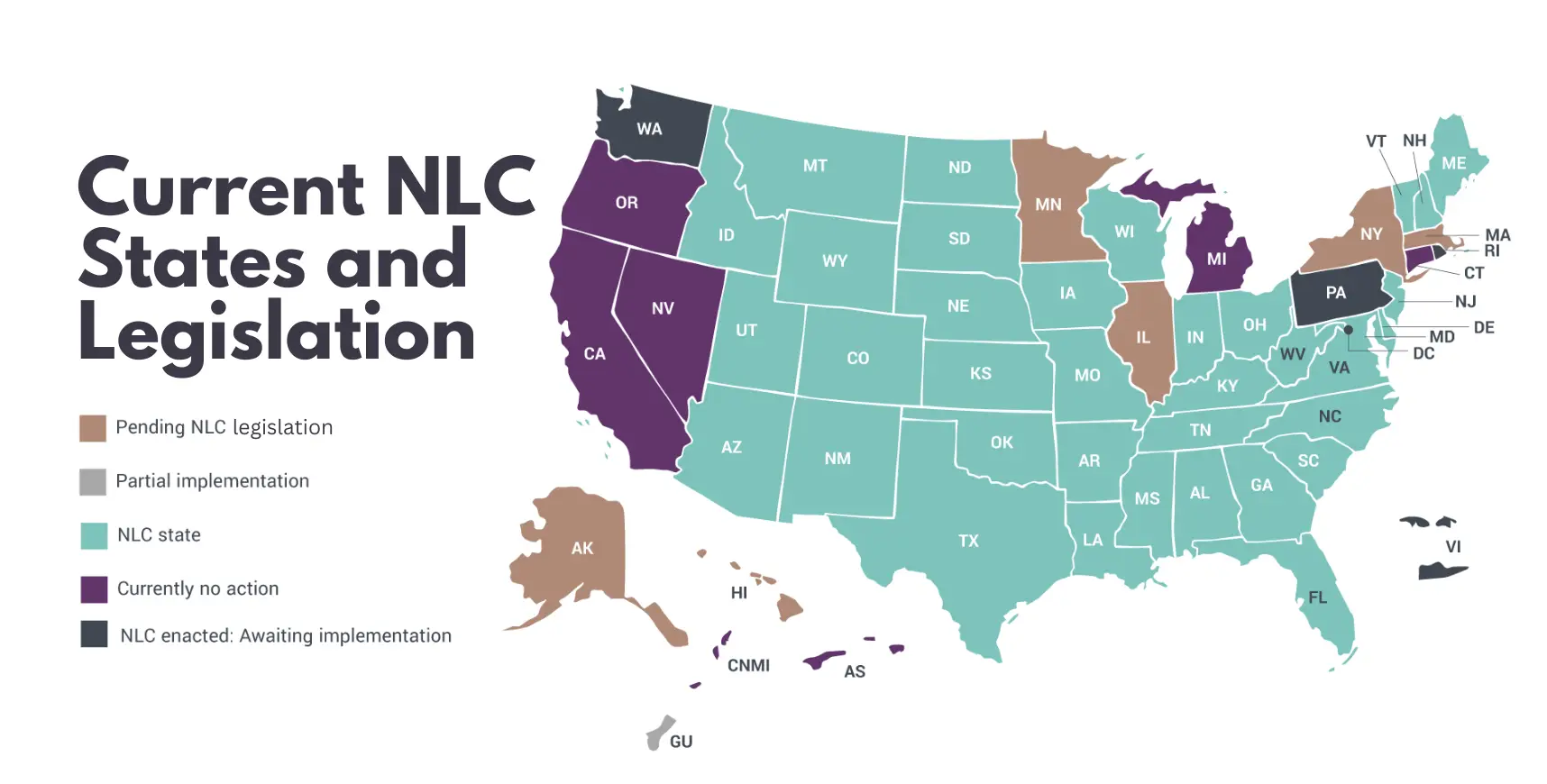
The evolution of the NLC, first established in 2000, has been a gradual but impactful process. Initially, a smaller number of states adopted the compact, but its benefits have led to increasing adoption. The primary goal is to facilitate the sharing of information between states regarding nurse licensure and disciplinary actions, thereby enhancing public protection. For nurses, it simplifies the process of taking jobs in different states, reducing the time and expense associated with multistate licensure. This mobility is particularly advantageous for specialized nurses or those in high-demand fields who may find lucrative and rewarding opportunities across the nation. The NLC’s framework ensures a standardized approach to licensure requirements, promoting a consistent level of competency among nurses practicing under its provisions.
Understanding the Nurse Licensure Compact
The Nurse Licensure Compact (NLC) is a groundbreaking agreement among U.S. states that allows nurses to have one multistate license. This license permits them to practice in any other NLC member state. The fundamental principle behind the NLC is the “uniform licensing requirements.” This means that all NLC states agree on a standardized set of qualifications that nurses must meet to obtain a multistate license. These requirements typically include graduating from an approved nursing program, passing the NCLEX examination, holding an active and unencumbered license in their primary state of residence, and undergoing a criminal background check.
The “multistate license” is the key feature. A nurse who holds a multistate license in their “primary state of residence” can practice in any other NLC state without having to apply for a new license. Their home state is responsible for verifying their credentials and managing any disciplinary actions. This significantly reduces the bureaucratic hurdles that previously existed for nurses wishing to work across state borders. The NLC ensures that the nurse’s license is valid in all participating states, provided they maintain their primary state of residence in an NLC member state.
Benefits for Nurses
The advantages of the NLC for nurses are manifold and directly impact their career trajectory and flexibility.
Increased Job Mobility and Flexibility
Perhaps the most significant benefit is the enhanced ability for nurses to move and work across state lines with relative ease. This is particularly advantageous for travel nurses who take on short-term assignments in various locations. Instead of navigating the complex and time-consuming process of obtaining licensure in each new state, they can simply work under their existing multistate license. This flexibility allows them to pursue opportunities in diverse settings, gain experience in different healthcare systems, and explore new regions without the impediment of licensure delays. For nurses considering relocation for personal or professional reasons, the NLC removes a major obstacle.
Reduced Costs and Administrative Burden
Obtaining and maintaining individual licenses in multiple states can be expensive and administratively burdensome. Each state often has its own application fees, renewal fees, and continuing education requirements. The NLC consolidates these costs and administrative tasks into a single process, managed by the nurse’s primary state of residence. This not only saves nurses money but also frees up their time and energy to focus on patient care and professional development. The simplified renewal process further streamlines the management of their credentials.
Expanded Career Opportunities
The NLC effectively expands the job market for nurses. They are no longer limited to opportunities within their home state or in states where they have painstakingly acquired a separate license. This can lead to access to a wider range of specialized positions, higher-paying roles, and positions in areas experiencing critical nursing shortages. For nurses with in-demand specialties, such as critical care, oncology, or psychiatric nursing, the NLC can open doors to more diverse and rewarding career paths.
Enhanced Public Protection
While primarily focused on nurse mobility, the NLC also contributes to public safety. The compact facilitates the sharing of disciplinary information among member states. This means that if a nurse faces disciplinary action in one NLC state, that information is accessible to other NLC states, preventing a nurse who has had their license restricted or revoked in one state from easily obtaining a license and practicing in another. This coordinated approach to regulation enhances the overall safety of the nursing profession and protects the public from unqualified or unsafe practitioners.
Oregon’s Status within the NLC Framework
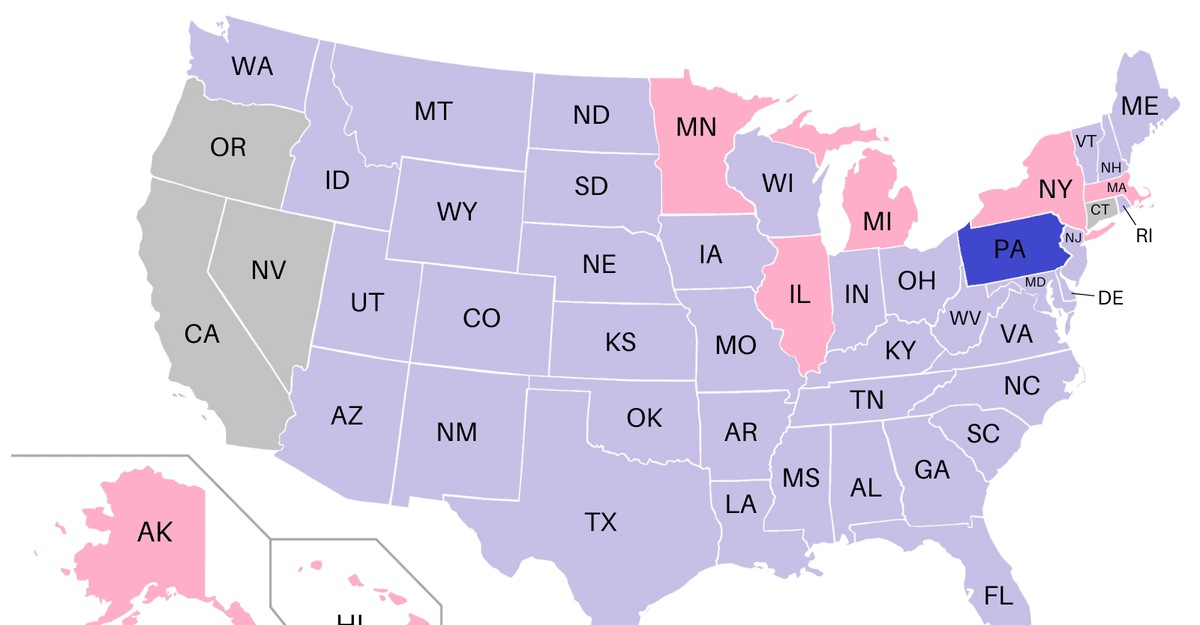
The question of whether Oregon is a compact state for nursing hinges on its participation in the Nurse Licensure Compact. As of the current landscape of nursing licensure, Oregon is NOT a member of the Nurse Licensure Compact (NLC). This means that nurses wishing to practice in Oregon must obtain a single-state license issued by the Oregon State Board of Nursing. Similarly, nurses licensed in Oregon who wish to practice in an NLC member state will need to obtain a multistate license from one of those compact states if they establish residency there.
This distinction has significant implications for nurses who are considering taking assignments in Oregon, relocating to the state, or currently practicing in Oregon and looking to expand their practice to other states. The process for obtaining an Oregon nursing license involves a specific application with the Oregon Board of Nursing, which includes meeting their unique educational, examination, and endorsement requirements. This process can take time and involves state-specific fees and procedures.

Implications for Nurses Practicing in or Traveling to Oregon
For nurses contemplating a move to Oregon or seeking short-term assignments in the state, understanding its non-compact status is paramount. The primary consequence is the need to undergo the state’s individual licensure process.
The Licensure Process in Oregon
If Oregon is not a member of the NLC, nurses must apply for an individual Oregon nursing license. This process typically involves several steps:
- Application Submission: Completing the official application form provided by the Oregon State Board of Nursing.
- Verification of Education: Submitting official transcripts from nursing education programs.
- NCLEX Examination: Demonstrating successful completion of the NCLEX examination.
- Background Check: Undergoing a criminal background check and fingerprinting.
- Fees: Paying the required application and licensing fees to the Oregon Board of Nursing.
- Endorsement (if applicable): If a nurse is already licensed in another state, they may need to have their current license endorsed by Oregon, which involves the Oregon Board of Nursing verifying their credentials with their original licensing board.
This process can be time-consuming, and nurses should begin the application well in advance of their intended start date. Delays in licensure can impact employment opportunities and travel plans.
Impact on Travel Nursing Opportunities
Travel nurses seeking assignments in Oregon will need to factor in the time and effort required to obtain an Oregon nursing license. While travel nursing agencies often assist with this process, the responsibility ultimately lies with the nurse. This can make Oregon a less immediate option for last-minute travel assignments compared to states that are part of the NLC. However, for longer-term travel nursing contracts, the investment in obtaining an Oregon license is often worthwhile.
For Oregon-Based Nurses
Nurses who are licensed in Oregon and wish to practice in an NLC state will need to determine their primary state of residence. If they establish residency in an NLC state, they would then apply for a multistate license in that new state. If Oregon were to join the NLC in the future, this would significantly simplify the process for nurses already holding an Oregon license to practice in other compact states, provided they meet the requirements for a multistate license.
Navigating Multistate Licensure Beyond the Compact
While Oregon‘s current lack of NLC membership presents a specific scenario, it is important for nurses to understand the broader landscape of multistate licensure and how to navigate it effectively. For nurses whose careers involve working in multiple states, understanding the NLC and its participating states is crucial. Staying informed about which states are members and which are not allows for strategic career planning.
The Nurse Licensure Compact is not static; states can join or leave the compact over time. Therefore, nurses should regularly consult official resources, such as the National Council of State Boards of Nursing (NCSBN) website, for the most up-to-date information on NLC participation. Changes in a state’s compact status can significantly alter the licensure requirements for nurses.
The Process of Obtaining a Single-State License
For states that are not part of the NLC, such as Oregon, the process of obtaining a single-state license is the standard and required pathway. This involves a direct application to the state’s Board of Nursing. Key aspects of this process include:
- Understanding State-Specific Requirements: Each state has its own set of rules regarding continuing education, renewal periods, and any specific practice acts or regulations that nurses must adhere to.
- Timeliness: It is vital to start the licensure application process as early as possible. Processing times can vary significantly between states, and delays can lead to missed job opportunities.
- Accuracy and Completeness: Ensuring all information provided on the application is accurate and all required documentation is submitted correctly is critical to avoid rejection or further delays.
The Future of Multistate Licensure and Oregon
The NLC continues to evolve, with more states considering and adopting the compact. While Oregon is not currently a member, the landscape of nursing licensure is dynamic. Discussions about interstate licensure mobility are ongoing across the healthcare industry, driven by the need for a flexible and responsive nursing workforce.
Nurses who are interested in the potential for Oregon to join the NLC can stay informed by following legislative updates and announcements from the Oregon State Board of Nursing and relevant professional organizations. Should Oregon decide to join the NLC, it would be a significant development, streamlining the process for nurses wishing to practice in or from the state. Until then, the existing single-state licensure pathway remains the operative method for nurses to practice within the state of Oregon. Understanding this distinction is fundamental for any nurse considering practicing in this beautiful Pacific Northwest state.
LifeOutOfTheBox is a participant in the Amazon Services LLC Associates Program, an affiliate advertising program designed to provide a means for sites to earn advertising fees by advertising and linking to Amazon.com. Amazon, the Amazon logo, AmazonSupply, and the AmazonSupply logo are trademarks of Amazon.com, Inc. or its affiliates. As an Amazon Associate we earn affiliate commissions from qualifying purchases.