
Alaska, the United States’ largest state, is a land of unparalleled natural beauty and immense geographical diversity. This vastness directly translates into a climate that is far from uniform, challenging any notion of a single “average.” For travelers planning an adventure to the Last Frontier, understanding these regional climatic differences and seasonal variations is paramount to a successful and enjoyable trip. Alaska’s climate dictates everything from the types of activities available to the best time for wildlife viewing, making it a crucial element of any travel guide.
Diverse Climates Across the Last Frontier
Rather than a single average, Alaska can be broadly divided into several distinct climatic zones, each with its own characteristic weather patterns, temperatures, and precipitation levels. These zones are primarily influenced by proximity to the ocean, mountain ranges, and latitude.
Coastal Climate: Southcentral and Southeast Alaska
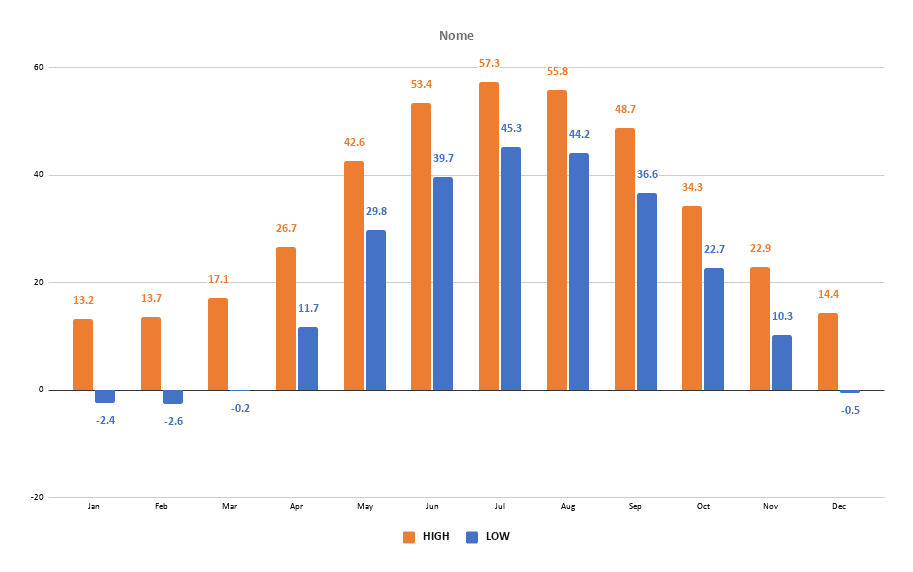
The coastal regions, particularly Southeast Alaska and much of Southcentral Alaska, experience a maritime climate. This means milder winters and cooler summers compared to interior regions, with significant precipitation. Southeast Alaska, renowned for its Inside Passage cruises, including cities like Juneau and Ketchikan, is often characterized by temperate rainforests. Winters are wet and mild, with temperatures typically hovering around freezing, while summers are cool and often cloudy, averaging 55-65°F (13-18°C). Rainfall is abundant year-round, making waterproof gear essential.
Further west in Southcentral Alaska, encompassing major population centers like Anchorage and the Kenai Peninsula, the climate is also maritime but with more continental influence. Winters are colder than the southeast but still relatively mild compared to the interior, with plenty of snow and temperatures typically ranging from 10-30°F (-12 to -1°C). Summers are pleasant, often sunny, with average temperatures in the 60s°F (15-20°C), though occasional highs can reach the 70s°F (21-26°C). The proximity to large bodies of water, like Cook Inlet and the Gulf of Alaska, moderates temperatures significantly.
Interior Climate: Fairbanks and Beyond
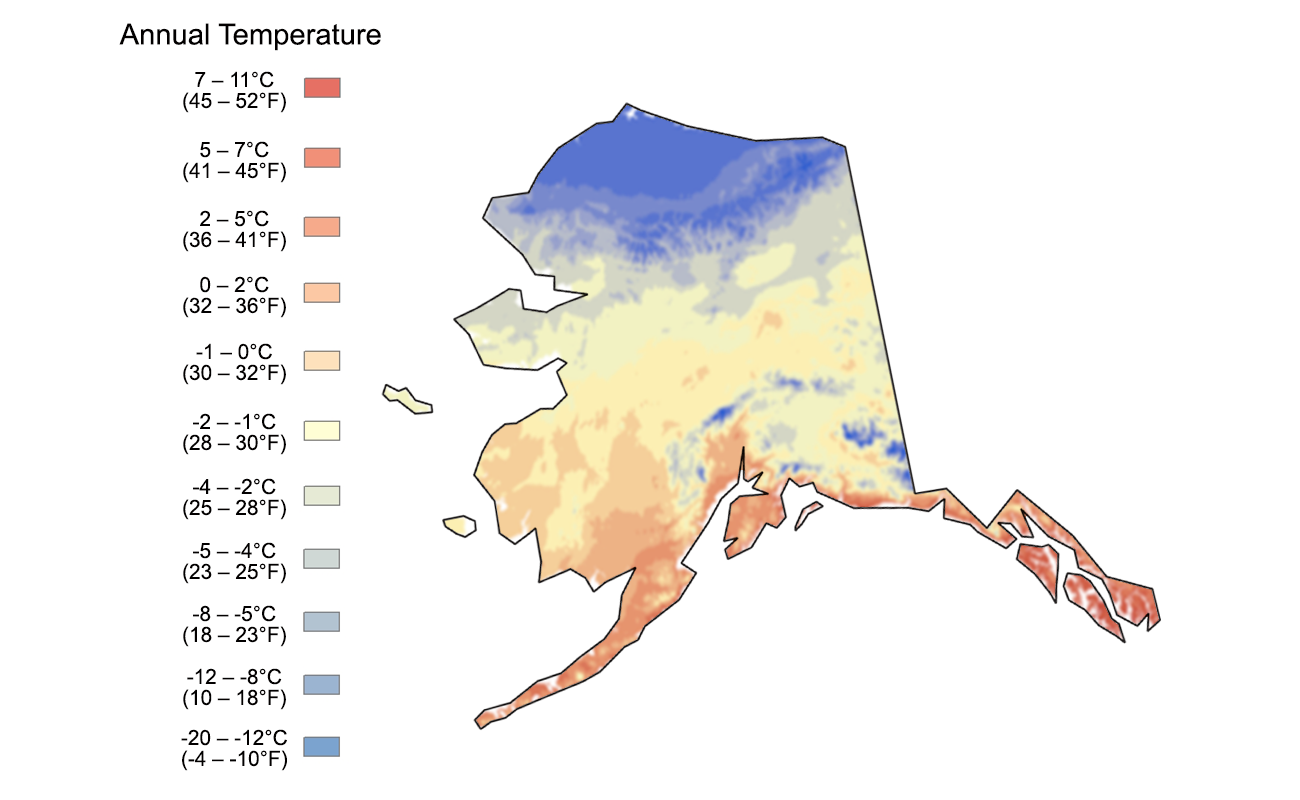
Venture inland, and the climate transforms dramatically. The vast interior of Alaska, home to cities like Fairbanks and much of the area surrounding Denali National Park, experiences an extreme continental climate. This region is characterized by very cold, dry winters and surprisingly warm, short summers. Winter temperatures can plummet to -20°F to -40°F (-29 to -40°C) or even colder, with limited daylight hours. Snowfall is substantial but often less than coastal areas due to drier air. Summers, however, are a stark contrast. Average daytime temperatures in July range from 60-70°F (15-21°C), but it’s not uncommon for highs to reach the 80s°F (27-32°C). The interior also benefits from extended daylight during summer, with 24 hours of daylight around the summer solstice. Precipitation is generally lower than in coastal regions, often occurring as thunderstorms in summer.
Arctic Climate: The Far North
North of the Brooks Range and extending to the Arctic Ocean, Alaska enters the frigid arctic climate zone. This region, encompassing places like Utqiagvik (formerly Barrow), is characterized by extremely long, cold winters and very short, cool summers. Temperatures remain below freezing for most of the year. Winters see average temperatures between -10°F and -20°F (-23 to -29°C), often dropping much lower, accompanied by strong winds and continuous darkness for several months. Summers are brief, with average temperatures struggling to reach above 30-40°F (-1 to 4°C). The ground is permanently frozen (permafrost), and precipitation is minimal, making it a polar desert. Travel to this region is highly specialized and demands meticulous preparation for extreme cold.
Western and Southwestern Climate: Transition Zones
Western and Southwestern Alaska, including the Aleutian Islands and coastal areas along the Bering Sea and Bristol Bay, exhibit a subpolar oceanic climate. This area acts as a transition zone between the maritime and arctic climates, often experiencing highly volatile weather. Winds are a dominant factor, frequently strong and bringing rapid changes. Winters are cold and stormy, with temperatures generally above 0°F (-18°C) but often feeling much colder due to wind chill. Summers are cool and wet, with temperatures typically in the 40s-50s°F (4-15°C). The Aleutian Islands are particularly notorious for their persistent fog, strong winds, and frequent storms, making them a challenging but uniquely beautiful destination for experienced adventurers.
Seasonal Variations and What to Expect
Understanding the distinct seasons in Alaska is vital for any traveler. Each season offers unique experiences and challenges, largely dictated by the prevailing climate.
Summer (June-August): The Peak Travel Season
Summer is by far the most popular time to visit Alaska, offering the mildest temperatures, longest daylight hours, and the widest array of accessible activities. Wildlife is active, cruise ships operate at full capacity, and all major attractions, including national parks, are open.
- Temperatures: Generally range from 50-70°F (10-21°C) across most popular travel regions, with interior areas often warmer.
- Daylight: Extremely long daylight hours, approaching 24 hours of light in the northern parts, facilitate extensive exploration.
- Activities: Ideal for hiking, fishing, kayaking, glacier viewing, wildlife cruises, and exploring cities like Anchorage and Juneau. While generally pleasant, travelers should still pack layers, as weather can change quickly, especially in mountainous or coastal areas.
Autumn (September-October): A Brief but Beautiful Transition
Autumn in Alaska is short-lived but spectacular, marked by vibrant fall foliage and a noticeable drop in temperatures. It’s a quieter time to visit, with fewer crowds and potentially lower prices.
- Temperatures: Begin to cool significantly, ranging from 30-50°F (-1 to 10°C), with interior regions experiencing the first frosts.
- Daylight: Days shorten rapidly, and the aurora borealis becomes visible again.
- Activities: Excellent for photography, enjoying the changing colors, and potentially spotting wildlife preparing for winter. Some tours and services may begin to wind down by late September or October.
Winter (November-March): A Land of Snow and Ice
Alaska’s winter is a season of profound beauty and extreme cold, transforming the landscape into a pristine white wilderness. While challenging, it offers unique experiences not available at other times of the year.
- Temperatures: Widely vary, from 10-30°F (-12 to -1°C) in coastal areas to -20°F (-29°C) and below in the interior and arctic regions.
- Daylight: Very short days, or continuous darkness in the far north. This darkness, however, provides the best opportunity to witness the northern lights.
- Activities: Dog sledding, snowmobiling, ice fishing, skiing, snowboarding, and aurora viewing, particularly around Fairbanks, which is ideally situated under the “aurora oval.”
Spring (April-May): Thaw and Reawakening
Spring is a season of transition, often characterized by thawing snow, rising river levels, and the gradual return of daylight. It can be a muddy time in many areas but also offers a glimpse of Alaska reawakening.
- Temperatures: Gradually climb from 20-50°F (-7 to 10°C), but freezing nights are still common.
- Daylight: Rapidly increasing daylight, quickly leading back to long summer days.
- Activities: Opportunities for late-season skiing, early hiking (on higher ground), and observing migratory birds returning. Many seasonal businesses begin to open in late May.
Preparing for Alaska’s Weather: A Traveler’s Guide
Regardless of when or where you travel in Alaska, proper preparation for its often unpredictable weather is crucial. The saying, “If you don’t like the weather, wait five minutes,” holds particularly true here.
Packing Essentials for Any Season
Layering is the golden rule for dressing in Alaska. Even in summer, a warm jacket, fleece, and rain gear are essential. For winter, extreme cold-weather gear, including insulated boots, heavy parkas, gloves, hats, and thermal base layers, is non-negotiable. Waterproof outerwear is recommended year-round, especially in coastal areas and for activities like glacier tours. Sun protection (sunglasses, sunscreen) is also important due to high UV reflection off snow and glaciers, even on cloudy days.
Best Time to Visit Based on Activity
Your ideal travel time will heavily depend on your desired activities:
- Wildlife Viewing: Late May through September offers the best chances to see bears, moose, caribou, and marine mammals.
- Cruising: June to August is the prime season for Inside Passage cruises.
- Hiking/Backpacking: July and August offer the most favorable trail conditions and fewer mosquitoes.
- Northern Lights: Late August to April, with the darkest and clearest nights between November and March, particularly in the interior.
- Winter Sports: December to March for dog mushing, snowmobiling, and skiing.
Understanding Daylight Hours
The extreme variation in daylight hours significantly impacts the travel experience. Summer’s nearly perpetual daylight allows for extended touring and activities, while winter’s short days or continuous darkness require careful planning, especially for outdoor excursions. Travelers should be aware of how daylight (or lack thereof) will affect their daily schedules and energy levels.
Impact on Travel Experiences
Alaska’s climate doesn’t just dictate what you wear; it fundamentally shapes the travel experience itself.
Wildlife Viewing and Climate
The seasonal climate dictates animal behavior and visibility. Bears emerge from hibernation in spring, feast on salmon in summer, and retreat in fall. Migratory birds arrive in spring and summer. Understanding these cycles in relation to climate helps travelers target their visits for optimal viewing opportunities. For instance, Katmai National Park‘s famous brown bears are best observed fishing during the summer salmon runs.
Outdoor Adventures and Climate Considerations
Many of Alaska’s signature activities are directly tied to its climate. Glacier trekking is best during cooler, stable summer conditions. River rafting depends on glacial meltwater levels. Mountain climbing in ranges like the Alaska Range (home to Denali) requires precise weather windows and extreme cold weather expertise. Snow and ice provide the canvas for winter sports. Adverse weather can lead to delays or cancellations of flights, boat tours, and road closures, particularly in remote areas, emphasizing the need for flexibility in travel plans.
Cruising vs. Land-Based Exploration
The choice between a cruise and a land-based tour often comes down to climatic comfort and access. Cruising the Inside Passage offers a relatively mild experience, focusing on protected waterways with often cooler, rainy weather. Land-based tours, especially those venturing into the interior, expose travelers to a greater range of climatic conditions, from the coastal maritime influence near Anchorage to the extreme continental climate around Denali National Park and Fairbanks. Each offers distinct advantages, but both demand an appreciation for Alaska’s diverse and powerful weather systems.
In conclusion, there is no single “average climate” in Alaska. Instead, it is a mosaic of distinct microclimates and powerful seasonal shifts. Successful travel to this magnificent state hinges on understanding these nuances and preparing accordingly, ensuring an unforgettable adventure in a truly wild and captivating land.
LifeOutOfTheBox is a participant in the Amazon Services LLC Associates Program, an affiliate advertising program designed to provide a means for sites to earn advertising fees by advertising and linking to Amazon.com. Amazon, the Amazon logo, AmazonSupply, and the AmazonSupply logo are trademarks of Amazon.com, Inc. or its affiliates. As an Amazon Associate we earn affiliate commissions from qualifying purchases.