
New York City’s subway system is the lifeblood of the metropolis, a vast and intricate network that transports millions of commuters and tourists daily. For anyone navigating the bustling streets of Manhattan, Brooklyn, Queens, or the Bronx, understanding the sheer scale of this public transit behemoth is crucial. The question of “How many subway stations in New York City?” is more than just a number; it speaks to the accessibility, connectivity, and urban planning that defines this iconic city. Delving into the specifics of the Metropolitan Transportation Authority (MTA) operations reveals a dynamic and ever-evolving system.

The Grand Scale of the NYC Subway
The New York City Subway is renowned globally for its extensive reach and the sheer volume of its operations. It is the largest rapid transit system in the world by the number of stations, making it an indispensable part of daily life for New Yorkers and a critical gateway for visitors exploring the city’s diverse attractions.
Station Count: An Evolving Figure
Pinpointing an exact, static number for the subway stations can be a nuanced endeavor. The MTA officially operates 472 active subway stations. This figure represents the stations that are currently in service and accessible to the public for boarding and alighting. However, this number can fluctuate slightly due to various factors, including temporary closures for maintenance, renovations, or the occasional permanent discontinuation of a station deemed obsolete or redundant.
It’s important to distinguish between active stations and the total number of physical station entrances. A single station complex, especially in densely populated areas like Times Square, can comprise multiple entrances and exits, leading to a larger count of street-level access points than the actual number of distinct operational stations. These entrances are vital for the accessibility of the system, ensuring that different parts of a neighborhood or transit hub are connected.
Geographic Distribution: A Borough-Spanning Network
The 472 stations are not evenly distributed across the five boroughs. The majority are concentrated in the most populous areas, reflecting historical development and population density.
- Manhattan: As the commercial and cultural heart of the city, Manhattan boasts the highest concentration of subway stations. From the northern tip of the island down to its southern extremity, Manhattan is laced with lines and stops, ensuring that almost every neighborhood is within a reasonable walking distance of a station. Iconic locations like Central Park, Empire State Building, and Wall Street are all easily accessible via the subway.
- Brooklyn: The most populous borough, Brooklyn, also features a substantial number of stations, particularly in its central and western areas. These stations connect the borough to Manhattan and serve the vast residential and commercial hubs within Brooklyn itself, from DUMBO to Park Slope.
- Queens: Stretching across a large geographical area, Queens has a significant, though less dense, network of stations. The development of the subway into Queens has historically followed population growth and the expansion of residential areas. Major hubs and neighborhoods like Flushing, Jackson Heights, and the vicinity of Shea Stadium (now Citi Field) are well-served.
- The Bronx: The northernmost borough, The Bronx, is also connected to the subway system, primarily in its southern and western regions. These lines provide essential transit links for residents and connect them to the rest of the city.
- Staten Island: While Staten Island has its own public transportation, including a popular free ferry, it is not directly served by the subway system. Its residents rely on buses and the ferry to connect to the subway network in Manhattan.
Historical Context and Future Expansion
The NYC Subway system did not spring into existence fully formed. Its origins date back to the early 20th century, with the first underground line opening in 1904. Over the decades, numerous lines were built, extended, and sometimes merged, leading to the complex web we see today. The development of stations has always been tied to urban planning, population shifts, and technological advancements.
Future expansion and station development are ongoing considerations for the MTA. Projects, though often complex and costly, aim to improve service, reach underserved areas, and modernize existing infrastructure. The addition of new stations or the rehabilitation of existing ones is a testament to the enduring importance of the subway as a primary mode of transport in New York City.
Navigating the Stations: A Traveler’s Perspective
For visitors and even seasoned locals, understanding the station count and distribution is key to efficient travel. Each station is a portal to a specific neighborhood, offering access to unique experiences, attractions, and dining opportunities.

Station Design and Accessibility
The design of subway stations varies considerably across the system, reflecting their age and the era of construction. Older stations, particularly those in Manhattan, often feature intricate tilework, vaulted ceilings, and classic signage. Newer additions and renovated stations prioritize modern aesthetics and, crucially, accessibility.
The Americans with Disabilities Act (ADA) has driven significant efforts to make the NYC Subway more accessible. While a substantial number of stations are now equipped with elevators or ramps, a notable portion of the system still presents challenges for individuals with mobility issues. The MTA is continually working to upgrade stations to meet ADA compliance, a long and complex undertaking given the age and underground nature of much of the infrastructure. Knowing which stations are accessible can be vital for planning a seamless journey.
Key Stations and Transfer Points
Certain stations are pivotal hubs within the subway network, serving as major transfer points where multiple lines converge. These stations are often characterized by their sheer size, extensive platforms, and high passenger volume.
- Times Square–42nd Street: Arguably the busiest and most complex station in the system, it serves numerous lines and connects to other transit options like the Port Authority Bus Terminal. Its role in facilitating travel across Manhattan and to outer boroughs is immense.
- Grand Central–42nd Street: Beyond its iconic Grand Central Terminal landmark, this station is a major subway interchange, connecting passengers to key lines serving Midtown and beyond.
- Union Square–14th Street: This station is a vital nexus for riders in downtown Manhattan, offering transfers between several important lines that serve both uptown and downtown destinations.
- Atlantic Av–Barclays Center: Located in Brooklyn, this is a critical transfer point for the borough, connecting to lines that fan out across Brooklyn and into Manhattan, and serving the events at Barclays Center.
These transfer points are not just places to switch trains; they are often vibrant hubs of activity, with shops, concessions, and a constant flow of people reflecting the city’s diverse population.
Beyond the Numbers: The Subway Experience
The number of stations—472—is a statistic, but the experience of traversing them is deeply ingrained in the fabric of New York City life. Each station tells a story, from the graffiti-adorned walls of older, less-renovated stops to the sleek, modern designs of newly constructed ones.
Art and Culture Underground
Many NYC Subway stations have become canvases for public art. The MTA Arts & Design program commissions artists to create permanent and rotating installations, transforming utilitarian spaces into galleries. From intricate tile mosaics to expansive murals, these artworks enhance the commuting experience and add a unique cultural dimension to the underground journey. Stations like the 59th Street–Columbus Circle and 125th Street stations are notable for their artistic contributions.
The Pulse of the City
The stations are more than just points on a map; they are micro-communities. You’ll find street performers, vendors, and a constant stream of individuals from all walks of life. The sounds, smells, and sights of the subway stations are a quintessential part of the New York experience. For tourists, it’s an opportunity to observe authentic city life, a stark contrast to the curated experiences often found in more tourist-centric areas.
Planning Your Journey
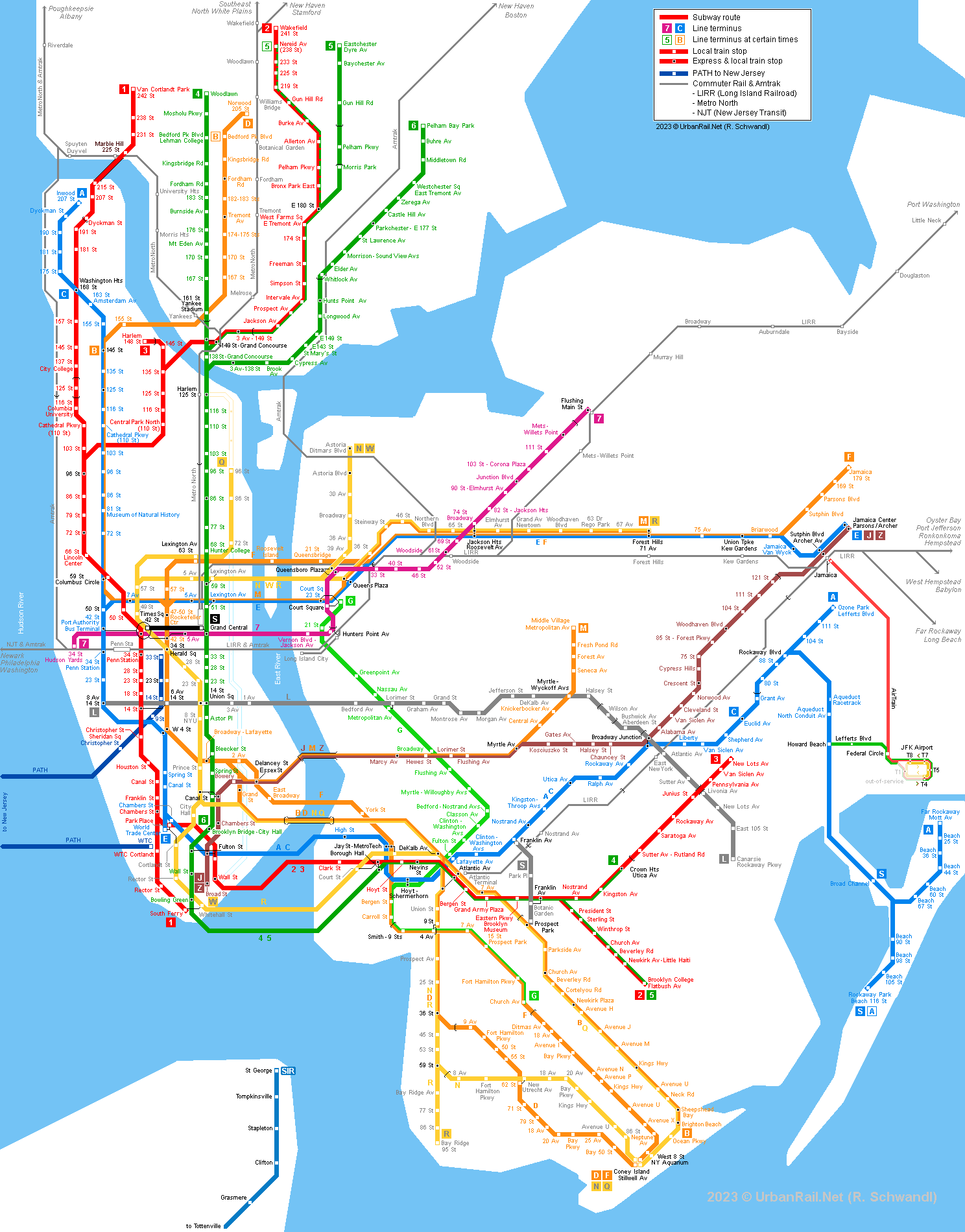
With hundreds of stations, effective navigation is paramount. The MTA provides extensive resources, including maps, real-time arrival information via apps, and a trip planner. Understanding the line colors, numbers, and directions (uptown/downtown, Brooklyn-bound, Queens-bound, etc.) is essential for efficient travel. Many stations also feature detailed maps of the surrounding neighborhood, helping travelers orient themselves upon exiting the system. The sheer number of stations, while impressive, underscores the need for a well-informed approach to using the NYC Subway system to its fullest potential.
LifeOutOfTheBox is a participant in the Amazon Services LLC Associates Program, an affiliate advertising program designed to provide a means for sites to earn advertising fees by advertising and linking to Amazon.com. Amazon, the Amazon logo, AmazonSupply, and the AmazonSupply logo are trademarks of Amazon.com, Inc. or its affiliates. As an Amazon Associate we earn affiliate commissions from qualifying purchases.