
Embarking on a journey to Alaska promises an unparalleled adventure, a land of rugged wilderness, breathtaking glaciers, and vibrant cultures. Yet, one of the most fundamental, often overlooked, aspects of planning any trip to the Last Frontier is understanding its unique time zone. Far removed from the continental United States and stretching across vast longitudes, Alaska’s time offers a distinct challenge and opportunity for travelers. Knowing “what time it is in Alaska right now” isn’t just about synchronizing your watch; it’s about optimizing your travel itinerary, managing potential jet lag, and fully immersing yourself in the rhythm of this extraordinary destination. From coordinating flight connections to maximizing daylight for your Denali National Park expedition or midnight sun experiences, a solid grasp of Alaska Standard Time (AKST) or Alaska Daylight Time (AKDT) is crucial for a seamless and rewarding travel experience.

Deciphering Alaska’s Unique Time Zones for Travelers
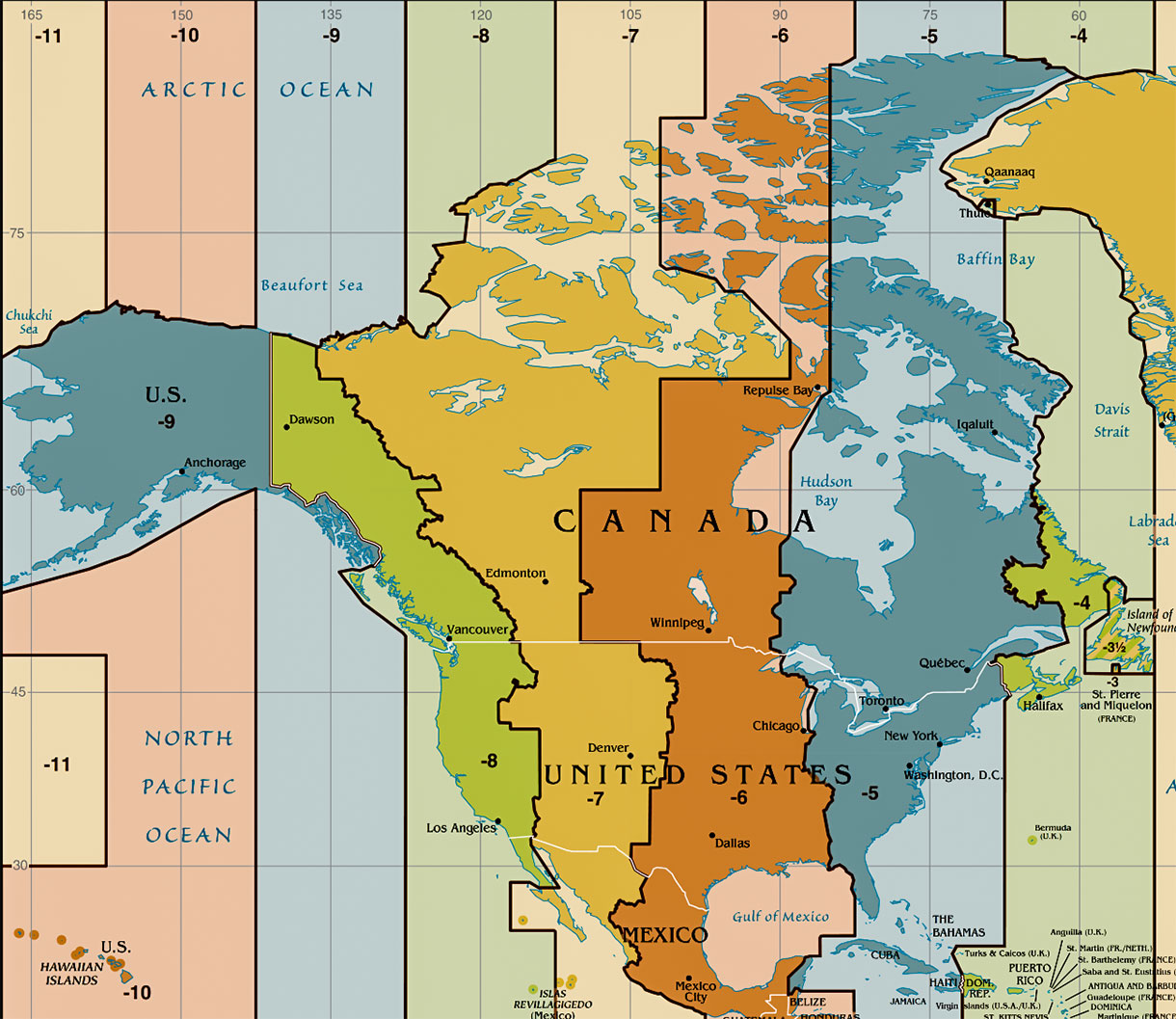
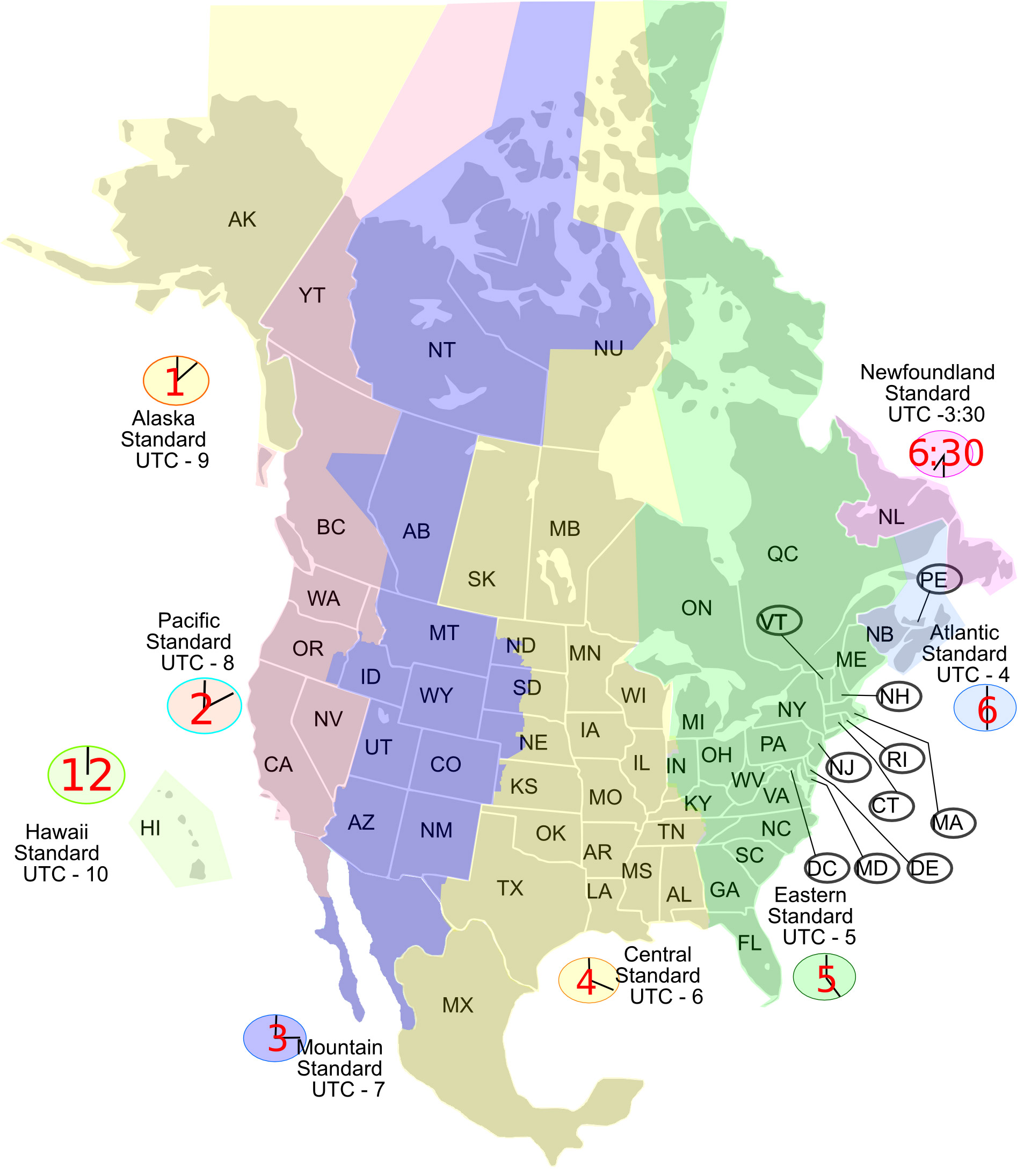
Alaska predominantly operates on Alaska Standard Time (AKST) during the winter months and Alaska Daylight Time (AKDT) in the summer. AKST is UTC-9, meaning it is nine hours behind Coordinated Universal Time. When Daylight Saving Time is observed, the clocks spring forward an hour, making it AKDT, which is UTC-8. This places Alaska one hour behind the Pacific Time Zone, four hours behind the Eastern Time Zone, and anywhere from five to six hours behind many European cities. The sheer geographical expanse of Alaska is a primary reason for its distinct time zone, positioning it significantly westward even within the larger North American continent.
However, there’s a small but significant exception for intrepid travelers venturing to the westernmost Aleutian Islands and St. Lawrence Island. These remote areas observe Hawaii-Aleutian Standard Time (HAST), which is UTC-10 during standard time and Hawaii-Aleutian Daylight Time (HADT), UTC-9 during daylight saving. While most travelers will stick to the main Alaskan landmass, those planning an extreme westward adventure should be mindful of this additional shift. Understanding this temporal landscape is the first step in crafting an efficient and enjoyable itinerary, allowing you to anticipate shifts and prepare for the unique daylight patterns Alaska is famous for.
Strategic Itinerary Planning: Mastering the Alaskan Clock
For travelers, the time difference can be both a blessing and a challenge. Strategic planning becomes paramount to make the most of your journey through Alaska’s vast landscapes and experiences.
Navigating Jet Lag and Arrival Adjustments
The significant time difference, especially for those arriving from the Eastern United States or international destinations, can lead to substantial jet lag. When flying into cities like Anchorage or Fairbanks, adjusting quickly is key. Experts recommend starting to shift your sleep schedule a few days before departure, moving it closer to Alaskan time. Upon arrival, immediately set your watch to local time. Exposure to natural light during Alaskan daytime hours and avoiding heavy meals or excessive alcohol can aid in faster acclimation. Prioritizing rest on your first day can prevent exhaustion from overshadowing early experiences.
Maximizing Daylight and Activity Schedules
Alaska’s extreme seasonal daylight variations — from the seemingly endless summer days of the midnight sun to the brief, vibrant winter light — interact uniquely with its time zone. During summer (AKDT), the long daylight hours mean that 9 PM can feel like mid-afternoon, offering extended opportunities for outdoor activities such as hiking in Chugach State Park, fishing charters out of Seward, or wildlife cruises in Prince William Sound. Travelers can schedule activities well into what would be nighttime elsewhere. Conversely, during winter (AKST), daylight is precious. Tours for Northern Lights viewing in Fairbanks often begin in the late evening, making early adjustment to the dark hours crucial. Your internal clock will need to adapt to these shifts, influencing when you naturally feel hungry, tired, or energetic.
Synchronizing with Local Services and Tours
Local businesses, tour operators, and restaurants in popular destinations like Juneau, Ketchikan, or the Kenai Peninsula operate on Alaskan time. For travelers, this means confirming booking times for excursions, checking restaurant opening hours, and being mindful of transportation schedules, particularly for the Alaska Marine Highway System or regional flights. Missing a connection or a pre-booked tour due to a time zone miscalculation can be a costly mistake in a place where logistical challenges are already magnified by remote locations and seasonal operations. Always double-check times, especially if communicating with operators back in other time zones.
Embracing the Extremes: Midnight Sun and Polar Nights
No discussion of Alaskan time for travelers is complete without acknowledging the profound impact of the midnight sun and polar nights, phenomena inextricably linked to the state’s high latitude. These natural occurrences redefine the very concept of time and day.
The Midnight Sun: Endless Summer Days
During the summer months, particularly from late May to early August, many parts of Alaska experience the midnight sun. North of the Arctic Circle, the sun literally does not set for weeks or even months. Even in southern cities like Anchorage, daylight can last 19-20 hours. For travelers, this means an extraordinary extension of their touring day. You can hike at 10 PM, fish at midnight, or golf in what would traditionally be the darkest hours. The time zone itself (AKDT) maintains a standard clock, but the natural light conditions override typical human circadian rhythms. It’s essential to pack an eye mask for sleeping, even if your hotel room has blackout curtains, and to consciously schedule downtime, as the perpetual daylight can trick your body into feeling less tired than it truly is. This unique temporal experience is a highlight for many, allowing for extended explorations of majestic sites like Denali National Park or kayaking through glacial fjords.
Polar Nights: Winter’s Brief Daylight
Conversely, winter brings the polar night, where the sun either barely rises above the horizon or doesn’t at all for days or weeks in the far north. Even in more accessible areas, daylight hours are significantly reduced, sometimes to as little as 5-6 hours. This shift to AKST, coupled with limited daylight, frames the winter travel experience. Activities revolve around the available light for dog sledding, cross-country skiing, or snowshoeing, with evenings dedicated to chasing the Northern Lights or enjoying cozy indoor pursuits. Travelers must plan their outdoor adventures carefully, making the most of the short daytime window. The challenge here is not managing too much light but ensuring sufficient exposure to what little light there is, often for mood and energy levels, especially if flying in from sunnier climes.
Practical Strategies for Seamless Alaskan Travel
Beyond understanding the time zones, implementing practical strategies will ensure your Alaskan journey is as smooth as its pristine glaciers.
Pre-Arrival Preparation
Before you even step on a plane, adjust your devices. Sync your phone, laptop, and smartwatches to Alaskan time. Inform friends, family, and colleagues of the time difference to manage expectations for communication. If you have any medications that need to be taken at specific times, consult with your doctor on how to adjust the schedule for your travel.
On-the-Ground Adaptation
Once in Alaska, immerse yourself in the local rhythm immediately. Resist the urge to cling to your home time zone. Eat meals at Alaskan mealtimes, even if you’re not particularly hungry. Prioritize hydration and seek natural light in the morning to help reset your internal clock. For summer travelers experiencing the midnight sun, use heavy curtains or a sleep mask to create an artificial night for better rest. In winter, maximize exposure to what limited daylight there is to boost mood and energy.
Communication and Connectivity
When planning calls back home or business engagements, always calculate the time difference carefully. There are numerous free online time zone converters that can assist with this. Given the often remote nature of Alaskan destinations, cell service can be spotty. Wi-Fi is generally available in cities and larger towns like Anchorage, Fairbanks, and Juneau, but diminishes significantly as you venture into the wilderness, such as during a multi-day trek in Wrangell-St. Elias National Park. Factor this into your communication planning; don’t rely on instantaneous contact with those in different time zones if you’re exploring off the grid.
In conclusion, knowing “what time it is in Alaska right now” is more than a trivial detail; it’s a fundamental pillar of successful Alaskan travel. By understanding the time zone, its impact on your body, and its influence on local rhythms and natural phenomena, you empower yourself to plan an efficient, enjoyable, and unforgettable journey through this magnificent land. Embrace the temporal shift, and you’ll unlock the full potential of your Alaskan adventure.
LifeOutOfTheBox is a participant in the Amazon Services LLC Associates Program, an affiliate advertising program designed to provide a means for sites to earn advertising fees by advertising and linking to Amazon.com. Amazon, the Amazon logo, AmazonSupply, and the AmazonSupply logo are trademarks of Amazon.com, Inc. or its affiliates. As an Amazon Associate we earn affiliate commissions from qualifying purchases.