
The journey between Boston, Massachusetts, and Rhode Island is a frequently contemplated route for both regional commuters and eager travelers exploring the rich tapestry of New England. While Rhode Island is the smallest state in the United States, its proximity to the bustling metropolis of Boston makes it an incredibly accessible and appealing destination for a day trip, weekend getaway, or an extended exploration. Understanding the exact distance, available transportation methods, and key considerations can significantly enhance the travel experience, transforming a simple trip into an effortless adventure. This guide delves into the logistics of navigating this popular corridor, offering insights for a seamless journey from the historic streets of Boston to the charming shores and vibrant cities of Rhode Island.
The Proximity Advantage: Understanding the Distance
The relatively short distance between Boston and Rhode Island is a primary reason for its popularity among travelers. Unlike cross-country expeditions, this regional travel offers convenience and minimizes travel time, allowing for more immersive exploration at the destination.
Direct Distances and Key Cities
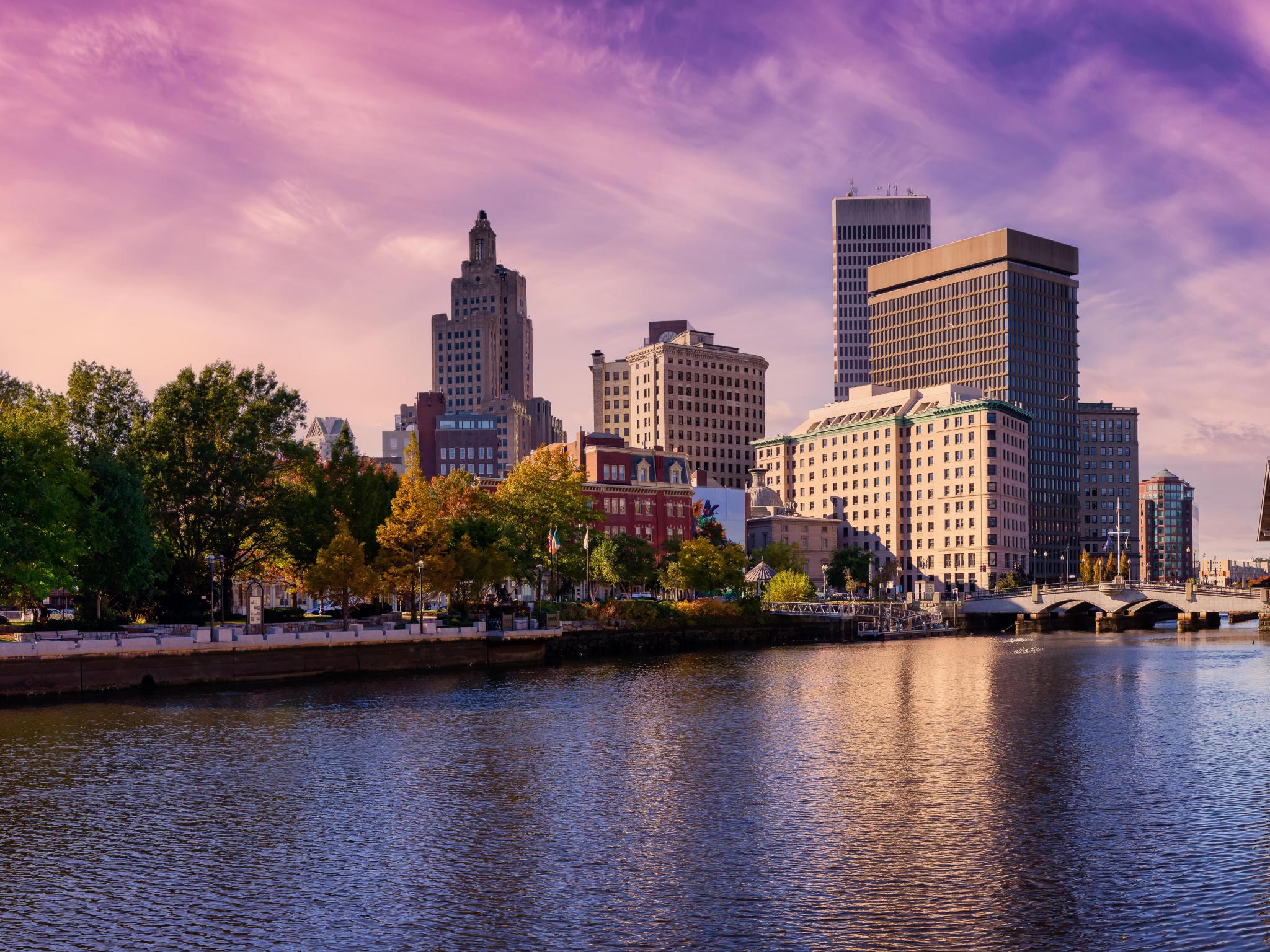
The distance between Boston and Rhode Island varies depending on the specific starting and ending points within each state. However, to provide a clear benchmark, we can consider the distance to Providence, Rhode Island’s capital and largest city, as it is the most common entry point for visitors from Boston.
- Boston to Providence: Approximately 50 miles (80 kilometers). This route typically takes about 1 hour to 1 hour and 30 minutes by car, depending on traffic conditions.
- Boston to Newport: Traveling further south along the coast to Newport, known for its Gilded Age mansions and sailing heritage, increases the distance slightly. The drive from Boston to Newport is roughly 70-75 miles (113-120 kilometers), usually taking about 1 hour and 30 minutes to 2 hours, again subject to traffic.
- Boston to Other Coastal Rhode Island Towns: Destinations like Narragansett or Westerly will involve similar or slightly longer travel times, generally staying within the 1.5 to 2.5-hour range by car.
These distances highlight the feasibility of even spontaneous trips, allowing travelers to maximize their time enjoying the destination rather than enduring long transits.
Why This Proximity Matters for Travelers
The short distance offers several tangible benefits for travelers:
- Flexibility: It opens up opportunities for day trips, enabling visitors to Boston to easily explore another state’s unique offerings without requiring an overnight stay.
- Reduced Travel Fatigue: Shorter travel times mean less time spent in transit, resulting in a fresher, more energetic start to your Rhode Island adventure.
- Cost-Effectiveness: Less fuel consumption for drivers and generally lower ticket prices for public transport make the journey economical.
- Multi-Destination Itineraries: Travelers can comfortably incorporate both Massachusetts and Rhode Island into a single, comprehensive New England itinerary without feeling rushed.
Navigating the Journey: Transportation Options
Traveling from Boston to Rhode Island offers a variety of transportation choices, each with its own advantages, catering to different preferences and budgets.
Driving: Flexibility and Scenic Routes
Driving is arguably the most popular and flexible way to travel between Boston and Rhode Island. The primary route involves taking I-95 South, a major interstate highway connecting the two states.
- Advantages: Owning a car or renting one provides unparalleled freedom to explore at your own pace. You can easily deviate from the main highway to discover quaint towns, coastal overlooks, or hidden gems that are less accessible by public transport. For families or groups, driving can also be more economical than purchasing multiple train or bus tickets.
- Considerations: Traffic can be a significant factor, especially during peak commuter hours (mornings and late afternoons on weekdays) and during summer weekends when many head to the Rhode Island beaches. It’s advisable to check real-time traffic updates before departing. Parking can also be a challenge and costly in popular destinations like downtown Providence or Newport, particularly during high season.
Public Transportation: Train and Bus Connections
For those preferring to avoid driving, public transportation offers convenient and reliable alternatives.
- Train (Amtrak & MBTA Commuter Rail):
- Amtrak: Amtrak provides frequent Acela Express and Northeast Regional services from Boston’s South Station directly to Providence’s Providence Station. The journey is swift, often taking just 30-40 minutes on the Acela and around 1 hour for the Northeast Regional. This is a comfortable and efficient option, especially for business travelers or those seeking a relaxed journey.
- MBTA Commuter Rail: The MBTA (Massachusetts Bay Transportation Authority) operates a commuter rail service from Boston to Providence, with several stops along the way. While generally slower than Amtrak (around 1 hour 15 minutes), it is often a more budget-friendly choice for local travel.
- Connecting to Newport: To reach Newport by train, you would typically take Amtrak or MBTA to Providence, and then connect to a local bus service (e.g., RIPTA) or a rideshare service for the final leg of the journey.
- Bus (Peter Pan Bus & Greyhound):
- Several bus companies, including Peter Pan Bus and Greyhound, offer regular services between Boston’s South Station (or other designated stops) and Providence (usually the Kennedy Plaza intermodal transportation hub). The bus journey typically takes 1 hour to 1 hour and 30 minutes, depending on traffic.
- Advantages: Buses are generally the most economical public transportation option. They offer a comfortable ride with amenities like Wi-Fi and power outlets on many routes.
- Considerations: Like driving, buses are susceptible to traffic delays, which can extend travel times.

Air Travel: Is It Worth It?
For the relatively short distance between Boston and Rhode Island, air travel is generally not a practical or efficient option. Boston Logan International Airport (BOS) and T.F. Green Airport (PVD) in Warwick, Rhode Island (just south of Providence), do connect via short regional flights. However, factoring in travel to and from airports, security checks, boarding, and deplaning, the total time commitment almost always exceeds that of driving, train, or bus travel, not to mention the higher cost and environmental impact. Air travel is typically reserved for longer distances or connecting flights beyond Rhode Island.
Crafting Your Itinerary: Exploring Two Northeast Gems
The ease of travel between Boston and Rhode Island makes it an ideal corridor for designing flexible and enriching travel itineraries.
Day Trips and Weekend Getaways: From Boston to Rhode Island
Many travelers leverage the close proximity for quick excursions:
- Providence Day Trip: Depart Boston in the morning, enjoy Providence’s vibrant culinary scene, explore WaterFire (if timed correctly), stroll Benefit Street’s historic architecture, and return to Boston in the evening.
- Newport Weekend Escape: Spend a leisurely weekend exploring the opulent mansions along the Cliff Walk, sailing in Narragansett Bay, and savoring fresh seafood. An overnight stay allows ample time to soak in the town’s charm.
- Coastal Rhode Island Retreat: Combine a visit to Providence with a relaxing beach day in Narragansett or Westerly, making for a varied and refreshing getaway.
Must-Visit Destinations in Rhode Island
Once you’ve made the short trip, Rhode Island unfolds a world of unique attractions:
- Providence: As the state capital, Providence offers a dynamic blend of history, arts, and gastronomy. Don’t miss the historic Federal Hill for Italian cuisine, the vibrant RISD Museum, and the iconic Rhode Island State House. The seasonal WaterFire Providence event, with its bonfires on the rivers, is a truly magical experience.
- Newport: Synonymous with luxury and sailing, Newport boasts the breathtaking Gilded Age Mansions like The Breakers and Marble House. The Cliff Walk offers stunning ocean views alongside these historic estates. The city is also a hub for sailing, with numerous regattas and opportunities for harbor cruises.
- Coastal Towns: Narragansett is famous for its beautiful beaches, including Narragansett Town Beach, and iconic Narragansett Towers. Westerly offers a more laid-back beach vibe with resorts like Misquamicut State Beach.
Extending Your Rhode Island Adventure
For those with more time, consider venturing beyond the main cities:
- Block Island: A ferry ride from Narragansett or Newport takes you to Block Island, a serene offshore paradise known for its pristine beaches, dramatic bluffs, and charming Victorian inns. It’s a perfect escape for nature lovers and those seeking tranquility.
- Bristol: Home to the oldest continuous Fourth of July celebration in the United States and the stunning Blithewold Mansion, Gardens & Arboretum, Bristol offers a blend of history, patriotism, and natural beauty.
Essential Travel Tips for the Boston-Rhode Island Corridor
A few practical tips can make your journey between these two captivating New England locations even smoother.
Best Times to Travel
- Spring (April-May) and Fall (September-October): These seasons offer pleasant weather, vibrant foliage (in fall), fewer crowds than summer, and generally smoother traffic. They are ideal for exploring historical sites and enjoying outdoor activities.
- Summer (June-August): While popular for beach visits and sailing, summer also brings peak tourist crowds, higher accommodation prices, and significant traffic congestion, especially on weekends heading to coastal Rhode Island destinations. Book accommodations and popular attractions well in advance.
- Winter (November-March): Offers a quieter experience with festive decorations during the holidays. Some coastal attractions may have limited hours, but indoor activities like museums and dining are fully available. Snow can affect driving conditions, so public transport like Amtrak becomes a very reliable option.
Traffic Considerations and Peak Hours
If driving, be mindful of:
- Weekday Commute: I-95 South from Boston to Providence can be heavily congested between 7 AM – 9 AM and 4 PM – 6 PM.
- Summer Weekends: Friday afternoons/evenings and Sunday afternoons/evenings see heavy traffic in both directions as people travel to and from Rhode Island’s coastal areas. Consider departing early in the morning or later in the evening to avoid the worst of it. Use GPS apps with real-time traffic updates.
Cost-Benefit Analysis of Different Travel Modes
- Driving: Most flexible, but incurs fuel costs, potential tolls (minimal on this route), and parking fees. Best for groups or those desiring extensive exploration beyond city centers.
- Train: Faster and more comfortable for direct city-to-city travel (e.g., Boston to Providence). Prices vary greatly depending on booking in advance and service type (Acela vs. Northeast Regional vs. MBTA Commuter Rail).
- Bus: Most budget-friendly, offers direct service, but can be slower due to traffic. Good for solo travelers or those prioritizing cost savings.
Ultimately, the choice depends on your budget, time constraints, desired level of flexibility, and the specific Rhode Island destination. Regardless of your chosen method, the short distance ensures that the treasures of Rhode Island are just a stone’s throw away from Boston, inviting countless opportunities for memorable New England adventures.
LifeOutOfTheBox is a participant in the Amazon Services LLC Associates Program, an affiliate advertising program designed to provide a means for sites to earn advertising fees by advertising and linking to Amazon.com. Amazon, the Amazon logo, AmazonSupply, and the AmazonSupply logo are trademarks of Amazon.com, Inc. or its affiliates. As an Amazon Associate we earn affiliate commissions from qualifying purchases.