
For any traveler planning an adventure to the far north, understanding the local time zone is more than just a logistical detail; it’s a critical component for seamless trip planning, managing travel fatigue, and making the most of every moment. Fairbanks, Alaska, a captivating destination renowned for its Northern Lights and Midnight Sun phenomena, operates on Alaska Standard Time (AKST) during the winter months and transitions to Alaska Daylight Time (AKDT) in the summer. This distinction is crucial for travelers to grasp, as it impacts everything from flight schedules to tour bookings and communication with those back home.

Understanding Alaska’s Time Zones: AKST and AKDT
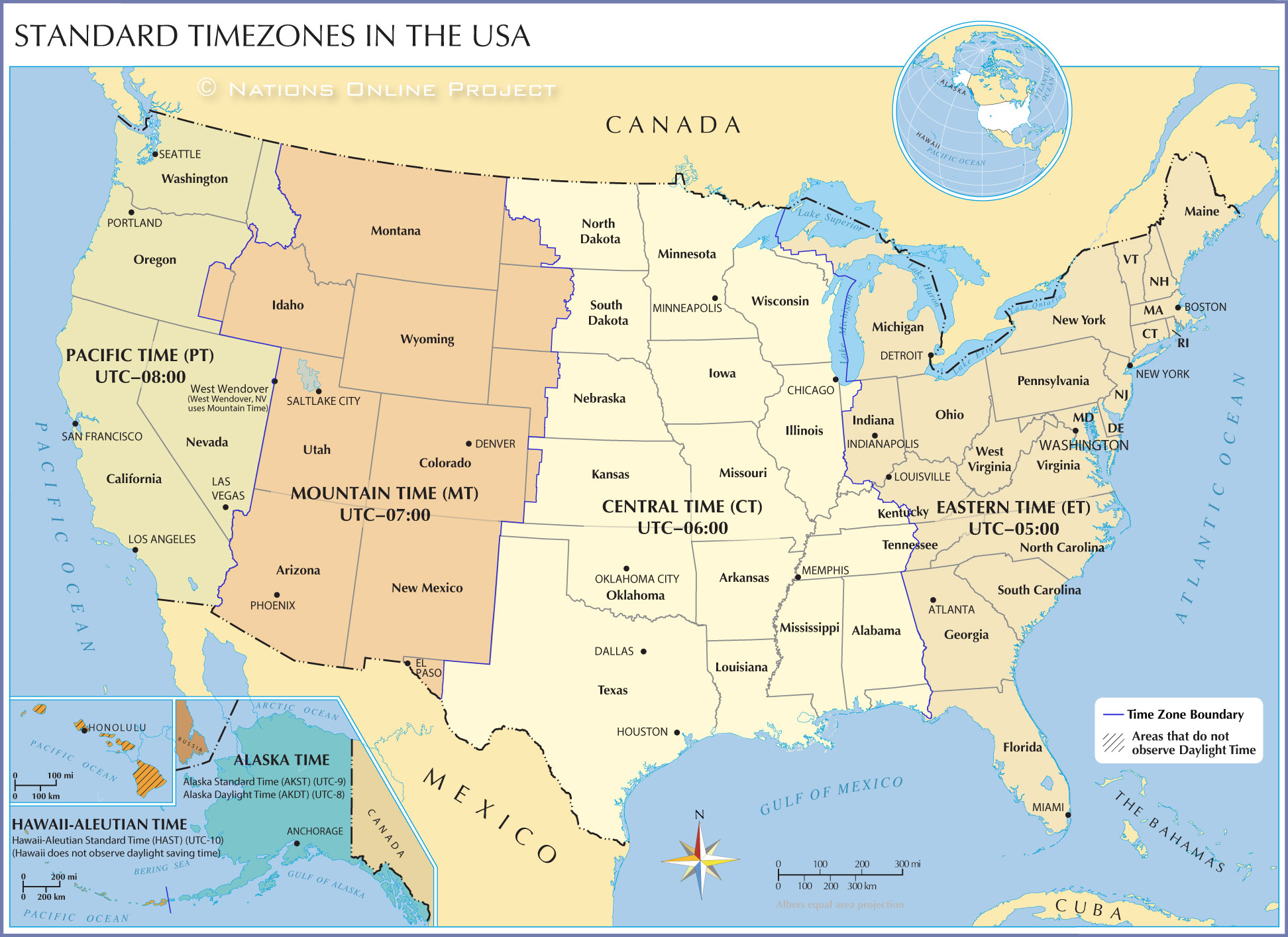
Fairbanks, like most of Alaska (with the exception of some Aleutian Islands and St. Lawrence Island which observe Hawaii-Aleutian Standard Time), adheres to the Alaska Time Zone. During the standard time period, which roughly runs from early November to mid-March, this is Alaska Standard Time (AKST), which is UTC-9. This means Fairbanks is nine hours behind Coordinated Universal Time.
When Daylight Saving Time is observed, typically from the second Sunday in March to the first Sunday in November, the region switches to Alaska Daylight Time (AKDT). At this point, the offset changes to UTC-8, meaning Fairbanks is eight hours behind UTC. This annual shift is vital for travelers to note, as a trip spanning the changeover date would require adjusting clocks. For instance, if you’re traveling from the contiguous United States, Fairbanks will generally be four hours behind Eastern Standard Time (EST/EDT), three hours behind Central Standard Time (CST/CDT), and one hour behind Pacific Standard Time (PST/PDT). This consistent difference allows for relatively straightforward calculations but should always be confirmed with a reliable time zone converter.
The time zone difference is a significant factor in travel logistics. Flights arriving from the lower 48 states often land significantly later than they would relative to their departure time, creating an immediate sense of time shift. This initial disorientation is a common part of Alaskan travel and a key reason why understanding the local time is paramount.
Planning Your Visit: Navigating Time Differences for a Smooth Experience
For any travel destination, especially one as remote and unique as Fairbanks, meticulous planning around the time zone can significantly enhance your experience.
Arrival and Adjustment
Upon arrival in Fairbanks, travelers often experience a degree of jet lag, particularly those coming from the East Coast or international destinations. The several-hour time difference can disrupt sleep patterns and internal clocks. To mitigate this, consider scheduling your arrival to allow for at least a full day of gentle activity and acclimatization before embarking on strenuous tours or activities. Staying hydrated, getting exposure to natural light during the day, and avoiding excessive caffeine or alcohol can help your body adjust more quickly to Alaska Time. Embrace the new rhythm, even if it feels unusual initially, especially given the extreme daylight variations Fairbanks experiences.
Scheduling Activities and Tours
The success of your Fairbanks itinerary hinges on correctly accounting for local time. This is particularly true for activities that are time-sensitive:
- Northern Lights Tours: These almost exclusively occur late at night or in the very early morning hours. A tour advertised to start at 10:00 PM will be 10:00 PM Alaska Standard Time (or Daylight Time). If your body clock is still on Eastern Standard Time, that’s effectively 2:00 AM, making it challenging to stay awake and alert for the aurora borealis.
- Dog Sledding and [Snowmachining](https://lifeoutoutofbox.com/snowmachining] Expeditions: These activities often have specific departure times to align with optimal weather conditions or daylight hours, especially during the shorter winter days.
- Riverboat Discovery or Arctic Circle Tours: These all-day excursions begin early, and missing the departure time due to time zone confusion could mean missing the entire experience.
- Restaurant Reservations and Museum Hours: Always confirm operating hours in local Fairbanks time. What might seem like an early dinner reservation could feel perfectly timed once you adjust to the local clock.
Double-checking every booking and reservation against the local time is a best practice. Use your smartphone’s world clock feature or a reliable time zone app to keep track of both your home time and the local Fairbanks time, preventing any missteps.
Communication Across Time Zones
While immersion in your travel experience is paramount, staying connected with family, friends, or even work obligations back home often requires a conscious effort to navigate the time differences.
Staying Connected with Home
The significant time gap between Fairbanks and other parts of North America, let alone international locations, means carefully planning calls or video chats. If you’re calling the East Coast from Fairbanks during AKST, a 7:00 PM call in Fairbanks would be 11:00 PM Eastern Standard Time. Conversely, an early morning call to Fairbanks from the East Coast might wake your Alaskan contacts. Utilize time zone converter websites or apps to pinpoint the optimal window for communication that respects everyone’s schedules. Text messages or emails, which are asynchronous forms of communication, often provide more flexibility for casual check-ins.
Business and Emergency Considerations
If your travel to Fairbanks combines leisure with business, understanding the time zone impact on remote meetings and deadlines is critical. Schedule calls or virtual meetings well in advance, clearly stating the time zone for all participants. For emergency contacts, ensure your loved ones are aware of the time difference and know when they can reasonably expect to reach you or when you might be asleep. Provide them with your general itinerary and the local time zone information to facilitate any urgent communication.
Unique Aspects of Time in Fairbanks
Beyond the standard clock adjustments, Fairbanks’s extreme latitudinal position introduces unique temporal experiences that fundamentally shape a traveler’s perception of time.
Midnight Sun and Polar Night
The most striking aspect of time in Fairbanks is its dramatic seasonal light cycles. During the summer months, from late May to late July, Fairbanks experiences the phenomenon of the Midnight Sun, where the sun never fully sets, providing nearly 24 hours of daylight. Conversely, in the heart of winter, typically from late November to late January, the region experiences Polar Night, where daylight hours are severely limited, sometimes to only a few hours of twilight around noon.
While the clocks still follow AKST/AKDT, these extreme light conditions deeply influence how visitors and locals experience time. During the Midnight Sun, it’s common to lose track of the hour, as the perpetual daylight encourages extended activities, late-night hikes, or even a round of golf at midnight. Travelers often find themselves energized and active for longer periods. Blackout curtains are not a luxury but a necessity for restful sleep during these months.
During the Polar Night, the limited daylight hours mean that day feels like a prolonged twilight. Activities like aurora viewing are prime during these months, as the darkness is extensive. Travelers must plan their outdoor activities carefully to coincide with the brief window of natural light, and the overall pace of life can feel more subdued and introspective.

Impact on Travel Experiences
The unusual light cycles mean that your body’s internal clock might struggle to align with the official time, especially during your first few days. A 2:00 AM Northern Lights viewing in winter feels profoundly late, while a 9:00 PM dinner in summer still feels like midday. Embracing these unique rhythms is part of the Fairbanks travel experience.
As you plan your journey to Fairbanks, remember that understanding Alaska Standard Time and Alaska Daylight Time is merely the starting point. The true temporal adventure lies in adapting to the rhythms of light and dark that define life in this incredible subarctic destination. By being prepared for the time zone differences and embracing the unique solar clock, you’ll be well-equipped to enjoy every moment of your Fairbanks adventure.
LifeOutOfTheBox is a participant in the Amazon Services LLC Associates Program, an affiliate advertising program designed to provide a means for sites to earn advertising fees by advertising and linking to Amazon.com. Amazon, the Amazon logo, AmazonSupply, and the AmazonSupply logo are trademarks of Amazon.com, Inc. or its affiliates. As an Amazon Associate we earn affiliate commissions from qualifying purchases.