
Venturing through California, a state renowned for its sprawling cities, iconic natural wonders, and vibrant culture, tourists often ponder practical questions that impact their experience. One such fundamental query is about the safety and potability of tap water. For visitors navigating the diverse landscapes from the bustling streets of Los Angeles to the serene vineyards of Napa Valley, understanding the local water situation is crucial for both health and convenience. The short answer is overwhelmingly positive: in most urban and developed areas of California, tap water is safe and meets stringent quality standards. However, like any expansive and varied destination, there are nuances and regional considerations that make a deeper dive invaluable for the discerning traveler.

Understanding California’s Water Landscape for Tourists
California’s water supply is as diverse and dynamic as its geography, a complex system designed to serve millions of residents and countless visitors across vastly different environments. For tourists, understanding where this water comes from and how it’s managed provides peace of mind and context.
A State of Diverse Water Sources
The Golden State relies on a sophisticated network of water sources, drawing primarily from the majestic Sierra Nevada snowpack, which melts into rivers and reservoirs that feed much of the state. Other significant sources include local rivers, lakes, vast groundwater aquifers, and increasingly, desalination plants along the Pacific Ocean coast. This intricate system, often involving massive infrastructure projects like the California Aqueduct, transports water thousands of miles to urban centers and agricultural lands. For tourists, this means that whether you’re exploring San Francisco, San Diego, or the Central Valley, your tap water has likely undergone a long journey and rigorous treatment. The specific blend of sources can vary by region, influencing characteristics like mineral content and taste, but the underlying commitment to safety remains consistent.
Regulatory Framework: Ensuring Safety
The safety of California’s tap water is not left to chance. It is meticulously regulated and monitored by a layered system of governmental bodies. At the federal level, the Environmental Protection Agency (EPA) sets national standards for drinking water quality under the Safe Drinking Water Act. California takes this a step further, with the State Water Resources Control Board (SWRCB) implementing even stricter regulations that often exceed federal requirements. These agencies mandate regular testing for a wide array of contaminants, including bacteria, viruses, chemicals, and heavy metals. Public water systems are required to issue annual Consumer Confidence Reports (CCRs) detailing their water quality, which are readily available online. For travelers, this robust oversight means that the tap water flowing in hotels, restaurants, and public facilities across most of California is subjected to some of the most comprehensive safety protocols in the world, providing a reliable and safe source of hydration.
Tap Water Quality: What Visitors Should Know
While the general consensus points to safe tap water, understanding the nuances of quality can enhance a tourist’s experience and address any lingering concerns. It’s about recognizing that “safe” doesn’t always mean “tastes the same everywhere” or “is without exception.”
Generally Safe and Potable
The vast majority of public water systems in California deliver water that is not only safe but also of high quality, readily meeting or surpassing federal and state drinking water standards. This applies to major tourist destinations like Anaheim (home to Disneyland), the vibrant neighborhoods of Hollywood, the coastal beauty of Santa Barbara, and the historic charm of Monterey. Travelers can confidently fill their reusable bottles from taps in hotels, restaurants, and public fountains without concern for health risks. This widespread reliability is a significant advantage for tourists, offering a free and readily available source of hydration, crucial for enjoying California’s active lifestyle and sunny climate. It also reflects a strong commitment from the state’s infrastructure to public health and environmental stewardship.
Regional Variations and Local Considerations
Despite overall high standards, visitors might notice subtle differences in water quality from one region to another. These variations are primarily due to differing source waters and treatment processes. For instance, areas drawing heavily from groundwater may have “harder” water, meaning it contains higher concentrations of minerals like calcium and magnesium. While harmless, this can affect taste and lathering. Conversely, areas that rely more on surface water (like snowmelt) might have “softer” water. Some cities might use slightly more chlorine for disinfection, which can be detectable by taste or smell, especially in older buildings or during certain times of the year. For example, Los Angeles’s water supply draws from multiple distant sources, resulting in a complex profile, whereas San Francisco famously boasts some of the cleanest municipal water, largely sourced from the protected Hetch Hetchy Reservoir in Yosemite National Park. These differences are typically cosmetic and do not impact safety, but they are worth noting for those with sensitive palates.
Taste Differences and Personal Preference
Even when water is perfectly safe, taste can be subjective. Factors like mineral content, pH levels, and the type of disinfectant used can all contribute to the unique flavor profile of water from different taps. A tourist accustomed to the soft, neutral taste of bottled spring water might find the taste of chlorinated city water, however safe, to be distinct. In areas like Palm Springs, where water can be quite hard, the mineral taste might be more pronounced. Similarly, the water in Sacramento, sourced from the American River and Sacramento River, will have its own specific characteristics. For some, these differences are negligible, while others might prefer to filter their tap water or opt for bottled alternatives if the taste isn’t to their liking. This is purely a matter of personal preference and not an indicator of unsafe water, an important distinction for travelers to make.
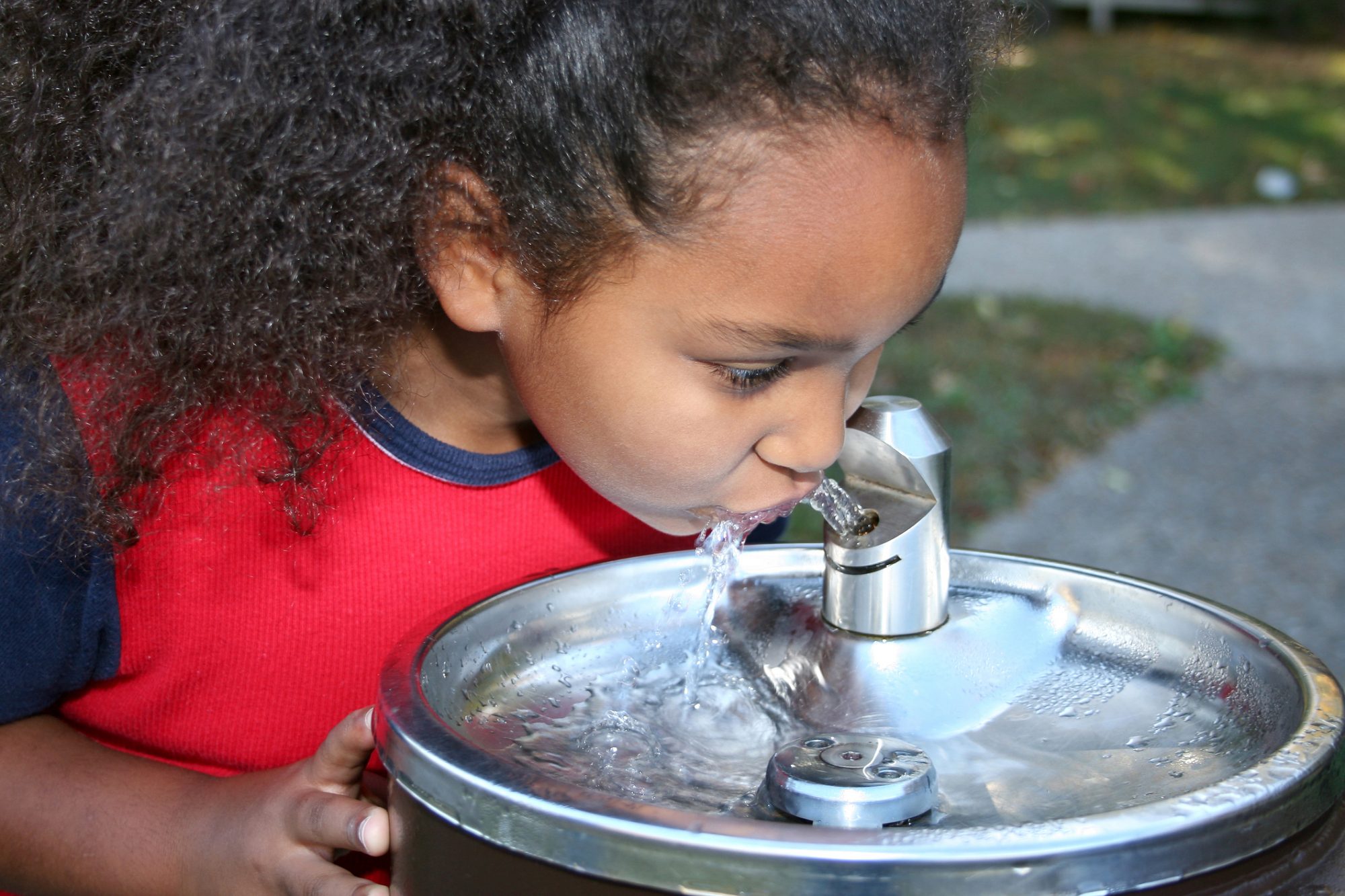
Practical Advice for Tourists on Hydration
Hydration is key to enjoying California’s diverse activities, from hiking in Joshua Tree National Park to strolling across the Golden Gate Bridge. Knowing how to reliably quench your thirst is a practical tip every visitor should embrace.
Trusting the Tap in Major Tourist Destinations
In virtually all major tourist hotspots and urban centers across California, tap water is reliably safe and readily available. Whether you are exploring the studio tours at Universal Studios Hollywood, enjoying the rides at Disneyland, or relaxing by the Santa Monica Pier, you can trust the tap water. Restaurants will confidently serve tap water, and many establishments provide water fountains or refill stations. This convenience not only saves money but also significantly reduces plastic waste, aligning with California’s strong environmental ethos. Visitors should feel empowered to ask for tap water and carry a reusable bottle to refill throughout their day, minimizing the need for single-use plastics and staying hydrated effortlessly while taking in sights like Lake Tahoe or the historic streets of Alcatraz Island.
When to Exercise Caution (and What to Do)
While general safety is high, a few scenarios warrant extra awareness. If you plan on venturing into remote wilderness areas for hiking or camping, particularly in undeveloped regions or national parks like Death Valley or parts of Redwood National Park away from developed visitor centers, water sources should be treated. Natural streams, lakes, and springs can harbor bacteria or parasites, even if they appear pristine. In these situations, bringing a portable water filter, purification tablets, or boiling water for at least one minute is highly recommended. Additionally, while rare, local “boil water” advisories can occur due to infrastructure issues or contamination. These are usually localized and temporary, and authorities will issue clear public notices. If you hear of such an advisory in your specific location, always follow the instructions, which typically involve boiling water before consumption or using bottled water until the advisory is lifted. For the average urban tourist, these instances are unlikely, but it’s wise to be informed if your itinerary includes off-grid exploration.
Environmental Impact and Sustainable Choices
For eco-conscious travelers, choosing tap water over single-use plastic bottles is a simple yet impactful way to practice sustainable tourism in California. The state faces significant challenges with plastic waste, and by refilling a reusable water bottle, visitors contribute to reducing landfill burden and pollution. Many hotels, airports, and attractions have installed filtered water refill stations, making it easier than ever to make this eco-friendly choice. Embracing tap water reflects an appreciation for California’s natural beauty and its efforts to maintain a clean environment, aligning with the values of responsible travel. It’s a small action that collectively makes a big difference in preserving the stunning coastlines, forests, and deserts that make California a world-class destination.
Beyond the Tap: Other Hydration Options and Tips
While tap water is generally the best choice, it’s also helpful for tourists to know about other available hydration methods and how to stay optimally hydrated in California’s varied climates.
Bottled Water: Convenience vs. Cost and Environment
For tourists who prefer it, bottled water is widely available in California at grocery stores, convenience stores, and vending machines. It offers undeniable convenience, especially when on the go or in areas where tap water access might be less obvious. However, this convenience comes at a cost, both financial and environmental. Bottled water is significantly more expensive than tap water, and the production, transportation, and disposal of plastic bottles contribute to a substantial carbon footprint and waste problem. While an option for those with specific taste preferences or genuine concerns in very rare circumstances, it’s often an unnecessary expense and an environmentally less responsible choice compared to utilizing the robust public water supply. Consider it a last resort rather than a default.
Water Refill Stations and Public Access
In line with California’s progressive environmental policies, many public spaces, parks, airports, and major attractions are increasingly equipped with filtered water refill stations. These stations provide a convenient and hygienic way for tourists to replenish their reusable bottles, ensuring continuous hydration throughout their journey. From major transportation hubs like Los Angeles International Airport to bustling tourist areas such as Big Sur visitor centers, finding a refill point is becoming easier. Travelers are encouraged to look for these stations, which often feature filtered water, ensuring an even better taste experience. This widespread availability supports the sustainable tourism model and makes it effortless for visitors to stay hydrated while minimizing their environmental footprint.

Staying Hydrated in California’s Diverse Climates
California’s climate can range from arid deserts to cool coastal areas and hot inland valleys, often within a short drive. Regardless of where you are or what activities you’re pursuing, staying well-hydrated is paramount for health and enjoyment. Whether you’re hiking in the sunshine, exploring urban landscapes, or simply enjoying the beach, carry sufficient water. In hot environments like Death Valley or during summer months in inland cities, dehydration can occur rapidly. Drink water regularly, even if you don’t feel thirsty, and be mindful of increased fluid needs when consuming alcohol or engaging in strenuous activities. Utilizing the safe and accessible tap water, coupled with a reusable bottle, is the most practical and responsible approach to hydration for any tourist visiting the Golden State.
LifeOutOfTheBox is a participant in the Amazon Services LLC Associates Program, an affiliate advertising program designed to provide a means for sites to earn advertising fees by advertising and linking to Amazon.com. Amazon, the Amazon logo, AmazonSupply, and the AmazonSupply logo are trademarks of Amazon.com, Inc. or its affiliates. As an Amazon Associate we earn affiliate commissions from qualifying purchases.