
July transforms Alaska into a vibrant canvas of endless daylight and unparalleled natural beauty, offering an extraordinary array of activities for tourists. As the peak of summer, this month provides the warmest temperatures, ice-free waters, and the most accessible conditions across the state’s vast wilderness. For those planning an Alaskan adventure, July is ripe with opportunities, from exhilarating wildlife encounters to profound cultural immersions, all under the glow of the famous Midnight Sun. This guide explores the essential experiences and practical tips to ensure a memorable July journey through the Last Frontier, focusing on activities, local culture, food, and crucial advice for visitors.

Experiencing Alaska’s Peak Season: July’s Brightest Opportunities
July in Alaska is synonymous with the Midnight Sun, an extraordinary phenomenon where daylight extends for nearly 24 hours in many parts of the state. This extended illumination maximizes opportunities for exploration and adventure, allowing tourists to pack more experiences into each day. The warmer weather melts snow and ice from mountain passes and waterways, opening up vast tracts of land and sea that are inaccessible at other times of the year. This makes July prime time for virtually all types of outdoor activities, from hiking rugged trails to kayaking serene fjords. The landscapes burst with wildflowers, and wildlife is at its most active, making it an ideal month for photographers and nature enthusiasts. Furthermore, many seasonal businesses, tours, and cultural events are in full swing, offering a comprehensive look at Alaskan life and its natural wonders. Planning ahead is crucial, as July is the most popular month, leading to higher demand for accommodations and tours.
The Phenomenon of the Midnight Sun
The Midnight Sun fundamentally alters the rhythm of travel in Alaska. For tourists, it means more daylight hours to undertake long hikes, extend fishing trips, or simply enjoy scenic drives without worrying about dwindling light. In Fairbanks, for instance, the sun barely dips below the horizon, creating extended twilight that blurs day and night. This unique lighting offers fantastic photographic opportunities, particularly during the “golden hour” that seems to last for hours. It also allows for activities like late-night golf or exploring national parks deeper into the evening. However, it’s important for visitors to manage their sleep schedules, as the constant daylight can be disorienting. Blackout curtains are a common amenity in Alaskan accommodations during this season, and packing an eye mask is a wise recommendation for any tourist. Embracing the unique schedule that the Midnight Sun affords is key to fully appreciating a July visit.
Adventure Awaits: Engaging with Alaska’s Diverse Landscapes
Alaska’s vast interior and dramatic mountain ranges come alive in July, offering unparalleled wilderness adventures. This is the optimal time for exploring its iconic national parks and vast backcountry, with trails largely clear and wildlife abundant.
Hiking and Backpacking Through Pristine Wilderness
July is prime hiking season, with trails accessible throughout the state. Denali National Park offers some of the most breathtaking backcountry hiking opportunities, with an off-trail policy that allows experienced hikers to explore freely. Shuttles run deep into the park, providing access to incredible vistas and wildlife viewing. Other popular hiking destinations include the trails around Anchorage in the Chugach Mountains, such as the Flattop Mountain Trail, and the extensive network of paths near Seward and Girdwood. Day hikes to viewpoints or overnight backpacking trips into remote areas are popular, offering chances to see caribou, moose, and various bird species. Proper gear, including sturdy hiking boots, rain protection, and bear spray, is essential for safety and comfort in Alaska’s unpredictable weather and wild terrain.
Unforgettable Wildlife Viewing
July is arguably the best month for wildlife viewing. Bears, especially brown bears, are actively feeding on salmon runs. Iconic spots like Brooks Falls in Katmai National Park provide world-renowned opportunities to witness bears fishing, often from designated viewing platforms. Visitors can also embark on bear viewing excursions from Homer or Kodiak Island. For those unable to reach remote locations, the Alaska Wildlife Conservation Center near Girdwood offers guaranteed sightings of Alaskan wildlife in a natural setting. Beyond bears, moose are frequently spotted along roadsides and in marshy areas, while caribou herds migrate across tundra landscapes. Birdwatchers will also find Alaska teeming with migratory species during this time.
Fishing: A True Alaskan Pastime
For fishing enthusiasts, July is prime time for salmon fishing. The king (chinook) salmon run peaks, and sockeye (red) and pink (humpy) salmon runs are in full swing. Popular fishing destinations include the Kenai River, Russian River, and rivers throughout Southeast Alaska. Charter boats are available for deep-sea fishing for halibut, rockfish, and lingcod, particularly from coastal towns like Seward, Homer, and Valdez. Fly-in fishing trips to remote lakes and streams offer the ultimate secluded angling experience. A valid Alaska fishing license and any necessary stamps are required, which can be purchased online or at local vendors.
Cruising the Coasts: Marine Adventures and Glacier Exploration
Alaska’s coastline and inland waterways are profoundly accessible in July, making marine excursions a highlight for many tourists. The ice has largely receded, opening up passages to spectacular glaciers and allowing for optimal wildlife viewing from the water.
Glacier and Wildlife Cruises
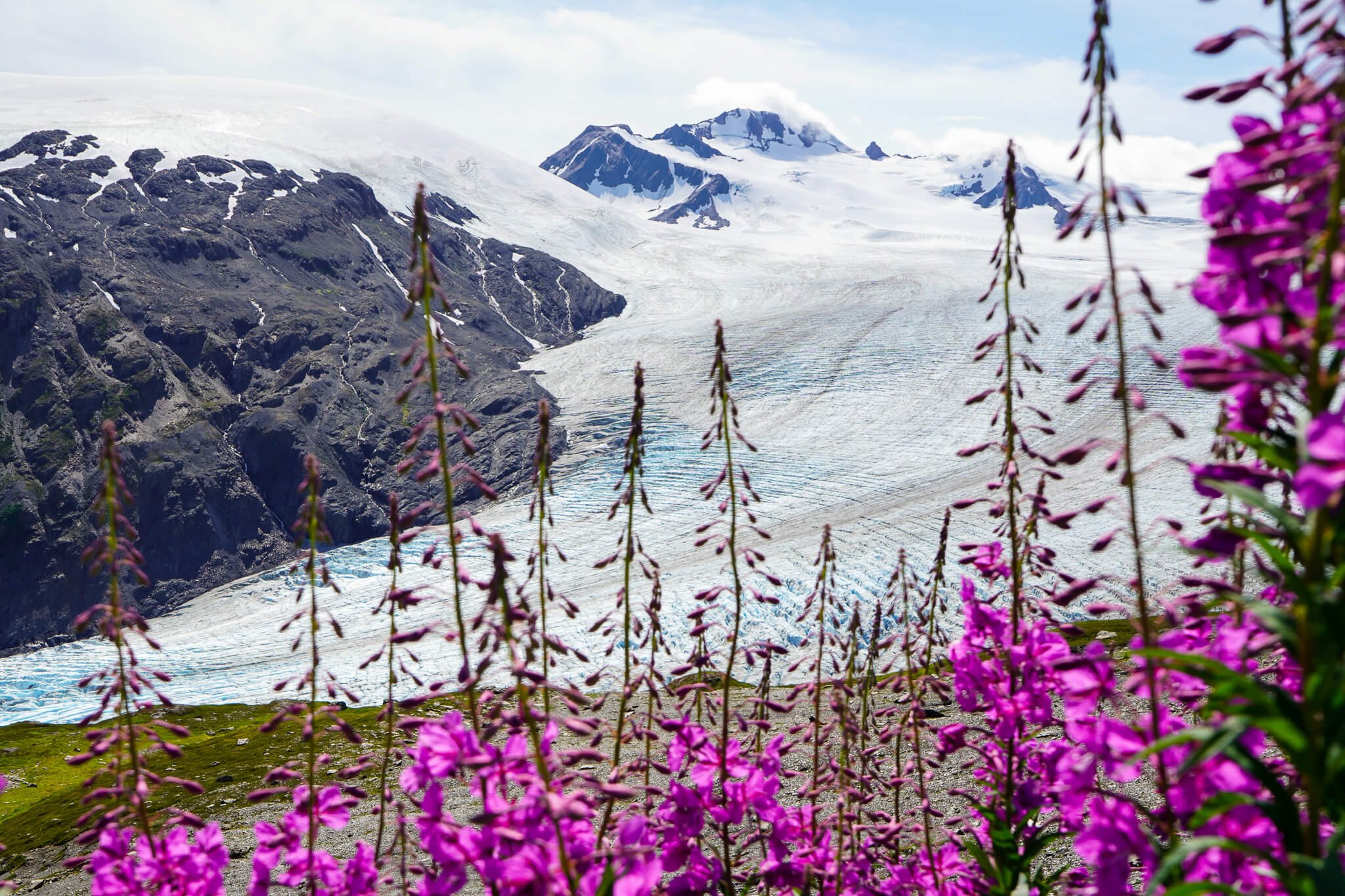
Cruises are an essential Alaskan experience, especially in July. Day cruises from Seward into Kenai Fjords National Park offer dramatic views of tidewater glaciers calving into the ocean and abundant marine wildlife, including humpback whales, orcas, sea lions, puffins, and otters. Similarly, tours of Prince William Sound from Whittier or Valdez provide opportunities to see a dense concentration of glaciers and marine mammals. Longer cruises through the Inside Passage stop at charming towns like Juneau, Ketchikan, and Sitka, allowing for diverse shore excursions. Notable glaciers accessible via boat include Mendenhall Glacier near Juneau, Hubbard Glacier, and the incredible expanses of Glacier Bay National Park. These cruises often feature expert naturalists on board who provide insightful commentary on the geology, ecology, and history of the region.
Kayaking and Rafting Adventures
For a more intimate water experience, July is perfect for kayaking and rafting. Sea kayaking allows visitors to paddle quietly among icebergs and wildlife in protected coves and fjords, such as those found around Seward or in Southeast Alaska. Guided tours are available for all skill levels, from half-day excursions to multi-day camping trips. River rafting offers a different kind of thrill, with options ranging from gentle floats down scenic rivers like the Talkeetna River to challenging whitewater rapids on the Nenana River near Denali National Park. These activities provide unique perspectives of Alaska’s landscapes and an opportunity for close encounters with nature.
Delving into Alaskan Culture and Local Flavors
Beyond its natural beauty, Alaska boasts a rich tapestry of indigenous cultures and a distinctive culinary scene, both of which are vibrantly accessible in July. Engaging with these aspects provides a deeper understanding of the state.
Exploring Native Cultures and History
Alaska is home to diverse Native cultures, each with a unique history and traditions. In July, many cultural centers and museums are fully operational, offering immersive experiences. The Alaskan Native Heritage Center in Anchorage is an excellent starting point, showcasing the traditions, art, and stories of Alaska’s eleven major Native cultural groups through dance, storytelling, and artisan demonstrations. In Southeast Alaska, towns like Ketchikan and Sitka feature impressive totem poles and historical sites, offering insights into Tlingit, Haida, and Tsimshian cultures. Visitors can also explore the legacy of the Iditarod Trail Sled Dog Race at the Iditarod Trail Sled Dog Race Headquarters in Wasilla or visit dog kennels to learn about mushing traditions, which are part of Alaskan pioneer culture.
Savoring Local Cuisine
July is a fantastic month to experience Alaska’s culinary delights, especially its fresh seafood. This is prime season for wild Alaskan salmon, including the famed Copper River Salmon, which can be found in restaurants across the state. Halibut, cod, and various shellfish like King Crab and Dungeness crab are also abundant and exceptionally fresh. Beyond seafood, local produce from Alaska’s short but intense growing season, benefiting from the extended daylight, makes its way to farmers’ markets and restaurant menus. Look for fresh berries, rhubarb, and unique root vegetables. Many towns host local markets and food festivals in July, providing opportunities to taste regional specialties and interact with local vendors. Don’t forget to try traditional Alaskan dishes like reindeer sausage, sourdough pancakes, and fry bread.
Essential Tips for Navigating Your July Alaskan Journey
To maximize your July experience in Alaska, a few practical considerations are essential. Proper preparation can make a significant difference in comfort and enjoyment, ensuring your focus remains on the incredible sights and activities.
Packing for Variable Weather
Despite being summer, Alaskan weather in July can be highly unpredictable. While days can be sunny and warm, rain is common, and temperatures can drop quickly, especially near glaciers or at higher elevations. The key is layering: pack waterproof and windproof outerwear, fleece or wool mid-layers for warmth, and moisture-wicking base layers. Comfortable, waterproof hiking shoes or boots are a must. Don’t forget a wide-brimmed hat, sunglasses, and high-SPF sunscreen due to the prolonged daylight and strong UV reflection off water and ice. Insect repellent is also critical, as mosquitoes can be prevalent in some areas, particularly near standing water. An eye mask for sleeping is highly recommended to cope with the Midnight Sun.
Booking in Advance
July is the peak tourist season in Alaska, meaning popular tours, accommodations, and rental cars book up quickly and can be more expensive. To secure your preferred options and avoid disappointment, it is highly advisable to book everything – flights, lodging, car rentals, and major excursions – several months in advance. Many tours, especially those to Denali National Park or bear-viewing trips, have limited capacity. Flexibility with your itinerary can sometimes help secure last-minute spots, but it’s not guaranteed.
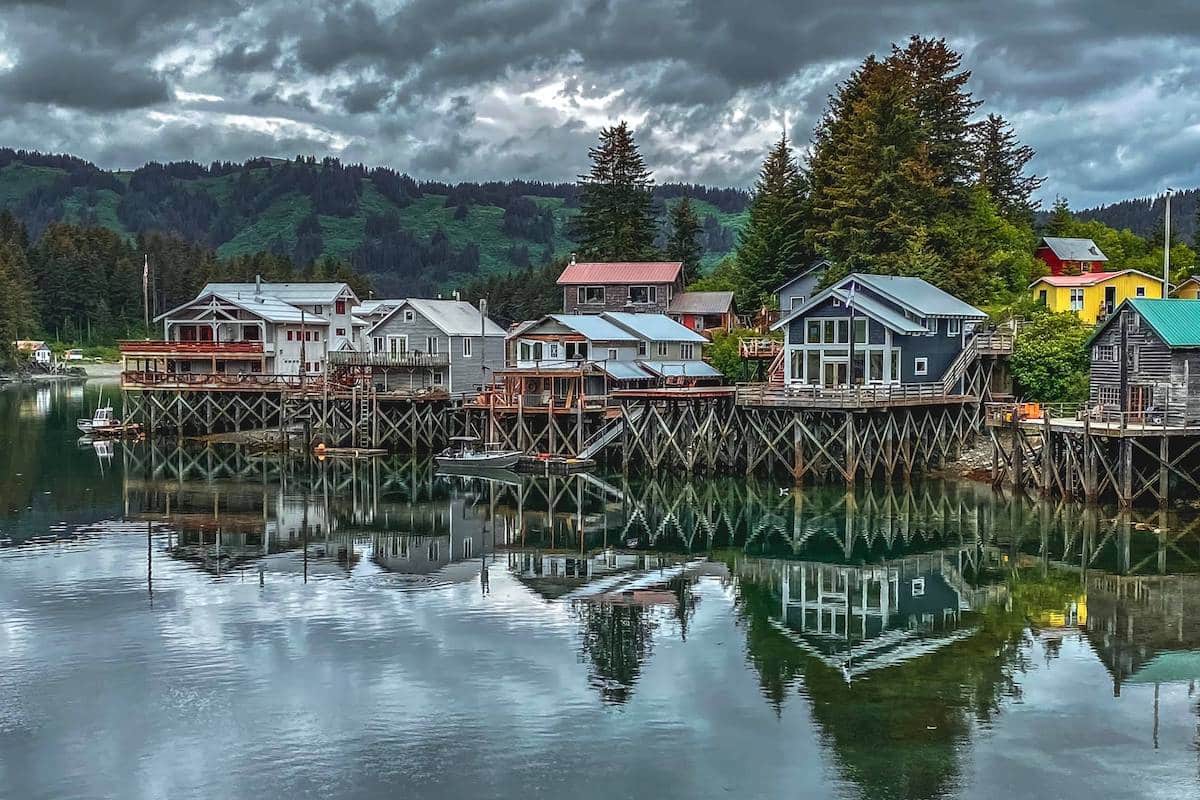
Navigating the Midnight Sun and Daylight Hours
The extended daylight, while allowing for more activities, can disrupt sleep patterns for those unaccustomed to it. As mentioned, an eye mask is crucial. Additionally, plan your days to include periods of rest, even if the sun is still high in the sky. Many restaurants and attractions extend their hours in July, allowing for flexibility, but remember that many smaller towns and businesses may still adhere to more conventional operating times. Take advantage of the long daylight for scenic drives or leisurely walks, but ensure you also prioritize getting enough restorative sleep to fully enjoy your Alaskan adventure.
LifeOutOfTheBox is a participant in the Amazon Services LLC Associates Program, an affiliate advertising program designed to provide a means for sites to earn advertising fees by advertising and linking to Amazon.com. Amazon, the Amazon logo, AmazonSupply, and the AmazonSupply logo are trademarks of Amazon.com, Inc. or its affiliates. As an Amazon Associate we earn affiliate commissions from qualifying purchases.