
The allure of New Mexico is often tied to its vibrant cultural tapestry, its awe-inspiring landscapes, and its culinary delights. Among the most cherished of these delights, particularly for those seeking an authentic taste of the Land of Enchantment, is the piñon nut. These small, flavorful nuts are more than just a snack; they are a symbol of the region’s rich heritage and a cornerstone of its natural bounty. Understanding the piñon season is key to experiencing this unique aspect of New Mexico‘s tourism, allowing visitors to align their trips with the optimal time for harvesting, purchasing, and enjoying these prized nuts.

The piñon pine, the source of these delectable nuts, is a resilient evergreen that dots the high-desert terrain of New Mexico. Its cones hold the precious cargo, and the timing of their maturity dictates the “season.” For enthusiasts and travelers eager to partake in this tradition, knowing when to be in New Mexico is paramount. The 2024 season promises another opportunity to connect with the land and its bounty.
Understanding the Piñon Pine and Its Harvest
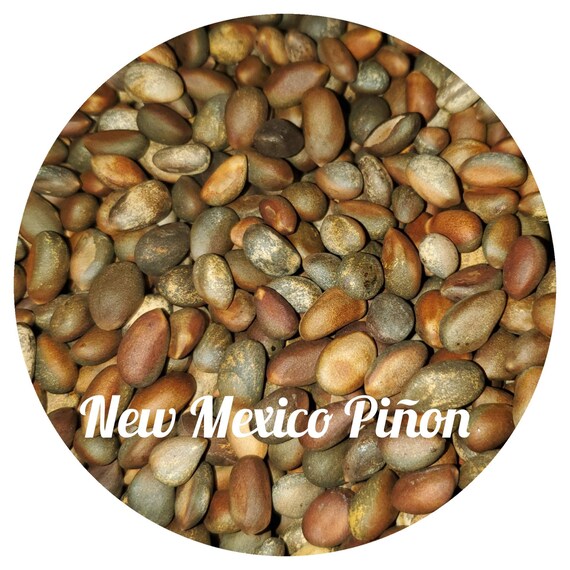
The piñon pine ( Pinus edulis ) is a slow-growing tree native to the arid regions of the southwestern United States and northern Mexico. It is characterized by its short, dense needles and the production of edible seeds, commonly known as piñon nuts. These nuts have been a vital food source for indigenous peoples for centuries, and their significance continues to resonate today. The harvest of piñon nuts is a labor-intensive process, typically undertaken by individuals and families who venture into the forests to collect the cones.
The Life Cycle of a Piñon Cone
Piñon cones do not mature in a single year. Instead, they undergo a two-year cycle. Pollination occurs in the spring of the first year. Throughout the summer and fall of that year, the cones grow but remain closed and immature. They then enter a dormancy period during the winter. In the second spring, the cones swell and begin to mature. It is during this second summer and fall that the cones are ready for harvest. The cones typically begin to open and release their seeds naturally as they dry, but often the harvest happens before this natural dispersal to maximize yield.
Factors Influencing the Harvest Timing
Several factors can influence the exact timing of the piñon harvest each year, making it a somewhat variable event.
- Weather Patterns: Rainfall and temperature play crucial roles. A good snowpack in winter followed by adequate spring and summer moisture can lead to a more abundant and higher-quality crop. Conversely, drought conditions can significantly reduce the yield.
- Cone Set: The number of cones produced by the trees each year can vary. Some years are “bumper crop” years, while others are leaner. This cyclical nature is part of the natural rhythm of the piñon pine.
- Elevation: Piñon trees grow at various elevations across New Mexico. Trees at higher elevations may experience a slightly later harvest due to colder temperatures, while those at lower elevations might mature a bit earlier.
The Piñon Season in New Mexico 2024: A Closer Look
While the exact dates can fluctuate based on the factors mentioned above, the general window for New Mexico‘s piñon season in 2024 is expected to follow historical patterns. Typically, the harvest begins in the late summer and extends through the fall.
Late Summer: The Anticipation Builds
By late August and into September, mature piñon cones will have developed. This is when dedicated harvesters begin scouting the forests. The cones will feel firm and begin to show signs of readiness. This period is often characterized by a buzz of activity as those who rely on piñon for income or sustenance prepare their equipment and knowledge for the task ahead.
Peak Season: Fall Harvest
The prime time for piñon harvesting in New Mexico is generally from September through November. This is when the cones are at their fullest and most mature. Harvesters collect the cones, which are then spread out to dry. As they dry, the cones open, revealing the piñon nuts within. This is the period when freshly harvested nuts begin to appear in local markets and roadside stands.
Early Winter: Lingering Availability

While the main harvest concludes by late fall, some availability of piñon nuts may persist into early December, especially in areas where the harvest was particularly successful or if some cones were collected and are still being processed. However, by this time, the freshest nuts will have been sold, and supply might be more limited.
Experiencing the Piñon Season in New Mexico
For travelers visiting New Mexico in 2024, aligning their trip with the piñon season offers a unique and rewarding cultural and culinary experience. This is an opportunity to engage with the local landscape and traditions in a deeply authentic way.
Where to Find Fresh Piñon Nuts
During the season, piñon nuts are readily available from various sources across New Mexico.
- Roadside Stands: Many local residents set up impromptu stands along highways and byways, particularly in areas known for piñon forests. These are excellent places to find fresh, often hand-gathered nuts. Be prepared for cash transactions.
- Farmers’ Markets: New Mexico‘s vibrant farmers’ markets are ideal locations to purchase piñon nuts. Here, you’ll find them from reputable vendors, often already shelled or in their natural cone form. Many markets also offer educational insights into their origin and use. Major cities like Santa Fe and Albuquerque host numerous such markets throughout the fall.
- Local Markets and Specialty Stores: Grocery stores and specialty food shops throughout New Mexico will stock piñon nuts, especially during the harvest season. Look for them in bulk bins or packaged form.
- Directly from Harvesters: If you are visiting a rural area or have connections with locals, you might have the opportunity to purchase directly from the harvesters, which can be a very rewarding experience.
Culinary Delights: Incorporating Piñon into Your Trip
Piñon nuts are a versatile ingredient that can elevate many dishes. Experiencing them fresh during the season is a treat.
- Snacking: Freshly roasted and lightly salted piñon nuts are a perfect, wholesome snack. Their slightly sweet, buttery flavor is distinct and addictive.
- In Baked Goods: Piñon nuts are a staple in New Mexico baking. They are commonly found in cookies, pies, and pastries, adding a delightful crunch and nutty flavor. Seek out local bakeries in towns like Santa Fe or Taos for authentic piñon-infused treats.
- In Savory Dishes: Beyond sweets, piñon nuts add texture and depth to salads, stuffings, and even as a crust for meats and fish. Many New Mexico restaurants feature seasonal dishes incorporating piñon.
- Piñon Coffee: A popular local specialty, piñon coffee is infused with the nutty aroma and flavor of the piñon nut, offering a unique start to the day.
Responsible Harvesting and Sustainability
As interest in piñon nuts grows, it’s important to be mindful of responsible harvesting practices. Commercial harvesting of piñon nuts in New Mexico is regulated. It is crucial for visitors and locals alike to respect these regulations, which often involve permits and designated harvesting areas. When purchasing piñon nuts, consider supporting vendors who practice sustainable harvesting methods. This ensures the long-term health of the piñon pine forests, which are an integral part of the New Mexico ecosystem and economy.
Planning Your 2024 New Mexico Adventure
For travelers planning a trip to New Mexico in 2024, considering the piñon season can add a rich layer to your experience. The period from September through November offers the best opportunity to witness the harvest, purchase fresh nuts, and savor the unique flavors that define this part of the Southwest.
Suggested Itineraries for Piñon Enthusiasts
- A Northern New Mexico Harvest Tour: Base yourself in Santa Fe or Taos during October. Explore local farmers’ markets, visit roadside stands along the scenic High Road to Taos, and dine at restaurants featuring piñon in their seasonal menus. Consider a day trip to the Jemez Mountains or Cibola National Forest for scenic drives through piñon-dotted landscapes.
- A Central New Mexico Culinary Quest: Spend time in Albuquerque during the fall. Visit the Old Town markets, explore local specialty food stores, and take a scenic drive south towards the Sandia Mountains for potential roadside finds. Enjoy cooking classes that might feature piñon nuts.
- A Southern New Mexico Discovery: While piñon is more prevalent in the north, some areas in southern New Mexico also support piñon pines. A fall visit to towns like Silver City or areas near the Gila National Forest might offer opportunities to find locally harvested nuts, combined with the region’s unique history and natural beauty.
Beyond the Nuts: The Broader Appeal of Fall in New Mexico
The piñon harvest coincides with other beautiful aspects of fall in New Mexico. The weather is typically pleasant, with crisp air and clear blue skies. The foliage in the higher elevations can offer stunning displays of color, particularly in late September and October. This season is also ideal for exploring New Mexico‘s many national parks, monuments, and charming historic towns, such as Bandelier National Monument or Chaco Culture National Historical Park.
By timing your visit to coincide with the piñon season, you not only gain access to a delicious local delicacy but also immerse yourself in the natural rhythms and cultural traditions of New Mexico. The simple act of enjoying a piñon nut can become a memorable gateway to understanding the state’s enduring connection to its land and its bounty.
LifeOutOfTheBox is a participant in the Amazon Services LLC Associates Program, an affiliate advertising program designed to provide a means for sites to earn advertising fees by advertising and linking to Amazon.com. Amazon, the Amazon logo, AmazonSupply, and the AmazonSupply logo are trademarks of Amazon.com, Inc. or its affiliates. As an Amazon Associate we earn affiliate commissions from qualifying purchases.