
Embarking on an Alaska Cruise promises an unforgettable journey through a land of majestic glaciers, abundant wildlife, and stunning natural beauty. However, the unique and often unpredictable climate of Alaska requires a strategic approach to packing. Preparing for diverse weather conditions, from crisp glacier viewing days to milder port excursions, is paramount to ensuring comfort and maximizing enjoyment. This comprehensive guide will help you curate the ideal wardrobe and essential items for your Alaskan adventure, ensuring you are prepared for every vista and experience.
Understanding the Alaskan Climate
The key to packing effectively for an Alaska Cruise lies in understanding its distinct climate patterns. Unlike tropical cruises, Alaska’s weather can shift rapidly, often presenting all four seasons in a single day.
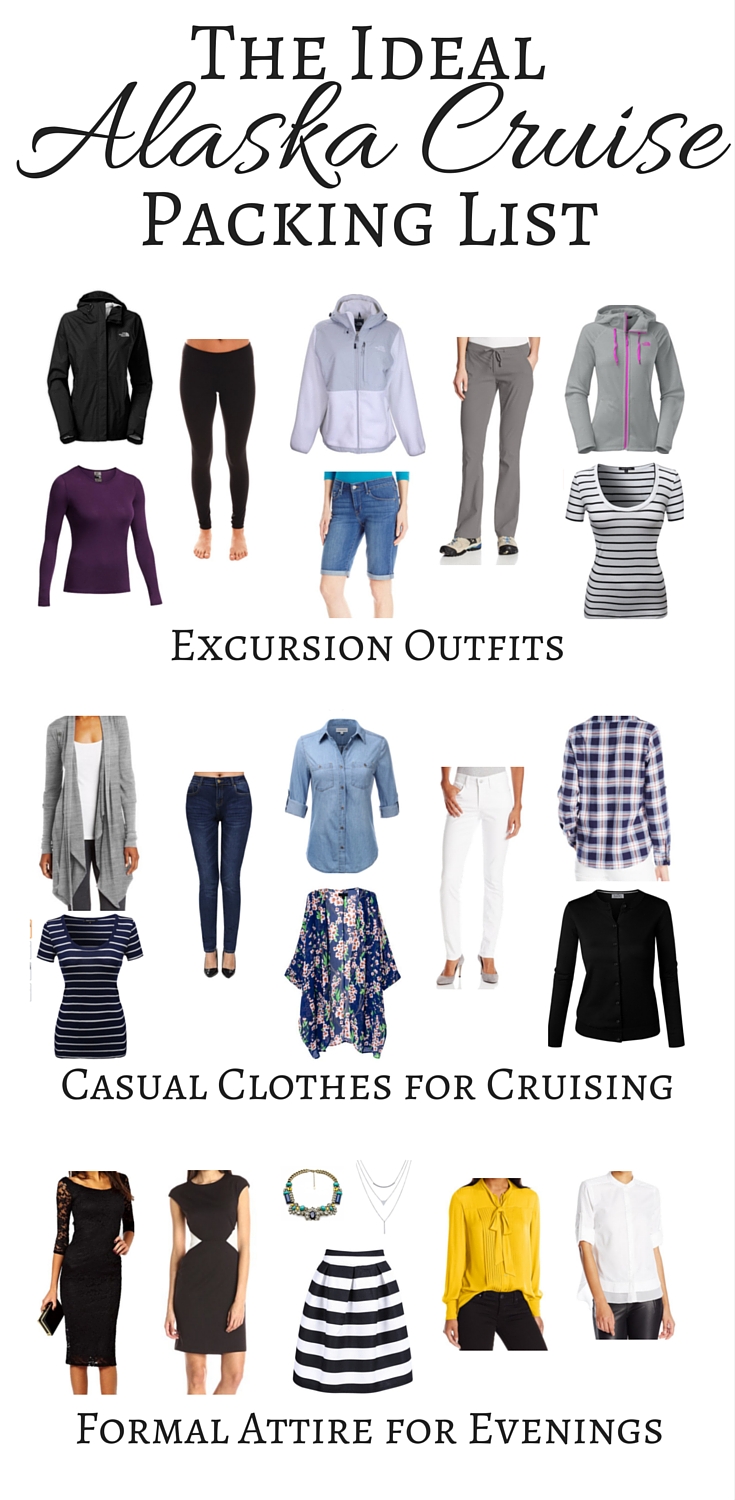
Seasonal Variations
Cruises typically run from May through September, each month offering slightly different conditions.
- May and Early June: These months often bring cooler temperatures, sometimes dipping into the 40s°F (4-9°C), with a higher chance of rain. However, they also boast fewer crowds and lush green landscapes. Layers are crucial, as are waterproof outer garments.
- Late June to August: Considered peak season, these months generally offer the warmest temperatures, often reaching the 60s°F (15-20°C), and longer daylight hours. While sunnier, rain is still common, particularly in the Inside Passage. Pack for mild days but be ready for sudden drops in temperature.
- September: As autumn approaches, temperatures begin to cool again, similar to May. The benefit is the potential for fall foliage and fewer crowds. Rain chances increase, making waterproof gear even more critical.
Onboard vs. Onshore
Temperatures can vary significantly between being at sea and exploring a port like Juneau or Skagway. At sea, especially when viewing glaciers such as those in Glacier Bay National Park or the Hubbard Glacier, the wind chill can make it feel much colder, often dropping into the 30s°F (0-4°C), even if the sun is out. Shore excursions, particularly those involving hiking or walking, can generate body heat, making lighter layers more comfortable. The principle of layering is therefore not just a recommendation but a necessity.
Essential Layers for Every Adventure
The cornerstone of an Alaska Cruise wardrobe is a versatile layering system. This allows you to add or remove clothing as temperatures and activity levels change, ensuring you remain comfortable throughout your journey.
Base Layers: Moisture-Wicking Comfort
These are the garments worn directly against your skin. Their primary function is to wick moisture away from your body, keeping you dry and warm.
- Materials: Opt for synthetic fabrics like polyester or natural fibers such as merino wool. Avoid cotton for base layers, as it absorbs moisture and dries slowly, leading to a chill.
- Items: Pack several long-sleeve shirts and leggings. These can be worn under heavier clothing on colder days or alone on milder days.
Mid-Layers: Insulation is Key
Mid-layers provide crucial insulation, trapping warm air close to your body.
- Materials: Fleece jackets, wool sweaters, or down vests are excellent choices. Fleece is lightweight, dries quickly, and provides good warmth for its bulk.
- Items: Bring at least two mid-weight fleece jackets or sweaters. A lightweight packable down jacket can also serve as a highly effective mid-layer, offering superior warmth without significant weight. These are perfect for layering under a waterproof shell for glacier viewing or wearing on their own during a cool evening stroll.
Outer Layers: Waterproof and Windproof Protection
Your outermost layer is your shield against Alaska’s unpredictable weather elements: rain, wind, and sea spray.
- Materials: A high-quality waterproof and windproof jacket is non-negotiable. Look for jackets with sealed seams and a durable water-repellent (DWR) finish. Breathable materials like Gore-Tex are ideal to prevent overheating during activity.
- Items: A waterproof rain jacket with a hood is essential. Consider packing waterproof rain pants as well, especially if you plan on extended outdoor excursions like kayaking in Ketchikan or hiking. This combination will keep you dry and comfortable during wet weather conditions.
Footwear for Exploration and Relaxation
The right footwear can make or break your enjoyment of an Alaska Cruise, particularly during shore excursions.
Waterproof Hiking Boots
For port days that involve exploring towns, walking trails, or embarking on more adventurous excursions, sturdy, waterproof hiking boots are indispensable.
- Features: Look for boots with good ankle support, excellent traction, and a waterproof membrane.
- Usage: These will protect your feet from mud, puddles, and uneven terrain, ensuring comfort during long walks or light hikes. Break them in before your trip to avoid blisters.
Comfortable Deck Shoes
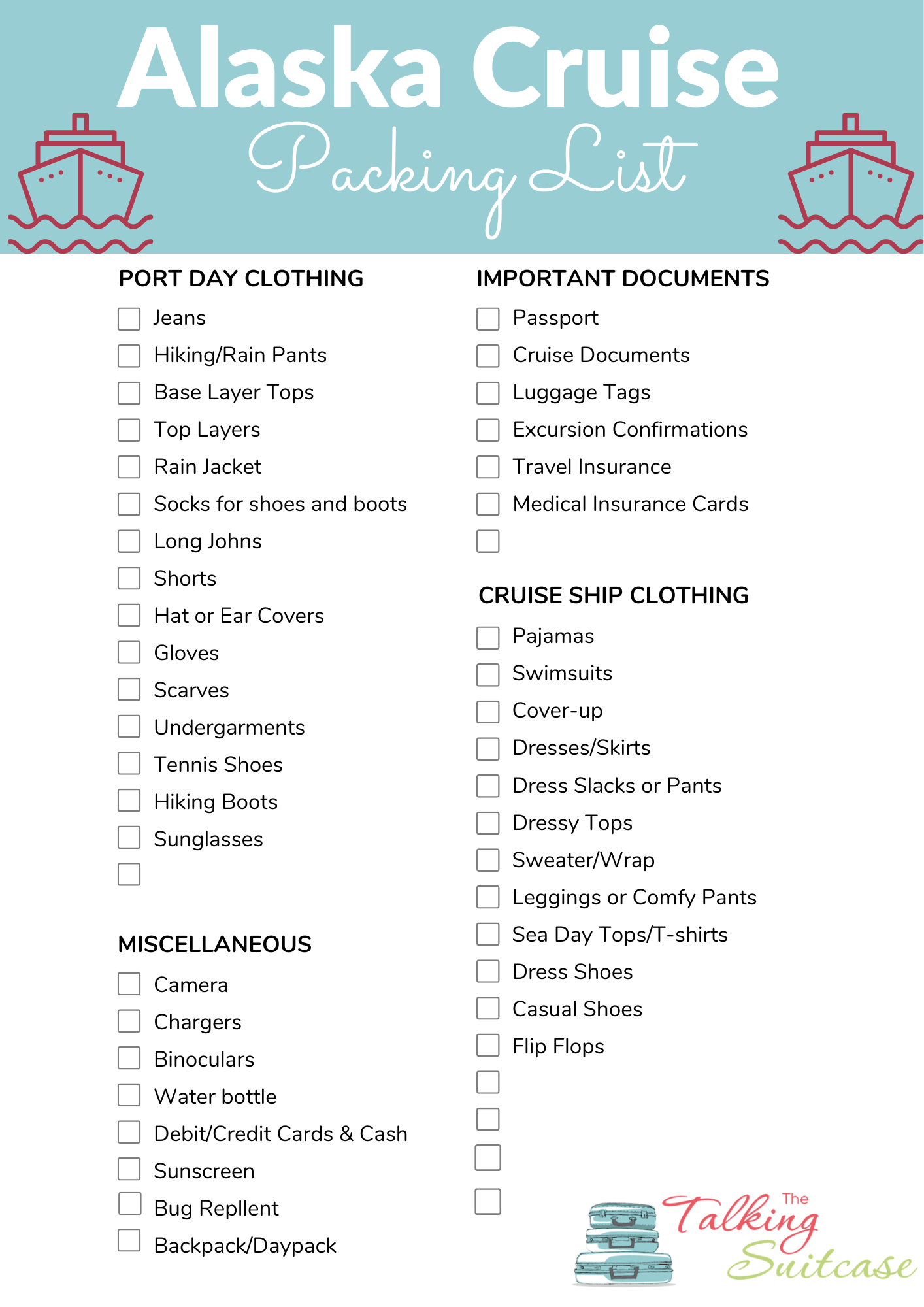
Onboard the ship, especially on deck for wildlife viewing or simply enjoying the ocean breeze, comfortable, non-slip shoes are a must.
- Features: Choose shoes with good grip on wet surfaces.
- Usage: Deck shoes, athletic sneakers, or even waterproof walking shoes are suitable. These also serve well for casual strolls around the ship.
Casual Footwear
For evenings and relaxed moments in your cabin or the ship’s lounges, a pair of comfortable loafers or slip-ons will be appreciated. You might also consider packing flip-flops or sandals for pool areas or spa visits, though these are less critical than the other two categories.
Beyond Clothing: Must-Have Accessories
Beyond your layered clothing system, several accessories will significantly enhance your Alaska Cruise experience.
Eye Protection and Headwear
- Sunglasses: Even on cloudy days, UV rays reflecting off water and ice can be intense. Polarized sunglasses are excellent for reducing glare and improving visibility for wildlife spotting.
- Warm Hat: A warm, fleece-lined or wool hat that covers your ears is critical, especially when out on deck for glacier viewing or during windy excursions.
- Gloves: Waterproof gloves or mittens are highly recommended for keeping your hands warm and dry, especially during colder outings. Lighter fleece gloves can also be useful for milder conditions.
Photography and Binoculars
- Camera Gear: Alaska is a photographer’s paradise. Bring a good camera with extra batteries (cold weather drains batteries faster), plenty of memory cards, and a waterproof bag to protect your equipment from spray or rain. A telephoto lens is ideal for capturing distant wildlife.
- Binoculars: Absolutely essential for spotting bears, eagles, whales, and other marine life from the ship or during shore excursions. A pair with 8×42 or 10×42 magnification is generally recommended. Each member of your travel party might want their own pair.
Health and Personal Care
- Motion Sickness Medication: Even on large ships, the seas can occasionally be choppy, particularly in the open Pacific Northwest before entering the calmer Inside Passage. Pack preventative medication like Dramamine or Bonine, or consider sea bands.
- Sunscreen and Lip Balm with SPF: Despite the cooler temperatures, UV exposure can be high, especially with reflections off the water. Protect your skin.
- Insect Repellent: While less of an issue at sea, mosquitoes and other biting insects can be present during shore excursions, especially in wooded areas.
- Personal Medications: Carry all necessary prescription and over-the-counter medications in your carry-on luggage.
- Moisturizer: The dry air onboard and varying temperatures can be hard on skin.
Daypack and Luggage Considerations
- Waterproof Daypack: A small, waterproof or water-resistant backpack is invaluable for shore excursions. It can hold your camera, binoculars, water bottle, extra layers, and snacks.
- Luggage: Opt for durable, easy-to-manage luggage. Many cruisers start their journey from cities like Seattle or Vancouver, so consider the logistics of transport. Pack light where possible to avoid excess baggage fees, but prioritize essential cold-weather gear.
Cruise-Specific Comforts and Formalities
While the focus for Alaska is on practical outdoor gear, don’t forget the onboard experience.
Evening Attire
Cruise ship dress codes vary. Most Alaska cruises tend to be more relaxed than traditional Caribbean sailings.
- Smart Casual: This is generally acceptable for most evenings in the main dining rooms. Think collared shirts, slacks, or dark jeans for men, and dresses, skirts, or nice trousers for women.
- Formal Night (Optional): Some cruise lines still offer one or two “formal nights.” If you wish to participate, pack a cocktail dress or a suit/sport coat. Many passengers choose to forgo this and dine in more casual venues on these nights. Check your specific cruise line’s guidelines.
Swimwear and Gym Gear
Many ships have indoor pools, hot tubs, and fitness centers.
- Swimsuit: Don’t forget a swimsuit for a relaxing dip or a soak in a hot tub, perhaps even under the northern lights on a clear night.
- Workout Clothes: If you plan to use the ship’s gym, pack appropriate athletic wear and shoes.

Cabin Comforts
- Small Umbrella: While your rain jacket will be your primary defense, a small, collapsible umbrella can be handy for quick dashes around port towns.
- Power Strip (non-surge protected): Cabins often have limited outlets. A small, non-surge protected power strip can be useful for charging multiple devices. Confirm your cruise line’s policy on this.
- Reusable Water Bottle: Stay hydrated and reduce plastic waste by bringing your own water bottle to refill on the ship.
Packing for an Alaska Cruise requires careful consideration, but with the right layers and essential items, you’ll be well-prepared to embrace every moment of this incredible travel destination. Focus on versatility, waterproofing, and warmth, and you’re set for an adventure of a lifetime.
LifeOutOfTheBox is a participant in the Amazon Services LLC Associates Program, an affiliate advertising program designed to provide a means for sites to earn advertising fees by advertising and linking to Amazon.com. Amazon, the Amazon logo, AmazonSupply, and the AmazonSupply logo are trademarks of Amazon.com, Inc. or its affiliates. As an Amazon Associate we earn affiliate commissions from qualifying purchases.