
Witnessing the ethereal dance of the Northern Lights, or Aurora Borealis, is a dream for many travelers, and Alaska stands as one of the world’s premier destinations for this celestial spectacle. Planning a trip to see them requires an understanding of the science behind the phenomenon and the specific conditions that maximize visibility. This guide delves into the optimal timing, locations, and essential tips to help you chase the aurora successfully in the Last Frontier.
Understanding the Aurora Borealis Phenomenon
The Northern Lights are a natural light display in Earth’s sky, predominantly seen in high-latitude regions. They occur when charged particles from the sun, ejected during solar flares and coronal mass ejections, collide with gases in Earth’s atmosphere. These collisions excite the atmospheric gases, causing them to emit light. The most common color is green, produced by oxygen atoms, but reds, blues, and purples can also appear due to nitrogen and different altitudes of oxygen.
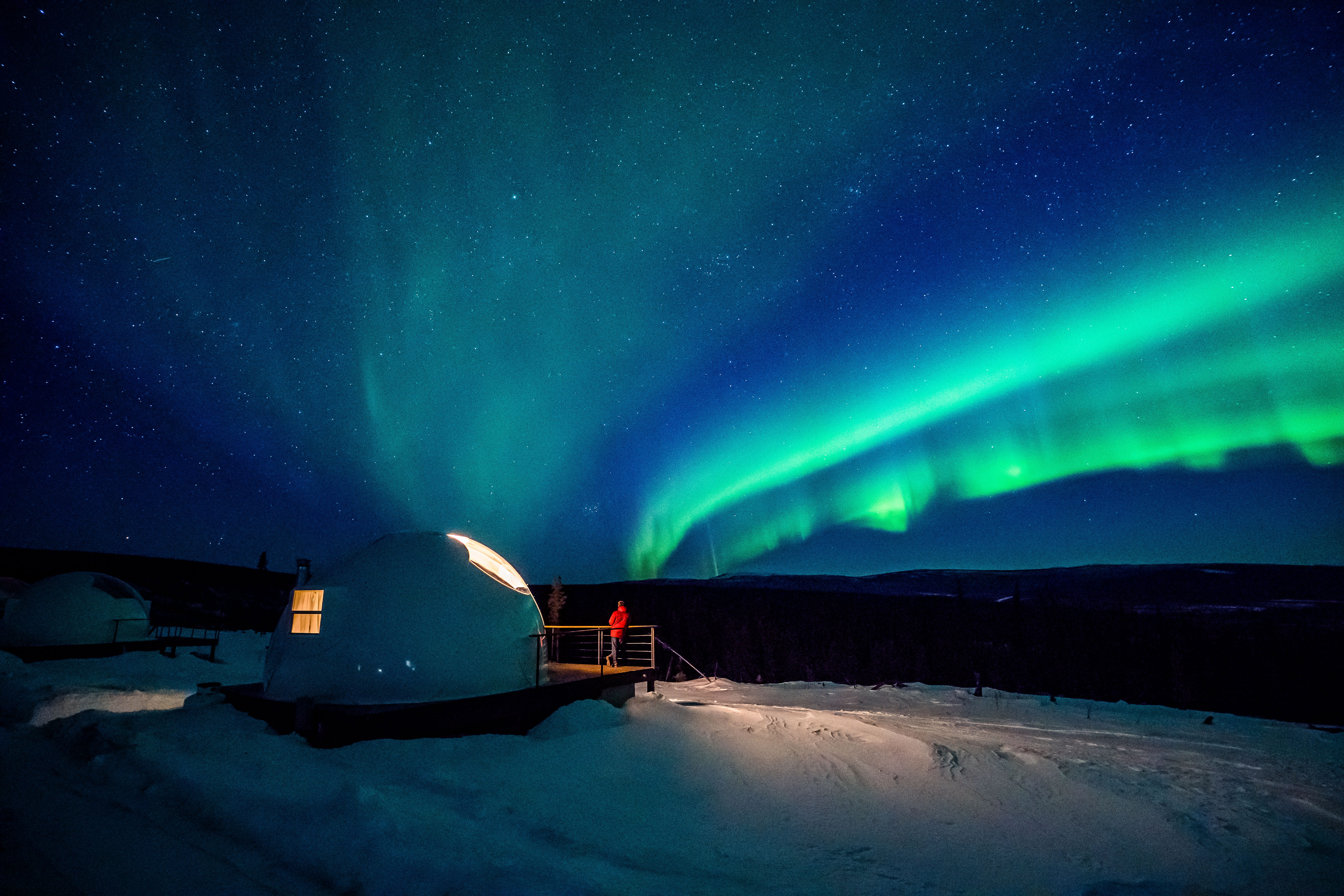
Three primary factors dictate whether you’ll see the aurora: solar activity, darkness, and clear skies. Strong solar activity translates to more intense auroras. Absolute darkness, away from city light pollution, is crucial for observing the fainter glows. Finally, an unobstructed view of the sky, free from clouds, is non-negotiable. Alaska’s unique geographical position, high latitude, and expansive wilderness offer ideal conditions when timed correctly.
The Optimal Season: Winter’s Dark Embrace
To maximize your chances of seeing the Northern Lights in Alaska, timing your visit during the darkest months of the year is paramount.
Peak Viewing Months: September to March
The prime aurora viewing season in Alaska generally runs from mid-September through late March. During these months, the nights are long and dark, especially from late October to February, when daylight hours are minimal. The cold, crisp air often brings clearer skies, reducing cloud cover that can obscure the aurora.
- September and October: These months offer a unique blend of autumn colors and increasingly dark nights. While the temperatures are milder than deep winter, the aurora displays can be vibrant, and the landscape is still accessible before heavy snows.
- November to February: This is the heart of winter, characterized by extremely short days and very long, dark nights. Temperatures can be brutally cold, but the extended darkness provides the longest windows for aurora viewing. It’s also a great time for other winter activities.
- March: As spring approaches, daylight hours begin to increase, but nights remain sufficiently dark for aurora viewing. The weather can be a bit more unpredictable, with warmer temperatures potentially bringing more cloud cover, but clear nights still offer spectacular shows.
Shoulder Seasons: Late August and Early April
While not as reliable as the peak months, there is a possibility of catching the aurora in late August and early April. In late August, the nights are just starting to get dark enough after the prolonged summer daylight. Early April sees the aurora season winding down as the days rapidly lengthen. While possible, these shoulder seasons come with lower probabilities due to less sustained darkness and potentially warmer, cloudier weather patterns.
Why Summer is Not Ideal
From late April through mid-August, viewing the Northern Lights in Alaska is virtually impossible. This period is dominated by the phenomenon of the “Midnight Sun,” where the sun never fully sets or remains above the horizon for extended periods. Even at night, the sky remains too bright to see the relatively faint auroral displays, regardless of solar activity. If your primary goal is to see the aurora, avoid planning a summer trip.
Best Locations in Alaska for Aurora Chasing
Choosing the right location significantly impacts your success in seeing the Northern Lights. Latitude, minimal light pollution, and a history of clear skies are key considerations.
Fairbanks: The Aurora Capital
Often hailed as the “Aurora Capital of Alaska,” Fairbanks is situated directly beneath the auroral oval, a ring-shaped region around Earth’s magnetic poles where the aurora is most active. Its interior location typically means drier weather and more clear nights compared to coastal areas. With a high probability of aurora activity 80% of clear nights, and numerous aurora tour operators and viewing lodges, Fairbanks offers excellent infrastructure for aurora chasers. Popular viewing spots near Fairbanks include Chena Hot Springs and Ski Land.
Anchorage and Southcentral Alaska
Anchorage is Alaska’s largest city, but its more southerly latitude and significant light pollution make it a less ideal primary destination for aurora viewing. While strong displays can occasionally be seen from Anchorage, you’ll need to drive at least an hour or two north or east, away from city lights, to find darker skies. Areas around the Matanuska Valley or Talkeetna offer better chances. If your trip is centered around Anchorage, you might catch a glimpse, but it shouldn’t be your sole aurora hunting ground.
Remote Wilderness Lodges
For the most immersive and darkest sky experiences, consider venturing to remote wilderness lodges. These destinations offer an unparalleled connection to nature and freedom from light pollution.
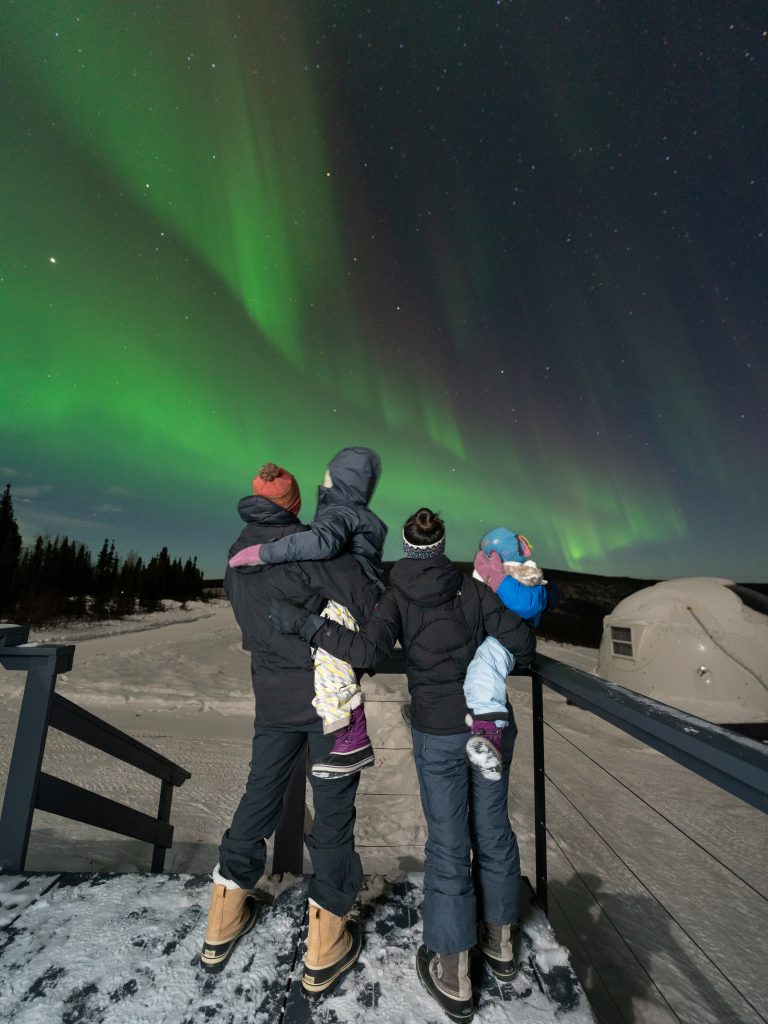
- Bettles: Located above the Arctic Circle, Bettles is a tiny community offering incredibly dark skies and high chances of aurora viewing. Access is typically by small aircraft.
- Coldfoot: Another Arctic Circle destination, Coldfoot sits along the Dalton Highway. It offers a rugged, remote experience with excellent aurora potential.
- Denali National Park: While Denali National Park is famous for its wildlife and majestic peak, its vast, dark expanse also makes it a prime aurora viewing location during the winter. Some lodges operate just outside the park during the colder months.
These remote locations offer a higher probability of seeing the aurora due to their extreme darkness and northern latitude, but they require more planning and are often more expensive to access.
Essential Tips for a Successful Aurora Trip
Seeing the Northern Lights requires more than just being in the right place at the right time; it also demands preparation and a bit of luck.
Timing Your Visit Beyond the Season
- Moon Phases: Plan your trip around a new moon for the darkest skies. A bright full moon, while beautiful, can diminish the aurora’s visibility, especially fainter displays.
- Solar Forecasts: Consult aurora forecast websites (e.g., NOAA’s Space Weather Prediction Center) that provide a Kp-index, indicating geomagnetic activity. A Kp-index of 3 or higher is generally considered good for visibility in Alaska. While not a guarantee, it helps predict potential activity.
Weather Conditions: Clear Skies are Paramount
Even during peak season, cloud cover can completely obscure the aurora.
- Check Local Forecasts: Monitor local weather forecasts closely during your trip. Look for nights predicted to have clear or mostly clear skies.
- Flexibility: Be prepared to drive to different locations, sometimes hours away, to find a patch of clear sky if clouds are localized. Many aurora tours in Fairbanks are adept at chasing clearings.
Preparation and Gear
Alaska in winter is seriously cold. Dressing appropriately is crucial for comfort and safety during long hours of waiting outdoors.
- Layered Clothing: Think thermal base layers, fleece mid-layers, and a waterproof/windproof outer shell.
- Extremity Protection: Insulated boots (rated for -20°F/-29°C or colder), wool socks, warm gloves or mittens, a hat, and a balaclava are essential. Hand warmers and foot warmers are highly recommended.
- Camera Equipment: A DSLR or mirrorless camera with a wide-angle lens (f/2.8 or faster), a sturdy tripod, and extra batteries (cold drains batteries quickly) are necessary for photography. Learn basic night photography settings before you go.
Guided Tours vs. Self-Driving
- Guided Tours: Many operators in Fairbanks and other towns offer aurora tours. These tours often provide transportation to dark sky locations, hot beverages, and sometimes even a warm shelter. Guides are experienced in finding clear skies and interpreting forecasts, taking the guesswork out of your chase.
- Self-Driving: Renting a four-wheel-drive vehicle allows for flexibility and independent exploration. However, you’ll need to be comfortable driving on icy and snowy roads in extreme cold and navigate to dark areas on your own. Ensure your rental car has winter tires and an engine block heater.
Patience and Flexibility
The aurora is a natural phenomenon, and there are no guarantees. You might have to wait several nights for a strong display, or a promising forecast might be thwarted by unexpected cloud cover. Cultivate patience, maintain a positive attitude, and be flexible with your plans. Often, the most spectacular displays occur in the late hours of the night.
Beyond the Lights: What Else to Do in Winter Alaska
While the Northern Lights are the main draw, a winter trip to Alaska offers a plethora of other unique experiences that can complement your aurora hunt.
Winter Sports and Recreation
- Skiing and Snowboarding: Resorts like Alyeska Resort near Anchorage offer excellent downhill skiing and snowboarding. Cross-country skiing and snowshoeing trails are abundant throughout the state.
- Ice Skating: Many communities maintain outdoor ice rinks, and occasionally frozen lakes provide natural skating opportunities.
- Snowmobiling (Snowmachining): Experience the vast Alaskan wilderness by snowmobile, with guided tours available in many areas.
Iconic Alaskan Experiences
- Dog Sledding: Take a thrilling ride on a dog sled, a quintessential Alaskan activity. Many tours offer hands-on experiences, including meeting the dogs and learning about mushing culture. Some even combine dog sledding with aurora viewing opportunities.
- Ice Fishing: Try your hand at ice fishing on one of Alaska’s frozen lakes, often with heated huts for comfort.
- Hot Springs: Relax in the natural geothermal waters of places like Chena Hot Springs near Fairbanks. Soaking in warm water while surrounded by snow, perhaps even with the aurora dancing above, is an unforgettable experience.

Cultural and Wildlife Encounters
- Museums and Cultural Centers: Explore Alaska’s rich Native American heritage and pioneer history at museums in Fairbanks, Anchorage, and other towns.
- Wildlife Viewing: While many animals hibernate, you might still spot moose, caribou, and other hardy wildlife. Check out wildlife conservation centers for guaranteed sightings.
Planning a trip to see the Northern Lights in Alaska during the winter months of September to March offers the best chance for a truly magical experience. By understanding the optimal conditions, choosing the right location, and preparing for the cold, you set yourself up for an unforgettable celestial display.
LifeOutOfTheBox is a participant in the Amazon Services LLC Associates Program, an affiliate advertising program designed to provide a means for sites to earn advertising fees by advertising and linking to Amazon.com. Amazon, the Amazon logo, AmazonSupply, and the AmazonSupply logo are trademarks of Amazon.com, Inc. or its affiliates. As an Amazon Associate we earn affiliate commissions from qualifying purchases.