
Navigating the intricate landscape of cannabis legality can be a complex endeavor, particularly when exploring its various compounds and their regulatory status. For travelers, residents, and enthusiasts interested in the burgeoning hemp and cannabis industry in the Lone Star State, understanding the nuances of laws surrounding THCA is paramount. This article delves into the current legal standing of Tetrahydrocannabinolic Acid (THCA) in Texas, aiming to provide clarity and informed insights for anyone engaging with these products within the state’s borders.
The legality of cannabis-derived products often hinges on specific definitions and testing methodologies. In Texas, the framework established by the 2018 Farm Bill, which legalized hemp at the federal level, plays a crucial role. This legislation defines hemp as any cannabis plant containing less than 0.3% Delta-9 THC (Tetrahydrocannabinol) on a dry weight basis. This distinction is critical because it separates hemp from marijuana, which remains illegal for recreational use in Texas.
Understanding THCA and its Relationship to THC
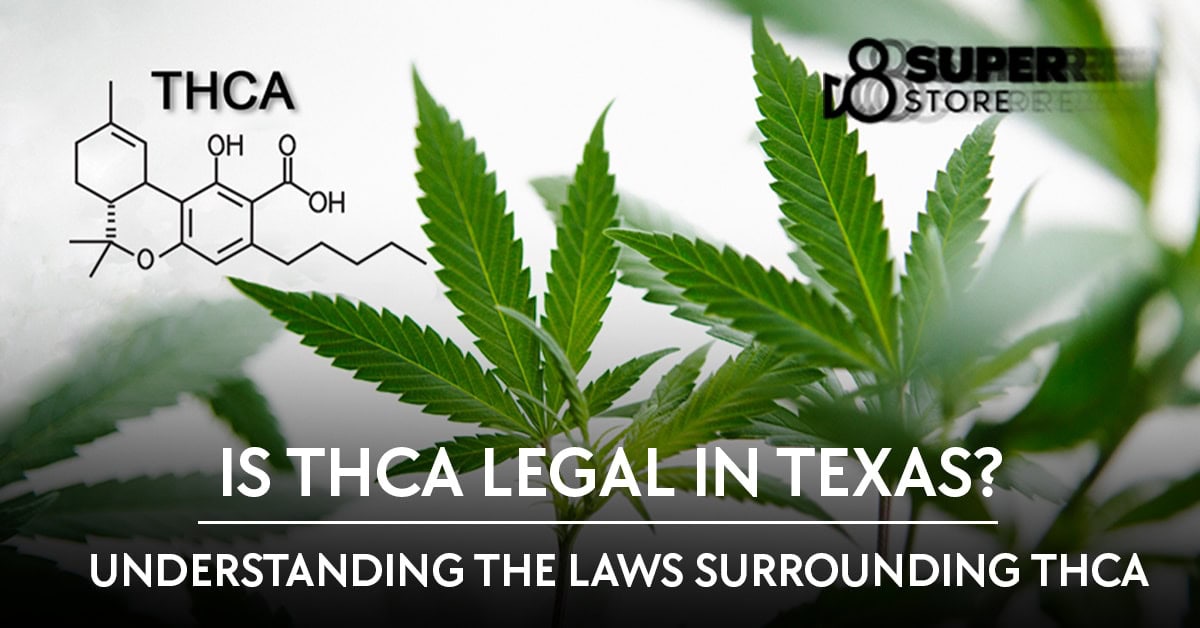
THCA is the acidic precursor to Delta-9 THC. In its raw form, as found in the cannabis plant, THCA is non-intoxicating. It does not produce the psychoactive effects associated with Delta-9 THC. The conversion of THCA to Delta-9 THC occurs through a process called decarboxylation, typically initiated by heat. This is why raw cannabis flower, if consumed without heating, does not induce a “high.”
The Decarboxylation Process and Legal Implications
The legal status of a cannabis product in Texas often depends on whether it contains Delta-9 THC above the 0.3% threshold or if it can easily be converted to exceed that threshold. Since THCA itself is not Delta-9 THC, products containing high levels of THCA, but minimal Delta-9 THC, fall into a legally ambiguous zone that has been a subject of considerable debate and evolving interpretation.
The key question for legality in Texas revolves around the concentration of Delta-9 THC. If a product, including flower or concentrates derived from hemp, tests below the 0.3% Delta-9 THC limit, it is generally considered legal under state law, even if it contains significant amounts of THCA. However, the potential for THCA to convert to Delta-9 THC through processes like smoking, vaping, or cooking is where legal scrutiny intensifies.
Texas’s Regulatory Landscape: The Texas Hemp Program
Following the federal legalization of hemp, Texas established its own regulatory framework through the Texas Department of Agriculture (TDA). The Texas Hemp Program governs the cultivation, processing, and sale of hemp and hemp-derived products within the state. For a product to be legally sold in Texas, it must originate from hemp that meets the federal and state definition of having less than 0.3% Delta-9 THC on a dry weight basis.
Key Regulations and Testing Requirements
Under the Texas Hemp Program, all hemp harvested for commercial purposes must be tested by a TDA-approved laboratory to verify its compliance with the Delta-9 THC concentration limit. This testing is crucial for determining whether a product is classified as legal hemp or illegal marijuana. Products that fail these tests, meaning they exceed the 0.3% Delta-9 THC threshold, are subject to confiscation and potential legal action.
The TDA’s regulations primarily focus on the final Delta-9 THC content. This means that while THCA itself is not directly regulated in the same way as Delta-9 THC, the potential for it to contribute to exceeding the legal limit is a significant consideration for manufacturers and consumers alike. If a product is presented in a way that suggests it is intended for consumption methods that would cause decarboxylation, law enforcement and regulatory bodies may scrutinize its compliance more closely.

THCA Flower and Emerging Legal Challenges
The sale of “THCA flower,” which is essentially hemp flower with high concentrations of THCA and low concentrations of Delta-9 THC, has become a point of contention. Proponents argue that these products are legal because, in their raw state, they meet the legal definition of hemp. Critics and law enforcement officials often express concern that these products are intended to be smoked or vaped, which would decarboxylate the THCA into Delta-9 THC, potentially leading to intoxication and exceeding the legal limit.
The “Intent” Argument and Law Enforcement Stance
The legal interpretation in Texas regarding THCA flower often boils down to the “intent” of the product and its intended use. If a product is marketed or packaged in a manner that suggests it is meant for smoking or inhalation, even if its raw form tests below the Delta-9 THC limit, it could be viewed as an attempt to circumvent the law. Law enforcement agencies may seize such products if they believe they are being distributed in violation of state drug laws.
The lack of explicit legal guidance specifically addressing THCA flower creates an environment of uncertainty. While technically legal if the raw product tests under 0.3% Delta-9 THC, the practical implications and potential for legal challenges mean that consumers and businesses should exercise caution. The prevailing sentiment among some legal experts is that law enforcement agencies may interpret the law broadly, focusing on the potential for the product to become intoxicating once consumed.
Navigating the Market: What Consumers Should Know
For individuals interested in purchasing or possessing THCA products in Texas, understanding the current legal climate is essential. While the Texas Hemp Program aims to align with federal hemp regulations, the enforcement and interpretation of these laws can vary.
Due Diligence and Product Sourcing
When purchasing THCA products, it is advisable to seek out reputable vendors who provide third-party lab reports (Certificates of Analysis or COAs) for their products. These reports should clearly indicate the levels of both Delta-9 THC and THCA, as well as other cannabinoids. Consumers should ensure that the COA confirms the product’s Delta-9 THC content is below the 0.3% threshold.
It is also wise to be aware of how products are marketed and packaged. Products that are explicitly advertised for smoking or vaping, even if they are derived from hemp, may face increased scrutiny. The safest approach for consumers is to assume that any product that can be easily converted into intoxicating levels of Delta-9 THC carries some legal risk.
The Evolving Legal Landscape
The legal status of THCA and other hemp-derived cannabinoids is a rapidly evolving area of law. As the industry grows and more products become available, legislatures and courts are continuously grappling with how to regulate them effectively. It is crucial for anyone involved with these products in Texas to stay informed about any changes in legislation, regulatory guidance, or court rulings.
The ultimate answer to whether THCA is illegal in Texas is nuanced. In its raw, acidic form, THCA is not Delta-9 THC and is present in legal hemp products. However, the potential for it to convert into an illegal substance through common consumption methods, coupled with the strict enforcement of Delta-9 THC limits, means that THCA products exist in a legally precarious position. Consumers and businesses must navigate this space with a thorough understanding of the law and a commitment to compliance.
LifeOutOfTheBox is a participant in the Amazon Services LLC Associates Program, an affiliate advertising program designed to provide a means for sites to earn advertising fees by advertising and linking to Amazon.com. Amazon, the Amazon logo, AmazonSupply, and the AmazonSupply logo are trademarks of Amazon.com, Inc. or its affiliates. As an Amazon Associate we earn affiliate commissions from qualifying purchases.