
Witnessing the ethereal dance of the Northern Lights, also known as the Aurora Borealis, is a bucket-list experience for many travelers. Alaska, with its vast unpopulated expanses and proximity to the magnetic pole, stands as one of the world’s premier destinations for this spectacular natural phenomenon. However, merely being in Alaska isn’t enough; timing is everything. Understanding the prime viewing windows and optimal conditions is crucial for any traveler hoping to catch a glimpse of the aurora’s vibrant hues painting the night sky.
Understanding the Aurora Season in Alaska
The aurora display is a result of charged particles from the sun interacting with the Earth’s magnetic field, causing gases in our atmosphere to emit light. For this light show to be visible, several key factors must align: darkness, clear skies, and sufficient solar activity.

The Best Months for Aurora Viewing
The aurora season in Alaska generally runs from late August through April. Within this broad period, the absolute best time for aurora viewing typically falls between September and March. These months offer the longest periods of darkness, which is a non-negotiable requirement for seeing the aurora.
- August to October: This early part of the season is favored by some travelers as it often coincides with milder temperatures and stunning autumn foliage. While the nights are getting longer, they aren’t at their maximum darkness until later in the year. However, if strong solar activity occurs, the aurora can be quite visible. Late August and September often provide a unique opportunity to see the aurora reflected in lakes and rivers before they freeze over.
- November to February: These are the heart of the Alaskan winter and generally considered the peak months for aurora viewing. The nights are at their longest, extending for 14-18 hours or more depending on the latitude. Temperatures are at their coldest, often dropping far below freezing, but the extended darkness dramatically increases the chances of seeing a display. This period also coincides with various winter activities like dog sledding and ice sculpting, making for a comprehensive winter travel experience.
- March to April: As spring approaches, the days begin to lengthen, gradually reducing the available darkness. However, March is still an excellent month, often boasting clearer skies than the deeper winter months and slightly less extreme cold. April marks the tail end of the season, and while auroras can still appear, the shortening nights make strong displays less common. By late April and May, the continuous daylight of the “midnight sun” effectively ends the aurora viewing season until late summer.
Why Darkness is Key
Just like stars, the Northern Lights are fainter than daylight. Complete darkness, free from city lights and the sun’s glow, is paramount for aurora visibility. The darker the sky, the more vibrant and detailed the aurora appears. This is why the periods around the new moon are often preferred by serious aurora chasers, as the absence of moonlight further enhances the darkness. Travelers should plan to be out between 10 PM and 3 AM, as these are statistically the most active hours for the aurora, though displays can occur earlier or later.
Solar Activity and its Impact
While darkness and clear skies are necessary, the aurora itself is powered by solar activity. The sun constantly emits charged particles, and when these increase (due to solar flares or coronal mass ejections), the resulting geomagnetic storms amplify the aurora’s intensity and visibility. Several forecasting tools are available online (e.g., the Space Weather Prediction Center by NOAA) that provide Kp-index predictions, a scale indicating the strength of a geomagnetic disturbance. A Kp-index of 3 or higher suggests good aurora potential, with higher numbers indicating more widespread and intense displays. Travelers should monitor these forecasts in the days leading up to and during their trip.
Prime Destinations for Aurora Chasing
While the aurora can technically be seen anywhere in Alaska given the right conditions, certain locations offer significantly better odds and infrastructure for aurora tourism.
Fairbanks: The Aurora Capital
Often hailed as the “Aurora Capital of Alaska” and even the world, Fairbanks is undoubtedly the top destination for aurora viewing. Its geographical location directly beneath the Auroral Oval – a band around the magnetic pole where aurora activity is most concentrated – gives it a distinct advantage. Fairbanks also benefits from its interior location, which typically means drier, clearer skies compared to coastal regions that are prone to cloud cover.
Fairbanks offers a robust tourism infrastructure tailored for aurora visitors. This includes numerous aurora tours, heated viewing lodges, and even specific aurora-themed accommodations. Travelers can choose from guided excursions that take them away from city lights, dog sledding tours culminating in aurora viewing, or simply finding a good spot outside the city limits. The University of Alaska Fairbanks Geophysical Institute also provides valuable local aurora forecasts. Popular viewing spots near Fairbanks include Chena Hot Springs (offering the unique experience of soaking in hot springs while watching the lights), Cleary Summit, and the outskirts of town.
Beyond Fairbanks: Other Excellent Spots
While Fairbanks is the most reliable, other Alaskan destinations also offer excellent aurora viewing opportunities, especially for travelers looking to combine aurora chasing with other unique experiences.
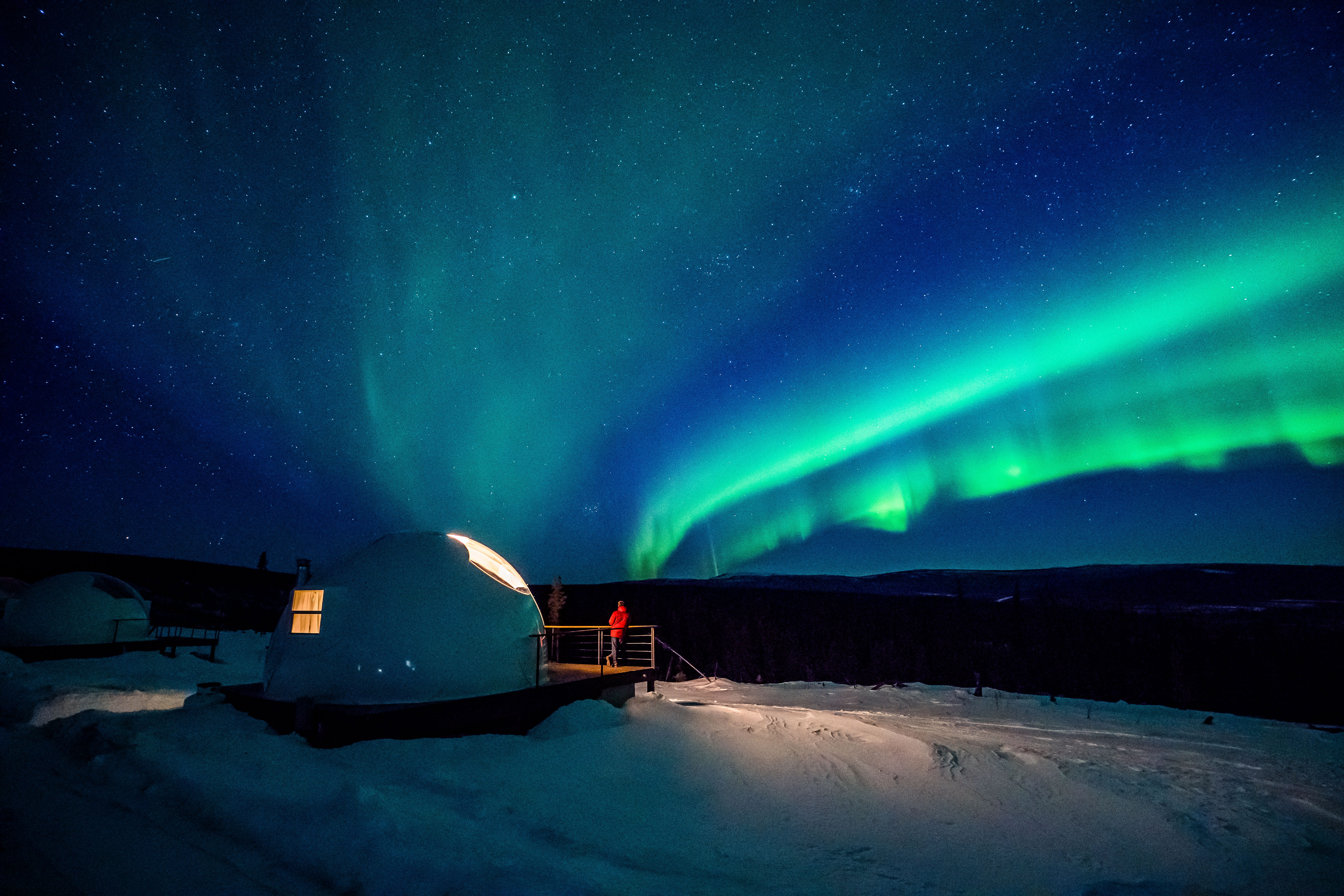
- Anchorage and Southcentral Alaska: Anchorage is Alaska’s largest city, but its light pollution makes direct viewing from downtown challenging. However, a short drive north, away from city lights, can yield good results, especially during strong displays. Places like Girdwood or the Matanuska Valley offer decent viewing opportunities, often with stunning mountain backdrops. These areas are excellent for travelers who want a broader range of activities alongside aurora hunting.
- The Arctic Circle and Northern Alaska: For the ultimate wilderness aurora experience, venturing north of the Arctic Circle to towns like Utqiagvik (Barrow), Coldfoot, or Deadhorse guarantees maximum darkness and extremely long nights during winter. The Dalton Highway, stretching to the Arctic Ocean, is a renowned route for adventurous aurora chasers. This region, however, requires significant planning due to extreme cold, limited services, and remote conditions.
- Denali National Park and Preserve: This iconic park offers breathtaking scenery that serves as a dramatic foreground for aurora displays. While the park road is largely closed in winter, visitors can access the area near the park entrance, often staying in nearby Healy or Cantwell. Viewing the aurora with the silhouette of Denali (North America’s highest peak) is an unforgettable experience.
Coastal vs. Interior Views
When planning an aurora trip, it’s essential to consider the difference between Alaska’s coastal and interior climates.
- Interior regions (like Fairbanks, Delta Junction, or areas along the Alaska Highway) generally experience a continental climate characterized by very cold, dry air and typically clearer skies, making them ideal for aurora viewing.
- Coastal regions (such as Anchorage, Seward, or Juneau) have a maritime climate, which is milder but often comes with more cloud cover and precipitation (snow or rain), significantly reducing aurora visibility. While strong displays can penetrate cloud cover, consistently clear skies are less common. Therefore, for dedicated aurora hunters, the interior usually offers higher success rates.
Planning Your Alaskan Aurora Trip
A successful aurora trip to Alaska requires careful planning, especially considering the unique conditions of winter travel in the Last Frontier.
Optimal Duration and Flexibility
To maximize your chances of seeing the aurora, aim for a trip duration of at least 3 to 5 nights in a prime viewing location like Fairbanks. This provides a buffer against adverse weather conditions or periods of low solar activity. Aurora displays are unpredictable; some nights might be spectacular, while others yield nothing. Flexibility in your schedule, allowing for late-night outings or even adjusting plans based on weather forecasts, is highly beneficial.
Essential Gear and Preparations
Alaska in winter is synonymous with cold. Proper clothing is not just about comfort; it’s about safety.
- Layering: Crucial for staying warm. Start with a moisture-wicking base layer, add insulating middle layers (fleece or down), and finish with a waterproof and windproof outer shell.
- Extremity Protection: High-quality insulated boots (rated for -40°F or colder), thick wool socks, warm mittens (better than gloves for warmth), and a hat that covers your ears are absolutely essential. Hand and foot warmers can also be a lifesaver.
- Camera Gear: If you plan to photograph the aurora, bring a DSLR or mirrorless camera with a wide-angle lens (f/2.8 or faster), a sturdy tripod, extra batteries (cold drains batteries quickly), and a remote shutter release. Familiarize yourself with manual settings for long exposures.
- Other Essentials: A headlamp with a red-light setting (to preserve night vision), snacks, a thermos with hot beverages, and possibly a portable chair are recommended for long nights of waiting.
Guided Tours vs. Self-Guided Adventures
Travelers have options when it comes to experiencing the aurora.
- Guided Tours: These are highly recommended for first-timers or those unfamiliar with winter driving in Alaska. Tour operators know the best local viewing spots, monitor forecasts, provide transportation away from city lights, and often offer heated shelters, hot drinks, and photography assistance. Some tours combine aurora viewing with other activities like snowmobiling or ice fishing.
- Self-Guided Adventures: For experienced winter drivers and independent travelers, renting a car (preferably an AWD/4×4 with winter tires) and exploring on your own can be rewarding. This offers maximum flexibility but requires careful attention to road conditions and personal safety, especially in remote areas. Always inform someone of your plans and destination.
Maximizing Your Chances: Tips for Successful Viewing
Beyond timing and location, several strategies can further enhance your likelihood of witnessing a dazzling aurora display.
Checking the Forecast
Relying on both weather forecasts (for clear skies) and aurora forecasts (for geomagnetic activity) is paramount. Several reliable online sources provide Kp-index predictions, cloud cover maps, and even real-time aurora alerts. Install relevant apps on your phone or check websites frequently. Local tour operators and hotel staff often have up-to-the-minute information.
Escaping Light Pollution
Even a strong aurora can be washed out by artificial lights. Drive at least 20-30 minutes away from city centers like Fairbanks or Anchorage to find truly dark skies. Look for viewing areas designated by local tourism boards or recommended by your tour guide. When you find a spot, turn off your vehicle’s headlights and use a red-light headlamp to avoid disturbing your own or others’ night vision.
Patience is a Virtue
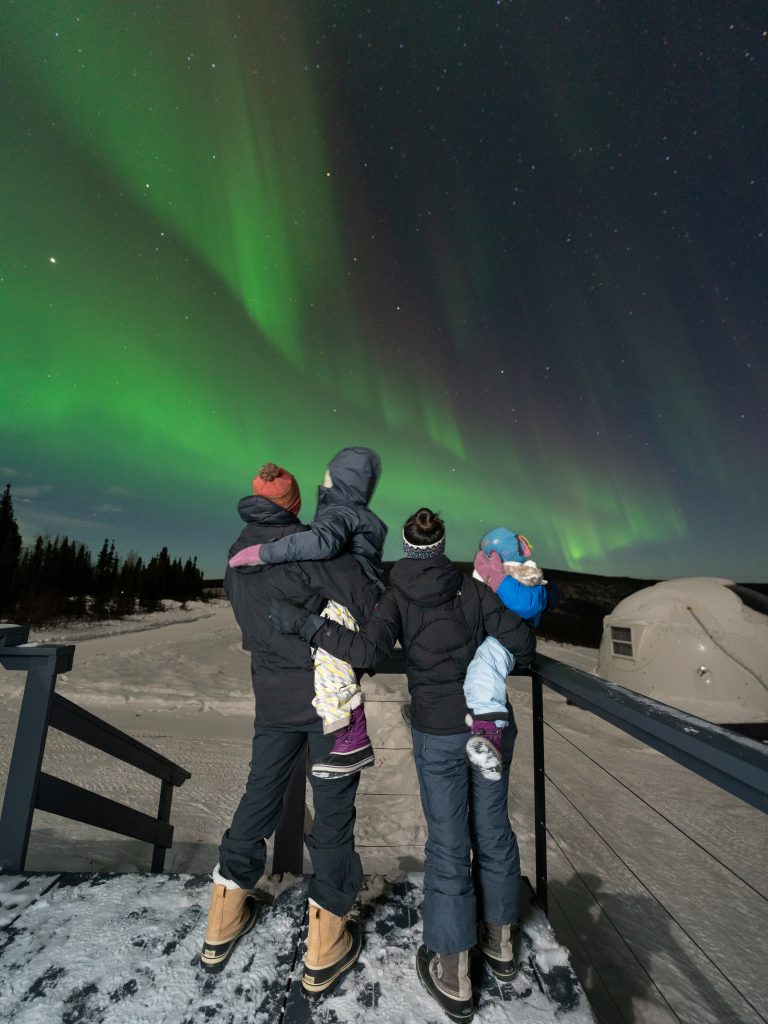
The aurora is a fickle phenomenon. Some nights it might appear as faint, white-green smudges on the horizon, while other nights it erupts into vivid, dancing curtains of color overhead. There will be periods of waiting, sometimes for hours, under freezing conditions. Dress warmly, bring distractions, and maintain a positive attitude. The reward for your patience can be one of the most magnificent spectacles nature has to offer. Remember that the human eye often perceives the aurora as less colorful than what a camera can capture in a long exposure, but the sheer movement and scale are truly awe-inspiring. A traveler’s journey to see the Northern Lights in Alaska is an adventure in itself, regardless of the intensity of the display.
LifeOutOfTheBox is a participant in the Amazon Services LLC Associates Program, an affiliate advertising program designed to provide a means for sites to earn advertising fees by advertising and linking to Amazon.com. Amazon, the Amazon logo, AmazonSupply, and the AmazonSupply logo are trademarks of Amazon.com, Inc. or its affiliates. As an Amazon Associate we earn affiliate commissions from qualifying purchases.