
For individuals considering a long-term stay, purchasing a vacation home, or even relocating to the Heart of Dixie, understanding the intricacies of property tax deadlines in Alabama is an essential component of responsible accommodation planning. While the allure of Alabama’s diverse landscapes—from the pristine beaches of the Gulf Coast to the majestic Appalachian foothills—is undeniable, prospective property owners and long-term residents must familiarize themselves with the state’s property tax calendar to avoid unexpected financial burdens and ensure a smooth transition into their new environment. This guide offers a comprehensive overview of when these taxes are due, how they are assessed, and what long-term stayers need to know to manage their property finances effectively.
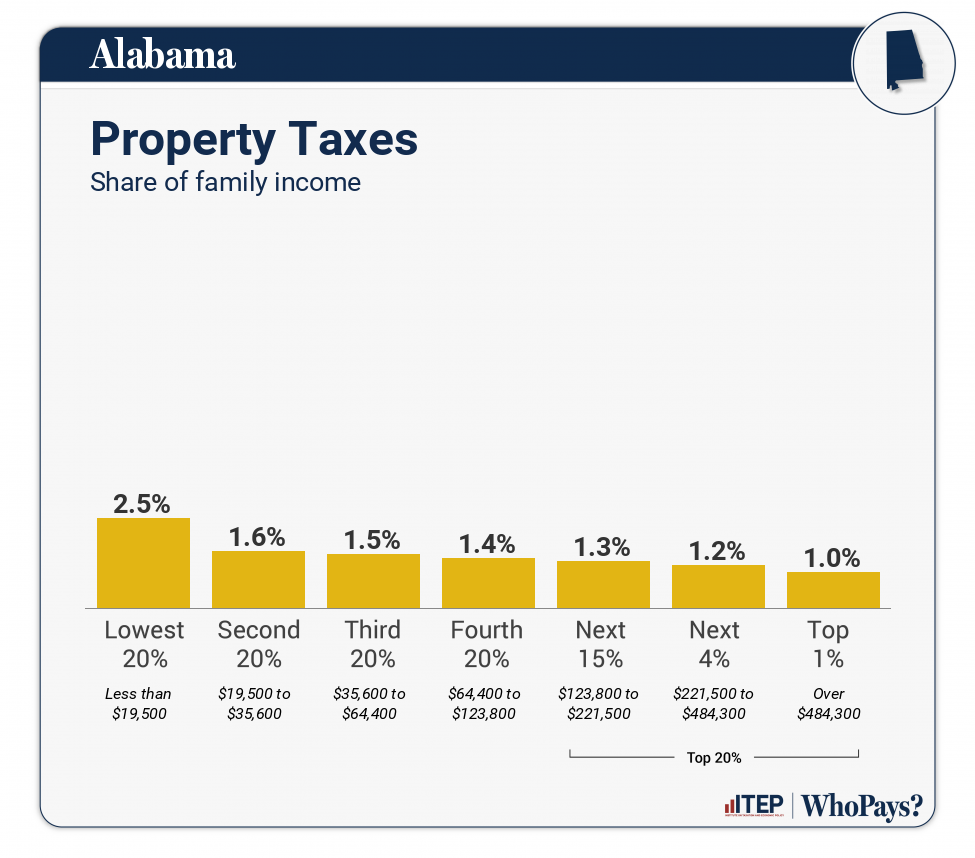
Understanding Property Tax Cycles in Alabama for Long-Term Accommodation
The property tax system in Alabama operates on a calendar that can initially seem complex, but with a clear understanding, it becomes manageable for anyone planning extended stays or property ownership. Unlike some states where taxes are paid in advance, Alabama property taxes are generally paid in arrears, meaning you pay for the previous year’s taxes. This distinction is crucial for budgeting purposes, especially for those new to the state or considering a significant property investment.
The Annual Tax Calendar
The tax year in Alabama for property taxes runs from October 1st to September 30th. However, the period for paying these taxes typically begins on October 1st of the subsequent year. This means that taxes assessed for the period of October 1st, 2023, to September 30th, 2024, would generally become due starting October 1st, 2024. This staggered schedule provides a window for property owners to prepare their finances. The official due date for all property taxes in Alabama is December 31st of the year they become payable. Therefore, for the 2023 tax year (October 2022 – September 2023), payments would be due by December 31st, 2023. This consistency across all 67 counties, including popular destinations like Baldwin County and urban centers such as Jefferson County (home to Birmingham), simplifies the process somewhat for statewide planning.
Initial Assessment and Valuation
Before taxes can be paid, properties must be assessed and valued. County Tax Assessors are responsible for placing a value on all real property within their jurisdiction. This valuation process typically occurs earlier in the year, with assessment notices often mailed out in the spring or summer. Property owners have a limited window to appeal their assessment if they believe it is incorrect. This period is usually 30 days from the date of the assessment notice. For those establishing long-term accommodation, understanding their property’s assessed value is foundational, as it directly influences their annual tax liability. The tax assessment is not necessarily the market value but rather a value determined by the assessor for tax purposes, multiplied by an assessment rate to arrive at the taxable value. For instance, residential property is assessed at 10% of its appraised value. This initial valuation and assessment phase is critical for budgeting and financial forecasting for anyone planning a long-term stay or property investment in Alabama.
Payment Deadlines and Penalties: What Long-Term Stayers Need to Know
Adhering to payment deadlines is paramount to avoiding penalties and additional costs that can quickly accumulate. For those settling into long-term accommodations or managing investment properties, understanding these dates is as important as knowing their property’s value.
The October 1st to December 31st Window
While taxes are due by December 31st, they become payable on October 1st. This three-month window is designed to give property owners ample time to make their payments. Payments can typically be made at the County Tax Collector’s office, often in person, by mail, or increasingly, online through county websites. This flexibility is particularly useful for those managing properties remotely or for individuals who travel frequently. It’s highly advisable for property owners, especially those new to Alabama, to mark these dates clearly on their calendars. Many counties, including those with significant vacation home markets like Baldwin County (serving areas like Gulf Shores and Orange Beach), offer convenient online payment portals, streamlining the process for long-term residents and absentee owners alike.
Delinquency and Its Consequences
Failure to pay property taxes by December 31st results in the property being considered delinquent. This immediately triggers penalties and interest charges. The specific rate of interest and penalty can vary, but generally, interest accrues at 1% per month or any fraction thereof, and a 5% penalty is added to the tax amount. The longer the taxes remain unpaid, the higher these additional costs become. By late January or early February of the following year, delinquent tax lists are usually published, and in March or April, tax lien sales are conducted by the County Tax Collector. During a tax lien sale, investors purchase a lien on the property, paying the delinquent taxes, penalties, and interest. If the property owner does not redeem the lien within a specific period (typically three years in Alabama), the tax lien purchaser can initiate proceedings to obtain a tax deed, potentially leading to the loss of the property. For anyone relying on their Alabama property for long-term accommodation or as a valuable asset, allowing taxes to become delinquent carries severe risks.
The Importance of Timely Payment for Property Owners
For those committed to long-term living or owning vacation rentals in Alabama, timely property tax payment is more than just a legal obligation; it’s a critical aspect of financial security and property management. Prompt payment ensures the continued enjoyment of your accommodation without the stress of penalties, interest, or the looming threat of a tax lien sale. It also contributes to the stability of local services, which in turn enhances the quality of life for long-term residents. Establishing a system to remind yourself of these deadlines, whether through calendar alerts or automated payment options where available, is a wise practice for any property owner in the state.
How Property Taxes Impact Long-Term Stays and Vacation Home Ownership in Alabama

Property taxes represent a significant ongoing cost of property ownership, directly influencing the overall affordability and financial viability of long-term accommodation or vacation homes in Alabama. Understanding this impact is crucial for comprehensive financial planning.
Budgeting for Your Alabama Retreat
When considering a long-term stay or purchasing a second home in [Alabama](https://lifeoutofthebox.com/alabama], it’s imperative to factor property taxes into your annual budget. Unlike fluctuating utility costs or discretionary spending, property taxes are a fixed annual expense (though they can change based on reassessments or millage rate adjustments). They contribute to the total cost of ownership alongside mortgage payments, insurance, and maintenance. Prospective buyers should research the average property tax rates in their desired areas, such as the historic charm of Mobile or the vibrant community of Huntsville, to ensure their chosen accommodation remains within their budget. Neglecting this crucial detail can lead to financial strain and detract from the enjoyment of your long-term Alabama experience.
Variances Across Counties
While the payment deadlines are consistent statewide, the actual amount of property tax due can vary significantly from one county to another. This variation is due to differences in property values, assessment methods, and local millage rates. Millage rates (expressed as mills per dollar of assessed value) are set by local governing bodies, including county commissions, school boards, and municipalities, to fund public services. For example, a property owner in Baldwin County, known for its high property values due to coastal demand, might pay a different amount than an owner with a similarly valued property in a more rural county, even if the state’s assessment rate is uniform. Researching specific county tax information is therefore non-negotiable for anyone looking to establish long-term accommodation. Websites for county tax assessors and collectors often provide tools to estimate property taxes based on location and property value.
Homestead Exemptions for Primary Residents
Alabama offers a valuable benefit for property owners who use their property as their primary residence: the homestead exemption. This exemption reduces the assessed value of the property for tax purposes, thereby lowering the overall tax bill. There are several types of homestead exemptions, with the most common being the general homestead exemption, which applies to properties occupied by the owner as their principal place of residence. To qualify, you must own and occupy the property by October 1st of the tax year for which you are applying. This exemption can provide substantial savings, making long-term residency more affordable. It’s crucial to apply for this exemption through your County Tax Assessor’s office, usually only once unless there are changes in ownership or residency. For individuals considering making Alabama their permanent home, understanding and applying for the homestead exemption is a key financial advantage.
Navigating Property Tax Information and Resources for New Residents
Successfully managing property taxes in Alabama requires knowing where to find reliable information and assistance. For new residents or those embarking on a long-term stay, identifying the correct resources is key to seamless property ownership.
Key Government Offices
The primary points of contact for property tax inquiries in Alabama are the County Tax Assessor and the County Tax Collector.
- County Tax Assessor: This office is responsible for locating, identifying, and appraising all taxable property in the county. They also administer homestead exemptions and maintain property ownership records. Any questions regarding property valuation, assessment, or eligibility for exemptions should be directed here.
- County Tax Collector: This office is responsible for billing, collecting, and disbursing ad valorem (property) taxes. They can provide information on tax amounts due, payment options, and the status of delinquent taxes.
Each of Alabama’s 67 counties, from the state capital in Montgomery to the coastal community of Dauphin Island, has its own Assessor and Collector offices. Their contact information and websites are readily available through a quick online search for the specific county.
Online Payment Portals and Research Tools
Most Alabama counties now offer robust online platforms for property tax management. These portals allow property owners to:
- View their current tax bill: Accessing an electronic copy of your bill can ensure you have the most up-to-date information.
- Make payments: Secure online payment options, often via credit card or electronic check, provide convenience and ensure timely submission.
- Search property records: These tools often allow users to look up property information, including assessed values and tax history, which is invaluable for research or due diligence.
- Estimate tax liabilities: Some county sites offer calculators or tools to estimate future tax burdens based on property value.
Leveraging these online resources can significantly simplify the process of managing property taxes for long-term accommodation in Alabama, especially for those who may not be physically present in the county year-round.

Seeking Professional Guidance
For complex situations, such as inherited property, commercial ventures, or significant disputes over property valuations, seeking advice from a local real estate attorney or a tax professional specializing in Alabama property law is highly recommended. These experts can provide personalized guidance, assist with appeals, or navigate the intricacies of tax sales and redemptions, ensuring that your long-term accommodation goals are protected and your financial obligations are met correctly and efficiently.
LifeOutOfTheBox is a participant in the Amazon Services LLC Associates Program, an affiliate advertising program designed to provide a means for sites to earn advertising fees by advertising and linking to Amazon.com. Amazon, the Amazon logo, AmazonSupply, and the AmazonSupply logo are trademarks of Amazon.com, Inc. or its affiliates. As an Amazon Associate we earn affiliate commissions from qualifying purchases.