
Alaska, the United States’ largest and northernmost state, is synonymous with vast wilderness, towering glaciers, and, of course, long, cold winters. For prospective travelers, understanding the nuances of the Alaskan winter season is crucial for planning an unforgettable journey. While the exact timing can vary by a few weeks depending on the region, the general consensus places Alaska’s winter from October through April, sometimes even extending into May in the highest elevations and furthest north. This lengthy period offers a diverse range of experiences, from early season snowfalls and crisp aurora displays to the profound quiet of mid-winter and the return of longer days in spring.

Defining Alaska’s Winter Season
Pinpointing the precise start and end of winter in Alaska is more complex than a simple date on a calendar. It’s influenced by geographical factors, climatic patterns, and the distinct characteristics of the state’s diverse regions.
Astronomical vs. Practical Winter
Astronomically, winter in the Northern Hemisphere begins with the winter solstice, typically around December 21st, and ends with the spring equinox, around March 20th. However, in Alaska, the practical experience of winter begins much earlier and lasts considerably longer. By late September or early October, many parts of the state, particularly the interior and northern regions, start experiencing regular snowfall and freezing temperatures. This practical winter period is what truly defines the travel landscape for visitors seeking snowy adventures and aurora borealis viewing opportunities. The “shoulder” months of October and April can offer a blend of late autumn and early spring conditions, with transitioning snowpacks and varying daylight hours, providing unique charm for those who brave the changing weather.
Regional Variations Across the 49th State
Alaska‘s immense size means winter conditions vary dramatically from south to north and coast to interior.
- Interior Alaska: Regions like Fairbanks and the Yukon-Kuskokwim Delta experience the most extreme cold, with temperatures often dropping to -20°F (-29°C) or colder from November through March. Snowfall is abundant, and daylight hours are significantly reduced, especially around the winter solstice. This is prime territory for aurora viewing due to its consistent clear skies and northern latitude.
- Southcentral Alaska: Including cities like Anchorage and the Matanuska-Susitna Valley, this region experiences milder temperatures due to coastal influence, typically ranging from 0°F to 30°F (-18°C to -1°C). Snowfall is substantial, making it ideal for winter sports. Daylight hours are longer than in the interior, offering more time for daytime activities.
- Southeast Alaska (Panhandle): Cities such as Juneau, Ketchikan, and Sitka have a maritime climate. Winters are comparatively mild and wet, with temperatures rarely falling below 20°F (-7°C). Snowfall can be heavy at higher elevations, but coastal areas often see rain or a mix of rain and snow. Aurora viewing is less reliable due to frequent cloud cover, but the dramatic fjords and islands take on a mystical quality in winter.
- Arctic Alaska: North of the Arctic Circle, stretching to Prudhoe Bay and Utqiagvik (formerly Barrow), experiences the longest and darkest winters. Polar night means weeks or months without the sun rising above the horizon. Temperatures are consistently well below 0°F (-18°C), often plunging to -40°F (-40°C) or lower. This is an extreme environment, largely reserved for highly specialized travel and research.
The Unique Allure of Alaskan Winter Travel
Despite the cold and darkness, Alaskan winter offers unparalleled beauty and unique experiences that are simply impossible during other seasons. It’s a time when the wilderness truly comes alive with a different kind of magic.
Chasing the Northern Lights
One of the most compelling reasons to visit Alaska in winter is the chance to witness the Aurora Borealis, or Northern Lights. The best viewing period typically runs from late August to late April, with the peak darkness of winter offering the most consistent opportunities. Locations like Fairbanks, situated beneath the auroral oval and known for its clear skies, are world-renowned for their Northern Lights tours and dedicated viewing lodges. Imagine standing under a canvas of dancing green, purple, and red lights, an experience that transcends mere sightseeing. Many resorts, such as Chena Hot Springs Resort near Fairbanks, combine aurora viewing with other winter activities, providing a cozy base for your celestial quest.
Iconic Winter Activities and Sports
Alaska transforms into a vast playground for winter sports enthusiasts.
- Dog Sledding: Experience the thrill of mushing your own team of huskies across snow-covered trails, echoing the traditions of the Iditarod Trail Sled Dog Race. Many operators near Anchorage, Fairbanks, and Talkeetna offer tours ranging from short rides to multi-day expeditions.
- Ice Skating & Ice Hockey: Frozen lakes and purpose-built rinks offer opportunities for gliding across the ice. Public rinks are popular in urban centers.
- Skiing & Snowboarding: Alyeska Resort in Girdwood offers world-class downhill skiing and snowboarding with breathtaking views. Cross-country skiing and snowshoeing are popular throughout the state’s extensive trail systems, including those in and around Anchorage and Fairbanks.
- Snowmobiling (Snowmachining): Explore vast stretches of wilderness on a snowmobile, accessing areas unreachable by other means. Guided tours are available for all skill levels.
- Ice Fishing: Try your hand at catching Arctic char or landlocked salmon through a hole drilled in a frozen lake.
- Flightseeing: A winter flightseeing tour over Denali National Park or the Knik Glacier offers unparalleled aerial views of a snow-draped landscape, showcasing Mount McKinley (also known as Denali) in its majestic winter glory.
Wildlife Encounters in the Snow
Winter is a fascinating time for wildlife viewing. While some animals hibernate, others, like moose, caribou, wolves, and foxes, remain active and are often easier to spot against the white backdrop. Coastal areas like Seward and Homer offer marine wildlife tours where you might spot sea otters, sea lions, and even some whale species that brave the colder waters. In Denali National Park, a winter visit often means encountering wildlife like moose and caribou with fewer human crowds, creating a more intimate experience.
Top Destinations and Experiences for Winter Visitors
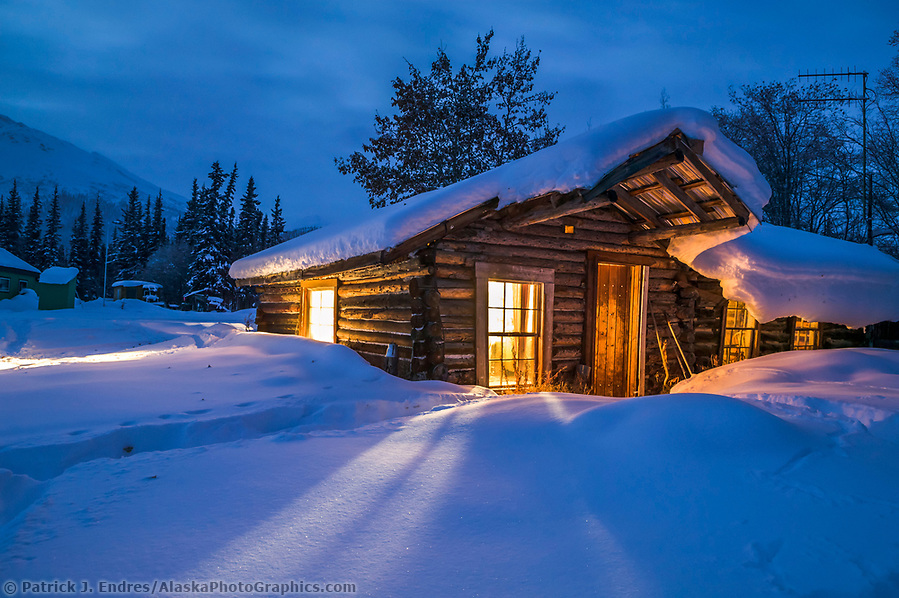
Choosing where to go in Alaska during winter depends heavily on your interests and tolerance for cold. Each region offers distinct advantages.
Fairbanks: The Aurora Capital
Often called the “Golden Heart City,” Fairbanks is the undisputed hub for Northern Lights viewing. Its location and typically clear, dry winter conditions make it ideal. Beyond the aurora, Fairbanks offers ice sculpture competitions, visits to Pioneer Park for a glimpse into Alaskan history, and relaxing soaks in the natural hot springs at Chena Hot Springs Resort. Dog sledding and snowmobiling tours are also readily available.
Anchorage: Urban Gateway to Winter Wonders
Anchorage serves as the primary entry point for most Alaskan visitors and offers a fantastic blend of urban amenities and wilderness access. From Anchorage, you can easily access the Chugach Mountains for skiing at Alyeska Resort or explore the local trails for cross-country skiing and snowshoeing. The city itself hosts cultural events, excellent restaurants, and museums like the Anchorage Museum. Day trips via the Alaska Railroad’s winter service, the “Aurora Winter Train,” can take you north towards Talkeetna or Fairbanks, offering scenic views.
Denali National Park: A Frozen Wilderness
While the main park road is largely closed in winter, the initial section remains accessible, offering unique opportunities for cross-country skiing, snowshoeing, and dog sledding. The quiet solitude of Denali in winter, with its snow-covered landscapes and the majestic Mount McKinley often visible on clear days, is awe-inspiring. Services are limited, so self-sufficiency or guided tours from nearby Talkeetna are essential.
Coastal Towns: Seward and Homer
For a different winter experience, head to coastal towns like Seward on the Kenai Peninsula or Homer at the end of the road. While not known for aurora viewing, these towns offer stunning ocean vistas, a chance to see marine wildlife against snowy backdrops, and a quieter, more local atmosphere. Seward is the gateway to Kenai Fjords National Park, where winter cruises might reveal incredible ice formations and hardy marine life.
Essential Planning Tips for an Alaskan Winter Adventure
A successful Alaskan winter trip requires careful preparation, especially regarding gear, transportation, and expectations.
Packing for Extreme Cold
Layering is paramount. Start with a moisture-wicking base layer, add insulating middle layers (fleece or down), and finish with a waterproof and windproof outer shell. High-quality insulated boots, warm socks (wool or synthetic), waterproof gloves or mittens, a warm hat that covers your ears, and a scarf or neck gaiter are non-negotiable. Chemical hand and foot warmers can also be a lifesaver.
Transportation and Accessibility
While major highways like the Parks Highway and Glenn Highway are generally well-maintained, winter driving conditions can be challenging with ice and heavy snowfall. Four-wheel drive vehicles are recommended. For longer distances, the Alaska Railroad offers a scenic and comfortable way to travel between Anchorage, Talkeetna, and Fairbanks. Air travel via regional carriers is essential for reaching remote communities. Many tour operators also provide transportation as part of their packages.
Booking Accommodations and Tours
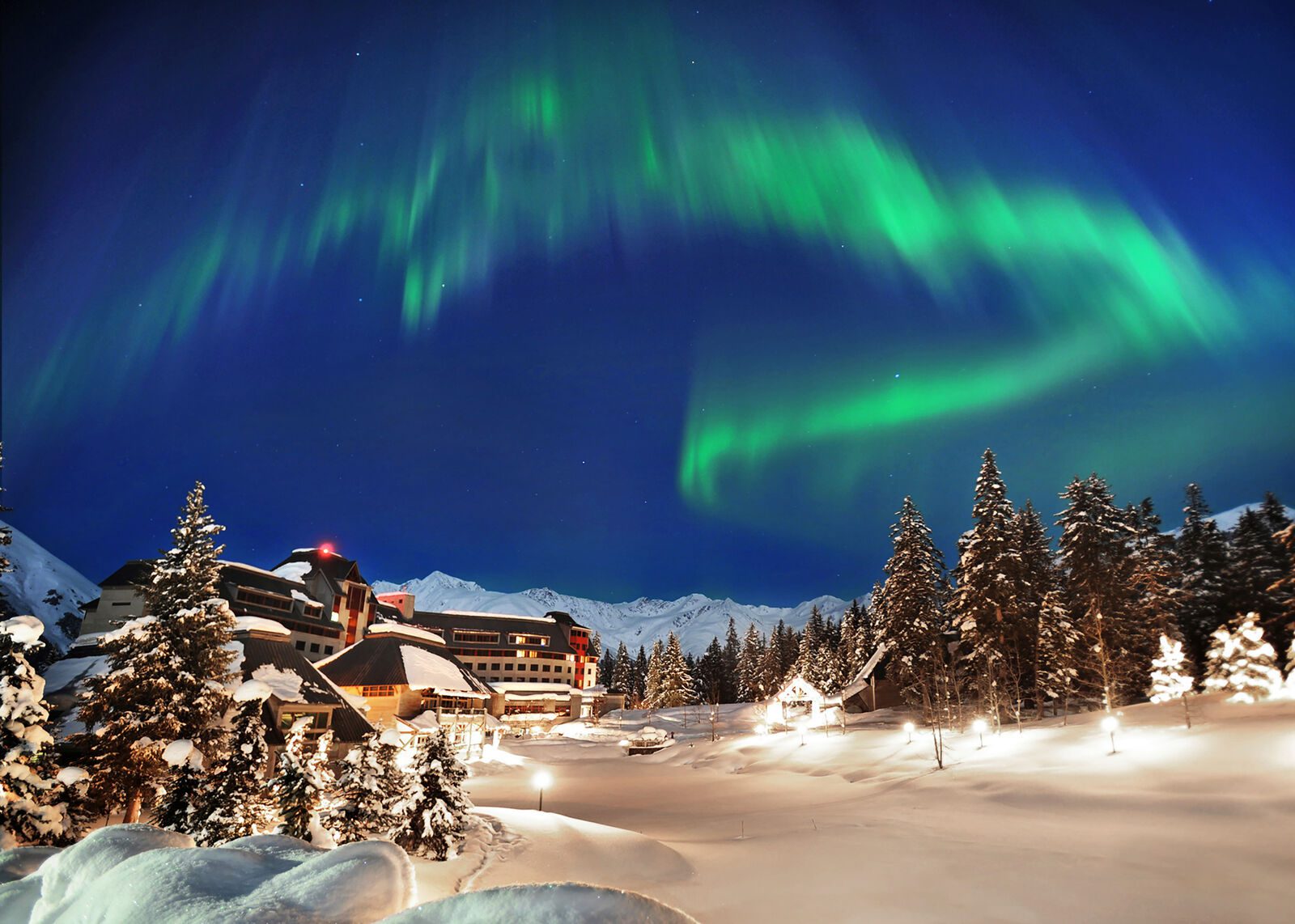
While winter sees fewer tourists than summer, popular aurora viewing lodges and specific tours can book up, especially during peak aurora season (December-March). It’s advisable to book accommodations, particularly those offering aurora viewing directly from cabins or rooms, well in advance. Guided tours for dog sledding, snowmobiling, and ice fishing are also best secured ahead of time to ensure availability and proper equipment rental. Always confirm operating hours and availability, as some businesses and attractions may have reduced winter hours or be closed entirely.
Embracing the Alaskan winter is an invitation to experience a truly unique and breathtaking side of this magnificent state. With careful planning and the right mindset, a winter journey to Alaska can be an adventure of a lifetime.
LifeOutOfTheBox is a participant in the Amazon Services LLC Associates Program, an affiliate advertising program designed to provide a means for sites to earn advertising fees by advertising and linking to Amazon.com. Amazon, the Amazon logo, AmazonSupply, and the AmazonSupply logo are trademarks of Amazon.com, Inc. or its affiliates. As an Amazon Associate we earn affiliate commissions from qualifying purchases.