
Navigating Florida’s Evolving Reproductive Healthcare Landscape
Florida’s legislative actions concerning reproductive rights have undergone significant and often rapid changes, particularly in recent years. Understanding the current abortion law in Florida is crucial for residents and visitors alike who may need to access or understand reproductive healthcare services. These laws are not static; they are subject to ongoing legal challenges, legislative debates, and public discourse, making it essential to stay informed about the most up-to-date regulations and their implications.
The legal framework governing abortion access in Florida has seen shifts that reflect broader national trends and state-specific policy decisions. These changes often involve gestational limits, mandatory waiting periods, parental consent requirements, and the specific types of providers permitted to perform abortions. For those planning a trip to the Sunshine State or residing within its borders, a clear grasp of these regulations is paramount. This understanding extends not only to the legality of abortion but also to the practical considerations of accessing care, including navigating clinic availability, appointment scheduling, and the potential need for travel within or outside the state.
Key Legislative Milestones and Current Status
Florida’s journey in regulating abortion has been marked by several pivotal legislative moments. Prior to the overturning of Roe v. Wade, the state had established certain restrictions, but the landscape has been fundamentally altered by subsequent state-level actions.
The 15-Week Ban and its Legal Battles
One of the most significant legislative developments was the enactment of a law prohibiting abortions after 15 weeks of gestation. This law, which was signed into effect and aimed to restrict access significantly, faced immediate legal challenges. The legal battles that ensued highlighted the complex interplay between state legislative power and federal constitutional rights. Initially, courts grappled with the legality of this ban, leading to periods of uncertainty.
The legal status of this 15-week ban has been a subject of ongoing litigation. Courts have issued rulings that at times upheld and at other times blocked its enforcement, creating a fluctuating legal environment. Understanding the current status requires looking at the most recent judicial decisions and legislative pronouncements. For individuals seeking information, this period of legal flux has underscored the importance of consulting up-to-date legal resources and healthcare providers.
The Six-Week Ban and Subsequent Developments
More recently, Florida has moved towards even stricter restrictions. A six-week ban, which is often characterized as a ban after embryonic cardiac activity can be detected, has become a focal point of legislative and legal debate. This type of restriction, which effectively prohibits most abortions very early in pregnancy, presents substantial challenges for individuals seeking to terminate a pregnancy, as it allows very little time for decision-making and access to services.
The enforcement of this six-week ban has also been subject to significant legal scrutiny and delays. Similar to the 15-week ban, its implementation has been tied up in the courts, with various legal opinions and injunctions impacting its immediate effect. The legal trajectory of this ban is critical for understanding the current landscape of reproductive rights in Florida. It is imperative to note that laws can change, and their enforcement can be temporarily or permanently altered by judicial rulings.
Access to Reproductive Healthcare Services
Beyond the legislative bans, several other factors influence access to abortion services in Florida. These include requirements such as mandatory waiting periods, parental consent laws, and the specific qualifications of healthcare providers.
Mandatory Waiting Periods and Counseling
Florida law typically mandates a mandatory waiting period between a patient’s initial consultation and the abortion procedure itself. This often involves a 24-hour waiting period, during which patients are provided with specific information about alternatives and the medical procedure. The purpose of such waiting periods is often stated as ensuring informed consent, though critics argue they create unnecessary barriers and delays, particularly for individuals who face logistical or financial challenges in attending multiple appointments.
Parental Consent and Notification
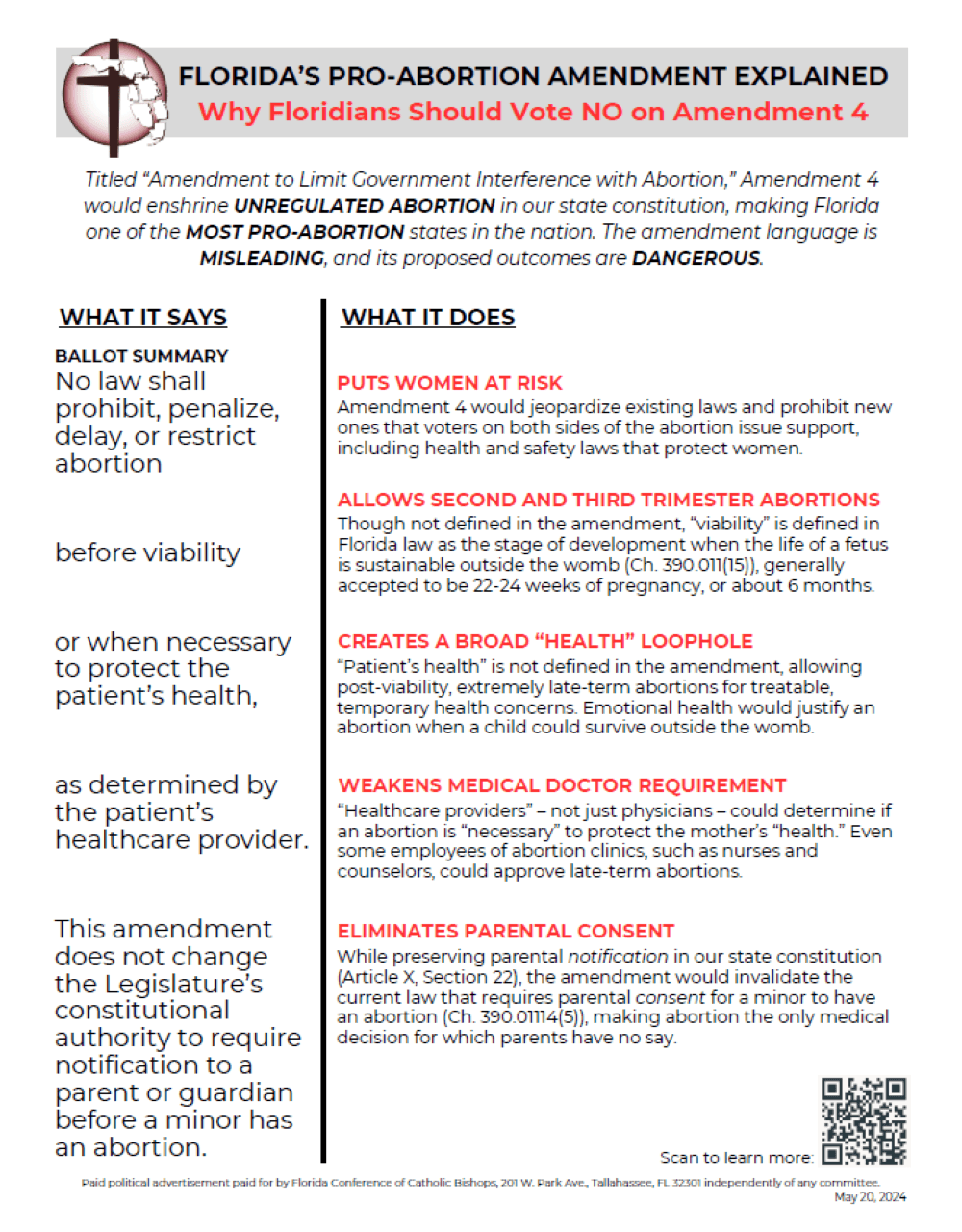
For minors seeking an abortion, Florida law generally requires either parental consent or judicial bypass. This means that individuals under the age of 18 typically need to involve at least one parent or legal guardian in the decision-making process. If parental involvement is not feasible or safe, minors can petition a court for a judicial waiver, demonstrating their maturity and ability to make such a decision independently. This aspect of the law adds another layer of complexity for young individuals and their families.
Provider Qualifications and Clinic Regulations
The types of healthcare facilities and professionals authorized to perform abortions are also subject to regulation. In Florida, abortions are generally performed in licensed clinics or hospitals by physicians. Regulations may also pertain to the specific medical equipment and staffing requirements of these facilities. These regulations, while often framed as ensuring patient safety, can also impact the availability and accessibility of abortion services, particularly in rural or underserved areas.
Implications for Travelers and Residents
The evolving legal landscape in Florida has direct implications for individuals, whether they are residents of the state or planning a visit. The ability to access reproductive healthcare services can be significantly affected by these laws, potentially necessitating travel to other states with different legal frameworks.
Planning for Healthcare Needs
For anyone planning a trip to Florida for any reason, whether to visit the theme parks in Orlando or to enjoy the beaches of Miami, it is important to be aware that accessing abortion services may be more complicated than in some other states. If an individual anticipates needing reproductive healthcare services while in Florida, thorough research and consultation with healthcare providers well in advance of travel are strongly advised. This includes understanding the current legal status of abortion, clinic availability, and any relevant restrictions.
Potential for Out-of-State Travel
In cases where an individual cannot access the desired care within Florida due to legal restrictions or other barriers, out-of-state travel might become a necessary option. This can involve significant logistical and financial burdens, including travel costs, accommodation, time off work, and childcare arrangements. Organizations and support networks exist to assist individuals in navigating these challenges, offering resources for travel, funding, and logistical planning for reproductive healthcare access.
Resources and Further Information
Navigating the complexities of abortion laws can be challenging. It is essential to seek accurate and up-to-date information from reliable sources.
Legal and Healthcare Consultations
The most accurate information regarding current abortion laws in Florida can be obtained through consultations with legal professionals specializing in reproductive law or with healthcare providers who offer reproductive health services. These professionals can provide guidance tailored to individual circumstances and offer insights into the most recent legal interpretations and practical realities.
Reputable Health Organizations
Several reputable health organizations and reproductive rights advocacy groups provide valuable information and resources. Websites of organizations such as Planned Parenthood, the Guttmacher Institute, and the National Abortion Federation offer comprehensive details on abortion laws, access to care, and support services. These organizations often maintain updated information on the legal status of reproductive healthcare in various states, including Florida.
State and Federal Health Departments
Official state and federal health departments can also be sources of information regarding healthcare regulations. While they may not offer legal advice, they can provide information on licensed healthcare providers, public health guidelines, and general information about reproductive health services available within the state.
The legal landscape surrounding abortion in Florida is dynamic. Staying informed through credible sources and consulting with professionals is the best approach to understanding one’s rights and options.
LifeOutOfTheBox is a participant in the Amazon Services LLC Associates Program, an affiliate advertising program designed to provide a means for sites to earn advertising fees by advertising and linking to Amazon.com. Amazon, the Amazon logo, AmazonSupply, and the AmazonSupply logo are trademarks of Amazon.com, Inc. or its affiliates. As an Amazon Associate we earn affiliate commissions from qualifying purchases.