
Locating Alaska’s Majestic Stratovolcano
Mount Spurr, an imposing stratovolcano, stands as a prominent natural landmark within the vast and rugged wilderness of Alaska. Its sheer presence is a testament to the powerful geological forces shaping the region. To precisely locate this iconic peak, one must look towards the south-central part of the state, a landscape characterized by dramatic mountain ranges, extensive icefields, and the expansive waters of Cook Inlet. Understanding its geographical placement is key to appreciating its role within the broader Alaskan environment and its significance as a visible, active component of the Pacific Ring of Fire.
Geographical Coordinates and General Area
Mount Spurr is situated at approximately 61.2994° N latitude and 152.2503° W longitude. This places it squarely within the western portion of the Cook Inlet basin, an area renowned for its dynamic geology and stunning natural beauty. The volcano is not an isolated peak but rather the highest point of a massive, complex volcanic edifice. Its summit, rising to 11,070 feet (3,374 meters) above sea level, is often shrouded in clouds or gleaming with snow and ice, a characteristic sight that contributes to its mystique. The general area surrounding Mount Spurr is largely uninhabited, a remote wilderness accessible primarily by air or specialized expeditions, underscoring its untamed nature as a landmark. The rugged terrain, carved by glaciers and volcanic activity over millennia, presents a formidable yet awe-inspiring backdrop to the volcano’s towering presence. This precise positioning allows it to influence weather patterns, contribute to regional ecosystems, and serve as a significant reference point for aviators and explorers navigating the Alaskan interior. Its remote location is part of its allure, preserving its pristine wilderness character for both scientific study and adventurous observation.
Proximity to Major Alaskan Cities
Despite its wilderness setting, Mount Spurr holds a remarkably close relationship with Alaska’s largest city, Anchorage. The volcano is located approximately 78 miles (125 kilometers) west of Anchorage. This proximity means that on clear days, particularly during the crisp conditions of fall and winter, Mount Spurr’s snow-capped peak is a distinctive feature on the western horizon, visible from many vantage points within the city. Its visibility serves as a constant, tangible reminder of Anchorage’s close connection to the state’s active volcanic landscape. The plumes from its past eruptions have directly impacted Anchorage, dusting the city with ash and disrupting air travel from Anchorage International Airport. This direct historical impact further solidifies Mount Spurr’s status as a critical natural landmark, not just geologically but also in terms of its social and economic influence on nearby urban centers. The visual relationship fosters a unique sense of place for Anchorage residents, offering a daily connection to the raw, dynamic forces of nature that define Alaska.
The Tordrillo Mountains Range
Mount Spurr is an integral part of the Tordrillo Mountains range, a subrange of the greater Alaska Range. The Tordrillo Mountains are characterized by rugged, glaciated peaks that stretch across a substantial portion of south-central Alaska, forming a natural barrier between the Cook Inlet lowlands and the interior wilderness. As the highest peak in this range, Mount Spurr dominates the landscape, its massive bulk and often-active status making it a focal point. The range itself is a stunning example of alpine beauty, with numerous glaciers descending from its high points, feeding into a network of rivers and lakes. The Tordrillo Mountains are also home to other significant geological features, though none as historically active and prominent as Mount Spurr. This mountain system is a prime example of the ongoing tectonic activity that shapes Alaska, where collision and subduction zones give rise to majestic peaks and explosive volcanoes. The range’s remote nature and challenging terrain make it a destination for experienced mountaineers and wilderness adventurers, drawn by the pristine environment and the challenge presented by its peaks, including the formidable Mount Spurr itself.
The Geological Significance of Mount Spurr
As a cornerstone landmark of Alaska’s volcanic landscape, Mount Spurr’s geological significance is profound. It represents the ongoing processes that define the state’s dynamic crust, where the collision of tectonic plates continually reshapes the earth’s surface. Its very existence is a testament to the powerful, subterranean forces that contribute to both destructive eruptions and the creation of majestic mountain ranges. Studying Mount Spurr offers invaluable insights into the mechanisms of arc volcanism, providing a living laboratory for geologists, seismologists, and volcanologists. Its episodic activity provides critical data points for understanding eruption prediction, hazard mitigation, and the long-term evolution of volcanic systems within the subduction zone environment.
A Member of the Aleutian Arc
Mount Spurr is an active member of the Aleutian Arc, a chain of volcanoes that stretches for approximately 1,600 miles (2,500 kilometers) across southwestern Alaska and out into the Aleutian Islands. This arc forms as the Pacific Plate subducts beneath the North American Plate. As the oceanic crust descends into the Earth’s mantle, it melts, and this molten rock (magma) rises to the surface, creating volcanoes. Mount Spurr is one of the easternmost volcanoes of this arc, making it a critical sentinel for observing these geological processes close to a major population center. Its position within the Aleutian Arc means it shares characteristics with other prominent Alaskan volcanoes such as Augustine Volcano and Redoubt Volcano, including its stratovolcanic structure and tendency for explosive eruptions. The arc itself is a world-renowned geological phenomenon, and Mount Spurr’s presence reinforces its status as a highly active and globally significant volcanic region.
Formation and Volcanic Activity
The formation of Mount Spurr began thousands of years ago through a slow and continuous process of eruptions, where layers of lava, ash, and volcanic rock accumulated to build its characteristic conical shape. It is a classic stratovolcano, known for its steep profile and explosive eruptive style. Geologically, it is a complex edifice comprising a main peak and a younger, smaller parasitic cone known as Crater Peak, which is the source of most recent eruptions. The presence of Crater Peak indicates a shift in eruptive centers over time, a common occurrence in long-lived volcanic systems. The magma feeding Mount Spurr is typically calc-alkaline, a type of magma associated with subduction zones, leading to high-viscosity lava flows and explosive pyroclastic eruptions. Continuous seismic activity and gas emissions are routinely monitored, providing clues to the magma movements deep beneath the surface, crucial for understanding the volcano’s dynamic behavior and potential for future events. The ongoing interaction of ice and volcanic heat also creates unique glaciovolcanic features and poses specific hazards, such as lahars, making Mount Spurr a complex natural laboratory.
Notable Eruptions and Their Impact
Mount Spurr has a well-documented history of significant eruptions, with its most notable events occurring in the 20th century. The 1953 eruption, particularly from Crater Peak, produced a substantial ash plume that drifted eastward, dusting Anchorage and surrounding areas with volcanic ash. This event provided a clear demonstration of how a remote natural landmark could directly impact urban life and infrastructure. Even more significant were the eruptions of 1992, which also originated from Crater Peak. These events generated massive ash plumes that rose tens of thousands of feet into the atmosphere, once again blanketing Anchorage and disrupting air traffic across a broad region. The ash fall impacted agricultural operations, power grids, and transportation, underscoring the volcano’s potential for widespread disruption. These historical eruptions highlight Mount Spurr’s status not just as a geological curiosity but as an active natural hazard requiring constant vigilance and scientific monitoring by institutions like the Alaska Volcano Observatory. The ash from these eruptions, though disruptive, also provides fertile ground for new ecosystems, demonstrating the dual nature of volcanic activity as both destructive and creative.
Exploring the Natural Environment Around Mount Spurr
The environment surrounding Mount Spurr is a striking example of Alaska’s pristine wilderness, where the raw power of geology meets the resilience of life. This area, largely untouched by human development, offers a unique opportunity to observe ecosystems adapted to extreme conditions, influenced by volcanic activity, glaciation, and a subarctic climate. The landscape is a mosaic of ice, rock, tundra, and boreal forest, providing diverse habitats for a range of wildlife. As a prominent landmark, Mount Spurr acts as an ecological beacon, its slopes and surrounding valleys serving as critical areas for both resident and migratory species. Understanding this natural environment enhances our appreciation of Mount Spurr not just as a geological feature, but as a vibrant component of a complex and fragile ecosystem.
Glaciers and Icefields

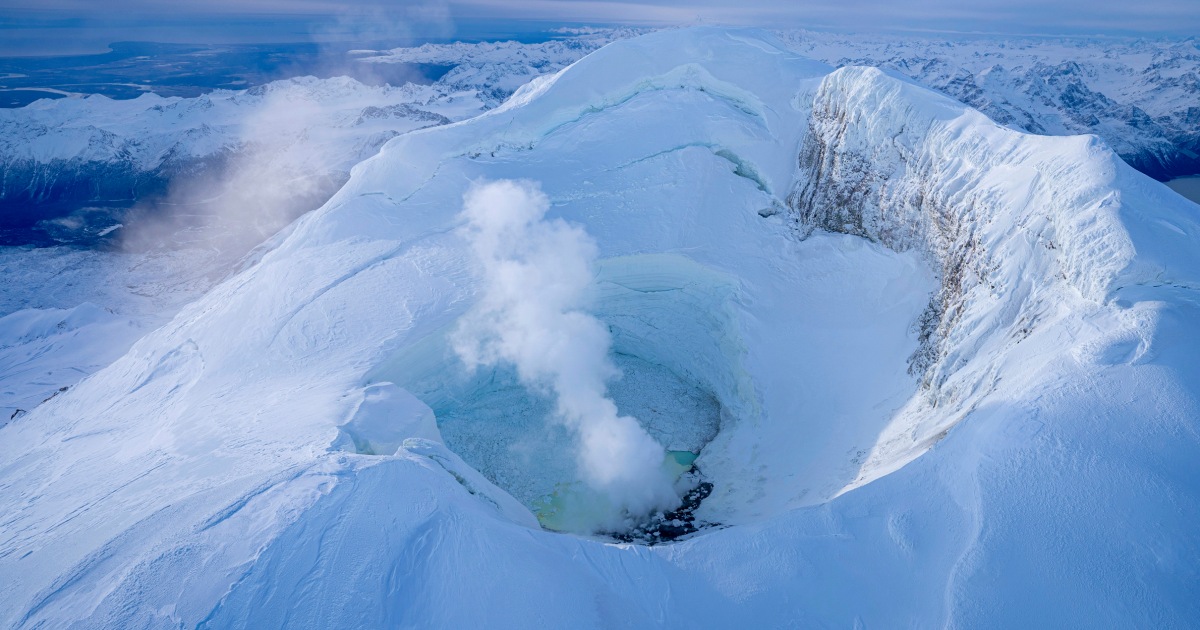
The upper reaches of Mount Spurr are extensively covered by glaciers and permanent icefields, which are characteristic features of the Tordrillo Mountains. These massive ice bodies not only contribute to the volcano’s majestic appearance but also play a critical role in its geological processes and regional hydrology. Glacial ice erodes the volcanic rock, shaping valleys and depositing sediment, while also providing a reservoir for meltwater that feeds numerous streams and rivers descending from the peak. The interaction between glacial ice and volcanic heat can also create unique hazards, such as the rapid melting of ice during eruptions, which can generate destructive lahars (volcanic mudflows). The long-term presence of these glaciers helps regulate regional temperatures and water cycles, supporting a distinct ecological niche. Monitoring these glaciers also provides crucial data for climate change research, as their retreat or advance can indicate broader environmental shifts. The shimmering expanse of ice contrasts dramatically with the dark volcanic rock, creating a landscape of stark, breathtaking beauty, making the glaciated summit an iconic element of the Mount Spurr landmark.
Flora and Fauna of the Region
Despite the harsh conditions imposed by high elevation, volcanic activity, and long winters, the areas surrounding Mount Spurr teem with a remarkable diversity of flora and fauna. At lower elevations, the landscape transitions into subalpine tundra and boreal forest, characterized by spruce, birch, and willow trees. This vegetation supports a rich array of wildlife. Large mammals, such as moose, caribou, Dall sheep, and both grizzly and black bears, are common residents, navigating the valleys and slopes. The region also provides critical habitat for predatory species like wolves and wolverines. Birdlife is abundant, with eagles, falcons, and numerous migratory species utilizing the pristine waterways and forests. The volcanic soils, though initially barren, become surprisingly fertile over time, supporting unique plant communities adapted to the mineral-rich environment. Lichens and mosses are pioneers on fresh lava flows, slowly paving the way for more complex plant life. This robust biodiversity, thriving in the shadow of an active volcano, highlights the resilience of nature and the adaptive strategies developed by life in extreme environments, adding an important biological dimension to the landmark status of Mount Spurr.
Wilderness and Conservation
The remote setting of Mount Spurr ensures that the surrounding environment remains largely an unspoiled wilderness. This vast, roadless expanse falls under various forms of conservation, though it is not contained within a single national park, unlike some other prominent Alaskan landmarks. The protection of this area is critical for maintaining its ecological integrity and preserving the natural processes that define it. The absence of significant human infrastructure means that wildlife populations can thrive largely undisturbed, and natural cycles of growth and decay, including those driven by volcanic activity, can unfold unimpeded. Conservation efforts focus on managing access, particularly for recreational activities like hunting, fishing, and backcountry exploration, to minimize human impact. The pristine nature of this wilderness also makes it a valuable site for scientific research, particularly in volcanology, glaciology, and ecology, where untouched landscapes provide baseline data. The challenges of conserving such a remote and dynamic landmark are significant, requiring a delicate balance between allowing access for study and appreciation while ensuring its enduring wild character for future generations to experience the majestic and untamed beauty that is quintessential Alaska.
Access and Viewing Mount Spurr
As a remote landmark, accessing Mount Spurr directly can be a significant undertaking, primarily appealing to experienced adventurers and researchers. However, its prominent location, particularly its visibility from Anchorage, offers various ways for the general public to appreciate its grandeur. The methods of viewing range from distant urban panoramas to up-close aerial explorations, each offering a unique perspective on this powerful natural icon. Understanding these options is essential for anyone hoping to connect with Mount Spurr and witness the raw beauty of Alaska’s volcanic landscape.
Aerial Perspectives and Flightseeing
For many, the most practical and breathtaking way to experience Mount Spurr is through flightseeing tours. Numerous air charter companies operate out of Anchorage and other nearby towns, offering scenic flights that pass over the Tordrillo Mountains and provide spectacular views of the volcano. These tours typically utilize small aircraft or helicopters, allowing passengers to witness the vastness of the icefields, the ruggedness of the volcanic terrain, and potentially the steaming fumaroles around Crater Peak. From an aerial vantage point, the scale of Mount Spurr becomes truly apparent, revealing its massive caldera, the intricate patterns of its glaciers, and the scars of past eruptions. This perspective not only offers incredible photographic opportunities but also a profound sense of the geological forces at play in Alaska. Flightseeing provides an accessible yet intimate encounter with this remote landmark, making it a popular choice for tourists seeking an unforgettable Alaskan experience without the rigors of ground-based expeditions.
Remote Access and Expeditions
For the truly adventurous, ground-based expeditions to Mount Spurr are possible but require significant planning, experience, and resources. There are no roads leading directly to the volcano. Access typically involves bush planes landing on remote airstrips, glacial landing strips, or designated wilderness areas, followed by arduous backcountry travel, often involving glacier traverses, mountaineering, and river crossings. These expeditions are usually undertaken by experienced mountaineers, geologists, or film crews. Guides specializing in Alaskan wilderness travel can arrange such trips, which often involve base camps and multi-day treks. These adventures offer an unparalleled opportunity to explore the pristine wilderness surrounding the volcano, observe its geological features up close, and experience the solitude and challenge of a true Alaskan frontier. Such journeys, while demanding, offer a deep, immersive connection with Mount Spurr as a landmark and the untamed nature of its environment, leaving an indelible impression on those who undertake them.
Safety Considerations for Visitors
Visiting or even viewing a landmark like Mount Spurr comes with inherent safety considerations, primarily due to its active volcanic status and remote, rugged environment. For flightseeing, choosing a reputable air charter company with experienced pilots and well-maintained aircraft is paramount. Pilots are knowledgeable about local weather conditions and volcanic activity and will adjust flight paths for safety. For ground expeditions, comprehensive planning is crucial. This includes carrying appropriate gear for extreme weather, understanding glacier travel techniques, being prepared for wildlife encounters (especially bears), and having robust communication devices. Awareness of the volcano’s current alert level, as monitored by the Alaska Volcano Observatory, is also vital. Eruptions can occur with little warning, posing risks from ashfall, pyroclastic flows, and lahars. While the immediate vicinity of the active vent is generally avoided, even distant ash plumes can affect air quality and visibility. Respecting the power of this natural landmark and prioritizing safety are the cornerstones of any responsible visit to Mount Spurr.
Mount Spurr’s Role in Alaskan Culture and Science
Beyond its physical presence, Mount Spurr holds a significant place in both the cultural fabric of Alaska and the scientific community’s understanding of our planet. As a dynamic and visible landmark, it has influenced indigenous narratives, inspired modern residents, and serves as a crucial data point for global geological research. Its very existence embodies the wild, untamed spirit of Alaska, representing both beauty and danger, creation and destruction. This multifaceted role solidifies [Mount Spurr](https://lifeoutofthebox.com/mount-spurr]’s importance far beyond its geographical coordinates.
Indigenous Connections
For millennia, the indigenous peoples of Alaska, particularly the Dena’ina Athabascan people whose traditional lands encompass the region, have lived in close proximity to Mount Spurr. The volcano and its activity have undoubtedly shaped their oral traditions, mythology, and way of life. While specific narratives might not be widely documented in colonial records, the presence of such a powerful and active peak would have been central to their understanding of the natural world, influencing hunting routes, settlement patterns, and spiritual beliefs. The Dena’ina name for the volcano, ‘K’idazq’eni,’ roughly translates to “burning mountain,” reflecting their historical awareness of its fiery nature. Such names are not merely descriptive but carry deep cultural and historical significance, connecting generations to the land and its formidable features. The eruptions would have been interpreted as powerful manifestations of spiritual forces, demanding respect and adaptation. Thus, Mount Spurr is not just a geological landmark but also a cultural one, embedded in the rich heritage and ancestral knowledge of Alaska’s first inhabitants.
Scientific Monitoring and Research
Mount Spurr is one of the most closely monitored volcanoes in the Aleutian Arc, largely due to its proximity to Anchorage and its history of impactful eruptions. The Alaska Volcano Observatory (AVO), a joint program of the U.S. Geological Survey, the University of Alaska Fairbanks Geophysical Institute, and the Alaska Division of Geological and Geophysical Surveys, maintains an extensive network of seismic sensors, GPS stations, and webcams around the volcano. This constant monitoring allows scientists to detect subtle changes in seismic activity, ground deformation, and gas emissions that can precede an eruption. Research conducted on Mount Spurr contributes to a broader understanding of volcanic hazards, eruption prediction models, and the fundamental processes of plate tectonics. The data collected from Mount Spurr not only aids in public safety by issuing timely warnings but also advances the global scientific community’s knowledge of active stratovolcanoes, making it an indispensable natural laboratory for volcanology.

A Symbol of Alaska’s Untamed Beauty
Ultimately, Mount Spurr stands as a quintessential symbol of Alaska’s untamed beauty and powerful natural forces. Its towering presence, often visible from Anchorage, serves as a daily reminder of the wild heart of the state. It represents the duality of Alaska: a place of breathtaking landscapes and immense natural wealth, but also one where the raw power of nature demands respect and vigilance. The volcano embodies the adventurous spirit that draws people to Alaska, whether for scientific exploration, extreme sports, or simply to witness a truly wild place. From its glaciated summit to its ash-scarred flanks and the vibrant ecosystems it supports, Mount Spurr encapsulates the grandeur, challenge, and enduring allure of the Last Frontier. It is a landmark that continually reminds us of the dynamic, ever-changing nature of our planet and the profound beauty that emerges from geological power.
LifeOutOfTheBox is a participant in the Amazon Services LLC Associates Program, an affiliate advertising program designed to provide a means for sites to earn advertising fees by advertising and linking to Amazon.com. Amazon, the Amazon logo, AmazonSupply, and the AmazonSupply logo are trademarks of Amazon.com, Inc. or its affiliates. As an Amazon Associate we earn affiliate commissions from qualifying purchases.