
The proximity of Pensacola, Florida to New Orleans, Louisiana is a question frequently posed by travelers planning road trips or seeking to experience the unique charms of both the Gulf Coast and the historic Crescent City. While seemingly close on a map, understanding the nuances of this journey, including travel times, best routes, and what awaits at either destination, is crucial for an optimized travel experience. This exploration delves into the practicalities of traversing this route, offering insights for those looking to connect these two vibrant Southern locales.
The Direct Route: Distance and Driving Time
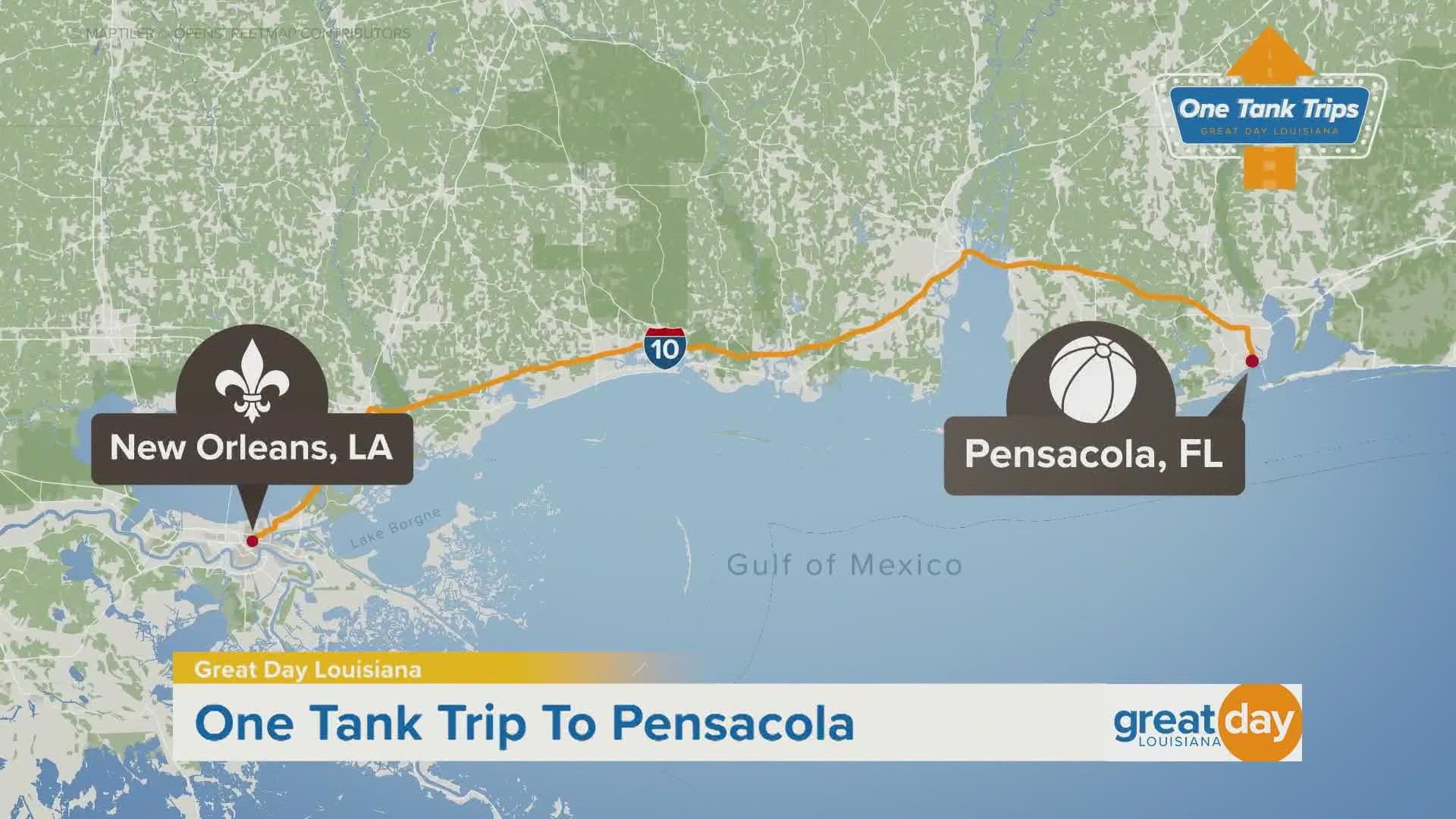
The most direct and commonly utilized route between Pensacola, Florida and New Orleans, Louisiana primarily follows Interstate 10 (I-10) for the majority of the journey. This interstate highway is a well-maintained, multi-lane route that offers a relatively straightforward drive.

Calculating the Miles
The approximate driving distance between Pensacola, Florida and New Orleans, Louisiana is about 200 to 220 miles, depending on the specific starting and ending points within each city and the precise route taken. This figure represents the shortest and most efficient path, designed for direct travel.
Estimated Travel Duration
Under optimal conditions, the drive can typically be completed in approximately 3 to 3.5 hours. This estimation assumes:
- Unimpeded Traffic: The absence of significant traffic congestion, which is more likely during off-peak hours and weekdays.
- Minimal Stops: The calculation includes only brief stops for fuel or restroom breaks. Extended sightseeing or meal breaks will, of course, add to the total travel time.
- Legal Driving Speeds: Adherence to posted speed limits throughout the journey.
It is important to note that Interstate 10 is a major artery connecting numerous cities and can experience substantial traffic, especially around metropolitan areas like Mobile, Alabama and, of course, as one approaches New Orleans, Louisiana. Therefore, factoring in potential delays due to traffic is a wise part of any travel planning.
Navigating the Route: Key Waypoints and Considerations
The journey from Pensacola, Florida to New Orleans, Louisiana is more than just a mileage count; it’s an experience that unfolds across the diverse landscapes of the Gulf Coast. Understanding the key waypoints and potential considerations along Interstate 10 can enhance the travel experience and preparedness.
The Stretch Through Alabama
As you depart Pensacola, Florida heading west on I-10, you will quickly enter Alabama. The first significant city you will pass through is Mobile, Alabama.
Mobile, Alabama: A Brief Respite
Mobile, Alabama is a historic port city that offers opportunities for a brief stop. Attractions like the USS Alabama Battleship Memorial Park or a stroll through its charming downtown can be a welcome break for travelers. The city is also a good point for refueling or grabbing a quick bite to eat, often around the I-10 exits. Traffic congestion can be a factor in Mobile, particularly during peak commuting hours, so an early morning or late afternoon departure from Pensacola might help in bypassing some of this.
Crossing the Border into Louisiana
After passing through Mobile, Alabama, the route continues west, eventually crossing the state line into Louisiana. The landscape begins to shift, offering glimpses of the bayous and wetlands characteristic of the region.
Potential for Tolls
While the primary route on I-10 is generally toll-free for a significant portion, it’s worth noting that as you get closer to New Orleans, Louisiana, there might be instances of toll bridges or express lanes. Drivers should be aware of signage and consider obtaining an electronic toll transponder (like E-ZPass or equivalent for the region) if they plan frequent travel or wish to streamline their passage through toll points.
Approaching New Orleans
The final leg of the journey involves navigating the approach to New Orleans, Louisiana. This area can be particularly busy, with traffic increasing significantly as you enter the metropolitan sprawl. Familiarizing yourself with the specific exit for your accommodation or planned activities in New Orleans is advisable to avoid getting caught in traffic loops or missing your intended turn.
Alternative Travel Methods: Beyond the Road
While driving is the most common and often the most flexible way to travel between Pensacola, Florida and New Orleans, Louisiana, other transportation options exist for those who prefer not to drive or are looking for different travel experiences.
Air Travel: The Fastest, But Less Direct
Flying between the two cities is an option, though it’s important to understand the logistical differences.
Airports and Flight Times
- Pensacola International Airport (PNS): Serves Pensacola, Florida.
- Louis Armstrong New Orleans International Airport (MSY): Serves New Orleans, Louisiana.
Direct flights between PNS and MSY are not always readily available or may be infrequent. Most flights will involve a connection, typically through a hub city like Atlanta, Georgia or Charlotte, North Carolina. The actual flight time, once airborne, is relatively short, often around 1 to 1.5 hours. However, when you factor in travel to and from airports, security checks, boarding, and potential layovers, the total travel time can easily equal or exceed the driving time.
Considerations for Air Travel
- Cost: Flight prices can vary significantly based on booking time, airline, and season. It may be more expensive than driving, especially for groups or families.
- Convenience: While you avoid the actual driving, you lose the flexibility of stopping at points of interest along the way. You also need to arrange transportation from MSY to your final destination in New Orleans.
Bus and Train Services: Budget-Friendly Alternatives
For travelers on a tighter budget or those who prefer not to fly or drive, bus and train services offer viable alternatives.
Greyhound Bus
Greyhound often operates routes between Pensacola, Florida and New Orleans, Louisiana. The journey is typically longer than driving, often ranging from 6 to 10 hours, depending on the number of stops and the specific route.
- Advantages: Generally the most economical option.
- Disadvantages: Can be lengthy and less comfortable than other modes of transport. Bus stations may not always be in the most convenient locations.
Amtrak Train
Amtrak offers passenger rail service, which can be a more scenic and comfortable experience compared to bus travel. The Crescent route, for instance, connects cities along the Gulf Coast.
- Route and Duration: Amtrak service between Pensacola and New Orleans often involves a connection, and the journey can take anywhere from 8 to 12 hours or more.
- Advantages: More legroom, ability to walk around, dining car options, and a potentially more relaxed journey.
- Disadvantages: Can be slower than driving and may require transfers. Ticket prices can vary widely.
When considering these alternative modes of transport, it’s essential to check the most up-to-date schedules, routes, and pricing directly with the respective providers, as these can change.
Making the Most of Your Journey: Tips for Travelers
Whether you choose to drive, fly, or take a train, planning is key to a successful trip between Pensacola, Florida and New Orleans, Louisiana. Here are some tips to enhance your travel experience.
For Drivers: Maximizing Efficiency and Enjoyment
- Timing is Crucial: To avoid the heaviest traffic, aim to depart Pensacola early in the morning (before 7 AM) or in the late afternoon/early evening, avoiding typical rush hours in Mobile and as you approach New Orleans. Midday travel can also be a good option.
- Navigation Apps: Utilize real-time traffic navigation apps (e.g., Google Maps, Waze) to monitor conditions and identify potential delays or alternative routes.
- Breaks and Stops: Plan for at least one substantial stop. Mobile, Alabama is a natural point for a break. Consider visiting the USS Alabama Battleship Memorial Park for a bit of history or simply enjoy a meal at a local restaurant. Other smaller towns along I-10 also offer services.
- Vehicle Check: Ensure your vehicle is in good working order, with adequate fuel, tire pressure, and fluids, especially for a trip of this length.
- Snacks and Drinks: Pack a cooler with snacks and drinks to save money and time on the road.
For All Travelers: Embracing the Destinations
- Research Your Destinations: Both Pensacola, Florida and New Orleans, Louisiana offer distinct cultural experiences.
- Pensacola: Known for its pristine white-sand beaches, such as those at Pensacola Beach, and a rich naval aviation history centered around the National Naval Aviation Museum. The historic downtown area also boasts charming architecture and a vibrant waterfront.
- New Orleans: Famous for its unique Creole culture, live jazz music, historic French Quarter, delicious cuisine, and lively atmosphere. Attractions abound, from Bourbon Street to the tranquil beauty of the Garden District.
- Accommodation Booking: Whether you’re staying in a luxurious resort on Pensacola Beach or a historic inn in the French Quarter, book your accommodations in advance, especially during peak tourist seasons. Consider hotels like the The Roosevelt New Orleans, A Waldorf Astoria Hotel or boutique stays in Garden District.
- Local Cuisine: Plan to sample the distinct culinary offerings of each region. Pensacola offers fantastic seafood, while New Orleans is renowned for its gumbo, jambalaya, beignets, and Creole specialties.
- Flexibility: While planning is important, allow for spontaneous detours or discoveries. Sometimes the most memorable travel moments come from unexpected finds.
The distance between Pensacola, Florida and New Orleans, Louisiana is a manageable one, making it an ideal route for a weekend getaway or as part of a larger Gulf Coast exploration. By understanding the travel times, route options, and the unique offerings of each destination, travelers can craft a journey that is both efficient and deeply rewarding.
LifeOutOfTheBox is a participant in the Amazon Services LLC Associates Program, an affiliate advertising program designed to provide a means for sites to earn advertising fees by advertising and linking to Amazon.com. Amazon, the Amazon logo, AmazonSupply, and the AmazonSupply logo are trademarks of Amazon.com, Inc. or its affiliates. As an Amazon Associate we earn affiliate commissions from qualifying purchases.