
When planning a trip to the sunny landscapes and vibrant cities of Arizona, travelers often focus on booking accommodations, planning itineraries, and discovering attractions from the majestic Grand Canyon to the bustling streets of Phoenix. However, an often-overlooked aspect of responsible tourism involves understanding local laws and regulations, particularly those that might seem minor but carry significant implications. One such area of inquiry for many visitors revolves around knife laws, specifically concerning switchblades or automatic knives. Navigating these legal waters can be crucial for ensuring a smooth, enjoyable, and lawful visit to the Grand Canyon State.

Understanding Arizona’s Knife Laws for Tourists
Arizona possesses a reputation for being a relatively firearm-friendly state, and its knife laws often reflect a similar spirit of individual liberty, albeit with specific distinctions that are vital for tourists to grasp. Unlike many other states, Arizona’s statutes are generally less restrictive regarding knife ownership and carry, particularly concerning automatic knives. However, “less restrictive” does not equate to “unrestricted,” and a nuanced understanding is paramount for visitors.
The Legal Landscape: What the Statutes Say
At a state level, Arizona Revised Statutes (ARS) §13-3101 defines various weapons but notably does not explicitly prohibit the possession or open carry of automatic knives (often colloquially referred to as switchblades) for adults who are not prohibited possessors. Prior to 2013, Arizona law had a more restrictive stance on automatic knives. However, changes made to the law largely decriminalized the mere possession of these knives. Currently, for individuals 18 years of age or older and not otherwise legally prohibited from possessing such items, the open carry of a switchblade is generally permissible throughout the state.
The key distinction lies often in the intent behind carrying a knife and whether it is concealed. While open carry of most knives, including automatic knives, is generally accepted, concealed carry can introduce complexities. Arizona allows for the concealed carry of a “deadly weapon” by individuals aged 21 or older without a permit. A knife, depending on its characteristics and how it is used, can be classified as a deadly weapon. This means that an automatic knife, if carried concealed, falls under these general concealed weapons provisions. While broadly permissible, tourists should understand that local ordinances in specific cities or counties might impose additional restrictions, though these are often preempted by state law regarding the concealed carry of weapons. It is crucial to remember that this general allowance does not extend to individuals prohibited from possessing weapons due to prior felony convictions or other legal restrictions.
Automatic Knives vs. Other Blade Types
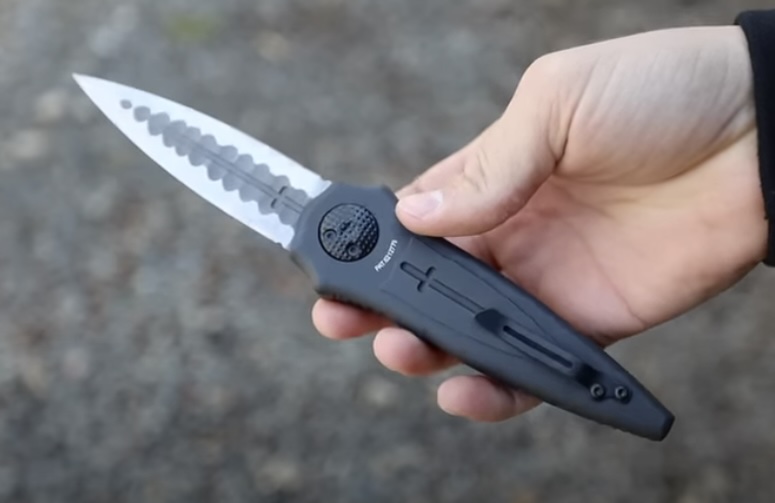
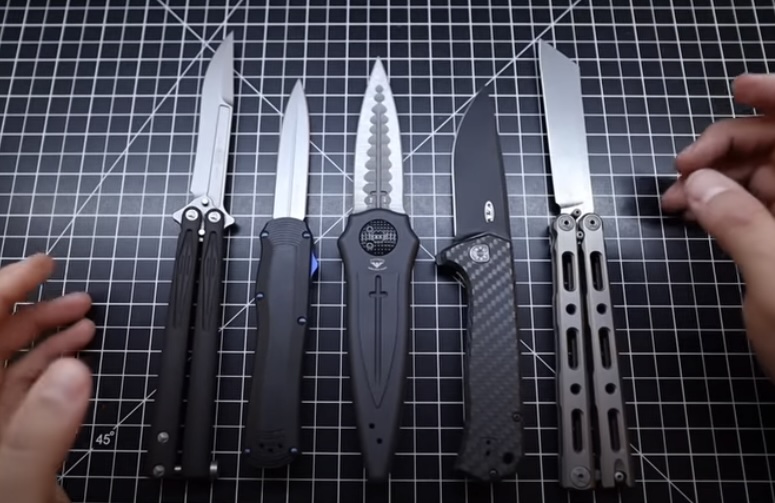
For a tourist, it’s helpful to understand the various types of knives and how they might be perceived or regulated. An “automatic knife” or “switchblade” is defined by its mechanism: a blade that opens automatically by a spring or other device when a button, pressure on the handle, or other device is manipulated. This differentiates them from “assisted opening” knives, which require some manual initiation of the blade’s movement, or traditional folding knives that rely entirely on manual effort.
While the legal landscape in Arizona is generally permissive for automatic knives, other types of blades, such as balisongs (butterfly knives) or gravity knives, often fall under the same broad interpretation if they are considered “deadly weapons.” Fixed-blade knives, daggers, and Bowie knives are also generally permissible for open carry. The overriding principle for tourists should be that if a knife could be construed as a weapon, its carry, especially concealed, should be approached with a clear understanding of the law and careful consideration of intent.
Concealed Carry vs. Open Carry Considerations
As mentioned, Arizona is a permitless concealed carry state for adults 21 and over. This applies to knives as well. However, just because something is legal doesn’t always make it advisable, especially for tourists unfamiliar with local norms and law enforcement practices. Openly carrying a large automatic knife or any other “deadly weapon” might draw unwanted attention or cause alarm in certain public settings, even if it is legally permissible.
For tourists, the best practice is often to consider the context. While hiking in the wilderness near Sedona or exploring desert trails around Tucson, a visible utility knife or even an automatic knife for practical purposes might seem natural. However, carrying such an item visibly in a crowded urban environment like a shopping mall in Scottsdale or a restaurant could lead to misunderstandings or inquiries from security personnel or law enforcement, even if no law is being broken. Concealed carry offers discretion but requires a firm understanding of the legal age requirement (21+) and the intent clause, which could be scrutinized if an incident occurs.
Navigating Public Spaces and Tourist Attractions
The general permissiveness of Arizona’s knife laws often applies to broad public spaces, but specific locations and entities maintain the right to set their own rules. Tourists must be aware that even if a knife is legal to carry under state law, certain places can prohibit it.
Specific Restrictions in Parks and Government Buildings
Federal properties, such as national parks (e.g., Grand Canyon National Park, Petrified Forest National Park), and federal buildings operate under federal laws, not state laws. The National Park Service has regulations that may differ from Arizona state law. While many federal laws regarding knives focus on blade length or specific types of knives (e.g., gravity knives), it is always best to check the specific regulations for the park or federal building you plan to visit. Generally, weapons, including certain types of knives, are often prohibited in federal buildings. Similarly, state and local government buildings (courthouses, legislative offices, etc.) often have strict policies prohibiting weapons, regardless of state carry laws. Tourists visiting sites in cities like Flagstaff or Mesa should be mindful of posted signs.
Airline and Transportation Regulations
This is an area where state law is entirely irrelevant. The U.S. Transportation Security Administration (TSA) strictly prohibits knives of any kind, including automatic knives, in carry-on luggage. All knives must be packed in checked baggage and must comply with specific size and type regulations. Failure to adhere to these rules can result in confiscation, fines, and potential delays or legal trouble. For tourists flying into or out of Arizona, this is a critical distinction to remember. Similarly, local public transportation services (buses, light rail in Phoenix) may have their own policies regarding weapons, and it is always prudent to be aware of these.
Business Establishments: Private Property Rules
Crucially, private businesses and property owners in Arizona have the right to establish their own policies regarding weapons on their premises. This means that a restaurant, store, museum, or concert venue can prohibit knives, even if they are legal to carry under state law. Look for “no weapons” signs, and always respect the rules of private establishments. Attempting to carry a knife into a place that prohibits it, even if you are unaware of the policy, could lead to being asked to leave, or in some cases, trespassing charges.
Practical Tips for Visitors to Arizona
To ensure your visit to Arizona remains enjoyable and free of legal complications regarding knife carry, consider these practical tips.
When in Doubt, Leave It Out
If you are unsure about the legality of carrying a particular knife in a specific location or situation, the safest course of action is to leave it secured in your vehicle or accommodation. For most tourist activities, a knife is not a necessary item, and avoiding potential legal ambiguities or social discomfort is often the best strategy. This approach minimizes any risk of misunderstanding with law enforcement or private security.
Staying Informed: Reliable Legal Resources
While this article provides a general overview, specific legal advice should always come from a qualified professional. Tourists who have particular concerns or unique circumstances should consult with an Arizona attorney specializing in weapons law. Additionally, governmental resources like the Arizona Department of Public Safety (DPS) website or relevant municipal government sites may offer further clarification on local ordinances, though their primary focus is not typically on providing tourist-specific legal guidance.
Consequences of Non-Compliance: What Tourists Need to Know
While simple possession of an automatic knife may not be illegal for an adult in Arizona, misuse or carrying with unlawful intent can lead to serious consequences. Carrying any knife with the intent to use it as a weapon in a threatening or aggressive manner, or using it to commit a crime, will result in severe felony charges, regardless of the knife’s initial legality. Even in less severe instances, a misunderstanding of local ordinances or private property rules could lead to confiscation of the knife, fines, or even arrest, disrupting your travel plans significantly.
Ensuring a Smooth and Law-Abiding Visit
Arizona is a magnificent state offering diverse experiences, from the geological wonders of the Grand Canyon to the vibrant arts scene of Phoenix. For most tourists, understanding the nuances of knife laws, particularly concerning automatic knives, is a matter of exercising due diligence and common sense.
Prioritizing Safety and Awareness
Your primary goal as a tourist should be to enjoy your trip safely and responsibly. While Arizona’s state laws are generally permissive regarding automatic knives for adults, remaining aware of federal regulations (e.g., in national parks, airports), local city ordinances, and private property rules is crucial. A proactive approach to understanding these differing jurisdictions will prevent potential issues.
Enjoying Arizona’s Offerings Responsibly
Ultimately, the question of “Are switchblades illegal in Arizona?” has a complex answer for tourists: generally no, for open carry by adults, and often permissible for concealed carry for those 21 and over. However, this legal permissiveness is not absolute and is subject to crucial exceptions and contextual considerations. By staying informed, exercising good judgment, and prioritizing respect for local laws and customs, tourists can confidently explore all that Arizona has to offer, ensuring their adventures are memorable for all the right reasons.
LifeOutOfTheBox is a participant in the Amazon Services LLC Associates Program, an affiliate advertising program designed to provide a means for sites to earn advertising fees by advertising and linking to Amazon.com. Amazon, the Amazon logo, AmazonSupply, and the AmazonSupply logo are trademarks of Amazon.com, Inc. or its affiliates. As an Amazon Associate we earn affiliate commissions from qualifying purchases.