
Encountering Arizona’s Iconic Wild Horses
The notion of wild horses roaming free evokes a sense of timeless adventure and untamed beauty, a vision often associated with the American West. For many tourists planning a visit to the Grand Canyon State, the question of whether Arizona still hosts these majestic creatures is a compelling one. The answer, for those eager to witness a truly unique natural spectacle, is a resounding yes. While not as widespread as they once were, viable populations of wild horses continue to thrive in specific regions, offering unparalleled opportunities for responsible tourism.

The Salt River Wild Horses: A Natural Spectacle
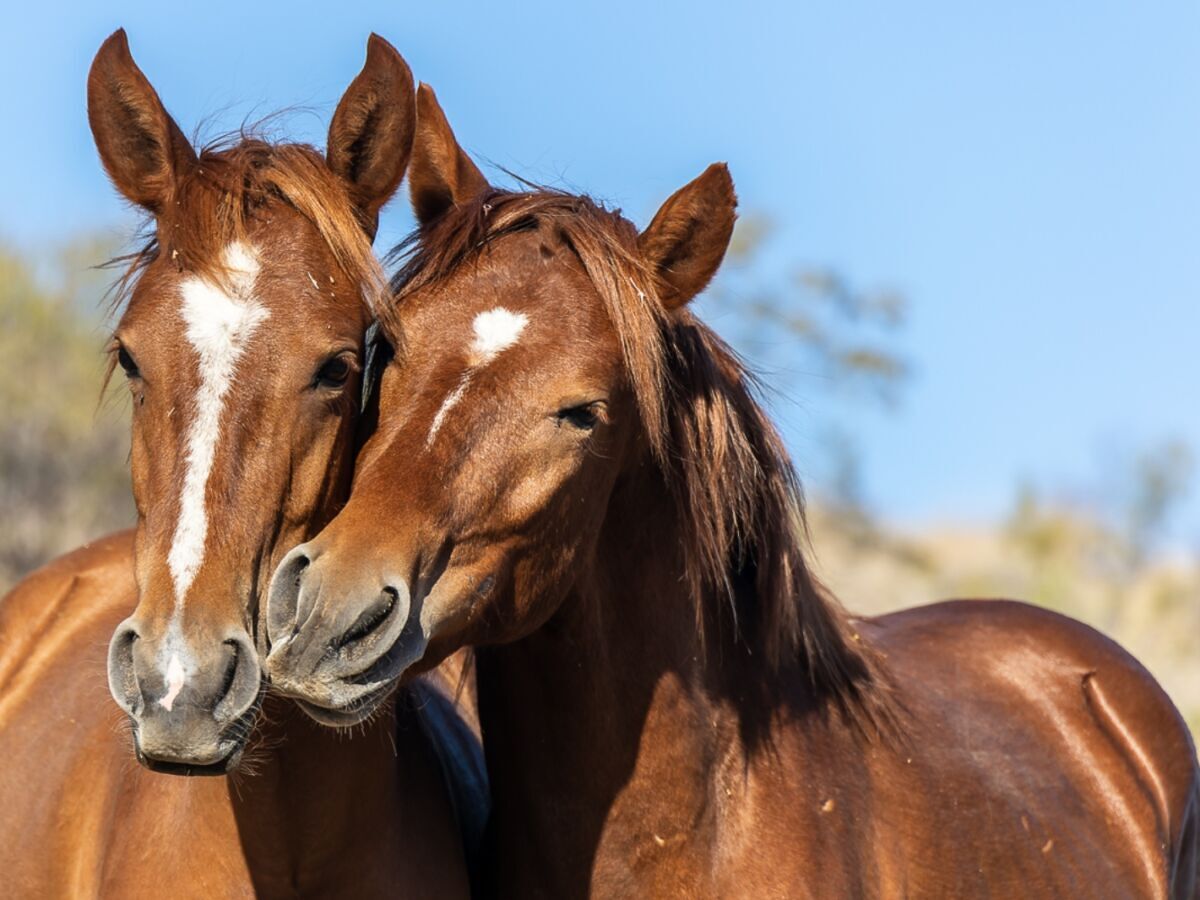
Perhaps the most famous and accessible herd in Arizona is the Salt River wild horses. These magnificent animals are not simply a fleeting glimpse of history; they are a vibrant, living component of the local ecosystem and a significant draw for nature enthusiasts and photographers. Their presence along the scenic Salt River provides a rare chance to observe equine behavior in its natural setting. Tourists often report seeing these horses grazing peacefully, drinking from the river, or even engaging in playful interactions, creating unforgettable memories. Their resilience and adaptation to the arid Arizona landscape are a testament to their enduring spirit, making them a powerful symbol of the wild.
Dispelling Myths: Understanding Their Status
It’s important for tourists to understand that the term “wild horses” in Arizona primarily refers to free-roaming, unmanaged herds that have descended from domesticated horses, rather than truly “wild” species that have never been domesticated (like zebras). The Salt River horses, for example, have a lineage that traces back centuries, likely to horses brought by early Spanish explorers. They are not officially protected under the Wild Free-Roaming Horses and Burros Act of 1971, which applies to horses on federal lands managed by the Bureau of Land Management or the U.S. Forest Service. Instead, their protection largely stems from state legislation and dedicated local organizations, which work tirelessly to advocate for their welfare and secure their future. This unique legal status means that while they are an incredible natural attraction, tourist interaction must always prioritize their safety and well-being, respecting the delicate balance of their existence.
Prime Locations for Wild Horse Tourism
For tourists eager to include wild horse viewing in their Arizona itinerary, knowing where to go is key. The experience hinges on visiting specific, ecologically suitable areas where these herds have established territories and are regularly sighted.
The Lower Salt River Recreation Area
The epicenter of wild horse tourism in Arizona is undoubtedly the Lower Salt River Recreation Area, located within the vast Tonto National Forest just a short drive northeast of Phoenix, Mesa, and Scottsdale. This area offers the most consistent opportunities for sightings. The horses are often seen along the riverbanks, particularly around popular access points like Coon Bluff, Blue Point, and Pebble Beach. The lush riparian habitat along the Salt River provides essential water and forage, making it an ideal location for these free-roaming herds. Visitors to this area should be prepared for rustic conditions, as many viewing spots are informal pull-offs or designated picnic areas. The beauty of this location lies not just in the horses but also in the stunning desert backdrop, providing a comprehensive natural experience.
Other Potential Sightings
While the Salt River herds are the most reliable, other smaller, more elusive populations of wild horses can occasionally be found in more remote areas of Arizona. These sightings are far less predictable and often require extensive knowledge of the local terrain or assistance from specialized guides. Areas within the larger Tonto National Forest and other vast wilderness tracts might harbor small bands, but these are not typically marketed as primary tourist attractions due to their infrequent appearance and the difficulty in accessing their habitats. For the average tourist, focusing on the Lower Salt River Recreation Area offers the best chance for a successful and enjoyable wild horse viewing experience.
Responsible Tourism: Ethical Viewing Practices
As a tourist engaging with Arizona’s wild horses, adopting responsible and ethical viewing practices is paramount. The goal is to observe these animals in their natural state without causing disturbance, stress, or harm. Your actions directly impact their welfare and the sustainability of these herds as a tourist attraction.
Maintaining a Safe Distance
The cardinal rule of wildlife viewing is to maintain a safe and respectful distance. For wild horses, this typically means staying at least 50 feet (about two bus lengths) away. This distance ensures that the horses do not feel threatened or compelled to alter their natural behavior. Approaching too closely can cause stress, lead to defensive actions, or even habituate them to human presence, which can be dangerous for both horses and people. Always use binoculars or a telephoto lens for close-up viewing and photography, rather than physically encroaching on their space. Remember, these are wild animals, and their behavior can be unpredictable, especially if they feel cornered or perceive a threat to their young.
Never Feed the Horses
Feeding wild horses, no matter how well-intentioned, is incredibly harmful. Human food is not part of their natural diet and can cause severe digestive problems, colic, or even death. Furthermore, feeding encourages horses to associate humans with food, leading them to approach roadsides or populated areas, increasing their risk of vehicle collisions. It also disrupts their natural foraging behaviors and can lead to aggressive interactions between horses competing for handouts. Educating oneself and others about the dangers of feeding is a crucial aspect of responsible tourism. Pack out all your trash and leave no trace of your visit to preserve their habitat.
Observing, Not Disturbing
Your presence in their habitat should be as unobtrusive as possible. Move slowly and quietly, avoid sudden movements or loud noises that could startle them. If a horse or herd shows signs of agitation – such as heads up, ears swiveling, snorting, or moving away – you are too close or making too much noise. Respect their boundaries and give them ample space. Avoid blocking their paths to water or grazing areas. Remember that observing their natural behavior from a distance is far more rewarding and ethical than attempting to force an interaction. Documenting their lives through photography is a wonderful way to commemorate your visit, but always prioritize their well-being over getting the perfect shot.
Planning Your Arizona Wildlife Excursion
A successful wild horse viewing trip to Arizona requires thoughtful planning. By considering the best times to visit and what gear to bring, tourists can maximize their chances of a rewarding and responsible encounter.
Best Time to Visit
The optimal time for wild horse viewing in Arizona generally falls during the cooler months, from late fall through spring (October to April). During these periods, the temperatures are more pleasant for both humans and horses, making outdoor exploration more comfortable. Horses are often more active during dawn and dusk as they seek water and forage, so planning early morning or late afternoon visits can significantly increase your chances of sightings. Summer months (May to September) bring extreme heat, which can make prolonged outdoor viewing challenging and might cause horses to seek shade or be less active during midday. Even during cooler months, bringing plenty of water is essential.
Essential Gear for Horse Spotting
To enhance your wild horse tourism experience, consider packing the following:
- Binoculars or a Spotting Scope: Crucial for observing horses from a safe distance without disturbing them.
- Camera with a Telephoto Lens: For capturing high-quality images without needing to get too close.
- Comfortable Walking Shoes: You may need to walk short distances to find prime viewing spots.
- Water and Snacks: Especially important in the Arizona desert, even during cooler months.
- Sun Protection: Hat, sunglasses, and sunscreen are vital year-round.
- Map/GPS: Cell service can be spotty in remote areas, so a physical map or downloaded GPS data is recommended for navigating the Tonto National Forest.
- Small Backpack: To carry your essentials.
Guided Tours vs. Self-Exploration
Tourists have the option of self-exploration or joining a guided tour. Self-exploration offers flexibility and a sense of independent discovery, allowing you to spend as much time as you wish at various spots. However, it requires some preparation and knowledge of the area. For those who prefer expert guidance and a higher likelihood of sightings, several local tour operators offer guided excursions specifically for wild horse viewing. These tours often utilize experienced guides who know the horses’ patterns and preferred areas, provide transportation, and share valuable insights into the horses’ history and behavior. This can be an excellent option for first-time visitors or those less comfortable navigating unfamiliar terrain.
Integrating Wild Horse Viewing into Your Arizona Itinerary
Adding a wild horse excursion to your Arizona trip can create a well-rounded and memorable experience. The proximity of the Lower Salt River Recreation Area to major metropolitan areas means it can be easily combined with other popular tourist activities.
Nearby Attractions and Activities
Wild horse viewing pairs wonderfully with other outdoor activities available in the Phoenix metropolitan area and surrounding regions. After observing the horses, tourists can enjoy kayaking or tubing on the Salt River itself (seasonal). Hiking trails abound in the Tonto National Forest, offering scenic views of the Sonoran Desert. Nearby attractions include the Desert Botanical Garden, Papago Park, and Camelback Mountain for additional hiking opportunities. For those extending their trip, destinations like Sedona‘s red rocks or the majestic Grand Canyon are also within a few hours’ drive, allowing for a diverse Arizona adventure that blends wildlife, natural beauty, and outdoor recreation. Even destinations like Saguaro National Park near Tucson or Lost Dutchman State Park offer different facets of the unique Arizona landscape.

Accommodation Options for Nature Lovers
For tourists prioritizing proximity to the wild horses, staying in the eastern Phoenix suburbs like Mesa, Fountain Hills, or Apache Junction can be convenient. These areas offer a range of accommodation options, from budget-friendly hotels to more upscale resorts, providing easy access to the Lower Salt River Recreation Area. Many resorts in Scottsdale also offer a luxurious base from which to explore, combining desert elegance with accessibility to natural attractions. For those seeking a more rustic experience, primitive camping is available within the Tonto National Forest in designated areas, allowing for an immersive overnight stay close to the horses’ habitat. Regardless of your preference, ensuring your chosen accommodation allows for early morning departures or late evening returns will maximize your chances of seeing these captivating creatures.
LifeOutOfTheBox is a participant in the Amazon Services LLC Associates Program, an affiliate advertising program designed to provide a means for sites to earn advertising fees by advertising and linking to Amazon.com. Amazon, the Amazon logo, AmazonSupply, and the AmazonSupply logo are trademarks of Amazon.com, Inc. or its affiliates. As an Amazon Associate we earn affiliate commissions from qualifying purchases.