
Understanding your rights regarding sick pay in Arizona is crucial, especially when planning your Arizona travels or considering longer stays. While the allure of the Grand Canyon State might draw you in for its stunning landscapes and vibrant culture, navigating employer policies, particularly concerning sick leave, can add an unexpected layer of complexity to your experience. This article delves into the specifics of sick pay in Arizona, clarifying when an employer can and cannot deny this benefit, offering insights relevant to both residents and visitors who might be employed remotely or working on assignment within the state.

The Legal Landscape of Sick Pay in Arizona
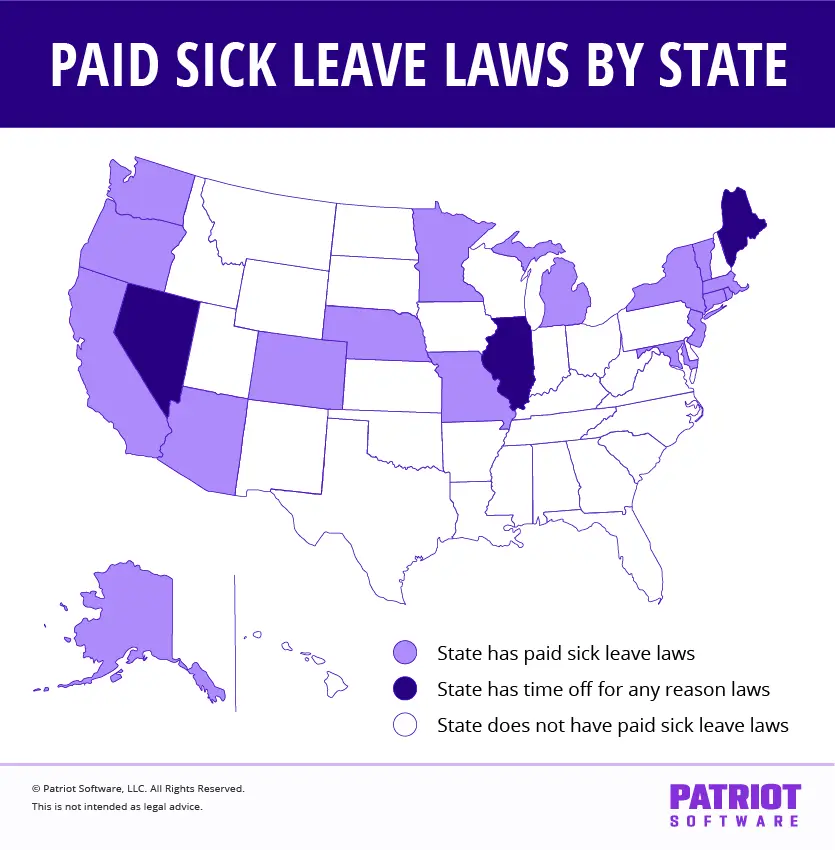
Arizona’s approach to sick pay is primarily governed by state law, but the specifics can depend heavily on whether a city ordinance also applies. Unlike some states with broad, statewide mandates, Arizona has a nuanced system that allows for local control in certain areas. This means that while the state itself doesn’t have a universal paid sick leave law covering all employees, specific cities within Arizona have enacted their own ordinances.
State-Level Provisions (or Lack Thereof)
At the state level, Arizona does not mandate that all employers provide paid sick leave. This is a critical distinction. This means that if you are an employee in Arizona and your employer’s policy does not include paid sick leave, they are generally not legally obligated to provide it, unless you are covered by a specific city ordinance or a collective bargaining agreement. This absence of a statewide mandate can lead to significant variations in benefits from one employer to another, and even from one city to another within the state.
City Ordinances: The Key Determinants
The most significant factor influencing paid sick leave in Arizona is the presence of local ordinances. Several major cities in Arizona have passed their own paid sick leave laws. The most prominent among these is the Phoenix Paid Sick Leave Ordinance, which went into effect in 2017. Similarly, Tucson has its own paid sick leave ordinance.
These city-level laws typically require employers to provide a certain amount of paid sick leave to their employees, often accrued based on hours worked. The exact amount of leave, the reasons for which it can be used, and the requirements for employers can vary between these ordinances. It is imperative for employees working within these specific municipalities to consult the relevant city ordinance to understand their rights and the obligations of their employers.
For example, the Phoenix Paid Sick Leave Ordinance mandates that most employers provide at least one hour of paid sick leave for every 30 hours worked, up to a maximum of 40 hours per year. This leave can be used for the employee’s own health needs or for the health needs of family members. Employers are generally prohibited from denying this accrued leave under the conditions outlined in the ordinance.
When Can Employers Legally Deny Sick Pay?
While city ordinances provide a safety net, there are specific circumstances under which an employer in Arizona might be able to legally deny sick pay, even where an ordinance exists. These often hinge on the details of the law itself and the employer’s adherence to its provisions.
Non-Compliance with Ordinance Requirements
One of the primary ways an employer might be able to deny sick pay is if the employee has not met the eligibility requirements set forth in the relevant ordinance. This could include:
- Insufficient Accrual: Employees must accrue a certain amount of sick leave before they can use it. If an employee has not worked enough hours to accrue the minimum required leave, or has already used all their accrued leave, the employer may deny further requests until more leave is accrued.
- Violation of Notification Procedures: Most ordinances require employees to provide reasonable notice to their employer when they intend to use sick leave, especially for foreseeable absences. Failure to follow these notification procedures could, in some cases, give an employer grounds to deny the request, provided the ordinance allows for such denial. However, for unforeclosed emergencies, the notice requirements are often more relaxed.
- Use for Unprotected Reasons: Paid sick leave is intended for specific purposes, such as the employee’s own illness, injury, or medical condition, or for caring for a sick family member. If an employee attempts to use sick leave for reasons not covered by the ordinance, the employer can deny the request.
Independent Contractors vs. Employees
It’s crucial to understand the distinction between an employee and an independent contractor. Sick pay ordinances typically apply to employees. If an individual is classified as an independent contractor by an employer, they are generally not entitled to paid sick leave under these laws. However, the classification of workers can be complex, and misclassification is a common issue. If you believe you are an employee but are being treated as an independent contractor to avoid providing benefits like sick pay, you may have legal recourse.
Employers Not Located Within an Ordinance City
If an employer’s physical location is not within a city that has enacted a paid sick leave ordinance, and the employee does not otherwise meet the criteria for coverage (e.g., working a significant portion of their time within the ordinance city), then the employer is not bound by that specific ordinance. This scenario is more likely to affect remote workers or those who travel extensively for work and are based outside of cities like Phoenix or Tucson.
Exemptions Under Specific Ordinances
Some city ordinances may contain specific exemptions for certain types of employers or employees. For instance, some might exempt very small businesses or specific industries. It is essential to review the exact language of the ordinance applicable to your workplace to determine if any exemptions apply.
Failure to Maintain Records
While not a direct denial of sick pay for an employee’s request, an employer’s failure to properly track and record accrued sick leave can lead to disputes. If an employee believes they have accrued sick leave that has not been recognized, they may need to provide documentation to support their claim.
Best Practices for Employees and Employers
Navigating sick pay in Arizona requires diligence from both employees and employers. Here are some best practices to ensure compliance and understanding.
For Employees
- Know Your Rights: Familiarize yourself with the paid sick leave ordinances in the city where you work, if applicable. Review your employee handbook and employment contract for any company-specific sick leave policies.
- Track Your Accrual: Keep a record of your hours worked and the sick leave you believe you have accrued. This can be invaluable if a dispute arises.
- Follow Procedures: When you need to use sick leave, follow your employer’s notification procedures diligently. Document your requests and any responses you receive.
- Seek Clarification: If you are unsure about your sick leave rights or your employer’s policies, don’t hesitate to ask your HR department or consult the relevant city ordinance directly.
- Understand Family Member Definitions: Paid sick leave ordinances often define “family member” broadly. Understand who qualifies under the law so you can use your leave appropriately for dependent care.
For Employers
- Stay Informed: Keep up-to-date with Arizona state labor laws and any relevant city ordinances that affect your business. Changes can occur, and compliance is key.
- Develop Clear Policies: Create a written sick leave policy that clearly outlines eligibility, accrual rates, usage guidelines, and notification requirements. Distribute this policy to all employees.
- Implement Robust Tracking Systems: Ensure you have a reliable system for tracking employee hours worked and sick leave accrual. This will prevent errors and disputes.
- Train Management: Educate your managers and supervisors on the paid sick leave laws and your company’s policy to ensure consistent application.
- Respond Promptly and Fairly: Address employee requests for sick leave promptly and in accordance with the law and company policy. Deny requests only when there are clear, legal grounds to do so, and provide a clear explanation.
- Consult Legal Counsel: If you have complex situations or are unsure about compliance, seek advice from an employment lawyer specializing in Arizona labor law.
Planning Your Stay or Remote Work in Arizona
For those planning a longer visit, a sabbatical, or even remote work from Arizona, understanding these employment-related regulations can be part of your preparedness. If you are a digital nomad working for an employer based outside of Arizona, it’s essential to determine whether your remote work from within an Arizona city with a paid sick leave ordinance makes you eligible for those protections. This often depends on where the work is physically performed.
Similarly, if you are taking a temporary job or an internship in Arizona, ensure you clarify sick leave policies upfront. Cities like Phoenix and Tucson offer valuable protections that can provide peace of mind, allowing you to focus on enjoying the beauty of the state, from the red rocks of Sedona to the vibrant arts scene of Jerome, without undue worry about unforeseen health needs impacting your work.
Impact on Tourism and Business Stays
While not directly related to the mechanics of sick pay, the legal framework surrounding employment benefits can indirectly influence the experience for business travelers or those considering a short-term work assignment. Knowing that employees in certain Arizona cities have access to paid sick leave contributes to a more stable and predictable workforce, which can be beneficial for businesses operating in those areas. It speaks to a commitment to employee well-being, a factor that can also be attractive to companies considering relocation or expansion within the state. This level of worker protection can enhance the overall business environment and, by extension, the experience of visiting professionals.

Conclusion: Awareness is Key
In Arizona, the ability of an employer to deny sick pay is not absolute. It is heavily influenced by local ordinances, particularly in cities like Phoenix and Tucson. While Arizona state law does not mandate paid sick leave for all employees, employees working within cities that have enacted such ordinances are typically protected, provided they meet the eligibility and procedural requirements. Employers must adhere to these laws, and employees must be aware of their rights. By understanding the nuances of state and local laws, both parties can ensure a fair and compliant approach to sick pay, allowing everyone to focus on enjoying all that Arizona has to offer.
LifeOutOfTheBox is a participant in the Amazon Services LLC Associates Program, an affiliate advertising program designed to provide a means for sites to earn advertising fees by advertising and linking to Amazon.com. Amazon, the Amazon logo, AmazonSupply, and the AmazonSupply logo are trademarks of Amazon.com, Inc. or its affiliates. As an Amazon Associate we earn affiliate commissions from qualifying purchases.