
The Evolving Landscape of Wildfire Causes and Tourist Safety in California
California, a land renowned for its breathtaking diverse landscapes, from sun-drenched beaches to towering mountain ranges, faces an increasingly complex challenge: wildfires. For tourists drawn to the state’s natural beauty and vibrant cultural hubs, understanding the genesis of these fires is not merely an academic exercise but a critical component of safe and responsible travel planning. The inquiry into “how California fire starts” reveals a mosaic of human activities, natural phenomena, and environmental shifts, all profoundly impacting the state’s multi-billion dollar tourism industry. By delving into these origins, travelers and tourism stakeholders can better appreciate the risks, contribute to prevention efforts, and support the resilience of beloved destinations. The insights gained from analyzing fire causes directly inform how tourism adapts, protects its visitors, and safeguards the very attractions that draw millions annually.
Primary Ignition Sources: A Guide for Responsible Tourism
Wildfires in California are predominantly ignited by one of two broad categories: human activities or natural events. While the devastating effects are often similar, the implications for tourism prevention and preparedness vary significantly based on the source.
Human-Caused Fires: Mitigating Risk in Tourist Zones
The overwhelming majority of wildfires in California are attributed to human actions, often inadvertently. For visitors exploring California’s national parks, forests, and recreational areas, awareness of these common culprits is paramount. Unattended campfires, though seemingly innocuous, can quickly escape their rings, especially in dry, windy conditions. Discarded cigarettes, even those thought to be extinguished, retain embers long enough to ignite dry grasses along roadsides or hiking trails. Equipment use, such as sparks from vehicle exhaust systems, power tools, or grinding equipment used near dry vegetation, represents another significant risk. Even seemingly minor events like dragging chains from trailers can create sparks that ignite roadside fires.
Furthermore, issues related to utility infrastructure are a growing concern. Power lines, particularly aging ones, can generate sparks or fall during high winds, igniting surrounding vegetation. Companies like Pacific Gas and Electric Company (PG&E) and Southern California Edison have faced scrutiny and legal battles over fires linked to their equipment. While these are not directly tied to tourist behavior, they impact tourist safety by causing large-scale fires that necessitate evacuations and closures, affecting everything from road trips through Big Sur to visits to remote cabins in the Sierra Nevada.
Less frequently, but equally devastating, is arson. While thankfully not a widespread cause, intentional acts of fire setting pose an unpredictable and serious threat to communities and natural areas, including popular tourist destinations.
For the responsible tourist, mitigating these risks involves a proactive approach. This means adhering strictly to fire restrictions, especially during dry seasons; properly extinguishing all campfires; disposing of smoking materials in designated receptacles; and ensuring vehicles are well-maintained to prevent sparks. Organizations like Cal Fire provide vital information and alerts, which tourists should consult before venturing into wildland areas. Understanding and respecting these guidelines ensures a safer experience for all and protects the very landscapes that draw travelers to California.
Natural Ignitions: Understanding Environmental Factors for Travelers
While human negligence accounts for the majority, naturally occurring ignitions, primarily lightning strikes, also contribute to California’s wildfire problem. These fires often occur in remote, difficult-to-access wildlands, such as within Yosemite National Park or Redwood National Park, and can smolder undetected for days before erupting into large blazes. While lightning itself is beyond human control, the conditions that allow these fires to spread rapidly are influenced by broader environmental factors.
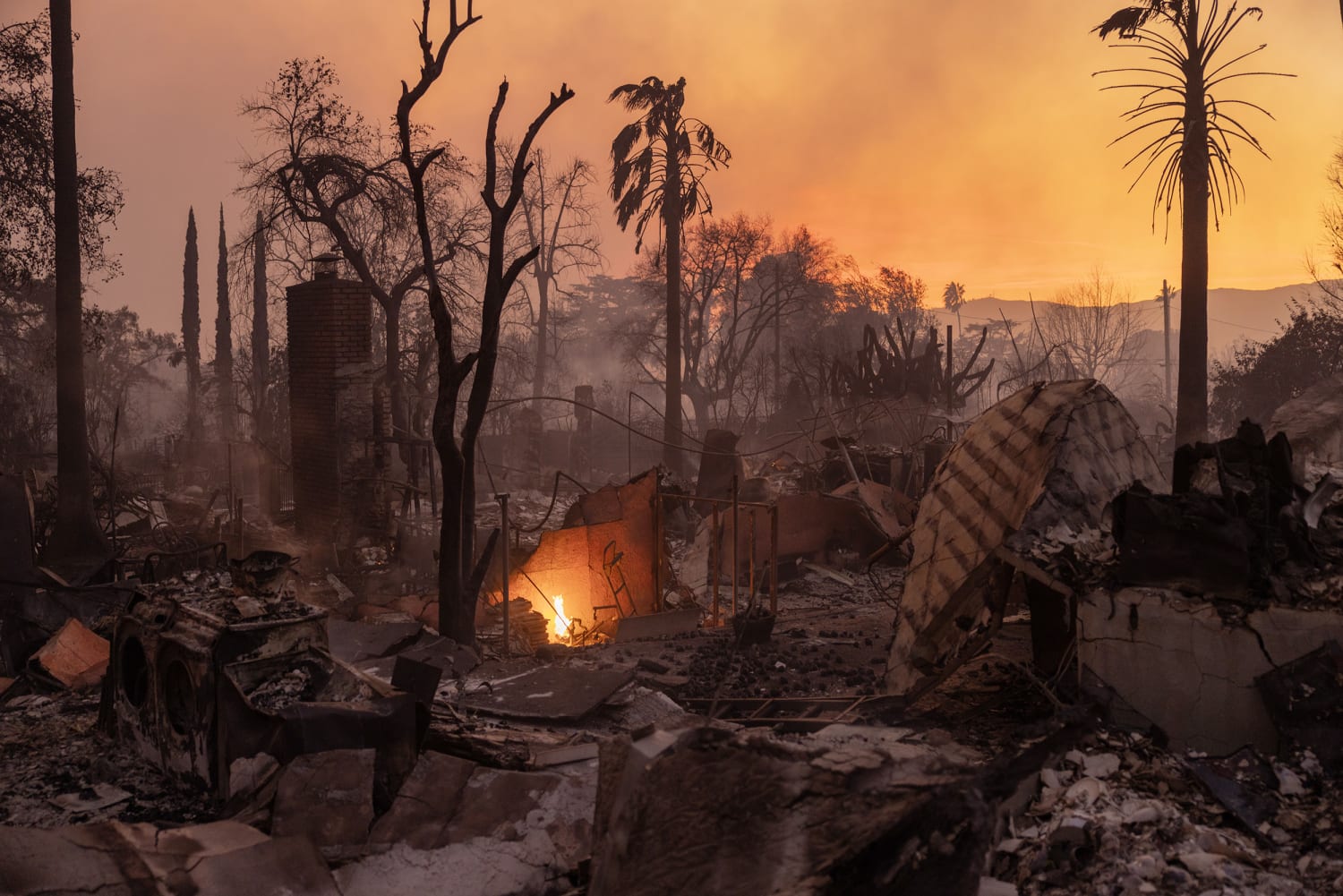
Natural ignitions are particularly concerning because they frequently occur during dry lightning storms, which are common during periods of extreme heat and drought. These storms bring little rain but deliver numerous lightning strikes, often igniting multiple fires simultaneously across vast, dry landscapes. For adventurous travelers seeking wilderness experiences, awareness of weather forecasts and current fire conditions is crucial. Such natural fires can close hiking trails, obscure scenic views with smoke, and even lead to emergency evacuations of remote campgrounds. The pristine beauty of areas like Sequoia National Park and Joshua Tree National Park is particularly vulnerable, directly affecting the visitor experience and the operational capacity of the National Park Service to ensure safety and access.
The Role of Climate Change and Fuel Management: Implications for California Tourism
The discussion of how California fires start is incomplete without acknowledging the overarching influence of climate change and historical land management practices. These factors don’t ignite fires directly but create the tinderbox conditions that turn a small spark into an uncontrollable inferno, with profound implications for the tourism sector.
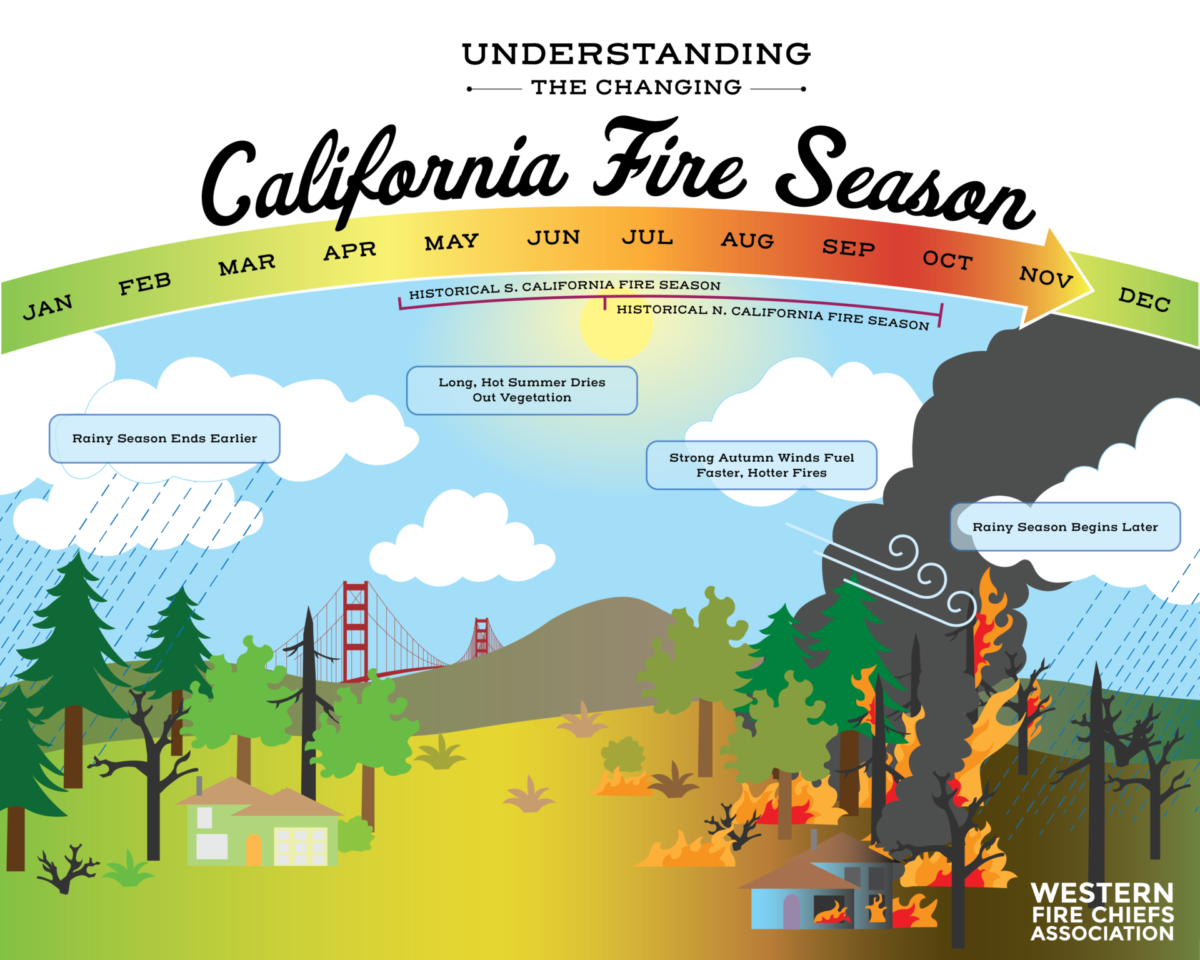
Climate change manifests in California through prolonged droughts, higher average temperatures, and more intense, erratic winds. These conditions dry out vegetation, turning forests and chaparral into vast expanses of highly flammable fuel. The “fire season” has become longer and more intense, blurring the lines between traditional tourism seasons and periods of high risk. This shift affects everything from booking decisions for destination weddings in Napa Valley to planning family vacations around Lake Tahoe. Tourist perception of the state as a safe, natural haven can be eroded, prompting travelers to reconsider their destinations during peak fire risk periods.
Compounding this environmental shift is the legacy of past forest management. For decades, fire suppression policies led to an accumulation of “fuel loads”—dense undergrowth, dead trees, and brush—that would historically have been cleared by natural, low-intensity fires. When a fire now ignites in these areas, it burns hotter and spreads faster, making containment incredibly challenging. This reality affects the long-term appeal of specific tourist sites, as the ecological damage can be extensive, altering landscapes for years. Areas celebrated for their ancient groves or unique ecosystems, once prime tourist attractions, may become scarred landscapes requiring significant recovery time, impacting visitor experiences and local economies for a decade or more. The allure of untouched nature, a key draw for many California visitors, becomes threatened.
Impact on Tourist Destinations and Future Preparedness
The immediate aftermath of a wildfire is devastating, but its ripple effects on tourism are long-lasting and multifaceted. Understanding the origins of fires helps destinations better prepare and mitigate these impacts, ensuring resilience in the face of ongoing threats.
One immediate impact is air quality. Smoke from large fires can drift hundreds of miles, affecting metropolitan areas like Los Angeles and San Francisco, even if the cities themselves are not directly threatened. This makes outdoor activities, a cornerstone of California’s tourism appeal (think beach days, hiking, wine tours), unpleasant or even unsafe, deterring visitors. Closures of national parks, state parks, and popular hiking trails are common, directly limiting access to natural attractions. Road closures can isolate entire regions, disrupting travel plans and preventing access to resorts, wineries, and small towns that rely heavily on tourist traffic.
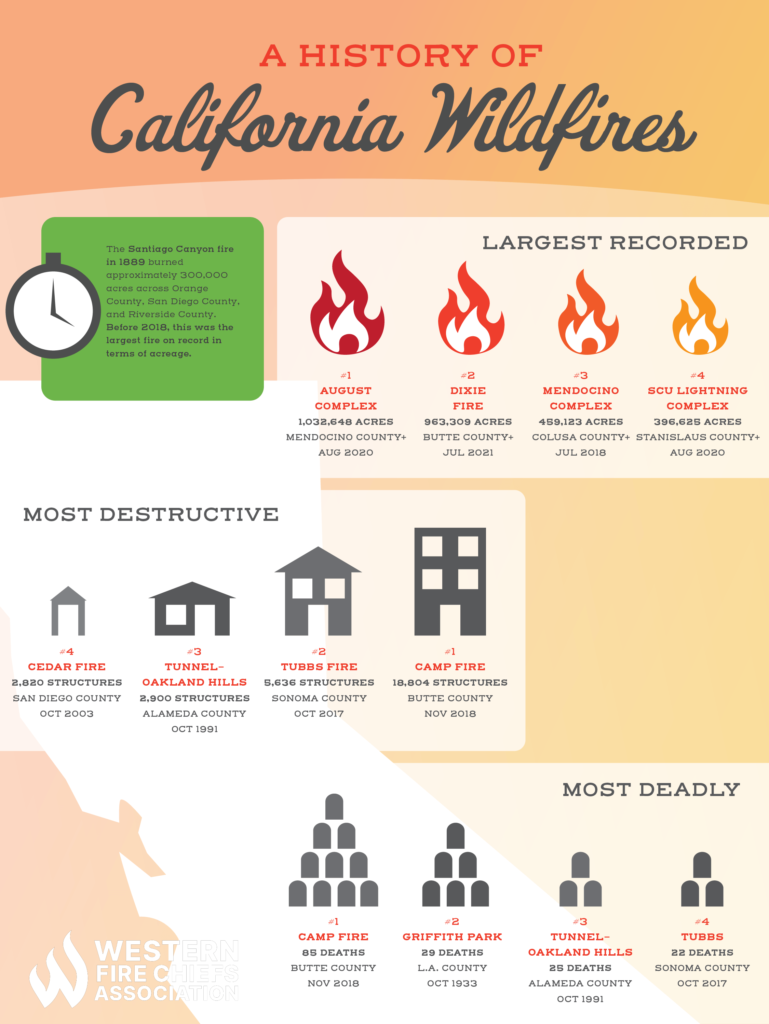
In severe cases, wildfires can directly damage or destroy tourism infrastructure—lodges, resorts, restaurants, and vineyards. This not only results in immediate economic loss but also requires years of rebuilding and recovery, during which time the local tourism economy suffers significantly. Communities dependent on seasonal tourism, often in rural or wildland-urban interface areas, face immense challenges in sustaining their livelihoods.
Adaptive Tourism Strategies and Traveler Awareness
In response to the growing wildfire threat, California’s tourism sector is developing adaptive strategies. This includes promoting off-season travel to distribute visitor loads and potentially avoid peak fire risk, as well as highlighting resilient communities and attractions that have recovered or are less susceptible. Marketing efforts are increasingly focused on educating visitors about fire safety, responsible recreation, and supporting local businesses impacted by fires.
For travelers, heightened awareness is key. Before any trip to California, especially to natural areas, it is critical to check current fire alerts, weather forecasts, and park/forest closures. Official sources such as California’s Office of Emergency Services (CalOES), Cal Fire, and the National Park Service websites offer real-time updates. Practicing fire-safe behaviors, supporting local businesses that contribute to community resilience, and considering travel insurance that covers wildfire-related disruptions are all practical steps.
While attractions like Disneyland or the Golden Gate Bridge might seem immune, the broader reputation and accessibility of California as a premier tourist destination are inextricably linked to how the state manages and recovers from wildfires. By understanding how these fires start and embracing responsible tourism practices, visitors can play a vital role in protecting California’s natural treasures and supporting its vibrant tourism economy for generations to come.
LifeOutOfTheBox is a participant in the Amazon Services LLC Associates Program, an affiliate advertising program designed to provide a means for sites to earn advertising fees by advertising and linking to Amazon.com. Amazon, the Amazon logo, AmazonSupply, and the AmazonSupply logo are trademarks of Amazon.com, Inc. or its affiliates. As an Amazon Associate we earn affiliate commissions from qualifying purchases.