
The question of whether non-citizens can vote in Arizona is more than a simple legal query; it delves into the very fabric of civic participation and the lifestyle of individuals choosing to make the Grand Canyon State their home. For expatriates, long-term residents, or those merely considering an extended stay, understanding the scope of their civic rights and responsibilities is paramount. It shapes how one engages with local communities, influences policy, and truly integrates into society. This article explores the specifics of voting rights in Arizona for non-citizens, framed within the broader context of civic lifestyle and community involvement.
The Bedrock of U.S. Voting Rights and Arizona’s Electoral Framework
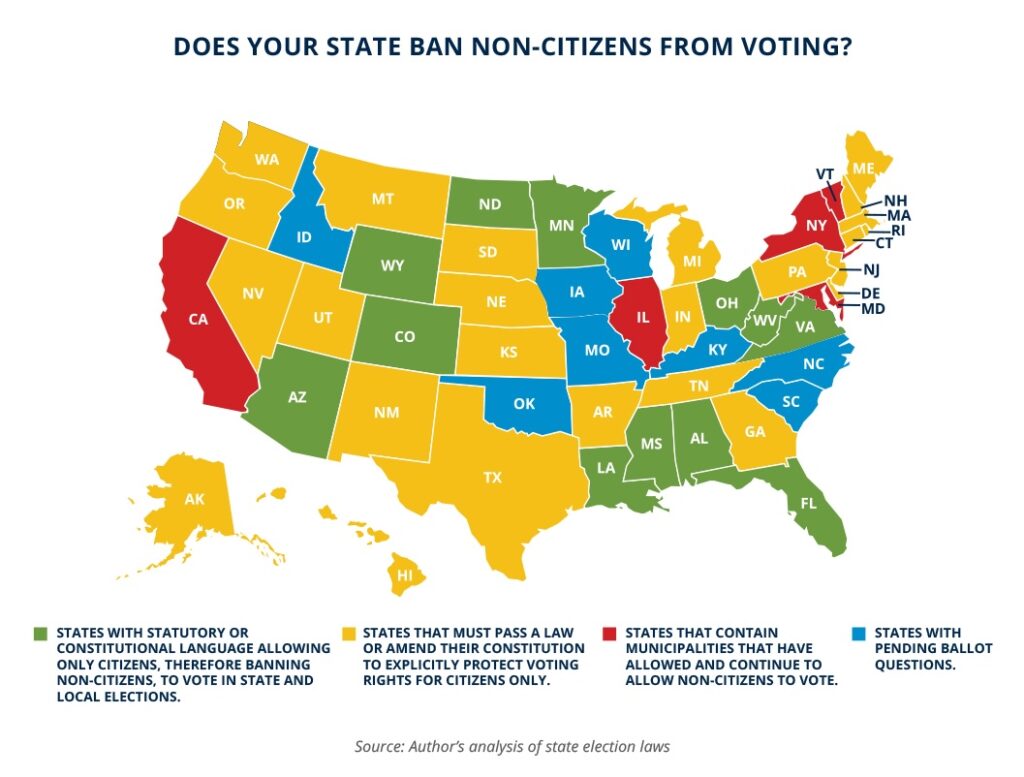
The right to vote in the United States is fundamentally tied to citizenship. While various constitutional amendments have expanded suffrage by removing barriers based on race, sex, and age, the core requirement of being a U.S. citizen has remained. Arizona adheres strictly to this principle, mandating that all registered voters for federal, state, and most local elections must be citizens of the United States. This stance reflects a national consensus that voting is a privilege and responsibility reserved for those who hold full membership in the nation.
Consequently, the straightforward answer to “Can non-citizens vote in Arizona?” is no. This legal reality profoundly impacts the civic lifestyle of a substantial and diverse segment of Arizona’s population. Whether one is a professional contributing to Phoenix‘s tech sector, a student enriching Tucson’s academic environment, or a retiree enjoying the climate, their ability to directly influence electoral outcomes is delimited by their non-citizen status. This foundational understanding is key to navigating civic life in Arizona.
Nuances of Non-Citizen Status in the Grand Canyon State
The category of “non-citizen” is broad, encompassing individuals with distinct legal standings, each influencing their rights, responsibilities, and overall lifestyle within Arizona. Recognizing these differences is vital for a comprehensive understanding of civic engagement possibilities.
Permanent Residents (Green Card Holders)
Permanent residents, or green card holders, possess the legal right to live and work indefinitely in the United States. While they share many rights with citizens, including owning property and paying taxes, the crucial right to vote in federal, state, or Arizona local elections is not extended to them. For many, this gap between their deep integration into the community and their lack of electoral voice can be a significant aspect of their lifestyle, often motivating them to pursue naturalization for full civic participation.
Temporary Visa Holders
Individuals residing in Arizona on various temporary visas (e.g., for work, study, or tourism) represent a vibrant, transient population. From international students at Arizona State University to professionals on temporary assignments in Scottsdale, their contributions to Arizona’s economy and culture are undeniable. However, their civic rights are strictly limited; they cannot vote and their engagement is typically focused on their specific visa purpose, shaping a temporary but often impactful lifestyle experience within the state.
Undocumented Immigrants
Undocumented immigrants live in the United States without legal authorization. Their civic participation is the most restricted, with no eligibility to vote. Discussions surrounding this population’s role in the community often center on humanitarian concerns, economic contributions, and potential pathways to legal status rather than electoral involvement.

Diverse Avenues for Civic Engagement
Despite the voting restrictions, non-citizens in Arizona are far from disengaged. Their dedication to shaping the state’s lifestyle and future is evident through numerous alternative forms of civic participation, proving that influence extends far beyond the ballot box.
Community Involvement and Advocacy
Non-citizens actively contribute to Arizona through community activism and advocacy. They participate in local movements for social justice, environmental protection, and immigrant rights in cities like Mesa and Flagstaff. By lending their voices, time, and unique perspectives to these causes, they significantly influence public discourse and policy considerations, directly impacting the quality of life for all residents. This direct involvement is a defining feature of many non-citizens’ lifestyles, fostering a deep sense of belonging and agency.
Volunteering and Economic Contributions
Volunteering is a cornerstone of American community spirit, and non-citizens are often enthusiastic participants. They support local schools, aid charitable organizations, preserve Arizona’s natural treasures from the Grand Canyon to Sedona, and contribute to cultural events. Simultaneously, their economic contributions are immense. Non-citizens own businesses, pay taxes, and fill critical labor gaps across various industries, thereby funding public services and infrastructure that benefit every Arizona resident. These dual contributions—social and economic—are intrinsic to their integrated lifestyle in the state.
Direct Communication with Officials
Even without voting power, non-citizens can influence local governance by attending public hearings, submitting public comments on proposed legislation, and contacting their elected officials. Many local government bodies welcome input from all residents, regardless of citizenship status, on issues ranging from zoning laws to community safety. This direct communication provides a vital channel for non-citizens to express their concerns and advocate for policies that directly affect their homes and lifestyles in Arizona.
Navigating Life in Arizona as a Non-Citizen
For expats and long-term residents, understanding these civic realities is an integral part of cultivating a fulfilling lifestyle in Arizona. It informs personal choices, long-term planning, and the pursuit of community integration.
The Path to Naturalization
For many permanent residents, naturalization represents the ultimate step toward full civic participation, including the right to vote. This process, overseen by United States Citizenship and Immigration Services (USCIS), requires a significant commitment but offers the reward of full electoral engagement. For those whose Arizona lifestyle includes exercising this fundamental right, understanding and navigating the naturalization pathway is a key personal and civic goal.

Beyond Electoral Politics: Community Integration
A rich Arizona lifestyle for non-citizens often involves engaging with the state’s vibrant local culture, which is shaped by its Mexican heritage and diverse communities. Participating in cultural festivals, joining local clubs, supporting small businesses, and exploring the vast recreational opportunities contribute to a deep sense of belonging. These activities exemplify that civic life encompasses more than just politics; it’s about active participation in and contribution to the community that makes Arizona unique.
In essence, while non-citizens cannot cast ballots in Arizona, their presence profoundly enriches the state. Through their economic contributions, active community involvement, and diverse perspectives, non-citizens are indispensable to the social, cultural, and economic lifestyle of the Grand Canyon State. Understanding these multifaceted avenues for engagement is crucial for anyone building a life in this dynamic part of the United States.
LifeOutOfTheBox is a participant in the Amazon Services LLC Associates Program, an affiliate advertising program designed to provide a means for sites to earn advertising fees by advertising and linking to Amazon.com. Amazon, the Amazon logo, AmazonSupply, and the AmazonSupply logo are trademarks of Amazon.com, Inc. or its affiliates. As an Amazon Associate we earn affiliate commissions from qualifying purchases.