
The allure of exotic pets often sparks curiosity, especially when considering the unique landscapes and diverse wildlife found across the United States. In Arizona, a state celebrated for its stunning deserts and vibrant ecosystems, the question of whether one can legally own a raccoon is more complex than a simple yes or no. This topic delves deep into the lifestyle choices of residents, touching upon state regulations, ethical considerations, and the practical realities of coexisting with wild animals, even if domesticated. Understanding these nuances is crucial for anyone contemplating such an unusual pet, reflecting on their lifestyle, and ensuring compliance with the law.

The Legal Landscape: Exotic Pet Laws in Arizona
Arizona’s approach to exotic pet ownership is designed to protect both the public and wildlife. The state carefully regulates which animals can be kept as pets, distinguishing between native and non-native species, and considering their potential impact on public health, safety, and the environment. For residents envisioning a raccoon as part of their Arizona lifestyle, navigating these regulations is the first and most significant hurdle.
State Regulations and Prohibited Species
The primary authority governing wildlife in Arizona is the Arizona Game and Fish Department (AZGFD). Their regulations, specifically the Arizona Administrative Code, define what constitutes “restricted live wildlife” and establish stringent rules for their possession. Raccoons (Procyon lotor) are unequivocally listed as “restricted live wildlife” in Arizona. This classification means they cannot be legally owned as pets by private citizens without specific, hard-to-obtain permits, and generally, these permits are not issued for mere pet ownership.
The restrictions stem from several factors:
- Native Species Status: Raccoons are native to Arizona and much of North America. States often have stricter rules about possessing native wildlife to prevent poaching, illegal trade, and the disruption of local ecosystems.
- Public Safety: Raccoons, despite their often-portrayed cuteness, are wild animals. They can be aggressive, carry diseases, and pose a threat to humans and domestic animals.
- Ecological Impact: Introducing raccoons, even if captive-bred, into areas where they might escape could have unforeseen consequences on local wildlife populations and habitats.
Thus, for the average individual seeking to incorporate a raccoon into their personal lifestyle, Arizona state law presents a clear prohibition. These regulations are not arbitrary; they are the result of extensive research and a commitment to maintaining ecological balance and public well-being across the state.
The Permit Process for Non-Prohibited Wildlife (and why it rarely applies to raccoons)
While raccoons are generally prohibited, Arizona does have a permit system for certain other restricted animals. However, this system is primarily for zoos, scientific research institutions, wildlife rehabilitators, or educational facilities. Obtaining a permit usually requires demonstrating specialized facilities, expertise in animal care, and a legitimate purpose that serves public interest, conservation, or education. Private pet ownership of raccoons typically does not meet these criteria. The AZGFD reviews applications meticulously, and the bar for approval is exceptionally high, especially for native species like raccoons, which are considered a “Class II” restricted animal. The focus is on ensuring responsible management and preventing harm to either the animal or the public.
Local Ordinances: Beyond State Law
Even if a loophole in state law were to theoretically exist for a specific exotic animal, local city or county ordinances often add another layer of complexity. Cities like Phoenix, Tucson, or Mesa may have their own specific regulations concerning exotic pets, dangerous animals, or even certain types of domestic livestock within city limits. These local laws can be more restrictive than state law. For raccoons, given their prohibited status at the state level, local ordinances rarely need to explicitly address them beyond perhaps reiterating the state’s stance or detailing procedures for handling nuisance wildlife. The general principle remains: for individuals considering owning unusual animals, a thorough understanding of both state and local statutes is imperative for a compliant and responsible lifestyle.
The Raccoon Question: Why the Specific Scrutiny?
The specific prohibition on raccoons in Arizona is not unique; many states have similar bans. This targeted scrutiny stems from a combination of their biological characteristics, their prevalence in urban and suburban environments, and the inherent risks they pose when interacting closely with humans.
Wildlife Classification in Arizona
Arizona’s wildlife management strategy involves classifying species based on various factors, including their conservation status, potential for invasiveness (for non-native species), and risks to public safety. Raccoons, being opportunistic foragers and highly adaptable, often thrive in proximity to human settlements. This adaptability, combined with their wild nature, places them in a category that warrants strict regulation. While a squirrel might be considered nuisance wildlife, a raccoon carries far greater potential for harm dueance of their size, strength, and known disease vectors. Their classification as restricted live wildlife reflects a proactive approach to prevent problems rather than reacting to them after they occur.

Public Safety and Health Concerns
The primary reason for the stringent regulations against owning raccoons as pets revolves around public health and safety. Raccoons are known carriers of several diseases that can be transmitted to humans and domestic animals, including:
- Rabies: This viral disease, almost always fatal once symptoms appear, can be transmitted through bites or scratches from an infected animal. Raccoons are one of the primary terrestrial carriers of rabies in North America.
- Raccoon Roundworm (Baylisascaris procyonis): A parasitic worm whose eggs are shed in raccoon feces. If ingested by humans (especially children), these eggs can hatch and the larvae can migrate through the body, causing severe neurological damage, blindness, or even death.
- Leptospirosis: A bacterial disease spread through contact with infected urine or contaminated water. It can cause kidney damage, liver failure, and other severe health problems in humans.
- Distemper and Parvovirus: While not directly transmissible to humans, these highly contagious viral diseases can affect domestic dogs and ferrets, posing a risk to household pets if a captive raccoon is infected or escapes.
Beyond disease transmission, raccoons are wild animals with unpredictable temperaments. As they mature, even seemingly docile young raccoons can become aggressive, especially when territorial, stressed, or during breeding seasons. Their sharp claws and teeth can inflict serious injuries, making them unsuitable for typical household environments, regardless of how much an owner might wish to incorporate them into their lifestyle. The financial and emotional costs of dealing with a biting, scratching, or disease-carrying wild animal can be immense, far outweighing the initial novelty.
The Realities of Raccoon Ownership: A Lifestyle Perspective
Setting aside the legal prohibitions for a moment, the practical realities of owning a raccoon are incredibly challenging and profoundly impact one’s lifestyle. It’s a commitment far beyond that of a typical domestic pet, requiring specialized knowledge, extensive resources, and a tolerance for chaos.
Beyond Cuteness: Behavioral Challenges
Raccoons are intelligent, curious, and incredibly destructive. Their dexterity, driven by an insatiable curiosity, means they can open latches, explore cupboards, and dismantle household items with surprising ease. They are nocturnal by nature, meaning their most active periods often coincide with human sleep patterns, leading to disrupted nights. Raccoons are not easily house-trained, and their instinctual behaviors, such as “washing” their food, can make keeping them clean and tidy an almost impossible task. They scent-mark their territory, which can be an unpleasant addition to any home. Furthermore, their social needs and complex behavioral patterns are not met in a typical home environment, leading to stress, anxiety, and potentially aggression, underscoring why they are not suited to a domestic lifestyle.
Specialized Care and Veterinary Needs
Caring for a raccoon properly requires more than just food and shelter. They need a highly specialized diet that mimics their diverse natural foraging habits, not just commercial pet food. Their enclosures must be escape-proof, spacious, and provide ample enrichment to prevent boredom and destructive behaviors. Finding a veterinarian willing and able to treat a raccoon is another significant hurdle. Most vets specialize in domestic animals, and treating wildlife requires specific expertise, licensing, and protocols, especially given the zoonotic disease risks. Regular vaccinations (where available for raccoons, which are limited) and parasite control are critical but also complex to administer to a wild animal. These specialized needs contribute to a demanding and expensive lifestyle for their owners.
Ethical Considerations and Responsible Pet Ownership
The fundamental ethical question surrounding exotic pet ownership, especially for intelligent, complex wild animals like raccoons, is whether it is truly in the animal’s best interest. Even with the best intentions, a domestic environment cannot fully replicate a raccoon’s natural habitat or fulfill its instinctual needs. Confinement, lack of appropriate social interaction with their own species, and the inability to express natural behaviors can lead to chronic stress, psychological issues, and a diminished quality of life for the animal. Responsible pet ownership, particularly as a lifestyle choice, should prioritize the well-being of the animal above human desire for novelty. For raccoons in Arizona, respecting their wild nature and supporting conservation efforts in their natural habitat is a far more ethical approach.
Alternatives and Responsible Wildlife Interaction
For those fascinated by raccoons and other wild animals, there are numerous responsible and legal ways to engage with Arizona’s wildlife without resorting to illegal or unethical pet ownership. Embracing these alternatives allows for appreciation and learning while supporting conservation.
Supporting Arizona’s Wildlife Sanctuaries
Arizona is home to several reputable wildlife sanctuaries and rehabilitation centers that care for injured, orphaned, or illegally trafficked native wildlife, including raccoons. Organizations like the Southwest Wildlife Conservation Center near Scottsdale or the Arizona Wildlife Federation offer opportunities for visitation, education, and volunteering. Supporting these centers financially or with your time allows you to contribute directly to animal welfare and learn about these fascinating creatures from experts, all while ensuring the animals receive appropriate care in environments designed for their specific needs. This offers a meaningful way to incorporate a love for wildlife into one’s lifestyle.
Observing Wildlife in Its Natural Habitat
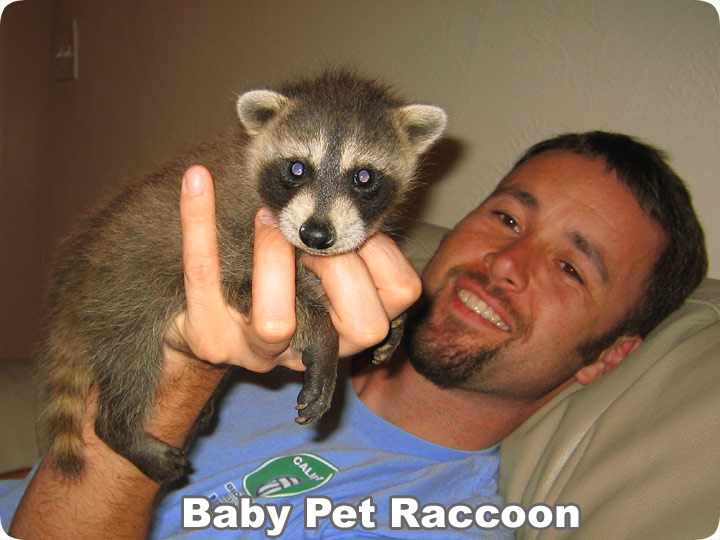
Arizona’s state and national parks, wilderness areas, and even suburban green spaces provide ample opportunities to observe raccoons and other native wildlife in their natural settings. Places like Saguaro National Park or the many riparian areas offer chances to see raccoons foraging, playing, and interacting within their ecosystems. This approach allows for a deeper, more respectful understanding of wildlife behavior without imposing human will or violating animal welfare principles. Ethical wildlife viewing, maintaining a safe distance, and never feeding wild animals are key components of this responsible lifestyle choice, preserving the wildness of Arizona’s natural inhabitants for all to enjoy.
LifeOutOfTheBox is a participant in the Amazon Services LLC Associates Program, an affiliate advertising program designed to provide a means for sites to earn advertising fees by advertising and linking to Amazon.com. Amazon, the Amazon logo, AmazonSupply, and the AmazonSupply logo are trademarks of Amazon.com, Inc. or its affiliates. As an Amazon Associate we earn affiliate commissions from qualifying purchases.