
Arizona is renowned globally for its vast deserts, scorching summers, and seemingly endless sunshine, painting a picture of an arid landscape where rain is a rare, almost mythical event. This perception, while rooted in truth for much of the state, doesn’t tell the full story. For travelers planning an adventure to the Grand Canyon State, understanding its unique meteorological patterns is crucial for an optimal experience. The answer to “Does it rain in Arizona?” is a resounding yes, but with distinct characteristics that set it apart from typical rainfall.
The Desert Paradox: Understanding Arizona’s Climate
Arizona’s climate is a fascinating study in contrasts, defined by its varied topography ranging from low-elevation desert basins to high-altitude mountain ranges. This geographical diversity dictates not only temperature extremes but also precipitation patterns.

The Arid Reputation and Its Truths
Much of central and southern Arizona, including major metropolitan areas like Phoenix and Tucson, falls within the Sonoran Desert. This region is indeed characterized by low annual rainfall, long periods of sunshine, and exceptionally hot summers. Precipitation here is sparse and often concentrated in specific, intense periods. Visitors expecting bone-dry conditions throughout their trip outside of these periods would mostly be correct. The clear, blue skies that dominate most of the year are a significant draw for many, offering ideal conditions for outdoor activities and sightseeing.
Monsoon Season Unveiled
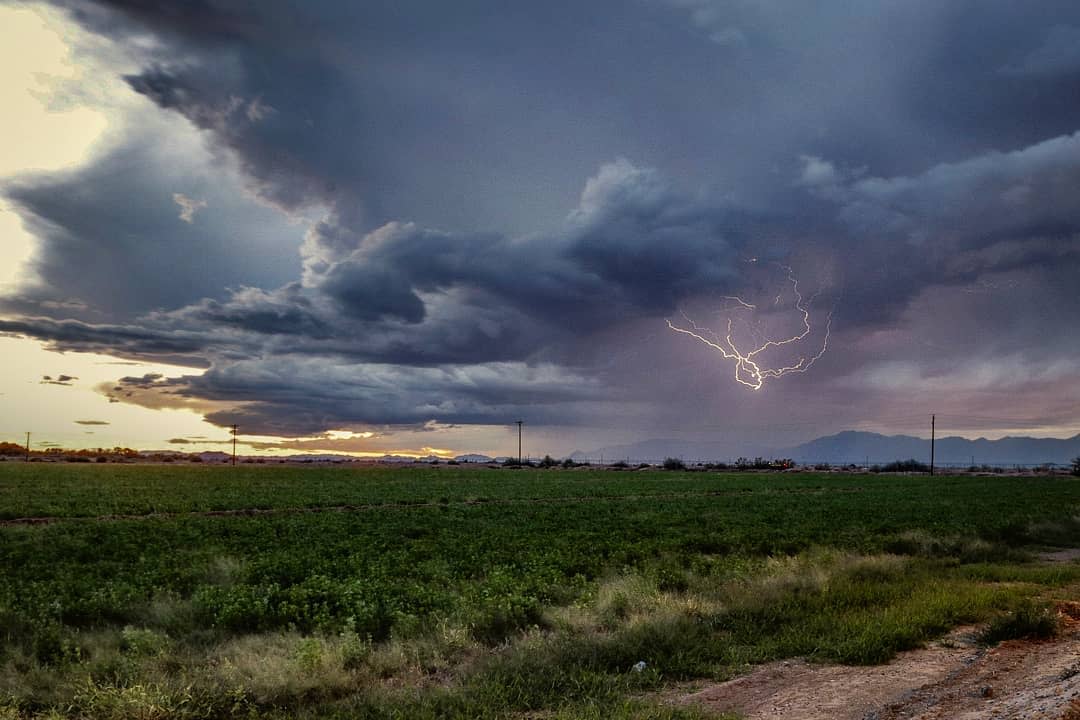
The most significant departure from Arizona’s arid reputation occurs during the North American Monsoon season, typically running from mid-June through September. This climatic phenomenon dramatically transforms the landscape and the visitor experience. During these months, a shift in atmospheric pressure draws moisture from the Gulf of Mexico and the Pacific Ocean into the southwestern United States. The result is a series of intense, often dramatic thunderstorms, particularly in the afternoons and evenings. These storms, while relatively short-lived, can bring torrential downpours, lightning, and strong winds. Far from being a gentle drizzle, monsoon rains are powerful and can quickly alter travel plans, especially for those venturing into rural or wilderness areas.
Regional Variations: Where and When to Expect Rain
The vastness of Arizona means that rainfall isn’t uniform across the state. Different regions experience varying amounts and types of precipitation, directly influencing travel considerations.
Phoenix and the Sonoran Desert
In Phoenix and the surrounding Sonoran Desert, rainfall averages about 7-8 inches annually. The majority of this precipitation occurs during the monsoon season, typically July and August, and a secondary, less pronounced wet season in winter (December to March). Outside of these periods, particularly in late spring and early summer, rainfall is minimal to non-existent. Travelers visiting in spring can expect consistent sunshine, while summer visits during monsoon require preparedness for afternoon storms.
The High Country: Flagstaff and Northern Arizona
Northern Arizona, home to cities like Flagstaff and popular destinations like Sedona and the Grand Canyon National Park, presents a stark contrast to the desert lowlands. Due to higher elevations, this region receives significantly more precipitation and experiences four distinct seasons. Flagstaff, for instance, averages over 20 inches of precipitation annually. Winters bring substantial snowfall, making it a popular ski destination. Summers still experience monsoon storms, but they are often cooler and can lead to more prolonged periods of cloud cover and rain compared to the desert. Spring and fall offer milder temperatures and less rain, making them prime times for exploring the Grand Canyon and the red rocks of Sedona.
Tucson and Southern Arizona
Tucson and the southern parts of Arizona share similar rainfall patterns to Phoenix, with a prominent monsoon season and a milder winter wet season. However, Tucson often receives slightly more rain than Phoenix, averaging around 11-12 inches per year. The surrounding mountains, such as the Santa Catalina Mountains, capture more moisture, leading to diverse microclimates. Travelers exploring Saguaro National Park or the Arizona-Sonora Desert Museum during the monsoon might witness spectacular thunderstorms, offering a unique perspective on the desert ecosystem.
Planning Your Arizona Adventure Around the Weather
Understanding Arizona’s rain patterns is key to successful travel planning, from packing choices to activity selection.

Packing Essentials for Every Season
For visits outside of monsoon season (roughly October to May in the low deserts), light clothing, sun protection (hats, sunglasses, high-SPF sunscreen), and hydration essentials are paramount. However, during monsoon, travelers should add a lightweight rain jacket or poncho, waterproof hiking boots if planning outdoor excursions, and perhaps an umbrella. Even outside monsoon, layers are advisable, especially when transitioning between the cool mornings/evenings and hot afternoons in the desert, or when moving between low- and high-elevation destinations. For northern Arizona in winter, waterproof and insulated outerwear is essential due to snow.
Activities and Experiences: From Sunny Hikes to Monsoon Spectacles
Most Arizona travel guides focus on the state’s abundant sunshine, ideal for hiking, golfing, sightseeing, and exploring natural wonders.
During the dry seasons, iconic hikes in Grand Canyon National Park, Sedona, or Lost Dutchman State Park are pristine. Boating on Lake Mead or Lake Powell and exploring the red rocks are quintessential experiences.
However, the monsoon season, while posing some challenges, also offers unique experiences. The desert transforms, with a sudden burst of greenery and the air feeling fresh and clean after a storm. The scent of creosote bush after rain is an iconic smell unique to the Sonoran Desert. Storm-watching can be a spectacular event, especially from a safe vantage point. Photography opportunities abound as the dramatic skies, lightning strikes, and vibrant sunsets create breathtaking backdrops against the desert landscape or the Painted Desert and Petrified Forest National Park in the north. If planning a trip during this time, consider flexible itineraries to account for potential afternoon rain delays, and prioritize indoor activities for late afternoons.
Experiencing Arizona’s Unique Rain Events
The way rain manifests in Arizona can be quite different from other parts of the world, creating both beauty and potential hazards that travelers should be aware of.
Flash Floods: A Desert Reality
One of the most critical considerations during the monsoon season is the risk of flash floods. The arid soil in the desert, hardened by intense sun, struggles to absorb heavy rainfall quickly. Coupled with the steep, rocky terrain in many areas, this leads to rapid water runoff, filling dry riverbeds (arroyos) with fast-moving, powerful water. This phenomenon can occur even if it’s not raining directly overhead, as water from distant storms can travel downstream. Travelers exploring slot canyons, washes, or even seemingly dry riverbeds must exercise extreme caution and always check weather forecasts for the entire region, not just their immediate vicinity. Heed all warnings and never attempt to cross flooded roads.
Dust Storms (Haboobs): A Monsoon Companion
Another dramatic weather event associated with monsoon season, particularly in the lower deserts, is the haboob, or dust storm. These massive walls of dust and sand are driven by the outflow winds of collapsing thunderstorms. While not rain themselves, they are a direct consequence of the monsoon system. Haboobs can reduce visibility to zero in minutes, posing significant hazards for drivers. If caught in a haboob, travelers should pull safely off the road, turn off lights, and wait for the storm to pass.
The Beauty of a Desert Rain
Despite the potential challenges, experiencing rain in Arizona can be profoundly beautiful. The desert literally comes alive, shedding its dusty facade. Cacti and other desert flora seem to breathe a sigh of relief, and the air is filled with the unique aroma of petrichor and creosote. Rainbows frequently arch across the sky after a storm, and the usually muted desert colors become vibrant and saturated. Witnessing the raw power of a monsoon thunderstorm over the Superstition Mountains or seeing water cascade down the red rock formations of Monument Valley offers a perspective on Arizona that few visitors from outside the region get to appreciate.
Maximizing Your Arizona Travel Experience
Ultimately, Arizona is a state of climatic diversity, and understanding its rainy periods is just as important as knowing about its sunshine.
Best Times to Visit
For those wishing to avoid rain entirely, the shoulder seasons of spring (March to May) and fall (October to November) are ideal for much of the state. These months offer comfortable temperatures, minimal precipitation in the deserts, and vibrant scenery. Northern Arizona also shines in summer mornings before monsoon storms typically develop, and its winters offer distinct snow-based activities.
Embracing the Unexpected
Traveling to Arizona means being prepared for a dynamic environment. Whether you’re planning to hike the Bright Angel Trail at the Grand Canyon, explore Old Town Scottsdale, or discover the rich history of Tombstone, acknowledging and preparing for the possibility of rain, especially during the monsoon, will enhance your trip. Rather than viewing rain as an impediment, consider it an opportunity to witness another incredible facet of this diverse and captivating state. It underscores the profound natural processes at play in one of America’s most unique travel destinations.
LifeOutOfTheBox is a participant in the Amazon Services LLC Associates Program, an affiliate advertising program designed to provide a means for sites to earn advertising fees by advertising and linking to Amazon.com. Amazon, the Amazon logo, AmazonSupply, and the AmazonSupply logo are trademarks of Amazon.com, Inc. or its affiliates. As an Amazon Associate we earn affiliate commissions from qualifying purchases.