
The image of Arizona often conjures vast expanses of the Sonoran Desert, towering saguaros, and scorching sun, a landscape seemingly inhospitable to all but the most resilient creatures. For many prospective travelers, the idea of encountering mosquitoes in such a dry environment seems counterintuitive, if not outright absurd. Yet, the reality is that the Grand Canyon State is indeed home to various species of mosquitoes, and understanding their presence, habits, and prevention is crucial for any visitor planning an unblemished travel experience. Far from being a uniform desert, Arizona boasts diverse ecosystems, from high-altitude forests to vibrant riparian corridors, each providing unique habitats where these persistent insects can thrive. Preparing for mosquitoes is an essential, albeit often overlooked, aspect of compiling a comprehensive Arizona travel guide.
The Reality of Mosquitoes in the Grand Canyon State
The persistent myth that mosquitoes cannot survive in a desert climate is quickly dispelled upon closer inspection of Arizona’s varied geography. While the arid regions do present challenges for mosquito populations, the presence of permanent and temporary water sources across the state creates ideal breeding grounds. These sources include everything from natural rivers and lakes to urban irrigation systems and residential pools. Travelers expecting to escape these buzzing nuisances entirely may find themselves unpleasantly surprised, particularly during certain times of the year and in specific locales.
Dispelling the Desert Myth
The misconception stems from a simplistic view of deserts as uniformly dry and lifeless. Arizona, however, is a state of remarkable ecological diversity. While it is true that large portions are arid, these areas are punctuated by extensive river systems like the Colorado River and Verde River, numerous man-made lakes, and surprisingly lush mountain ranges. Furthermore, the state experiences a distinct monsoon season, typically from July to September, which brings significant rainfall. This influx of water, even in seemingly dry areas, creates temporary pools, puddles, and standing water in depressions, abandoned tires, and various containers—all perfect nurseries for mosquito larvae. Urban areas, with their extensive landscaping, golf courses, and drainage systems, also inadvertently create micro-habitats for mosquitoes, making city centers like Phoenix and Tucson just as susceptible as more natural settings.
Key Mosquito Species in Arizona
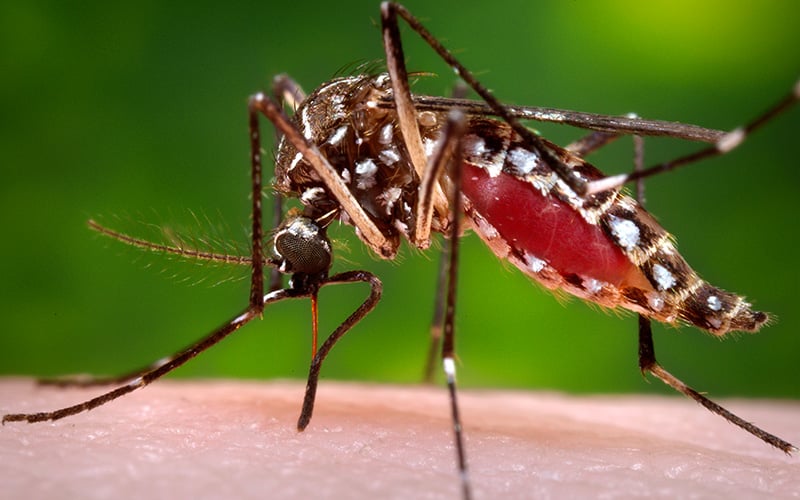
Arizona hosts several species of mosquitoes, each with slightly different preferences and behaviors. The most common include the Western Encephalitis Mosquito (Culex tarsalis), which is a primary vector for West Nile Virus, and the Yellow Fever Mosquito (Aedes aegypti) and Asian Tiger Mosquito (Aedes albopictus), both known for their aggressive daytime biting habits and their potential to transmit diseases like Zika and Dengue, although local transmission of these particular viruses is rare in Arizona. Understanding which species are prevalent in specific areas can sometimes inform prevention strategies, though a general approach to mosquito protection is usually sufficient for travelers. The presence of these species underscores the importance of proactive measures, especially if your travel plans involve extensive outdoor activities.
Peak Seasons and Active Hours
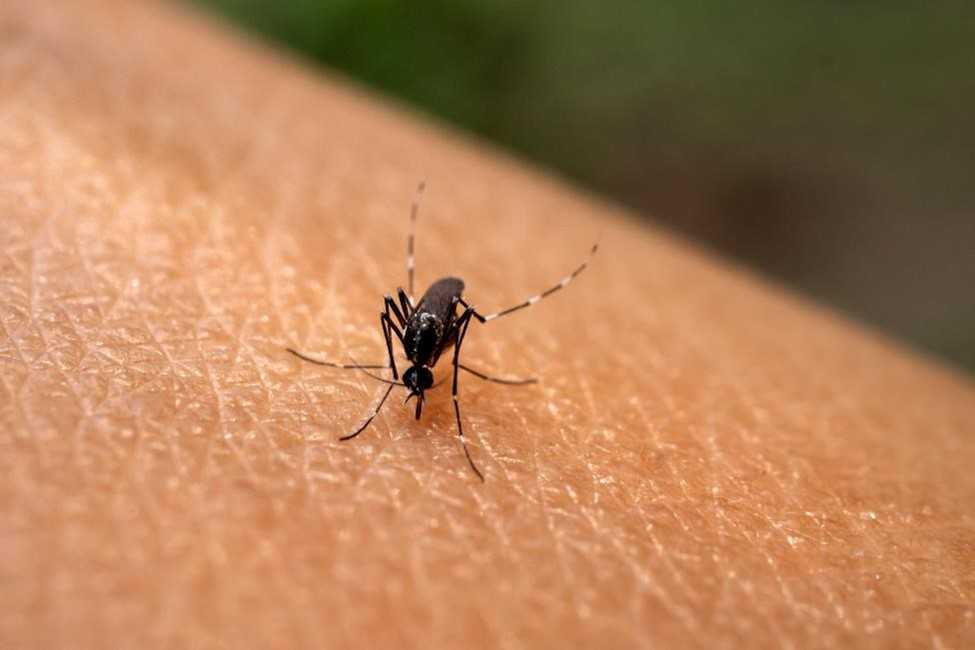
Mosquito activity in Arizona is heavily influenced by temperature and rainfall. The peak season generally aligns with the warmer months and the monsoon season. From late spring through early fall (roughly April to October), mosquito populations are at their highest. During these months, especially following monsoon rains, travelers can expect increased activity. While many species are most active during dusk and dawn, some, particularly the Aedes species, are notorious daytime biters. This means that protection isn’t just necessary for evening strolls or sunset viewing, but potentially throughout the day, especially in shaded, damp areas or near standing water. Travelers planning visits during these peak times should prioritize mosquito repellent and protective clothing.
Where Mosquitoes Thrive: Hotspots Across Arizona
Despite its arid reputation, Arizona presents numerous environments where mosquitoes can proliferate. Travelers should be particularly vigilant in specific types of locations that offer the essential conditions for mosquito breeding and survival: water, shade, and warmth. Identifying these hotspots can help tailor your travel itinerary and preparedness.
Urban Oases and Residential Areas
Paradoxically, some of the most concentrated mosquito populations can be found in Arizona’s bustling urban centers like Phoenix, Tucson, and Scottsdale. These cities, designed to be oases in the desert, feature extensive irrigation for lawns, parks, and golf courses. Decorative ponds, swimming pools (especially those poorly maintained or temporarily unused), leaky outdoor faucets, and even small containers in backyards can collect water and become breeding grounds. Visitors staying in hotels or vacation rentals in these areas should be aware that even a seemingly pristine resort can have mosquito activity if water management isn’t meticulous.
Riparian Zones and River Basins
Natural water bodies are prime mosquito habitats. The extensive river systems, including the Colorado River, Verde River, Gila River, and Salt River, along with their associated tributaries and floodplains, are teeming with mosquito activity. Areas around lakes like Lake Havasu, Lake Mead, and smaller reservoirs such as Patagonia Lake State Park also provide ideal conditions. These riparian zones are often popular for recreational activities like fishing, kayaking, and camping, making mosquito protection paramount for those enjoying these outdoor pursuits. The lush vegetation along these waterways offers shade and humidity, further enhancing their appeal to mosquitoes.
High-Elevation Lakes and Mountain Retreats
While typically cooler and drier, Arizona’s mountain regions, such as the Mogollon Rim and the White Mountains, are not immune. Lakes and streams at higher elevations, especially those surrounded by forests, can also harbor significant mosquito populations, particularly during the warmer summer months. Campers and hikers exploring areas around Flagstaff or in the national forests should still come prepared. The cooler temperatures might make the mosquitoes less aggressive than in the lower deserts, but their presence remains a factor for outdoor enthusiasts.
Agricultural Regions
Areas dedicated to agriculture, such as those in parts of Yuma County or central Arizona, often rely on extensive irrigation systems. Flooded fields and irrigation canals create vast breeding grounds for mosquitoes. Travelers passing through or visiting agricultural communities should be mindful of these conditions, as they can contribute to localized increases in mosquito populations.
Health Implications and Prevention for Travelers
While mosquito bites are primarily an annoyance, they can also pose health risks. For travelers to Arizona, understanding these risks and implementing effective prevention strategies is key to a safe and enjoyable journey.
Understanding Mosquito-Borne Diseases in Arizona
The primary concern in Arizona is West Nile Virus (WNV), which is endemic to the state. While most WNV infections are mild or asymptomatic, a small percentage of individuals can develop severe neurological illnesses. Other mosquito-borne diseases like Zika and Dengue, while present in other parts of the world, have seen only rare instances of local transmission in Arizona. Nonetheless, awareness is crucial, and preventive measures are largely the same regardless of the specific disease threat. Public health departments in Arizona monitor mosquito populations and disease activity, often issuing advisories during periods of high risk.
Essential Personal Protection Strategies
Effective personal protection is the traveler’s best defense against mosquito bites.
- Repellents: The most effective repellents contain active ingredients such as DEET, Picaridin, or Oil of Lemon Eucalyptus (OLE). For adults and children over two months, products with DEET (20-30%) or Picaridin (20%) are highly recommended. Always follow product instructions for application.
- Protective Clothing: Wearing long-sleeved shirts, long pants, and socks when outdoors, especially during peak mosquito hours, can significantly reduce exposed skin. Light-colored clothing is often preferred as mosquitoes are sometimes attracted to darker colors. Consider clothing treated with permethrin for added protection, particularly for extended outdoor excursions.
- Timing Outdoor Activities: If possible, plan outdoor activities during times when mosquitoes are less active, typically mid-day when temperatures are highest and humidity is lowest. Avoid being outdoors during dawn and dusk in areas known for high mosquito populations.
- Checking Screens and Entrances: When staying in accommodations, ensure window and door screens are intact and closed. Use air conditioning if available to keep windows shut.
Lodging Considerations and Preventative Measures
When booking accommodations, especially in areas prone to mosquitoes, inquire about screens, air conditioning, and any pest control measures in place. Hotels and resorts often have their own strategies to manage mosquitoes, such as fogging or landscape management to eliminate standing water. For those camping or using RVs, mosquito netting for tents and screened enclosures are indispensable. Avoid leaving doors and windows open unnecessarily, particularly during evening hours.
Enjoying Arizona: A Mosquito-Aware Travel Guide
Embracing Arizona’s natural beauty and vibrant cities doesn’t mean sacrificing comfort to mosquitoes. With a little foresight and preparation, travelers can minimize their risk and focus on the incredible experiences the state has to offer.
Preparing for Specific Destinations
Your mosquito preparedness should align with your specific itinerary.
- Grand Canyon: While the rim is generally less affected due to higher elevation and less standing water, the bottom of the Grand Canyon along the Colorado River can have mosquitoes, especially in warmer months. Hikers planning to descend should pack repellent.
- Sedona: The red rock country around Sedona has riparian areas along Oak Creek. Visitors exploring trails near the creek or picnicking by the water should be prepared.
- Scottsdale/Phoenix/Tucson: Urban environments, as discussed, require vigilance. Enjoying outdoor patios or evening events in these cities may necessitate repellent.
- Lakes and Rivers: Any trip involving water activities on Lake Havasu, Lake Mead, or rafting the Colorado River absolutely demands robust mosquito protection, especially at dawn and dusk.
Recommended Gear for Outdoor Adventures
For backpackers, campers, and serious hikers, adding a few mosquito-specific items to your gear list is prudent:
- High-quality insect repellent: A travel-sized bottle is often insufficient for longer trips.
- Lightweight, long-sleeved shirts and pants: Look for quick-drying fabrics.
- Head net: Especially useful for very buggy conditions or when still.
- Portable mosquito coils or lanterns: For setting up a perimeter around a campsite.
- Treated sleeping bags or tent netting: If camping in highly affected areas.
Post-Bite Care and When to Seek Medical Attention
Despite best efforts, bites can happen. Over-the-counter anti-itch creams, hydrocortisone, or calamine lotion can help alleviate discomfort. Avoid scratching bites, as this can lead to infection. While rare, if you develop symptoms such as high fever, severe headache, body aches, confusion, or rash within a few days to two weeks after mosquito exposure, seek medical attention promptly. Inform your healthcare provider about your recent travel to Arizona and potential mosquito bites, especially if WNV is active in the area.
In conclusion, while Arizona’s arid reputation might suggest otherwise, mosquitoes are a tangible reality for travelers. However, with awareness and a few simple precautions, their presence needn’t detract from the awe-inspiring beauty and diverse experiences that await in this captivating state. By understanding where and when mosquitoes are most active and equipping yourself with the right protective measures, your Arizona adventure can remain focused on exploration and enjoyment, rather than itchy inconveniences.
LifeOutOfTheBox is a participant in the Amazon Services LLC Associates Program, an affiliate advertising program designed to provide a means for sites to earn advertising fees by advertising and linking to Amazon.com. Amazon, the Amazon logo, AmazonSupply, and the AmazonSupply logo are trademarks of Amazon.com, Inc. or its affiliates. As an Amazon Associate we earn affiliate commissions from qualifying purchases.