
Establishing residency in a new state like Arizona is a multifaceted process that extends beyond simply moving your belongings. It signifies a profound shift in your legal domicile, impacting everything from taxation and voting rights to in-state tuition and vehicle registration. For individuals contemplating a long-term move, understanding the precise steps to legally demonstrate your intent to make Arizona your permanent home is crucial. This guide delves into the essential administrative, financial, and lifestyle adjustments necessary to formally establish your residency, ensuring a smooth and legally sound transition.
Understanding the Concept of Arizona Residency
The core of establishing residency in Arizona revolves around the legal concept of “domicile.” Your domicile is your true, fixed, permanent home and principal establishment, to which, whenever you are absent, you have the intention of returning. It’s a place where you intend to live indefinitely. Simply spending time in Arizona does not automatically confer residency; you must actively demonstrate your intent to make it your permanent home, coupled with a physical presence.
Defining Legal Domicile
A legal domicile is established by two critical factors: physical presence and the intent to remain permanently or indefinitely. While physical presence is straightforward – you must actually live in Arizona – demonstrating intent requires a more comprehensive approach. Courts and state agencies typically look for a “preponderance of evidence” to prove this intent, meaning your actions must overwhelmingly indicate a commitment to your new Arizona home over any previous domicile. This evidence often includes a combination of legal, financial, and social ties.
Why Residency Matters: Benefits and Responsibilities
Establishing residency in Arizona carries significant benefits and responsibilities. Key advantages include eligibility for in-state tuition rates at Arizona public universities and colleges, the right to vote in local and state elections, and the ability to serve on juries. From a financial perspective, it dictates where you pay state income taxes and can affect estate planning. Legally, it determines jurisdiction for various personal matters. Conversely, establishing residency obligates you to adhere to Arizona state laws, including vehicle registration and emissions requirements, and to fulfill tax obligations within the state.
The Intent and Presence Principles
The journey to formal residency hinges on consistently demonstrating both intent and presence. Your physical presence means actually residing in Arizona for a substantial period. While there’s no single minimum duration for all purposes, the more time you spend in the state, the stronger your claim. Intent is shown through a series of affirmative actions that sever ties with your previous state and forge new ones in Arizona. This comprehensive approach ensures that there is clear, undeniable evidence of your commitment.
The Foundational Steps: Official Documentation and Identification
The most direct and legally recognized ways to declare your intent to reside in Arizona involve updating your official documents and registrations. These steps are often among the first required and serve as cornerstone evidence of your new domicile.
Updating Your Driver’s License and Vehicle Registration
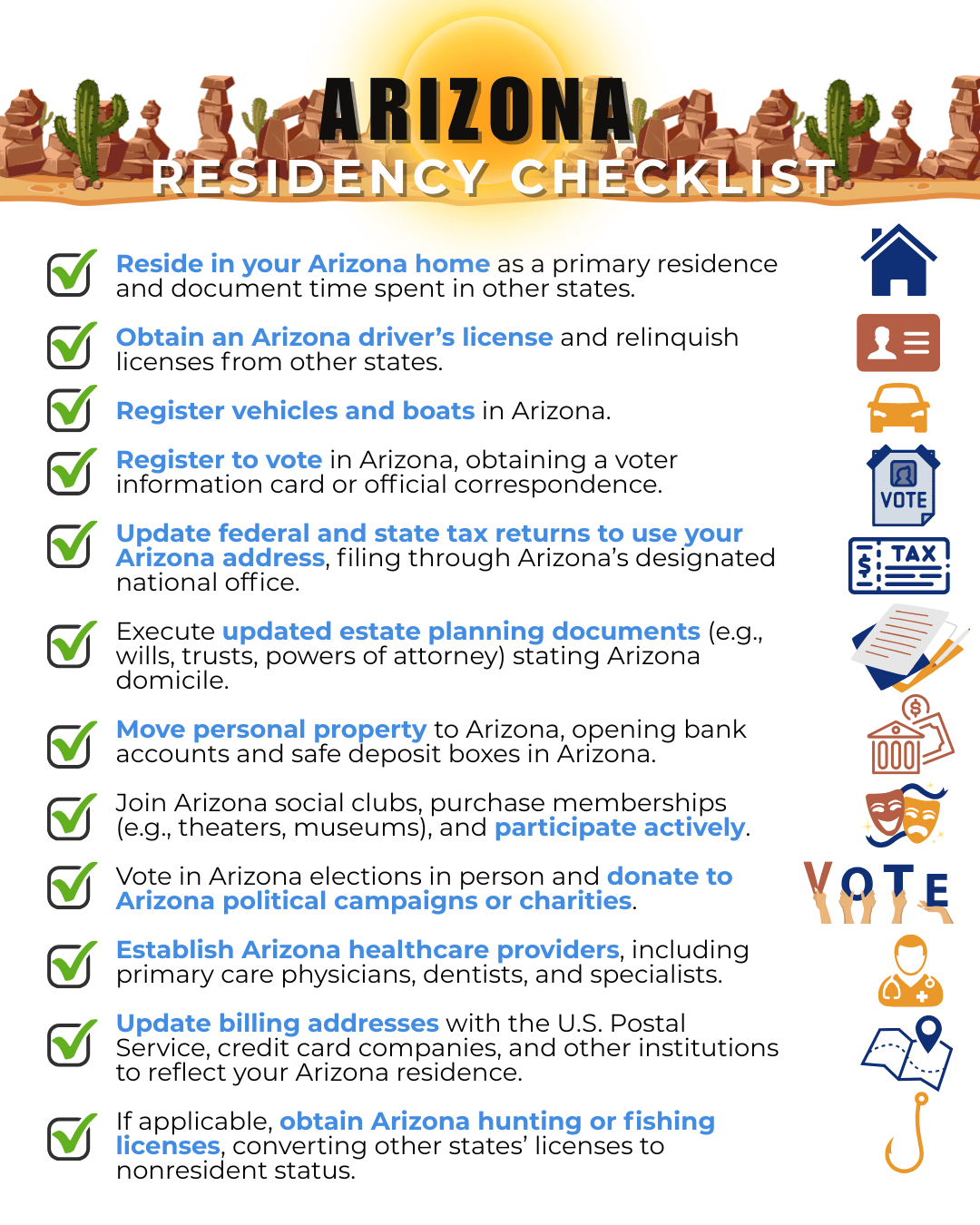
One of the most critical steps is obtaining an Arizona Driver’s License and registering your vehicles with the Arizona Motor Vehicle Division (MVD). Arizona law typically requires new residents to obtain an Arizona Driver’s License within 10 days of establishing residency or employment in the state. Similarly, all vehicles owned must be registered with the Arizona MVD promptly. This also includes compliance with emissions testing requirements, which apply to vehicles registered in Phoenix and Tucson metropolitan areas, among others. These actions are potent indicators of your permanent relocation.
Establishing Your Voter Registration
Registering to vote in Arizona is a powerful, publicly recorded declaration of your intent to be a permanent resident. You can register online, by mail, or in person at various government offices. By cancelling your voter registration in your former state and registering in Arizona, you formally assert your political ties to your new home. This step is often viewed by state agencies as strong evidence of domicile.
Financial Re-alignment: Banking and Credit
Updating your financial records to reflect your Arizona address further solidifies your residency claim. This involves changing the billing address on all credit cards and, ideally, opening new bank accounts or updating existing ones with a local Arizona branch. Consolidating your financial footprint within the state demonstrates a commitment to its economy and infrastructure. Be sure to update investment accounts, insurance policies, and any other financial instruments to your new Arizona address.
Integrating into the Arizona Lifestyle: Practical Demonstrations
Beyond official paperwork, demonstrating a genuine integration into the Arizona community is key. These practical steps underscore your intention to make Arizona your lifestyle, not just a temporary stop.
Securing Your Arizona Home

Establishing a permanent physical residence is paramount. Whether you purchase a home or sign a long-term lease, securing primary housing in Arizona and discontinuing residency in your previous state (e.g., selling your former home, terminating a lease) is crucial. Furthermore, establishing utility accounts—for electricity, water, gas, and internet—in your name at your Arizona address is an important tangible indicator of presence. These actions signify a deep commitment to living in the state.
Healthcare, Education, and Community Ties
Transferring your medical records to Arizona and establishing relationships with local healthcare providers are practical steps that also serve as evidence of residency. If you have children, enrolling them in Arizona schools is a significant factor. For those pursuing higher education, applying for in-state tuition rates requires a strong demonstration of Arizona domicile, often involving a waiting period and substantial proof of intent. Beyond formal institutions, actively engaging in the community by joining local clubs, religious organizations, or volunteering further illustrates your integration into the Arizona lifestyle. Even obtaining an Arizona library card can be a small but telling detail.
Employment and Business Connections
If you are employed, securing a job within Arizona and having your paychecks sent to your Arizona address is a clear indicator of economic ties. For business owners, registering your business in Arizona and operating it from within the state reinforces your commitment. These professional and economic activities root you firmly within the state’s fabric, providing substantial evidence of your permanent intent.
Navigating Tax Implications and Legal Formalities
Understanding how your move impacts your tax obligations and other legal matters is an essential part of establishing a new lifestyle in Arizona.
Understanding Arizona State Taxes
As an Arizona resident, you will be subject to Arizona state income tax on all your income, regardless of where it was earned. It is crucial to understand the state’s tax laws and ensure compliance. This also means correctly filing your final tax returns in your former state as a non-resident and establishing your new tax domicile with the Internal Revenue Service (IRS) if necessary, even though the IRS generally considers residency for federal tax purposes based on physical presence rather than domicile. Consulting with a tax professional specializing in multi-state taxation can provide invaluable guidance.
Reviewing Estate Planning Documents
Upon establishing residency, it is highly advisable to review and update your estate planning documents, including wills, trusts, and powers of attorney, to ensure they comply with Arizona state laws. Arizona has specific requirements for these legal instruments, and aligning them with your new domicile is critical for ensuring your wishes are honored. This step reflects a long-term commitment to your new state and its legal framework.
Other Legal Considerations
Beyond tax and estate planning, consider updating any professional licenses you hold to reflect your new Arizona address and comply with state regulations. If you own firearms, familiarize yourself with Arizona’s gun laws. Generally, the more legal and official ties you establish with Arizona, the stronger your claim to residency becomes.
Maintaining Residency and Avoiding Common Pitfalls
Establishing residency is not a one-time event; it’s a continuous state. Maintaining consistent actions that support your declared domicile is vital to avoid complications.
Consistency Across All Records
The key to undisputed residency is consistency. Ensure that every official record—driver’s license, vehicle registration, bank statements, tax returns, insurance policies, and utility bills—all consistently display your Arizona address as your primary residence. Any inconsistencies can raise questions about your true domicile and potentially lead to legal or financial complications. Periodically review your documents to ensure they are all aligned.
Dispelling Dual Residency Myths
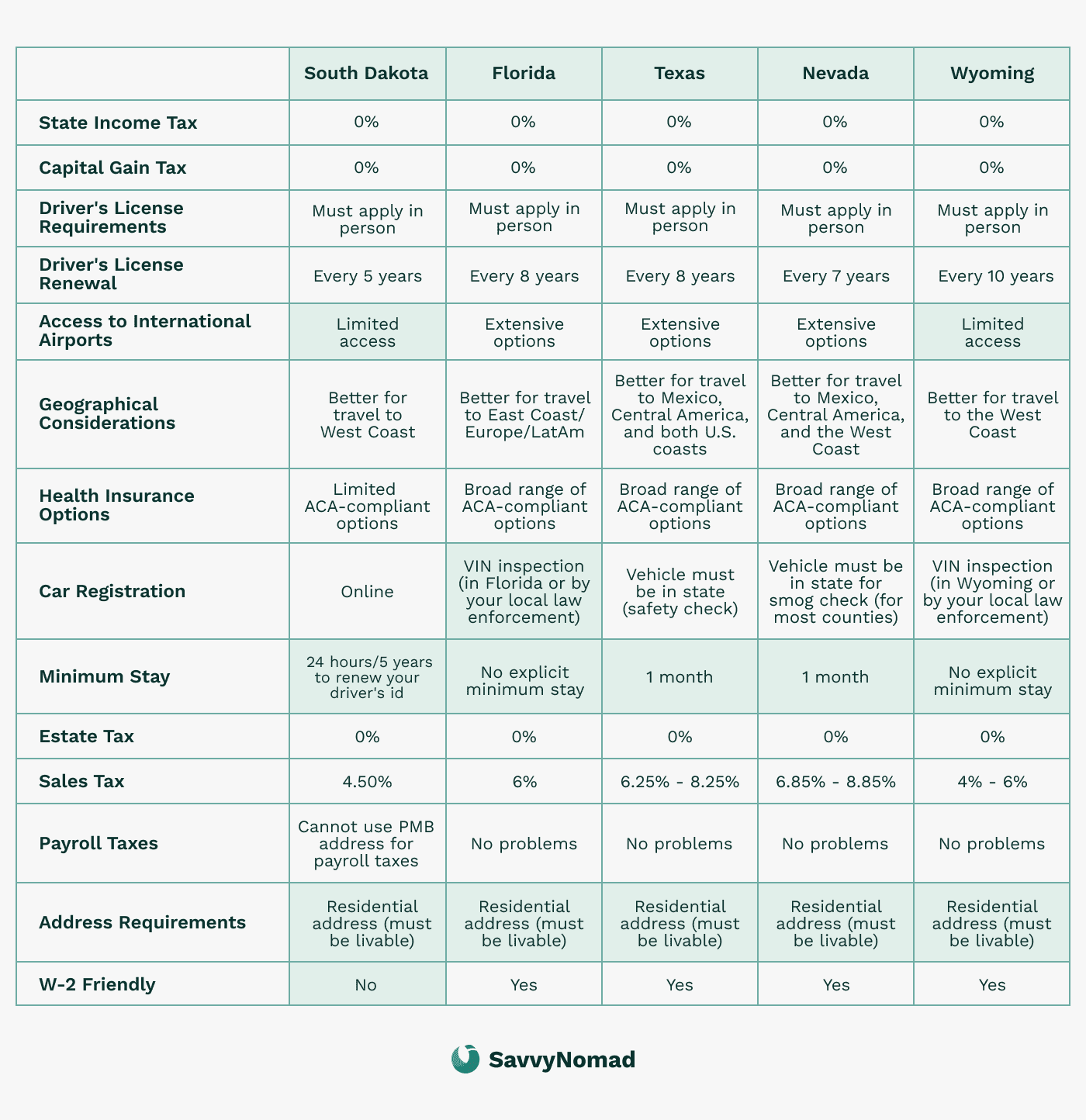
It is generally not possible to have more than one legal domicile for most purposes. While you might spend time in different states, your legal domicile is the single place you genuinely intend to return to as your permanent home. Actions such as maintaining a driver’s license from another state, registering to vote elsewhere, or filing taxes as a resident in a different state can severely undermine your claim to Arizona residency. The intent to be a permanent resident of Arizona must be clear and exclusive.
When to Seek Expert Guidance
For individuals with complex financial situations, such as those owning multiple properties, operating businesses in several states, or military personnel, establishing clear residency can be intricate. In such cases, seeking advice from an attorney specializing in residency law or a tax professional familiar with multi-state issues is highly recommended. These experts can help navigate potential pitfalls, ensure compliance with all relevant laws, and provide tailored strategies for your specific circumstances, ensuring your transition to an Arizona lifestyle is as seamless and legally robust as possible.
LifeOutOfTheBox is a participant in the Amazon Services LLC Associates Program, an affiliate advertising program designed to provide a means for sites to earn advertising fees by advertising and linking to Amazon.com. Amazon, the Amazon logo, AmazonSupply, and the AmazonSupply logo are trademarks of Amazon.com, Inc. or its affiliates. As an Amazon Associate we earn affiliate commissions from qualifying purchases.