
The vast American Southwest offers a tapestry of contrasting landscapes, from the bustling urban sprawl of Los Angeles to the serene deserts, red rock formations, and pine forests of Arizona. For many travelers, the question of “how far” isn’t merely about mileage but about the journey itself, the time it takes, and the experiences one can have along the way. Whether planning a leisurely road trip, a quick business flight, or a comprehensive exploration of the region, understanding the distances and travel options between these two prominent states is the first step in crafting an unforgettable adventure.
The Interconnectedness of Los Angeles and Arizona
California’s largest city, Los Angeles, serves as a major gateway to the West Coast, attracting millions with its entertainment industry, diverse culture, and coastal charm. Just a stone’s throw (in geological terms, at least) to its east lies Arizona, a state renowned for its dramatic natural beauty, indigenous heritage, and vibrant desert cities. The geographic proximity and cultural allure make travel between Los Angeles and Arizona a common pursuit for tourists, business professionals, and residents alike.
People traverse this corridor for a myriad of reasons: to visit the awe-inspiring Grand Canyon, explore the vibrant arts scene in Sedona, attend conferences in Phoenix or Tucson, or simply to experience the dramatic shift in scenery from ocean to desert. This section of the United States is remarkably well-connected, offering multiple modes of transportation that cater to different preferences for speed, cost, and sightseeing opportunities. The relationship is symbiotic, with each region drawing visitors from the other, fostering a continuous flow of travel and tourism that underscores their importance in the national landscape.
Demystifying the Distance: Routes and Realities
The actual distance from Los Angeles to Arizona varies significantly depending on the specific destination within Arizona and the chosen mode of transport. Arizona is a large state, and its western border is the closest point to Los Angeles.
Driving: The Classic American Road Trip
For many, the quintessential way to experience the transition from California to Arizona is by car. Road trips offer flexibility, the chance to discover hidden gems, and the freedom to explore at one’s own pace. The primary interstate connecting Los Angeles to central Arizona is I-10 East, a major transcontinental highway.
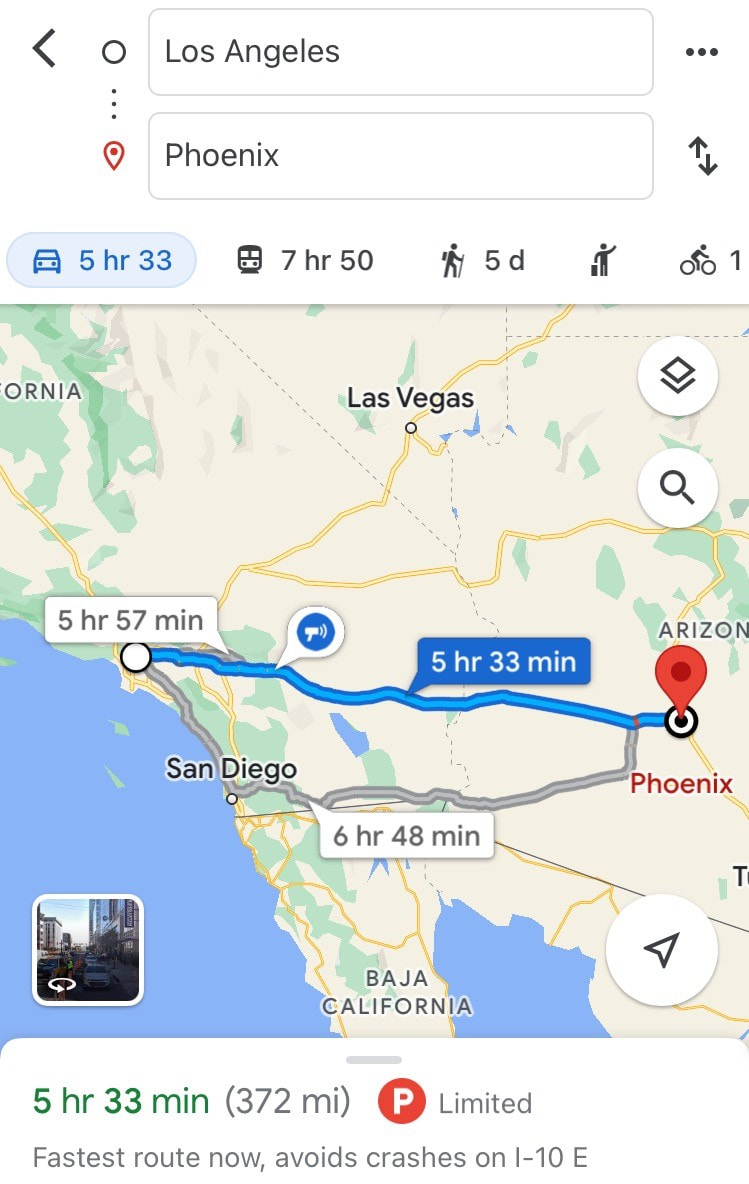
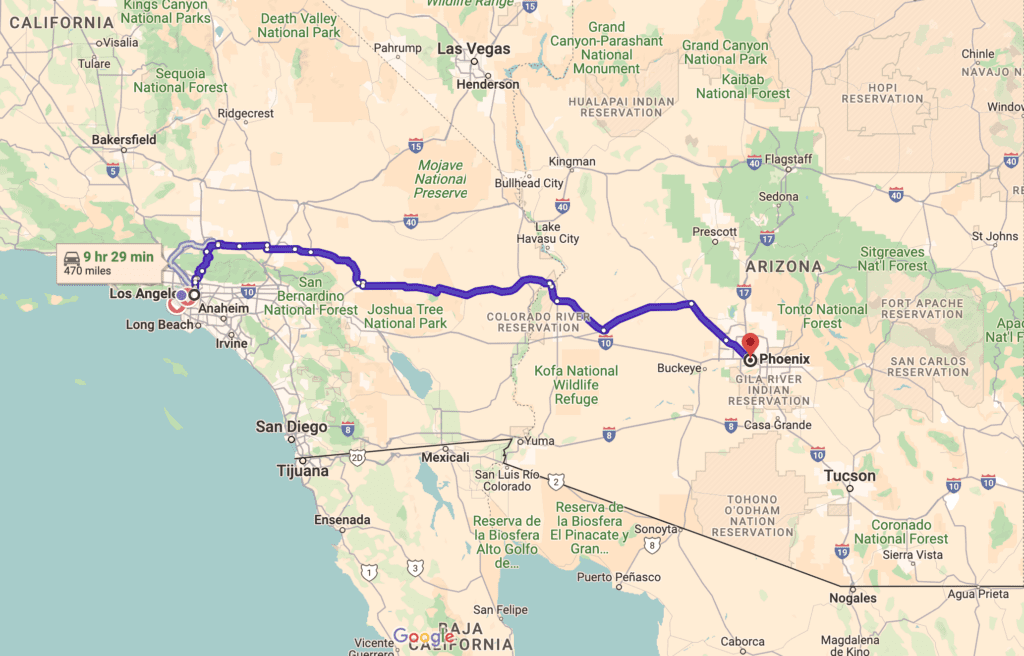
- Los Angeles to Phoenix: This is the most common route. The distance is approximately 370-400 miles (595-644 km), depending on the starting point in LA and the destination in Phoenix. Without significant traffic, the drive typically takes 5.5 to 7 hours. However, factoring in traffic, especially leaving the Los Angeles metropolitan area and around Phoenix, as well as necessary fuel and rest stops, a realistic travel time is closer to 7-9 hours. The route largely follows I-10 through the Mojave Desert.
- Los Angeles to Tucson: Continuing southeast from Phoenix on I-10 will lead to Tucson. The total distance from Los Angeles to Tucson is around 480-500 miles (772-805 km), translating to an 8- to 10-hour drive, including stops.
- Los Angeles to Flagstaff / Grand Canyon: To reach northern Arizona’s scenic destinations, travelers often take I-15 North from Los Angeles into Nevada, then connect to US-93 South towards Kingman, Arizona, and finally I-40 East to Flagstaff. This route is approximately 470-500 miles (756-805 km) to Flagstaff, taking 7.5 to 9 hours of driving time. From Flagstaff, the Grand Canyon South Rim is another 1.5 to 2 hours (about 80 miles) north. An alternative, more direct route for the Grand Canyon is to take I-40 to Williams and then head north, which is about 490 miles and 8-9 hours total driving from LA to Grand Canyon Village.
It’s crucial to account for traffic congestion, especially on weekends and holidays. Mid-week travel, departing early in the morning, can often reduce travel times considerably. The journey across the desert can be demanding, with long stretches between services, so proper vehicle maintenance and preparation are essential.
Flying: The Expedient Choice
For those prioritizing speed and convenience, flying is the most efficient option. Major airports in Los Angeles and Arizona offer frequent direct flights.
- Los Angeles International Airport (LAX) is the primary hub for flights departing Los Angeles.
- In Arizona, Phoenix Sky Harbor International Airport (PHX) is the busiest, followed by Tucson International Airport (TUS). Smaller regional airports like Flagstaff Pulliam Airport also connect to major hubs, often requiring a layover.

Direct flight times are surprisingly short:
- LAX to PHX: Approximately 1 hour to 1 hour 20 minutes.
- LAX to TUS: Approximately 1 hour 15 minutes to 1 hour 45 minutes.
While the flight itself is brief, travelers must factor in time for getting to and from airports, security checks, boarding, and baggage claim. This can add 3-4 hours to the total travel experience, making a typical flight journey about 5-6 hours door-to-door, comparable to a short driving day without significant traffic. Prices vary widely based on booking time, airline, and season, but competitive fares are usually available due to the high volume of traffic on these routes.
Other Modes of Transport: Bus and Train
For budget-conscious travelers or those seeking a more relaxed pace, bus and train services offer alternatives.
- Bus Services: Companies like Greyhound operate regular routes between Los Angeles and various Arizona cities. A bus journey from Los Angeles to Phoenix can take anywhere from 7 to 10 hours, depending on the number of stops. To Tucson, it might be 10-13 hours. While often the most economical option, bus travel is typically the slowest.
- Train Services: Amtrak’s “Sunset Limited” route connects Los Angeles to cities in southern Arizona like Yuma, Maricopa (near Phoenix), and Tucson. The journey is leisurely, often overnight, taking 8-10 hours to reach Maricopa and 10-12 hours to Tucson. While slower than driving or flying, it offers a unique, scenic experience with spacious seating and dining cars, providing a different perspective of the landscape.
Planning Your Journey: Essential Considerations
Regardless of how you choose to travel, a well-thought-out plan enhances the experience and ensures a smoother trip.
Optimal Timing for Travel
Timing is paramount when traveling between Los Angeles and Arizona.
- Traffic Avoidance: Los Angeles is notorious for its traffic. Departing early in the morning (before 6 AM) or late at night (after 8 PM) on weekdays can save hours. Similarly, avoiding peak travel times such as Friday afternoons and Sunday evenings is advisable for both directions.
- Seasonal Weather: Arizona’s desert regions experience extreme heat in summer (June-September), with temperatures often exceeding 100°F (38°C). This can be a factor for road trip comfort and vehicle strain. Conversely, northern Arizona (like Flagstaff and the Grand Canyon) experiences cold winters and snow, which can affect driving conditions. Spring and fall offer the most pleasant weather for travel across the entire state.
Road Trip Essentials and Scenic Stops
For those undertaking a road trip, preparation is key.
- Vehicle Check: Ensure your vehicle is in top condition, especially if traveling through the desert. Check tires, fluids, and air conditioning.
- Emergency Kit: Carry water, non-perishable snacks, a first-aid kit, jumper cables, and a fully charged cell phone. Cell service can be spotty in remote desert areas.
- Navigation: While GPS is invaluable, a physical map can be a good backup.
- Notable Stops: The journey isn’t just about the destination. Consider incorporating stops that break up the drive and add to the experience:
- Palm Springs, California: A mid-century modern oasis with beautiful resorts and vibrant culture.
- Joshua Tree National Park: A unique desert landscape with iconic Joshua trees and rock formations, perfect for a short hike.
- Salvation Mountain (near Niland, CA): A colorful, eccentric art installation in the middle of the desert.
- Route 66 in Arizona: Take a detour through towns like Kingman, Seligman, or Williams to experience a slice of nostalgic America.
- Hoover Dam and Lake Mead (near Las Vegas): If taking the I-15/US-93 route, these iconic landmarks offer impressive engineering and scenic views.
Arizona Beyond Phoenix: Diverse Destinations
While Phoenix often serves as the primary gateway, Arizona offers an incredibly diverse range of experiences:
- Grand Canyon National Park: One of the Seven Natural Wonders of the World, accessible from Flagstaff or Williams via the Grand Canyon Railway or car.
- Sedona: Known for its stunning red rock formations, spiritual vortexes, and outdoor activities like hiking and mountain biking.
- Saguaro National Park: Divided into two districts flanking Tucson, it showcases the majestic Saguaro cactus, a symbol of the Sonoran Desert.
- Monument Valley Navajo Tribal Park: Located on the Arizona-Utah border, this iconic landscape of towering sandstone buttes is a must-see for photographers and Western movie buffs.
- Canyon de Chelly National Monument: A culturally significant site offering ancient cliff dwellings and dramatic canyon views.
Making the Most of Your California-Arizona Connection
The journey between Los Angeles and Arizona is more than just covering a distance; it’s an opportunity to immerse oneself in the unique landscapes and cultures of the American Southwest. Whether you opt for the efficiency of air travel, the freedom of a road trip, or the unique perspective of rail, each option presents its own set of advantages for discovering the beauty and excitement that connect these two dynamic states. From the sun-drenched beaches of California to the rugged, awe-inspiring vistas of Arizona, the path between them is ripe for exploration, offering a wealth of experiences for every type of traveler.
LifeOutOfTheBox is a participant in the Amazon Services LLC Associates Program, an affiliate advertising program designed to provide a means for sites to earn advertising fees by advertising and linking to Amazon.com. Amazon, the Amazon logo, AmazonSupply, and the AmazonSupply logo are trademarks of Amazon.com, Inc. or its affiliates. As an Amazon Associate we earn affiliate commissions from qualifying purchases.