
The allure of self-sufficiency, a closer connection to the land, and a more deliberate pace of life draws many to the dream of homesteading. For those captivated by the vast landscapes and independent spirit of the Lone Star State, Texas presents a compelling canvas for this aspirational lifestyle. Homesteading here isn’t merely about living off the grid; it’s about embracing a rich agricultural heritage, navigating unique geographical challenges, and becoming an integral part of a diverse and resilient community. This guide delves into the practicalities and profound rewards of establishing your own homestead in Texas, focusing on the essential considerations that pave the way for a thriving, sustainable existence.
Laying the Foundation: Land Acquisition and Legalities
The cornerstone of any homestead is the land itself. In Texas, the sheer scale of the state offers a wide array of possibilities, from the rolling hills of the Hill Country to the fertile plains of the Panhandle. However, selecting the right acreage requires careful consideration beyond mere aesthetics.
Choosing Your Texas Acreage
- Climate and Growing Conditions: Texas boasts a diverse climate. The humid subtropical climate of East Texas supports lush vegetation, while the arid West Texas demands drought-tolerant strategies. Consider your preferred growing season, average rainfall, and potential for natural disasters like hurricanes along the coast or severe droughts inland.
- Water Access: Water is paramount for any homestead. Evaluate the availability of potable water sources, such as wells, municipal connections, or natural springs. Understand the water rights and regulations in your chosen region, as these can vary significantly. The availability of surface water for irrigation or livestock, like ponds or creeks, is also a crucial factor.
- Soil Quality: Healthy soil is the engine of a productive homestead. Research the soil types common in different parts of Texas. Some areas, like the blackland prairies, are renowned for their fertility, while others may require significant amendment and management to support agriculture. Soil testing is an indispensable step in understanding your land’s potential.
- Topography and Usability: Steep slopes can present challenges for construction and cultivation, while flat, open land might be susceptible to flooding. Assess how the land’s natural contours will affect your plans for gardens, pastures, buildings, and water management.
- Proximity to Resources: While a remote setting is often desired, consider your proximity to essential services, such as local farmers’ markets, feed stores, medical facilities, and community hubs. Balancing seclusion with access is key to long-term sustainability.
Navigating Texas Land Laws and Regulations
Texas has a distinct legal framework governing land ownership and agricultural practices. Understanding these nuances is vital to avoid future complications.
- Deed Restrictions and Covenants: Always scrutinize the deed for any restrictions or covenants that might limit your homesteading activities, such as prohibitions on livestock, certain types of construction, or home-based businesses.
- Zoning Laws: While many rural areas in Texas have minimal zoning, some counties or municipalities do. Ensure your intended use of the land aligns with local zoning ordinances.
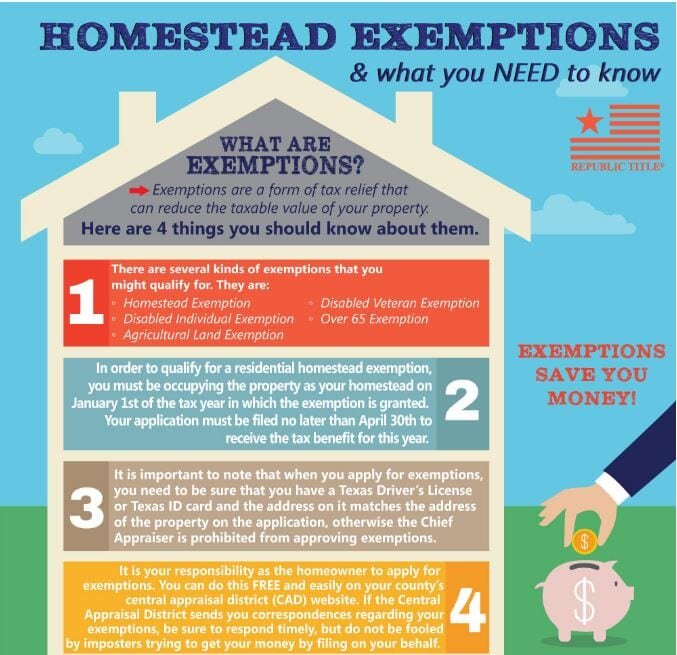
- Property Taxes and Ag Exemptions: Texas offers an agricultural appraisal for property taxes, often referred to as “ag exemption.” To qualify, you must demonstrate a certain level of agricultural use on your land, such as raising livestock or cultivating crops. This can significantly reduce your tax burden, making homesteading more financially viable. Understanding the specific requirements for maintaining this exemption is crucial.
- Water Rights: Texas operates under a “prior appropriation” system for surface water rights. This means that the first person to put water to beneficial use generally has the superior right. Groundwater rights are more complex and often associated with land ownership, but regulations are evolving. Consulting with a legal professional specializing in Texas water law is highly recommended.
Cultivating the Land: Agriculture and Animal Husbandry
The heart of homesteading lies in producing your own food and resources. Texas offers a diverse range of agricultural possibilities, influenced by its varied climate and soil types.
Sustainable Gardening in the Texas Climate
- Season Extension: Texas‘s long growing seasons can be an advantage, but also present challenges with intense heat. Employ strategies like shade cloth, raised beds, and mulching to protect plants from scorching summer sun. Consider cool-season crops for the milder fall and winter months.
- Drought-Tolerant Crops: Selecting native or well-adapted plant varieties is essential, especially in drier regions of Texas. Options like okra, sweet potatoes, watermelon, and various herbs thrive in heat and require less water.
- Permaculture Principles: Incorporating permaculture design can maximize efficiency and ecological harmony. This includes creating integrated systems, such as companion planting, water harvesting, and establishing perennial food forests.
- Soil Health Management: Focus on building and maintaining healthy soil through composting, cover cropping, and minimal tillage. This will improve water retention and nutrient availability, crucial for a successful garden.
Raising Livestock in Texas
Livestock can provide a steady source of protein, dairy, eggs, and even fiber. Texas has a strong ranching tradition, and many homesteaders find success with a variety of animals.
- Poultry: Chickens are a common starting point for homesteaders, offering fresh eggs and meat. Ducks, geese, and quail are also viable options, each with unique benefits. Ensure you have adequate shelter and protection from predators, which can be a concern across Texas.
- Rabbits: Rabbits are efficient converters of feed into meat and can be raised in relatively small spaces. Their rapid reproduction rate makes them a consistent source of protein.
- Goats and Sheep: These animals are well-suited for grazing on varied terrain and can provide milk, meat, and fiber. They are generally hardy and adaptable to different Texas environments.
- Cattle and Hogs: For those with larger acreage, cattle or hogs can be a more substantial undertaking, providing significant meat production. Understanding rotational grazing and managing larger animals requires more experience and space.
- Considerations for Livestock: Beyond animal selection, essential considerations include fencing, shelter, access to clean water, appropriate feed, and veterinary care. Familiarize yourself with state and local regulations regarding animal welfare and disease prevention.
Building a Resilient Homestead: Infrastructure and Energy
Establishing a functional and sustainable homestead requires thoughtful planning for infrastructure, including housing, water systems, and energy sources.
Housing Options for the Texas Homestead
- Traditional Homes: Many homesteaders choose to build or renovate traditional homes, integrating sustainable features like passive solar design, rainwater harvesting systems, and energy-efficient appliances.
- Alternative Dwellings: For a more rustic or off-grid experience, consider options like tiny homes, yurts, straw bale construction, or earthships. These can be more affordable and have a lower environmental impact. Research local building codes and permitting processes for any non-traditional structures.
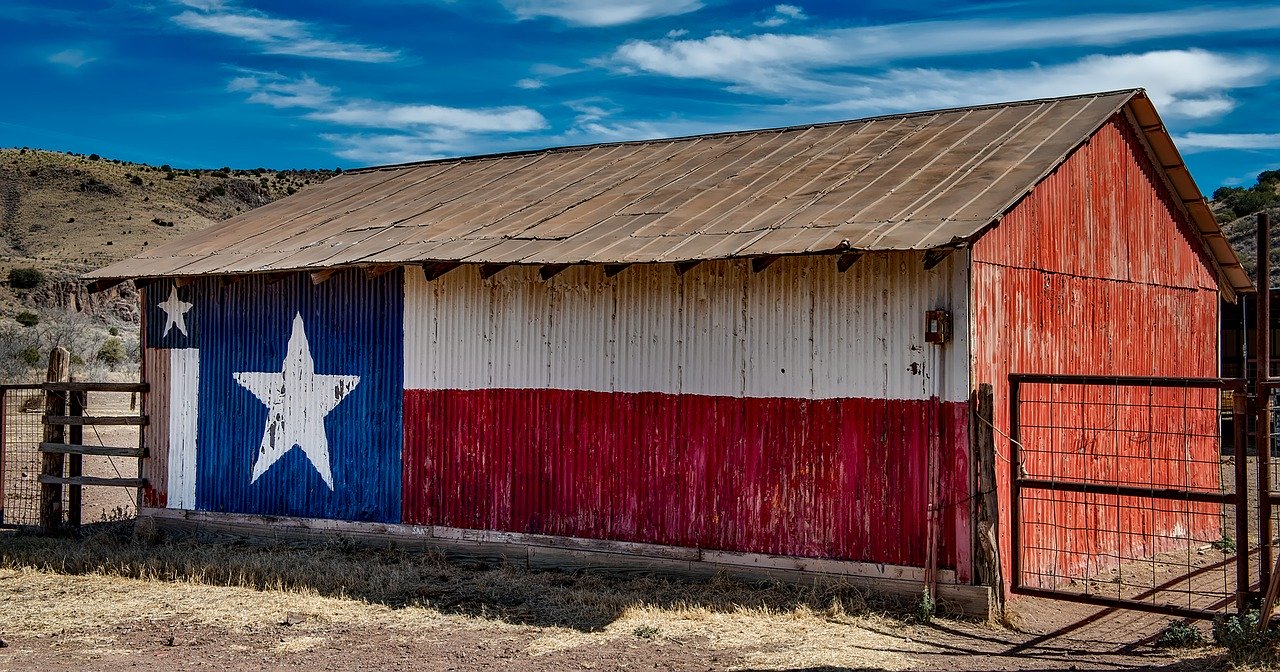
- Barns and Outbuildings: Essential for storing tools, equipment, feed, and housing animals, a well-designed barn or series of outbuildings is crucial. Consider climate-appropriate designs that offer protection from heat, cold, and storms.
Water Systems for Self-Sufficiency
- Rainwater Harvesting: In areas with sufficient rainfall, collecting rainwater from rooftops into cisterns can provide a significant portion of a homestead’s water needs for both domestic use and irrigation. Proper filtration and treatment are necessary for potable water.
- Well Water: Drilling a well is a common solution for accessing groundwater. Understanding the depth of the water table, the cost of drilling, and water quality testing are important steps.
- Pond and Creek Water: For irrigation and livestock, surface water sources can be viable. However, these may require filtration and treatment, and water rights must be secured.
- Water Conservation: Regardless of your primary water source, implementing water-wise practices like drought-tolerant landscaping, efficient irrigation, and greywater systems is paramount in Texas.
Off-Grid and Sustainable Energy Solutions
Achieving energy independence is a core tenet of homesteading for many.
- Solar Power: Photovoltaic solar panels are an increasingly popular and cost-effective way to generate electricity. Sizing your solar system to meet your household’s energy demands, including any power-hungry appliances or equipment, is essential. Battery storage is key for consistent power.
- Wind Power: In areas with consistent wind resources, small wind turbines can supplement or provide primary power. Site assessment is crucial to determine wind potential.
- Propane and Generators: While not renewable, propane tanks and generators can serve as backup power sources or for specific applications, particularly in the initial stages of establishing an off-grid system.
- Energy Efficiency: Reducing energy consumption through well-insulated homes, energy-efficient appliances, and mindful usage habits is the first step in any sustainable energy plan.
Embracing the Texas Homesteading Lifestyle
Homesteading in Texas is more than just a practical pursuit; it’s a lifestyle that fosters a deep connection with the land, a sense of community, and a rewarding journey of self-reliance.
Community and Collaboration
While self-sufficiency is a goal, the homesteading journey is often enriched by connecting with others.
- Local Farmers’ Markets: These are not only places to sell your surplus produce but also vital hubs for networking with other farmers, sharing knowledge, and building customer relationships.
- Homesteading and Gardening Groups: Many Texas communities have local clubs or online groups dedicated to homesteading, gardening, and sustainable living. These offer invaluable support, advice, and shared resources.
- Bartering and Skill Sharing: The spirit of homesteading often includes a willingness to trade goods and services with neighbors. This can include exchanging produce, livestock, labor, or specialized skills.

Continuous Learning and Adaptation
The dynamic nature of homesteading demands a commitment to ongoing learning and adaptation.
- Workshops and Educational Resources: Texas A&M AgriLife Extension is an invaluable resource for Texans interested in agriculture, gardening, and livestock. They offer workshops, publications, and expert advice tailored to the state’s unique conditions.
- Experimentation and Observation: Each piece of land is unique. Closely observing your environment, experimenting with different techniques, and learning from both successes and failures are integral to mastering the art of homesteading.
- Resilience in the Face of Challenges: Texas is known for its extremes, from powerful storms to prolonged droughts. Building resilience into your homestead, both in terms of infrastructure and your own mindset, is key to long-term success.
Homesteading in Texas is a profound commitment, offering a life rich in purpose, connection, and tangible rewards. By carefully planning, embracing sustainable practices, and fostering a spirit of community, you can cultivate a thriving and fulfilling life on your own patch of the Lone Star State.
LifeOutOfTheBox is a participant in the Amazon Services LLC Associates Program, an affiliate advertising program designed to provide a means for sites to earn advertising fees by advertising and linking to Amazon.com. Amazon, the Amazon logo, AmazonSupply, and the AmazonSupply logo are trademarks of Amazon.com, Inc. or its affiliates. As an Amazon Associate we earn affiliate commissions from qualifying purchases.