
Navigating the American Southwest offers a tapestry of contrasting landscapes, from the shimmering coastlines of California to the rugged desert expanses of Arizona. A common query for travelers exploring this vibrant region is the distance and optimal routes between two of its most prominent cities: San Diego and Phoenix. Understanding this journey is key to planning an efficient and enjoyable travel experience, whether you’re seeking a quick transit or an exploratory road trip.
The Direct Route: Distance and Driving Time
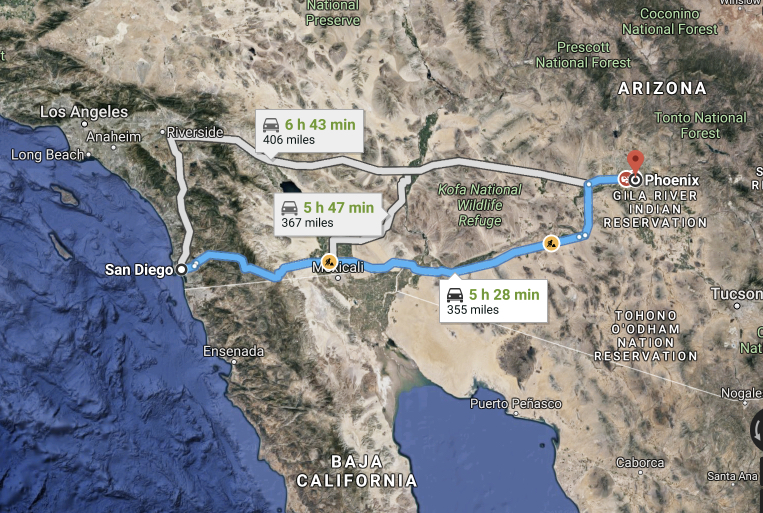
The journey from San Diego, California, to Phoenix, Arizona, typically spans approximately 350 to 370 miles (560 to 595 kilometers), depending on the specific starting and ending points within each metropolitan area. This distance primarily involves traversing vast desert landscapes and agricultural valleys.

For most travelers, driving is the preferred method of transport due to its flexibility and the opportunity to experience the scenic transition from coastal to desert environments. Under ideal conditions, without significant stops or heavy traffic, the drive can take anywhere from 5.5 to 6.5 hours. However, it’s prudent to factor in potential delays. Weekends, holidays, and peak travel times can extend the journey, particularly around major urban centers and along popular stretches of highway. Additionally, the change from Pacific Time Zone (San Diego) to Mountain Standard Time (Phoenix, which does not observe Daylight Saving Time) means you gain an hour when traveling east, or lose an hour when traveling west, which can impact arrival expectations.
The primary route connecting these two cities is predominantly via Interstate 8 East, which originates in San Diego and guides travelers through the Imperial Valley before crossing into Arizona. Upon reaching Gila Bend, travelers typically transition onto Interstate 10 East, leading directly into the heart of Phoenix. This route is well-maintained, mostly multi-lane, and offers several services and rest stops along the way, crucial for such a long drive through often remote terrain.
Choosing Your Mode of Transport
Deciding how to travel between San Diego and Phoenix depends on a traveler’s priorities: time, budget, convenience, and desire for exploration. Each mode of transport offers a distinct experience.
Driving: The Quintessential Road Trip
Opting for a car journey provides unparalleled freedom. Travelers can set their own pace, make spontaneous detours, and carry more luggage. The drive itself is an integral part of the travel experience, showcasing the dramatic shifts in topography from the Pacific coastline to the stark beauty of the Sonoran Desert.
Pros of Driving:
- Flexibility: Stop whenever and wherever you please for meals, restrooms, or photo opportunities.
- Scenic Exploration: Access to off-the-beaten-path attractions and scenic byways not reachable by public transport.
- Cost-Effective for Groups: For multiple passengers, sharing fuel costs and car rental fees can be more economical than individual plane tickets.
Cons of Driving:
- Driver Fatigue: The long stretches of highway can be monotonous, requiring careful attention to avoid fatigue.
- Fuel Costs: Gasoline prices can fluctuate and contribute significantly to the overall travel budget.
- Vehicle Wear: For personal vehicles, the mileage and desert heat can take a toll. Car rentals are a common solution, but add to the cost.
Before embarking on a drive, it’s wise to ensure your vehicle is in good condition, especially tires and fluid levels, given the hot desert environment. Always carry plenty of water, especially during summer months, and consider a roadside assistance plan.
Flying: A Quicker Alternative
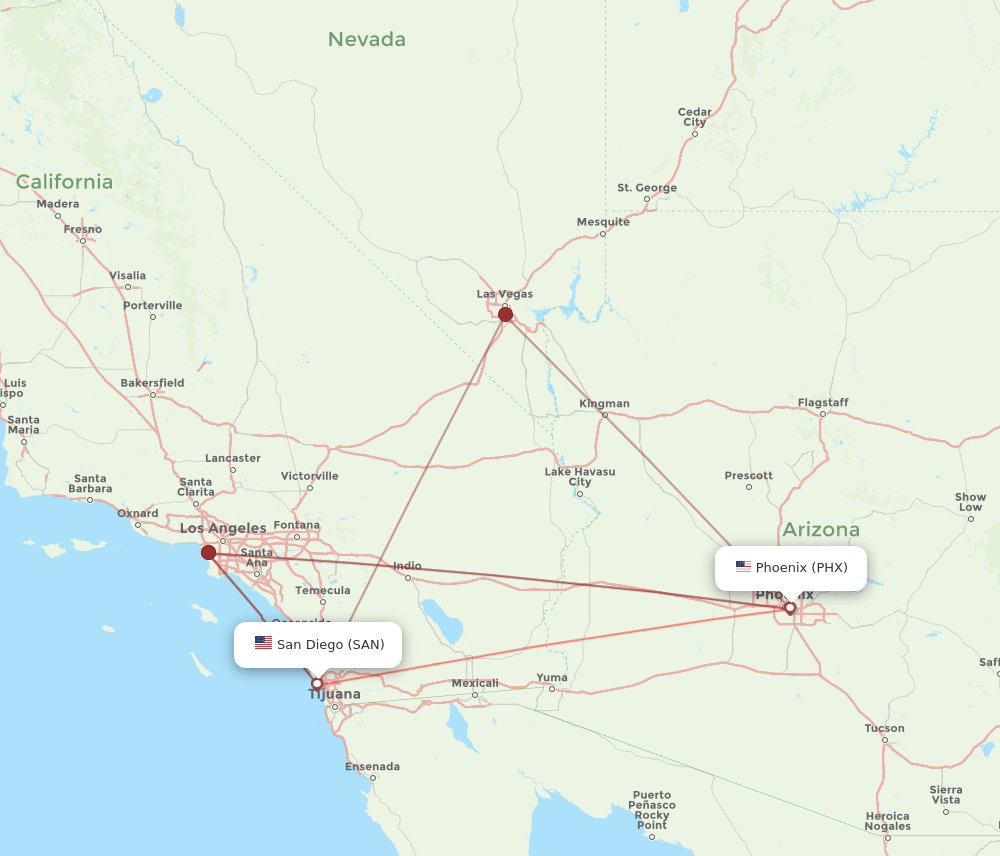
For those prioritizing speed and minimal travel time, flying is the most efficient option. Direct flights between San Diego International Airport (SAN) and Phoenix Sky Harbor International Airport (PHX) are frequent and typically short.
Flight Details:
- Direct Flight Duration: The actual airborne time is usually around 1 hour to 1 hour 15 minutes.
- Airlines: Major airlines and budget carriers operate this route, offering a range of price points.
- Total Travel Time: While the flight is short, remember to factor in time for getting to and from airports, security checks, boarding, and baggage claim. This can easily add 2-3 hours on either end, making the total door-to-door travel time comparable to a fast drive, but without the need for personal navigation.
Pros of Flying:
- Speed: Minimizes time spent in transit, ideal for short trips or tight schedules.
- Comfort: Generally a more comfortable journey compared to driving for some, especially solo travelers.
Cons of Flying:
- Cost: Airfare can be more expensive than driving, particularly for last-minute bookings or multiple travelers.
- Airport Hassle: Security lines, potential delays, and the need for airport transfers can be inconvenient.
- Limited Luggage: Baggage restrictions and fees can add to the cost and complexity.
Bus Travel: Economical and Convenient
Bus services offer a budget-friendly alternative for traveling between San Diego and Phoenix. Companies like Greyhound provide regular routes connecting the two cities.
Bus Travel Details:
- Travel Time: Bus journeys are typically longer than driving, often taking 7-9 hours, including scheduled stops.
- Cost: Fares are generally the most affordable option, especially if booked in advance.
- Amenities: Many modern buses offer Wi-Fi, power outlets, and reclining seats, making the long journey more comfortable.
Pros of Bus Travel:
- Affordability: An excellent choice for budget-conscious travelers.
- Convenience: No need to drive, navigate, or worry about parking. You can relax or work during the journey.
- Environmental Impact: A more eco-friendly option compared to individual car travel or flying.
Cons of Bus Travel:
- Longer Duration: The slowest mode of direct transport.
- Fixed Schedule: Less flexibility compared to driving.
- Limited Privacy: Shared space with other passengers.
Scenic Detours and Stops Along the Way
The drive between San Diego and Phoenix offers more than just a direct route; it’s an opportunity for exploration. For those with time to spare, several interesting stops can enrich the travel experience.
- Anza-Borrego Desert State Park: Just east of San Diego, this vast desert park is California’s largest state park. It’s renowned for its unique badlands, slot canyons, palm oases, and seasonal wildflower blooms (typically February-March). A detour here means turning off Interstate 8 and venturing north, adding a significant amount of time but rewarding travelers with stunning natural beauty.
- Salton Sea: This intriguing, albeit controversial, body of water is California’s largest lake, located on a slight northerly route from Interstate 8 through the Imperial Valley. While parts of the lake are ecologically challenged, areas like Salvation Mountain and the unique desert art installations around Bombay Beach offer fascinating, offbeat cultural experiences.
- Yuma, Arizona: Located just over the California border, Yuma makes for an excellent mid-point stop. Rich in history, it boasts attractions like the Yuma Territorial Prison State Historic Park and the Quartermaster Depot State Historic Park. It’s also a significant agricultural hub and offers services for weary travelers.
- Dateland, Arizona: A classic roadside stop located directly on Interstate 8, famous for its date shakes and date groves. It’s a quick, refreshing break and a taste of local agriculture before continuing towards Phoenix.
These detours transform a simple drive into a memorable journey, allowing travelers to immerse themselves in the distinct geography and culture of the American Southwest.
Arriving in Phoenix: What to Expect
Upon arrival in Phoenix, travelers are greeted by a sprawling metropolis nestled within the beautiful Sonoran Desert. The city is renowned for its year-round sunshine, vibrant arts scene, world-class golf courses, and accessible outdoor activities.
As a traveler arriving by car, you’ll find ample parking options, though downtown areas and popular attractions might require paid parking. The city’s extensive freeway system makes navigating between different districts relatively straightforward. For those flying into Phoenix Sky Harbor International Airport, a light rail system, ride-sharing services, and rental cars are readily available to transport you to your final destination, whether it’s downtown Phoenix, Tempe, or Scottsdale.
Phoenix offers a range of experiences, from exploring the Desert Botanical Garden and hiking Camelback Mountain to indulging in upscale dining and shopping in Scottsdale. The city serves as an excellent base for further explorations into Arizona’s natural wonders, including the famed Grand Canyon, which is a few hours’ drive north.
Exploring San Diego: Your Coastal Oasis
When starting your journey from, or arriving back in, San Diego, you’ll discover a city celebrated for its pristine beaches, pleasant climate, and diverse attractions. San Diego’s relaxed Southern California vibe is instantly apparent, offering a stark contrast to Phoenix’s desert allure.
Travelers arriving at San Diego International Airport will find themselves just minutes from downtown, with various transport options including taxis, ride-shares, and public buses. For those driving, San Diego’s road network is efficient, though traffic congestion can be an issue during peak hours, particularly on coastal routes.
From the historic charm of Old Town San Diego State Historic Park to the cultural richness of Balboa Park, and the lively nightlife of the Gaslamp Quarter, San Diego caters to all interests. Coastal communities like La Jolla and Coronado offer stunning ocean views and upscale amenities, while attractions like the USS Midway Museum provide fascinating insights into naval history. Whether you’re planning a relaxing beach getaway or an adventure-filled exploration, San Diego serves as an ideal starting or ending point for your Southwestern journey.
LifeOutOfTheBox is a participant in the Amazon Services LLC Associates Program, an affiliate advertising program designed to provide a means for sites to earn advertising fees by advertising and linking to Amazon.com. Amazon, the Amazon logo, AmazonSupply, and the AmazonSupply logo are trademarks of Amazon.com, Inc. or its affiliates. As an Amazon Associate we earn affiliate commissions from qualifying purchases.