
Understanding the Journey: Distance and Travel Time
Traveling from the vibrant desert metropolis of Phoenix, Arizona, to the sun-kissed coastal city of San Diego, California, is a popular route for both leisure and business travelers seeking a change of scenery or a crucial connection. The journey spans a significant distance, transitioning from arid landscapes to the Pacific coastline. Understanding this distance and the typical travel times involved is the first step in planning an efficient and enjoyable trip.
The Direct Route
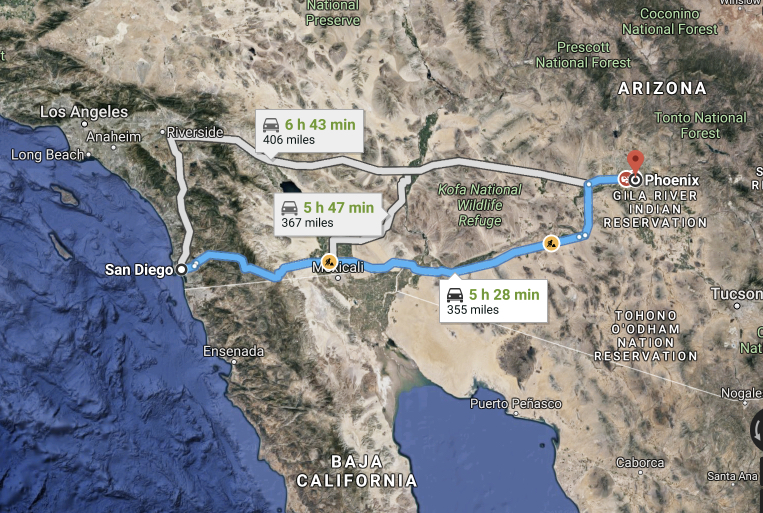
The most direct and commonly used driving route between Phoenix and San Diego primarily involves taking I-10 West out of Phoenix before merging onto I-8 West. This route covers approximately 350 to 370 miles (560 to 595 kilometers), depending on the specific starting and ending points within each metropolitan area. Under ideal driving conditions, without significant stops or traffic, the journey typically takes about 5.5 to 6 hours by car. This direct path offers a relatively straightforward drive across the Sonoran Desert and through the mountains of eastern California before descending into the coastal plains of San Diego.
Factors Affecting Travel Time
While the base travel time provides a good estimate, several factors can significantly influence the actual duration of your trip. Traffic is arguably the most impactful variable, especially when navigating in and out of major urban centers like Phoenix and San Diego. Rush hour periods, typically mornings (6:00 AM – 9:00 AM) and afternoons (3:00 PM – 6:00 PM) on weekdays, can add substantial delays. Weekend travel, particularly during holiday periods, can also lead to increased congestion on the interstates. Construction zones are another common cause of slowdowns, especially during peak travel seasons, with lane closures and reduced speed limits being frequent occurrences. Furthermore, personal preferences for rest stops, fuel breaks, and meal breaks will naturally extend the total travel time. It’s advisable to factor in at least an additional 1-2 hours for these necessary pauses, bringing the practical driving time closer to 7-8 hours for most travelers.
Choosing Your Mode of Transportation
The choice of transportation between Phoenix and San Diego depends heavily on individual priorities such as budget, time constraints, comfort, and the desire for flexibility. Each mode offers distinct advantages and disadvantages, catering to different travel styles.
Driving: The Classic American Road Trip
Driving is often the preferred method for many traversing this route, offering unparalleled flexibility and the opportunity to explore at one’s own pace.
- Pros: The primary advantage of driving is the freedom it provides. You can depart and arrive on your own schedule, make spontaneous stops at points of interest, and carry more luggage without extra fees. For groups or families, it can be significantly more cost-effective than other options, as the cost of fuel and vehicle wear is shared. The scenic transition from desert to coast is also best appreciated from the driver’s seat.
- Cons: Driving demands focus and can lead to driver fatigue, especially for solo travelers. Fuel costs can accumulate, and wear and tear on your vehicle are factors to consider. Traffic delays, particularly around metropolitan areas or during peak travel times, can be frustrating and unpredictable.
- Key Considerations: Before embarking on a road trip, ensure your vehicle is in excellent condition, with recent maintenance, good tire pressure, and sufficient fluids. Pack essential supplies like water, snacks, a first-aid kit, and navigation tools. Planning your route to avoid peak traffic hours can significantly improve the experience.
Flying: The Fastest Option
For those prioritizing speed and convenience, flying offers the quickest way to cover the distance between these two cities.
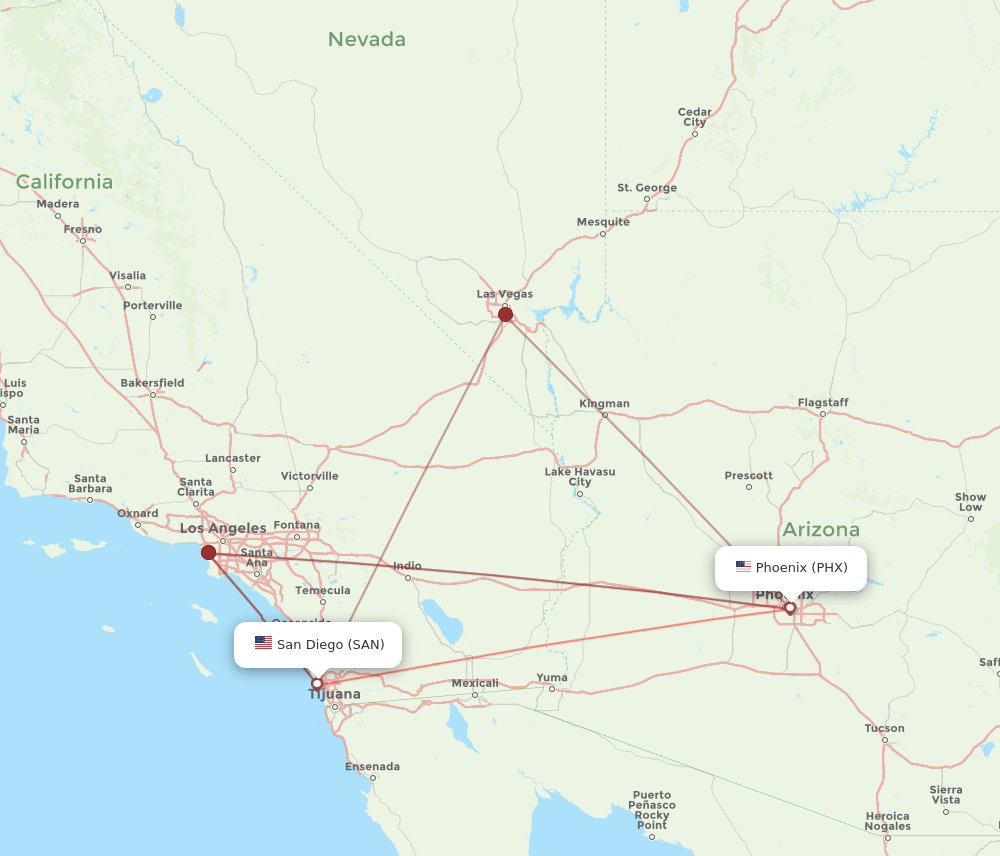
- Airlines and Airports: Flights typically depart from Phoenix Sky Harbor International Airport (PHX) and arrive at San Diego International Airport (SAN). Major airlines such as Southwest Airlines, American Airlines, and Delta Air Lines frequently operate direct routes, often with multiple departures daily.
- Travel Time Breakdown: A direct flight between PHX and SAN is remarkably short, usually lasting about 1 hour to 1 hour and 15 minutes. However, this does not account for the entire travel experience. When factoring in travel to and from airports, airport security checks, baggage claim, and potential delays, the total door-to-door travel time can easily extend to 4-6 hours.
- Pros: Speed is the undeniable advantage, allowing you to reach your destination in the shortest possible time. It’s ideal for business travelers or those with limited vacation time.
- Cons: The cost of flights can be higher, especially when booking last-minute or during peak seasons. Airport processes, including check-in and security, can be cumbersome, and luggage restrictions often mean additional fees.
Bus Travel: An Economical Choice
Bus services provide a budget-friendly alternative for traveling between Phoenix and San Diego, catering to travelers who prefer not to drive or fly.
- Operators: Companies like Greyhound and FlixBus offer regular routes connecting the two cities.
- Journey Details: Bus journeys are significantly longer than driving or flying, typically ranging from 6 to 8 hours or more, depending on the number of stops and transfers. While modern buses offer amenities like Wi-Fi and power outlets, the overall comfort can vary.
- Pros: Affordability is the main draw, making it an excellent option for budget-conscious travelers. It also removes the stress of driving and navigating.
- Cons: The extended travel time is a considerable drawback. Stops can add to the journey length, and flexibility is limited to the bus schedule.
Train Travel: A Scenic Alternative (Indirect)
While there isn’t a direct train route between Phoenix and San Diego, Amtrak offers an indirect option that can be a unique and relaxing experience for those not constrained by time.
- Amtrak Routes: Travelers would typically take an Amtrak bus from Phoenix to a train station in a nearby city, often Maricopa, Arizona, to connect to the Sunset Limited or Texas Eagle routes. These trains usually head towards Los Angeles’s Union Station, where a transfer to the Pacific Surfliner is required to reach San Diego. This multi-leg journey significantly extends travel time.
- Experience: Train travel offers a comfortable and often scenic experience, allowing passengers to relax, move around, and enjoy dining car services or observation cars.
- Pros: It’s a relaxing mode of transport, offering a different perspective of the landscape without the stresses of driving. It can be a unique travel adventure.
- Cons: This is by far the longest and often most expensive option for a one-way trip, primarily due to the indirect route and transfers. Total travel time can easily exceed 12-15 hours.

Scenic Routes and Stopovers (For the Road Tripper)
For those who choose the open road, the journey from Phoenix to San Diego offers more than just a means to an end; it’s an opportunity for a quintessential American road trip.
The Desert to Coast Transition
The route on I-8 West provides a dramatic change in landscape. Starting in the low Sonoran Desert heat of Phoenix, you’ll traverse vast stretches of open desert, dotted with saguaro cacti and unique desert flora. As you approach the California border, the terrain shifts, moving through agricultural fields, then climbing into the Laguna Mountains and Cuyamaca Mountains, offering cooler temperatures and pine forests. The descent into San Diego reveals glimpses of the Pacific Ocean, a refreshing sight after hours in the desert.
Potential Stops Along I-8
While the goal might be a swift arrival, incorporating a stop or two can enhance the travel experience.
- Yuma, Arizona: Located just over two hours from Phoenix, Yuma serves as an excellent first rest stop. It’s home to the Yuma Territorial Prison State Historic Park, a fascinating historical site offering a glimpse into the region’s past. The city also has ample dining options and gas stations.
- El Centro, California: About an hour west of Yuma, El Centro is another practical stop. Nearby, the dramatic Imperial Sand Dunes Recreation Area offers a unique natural spectacle, resembling a vast Sahara-like desert, perfect for a quick photo opportunity or stretch break.
- Anza-Borrego Desert State Park: For those willing to take a slight detour north of I-8 after El Centro, Anza-Borrego Desert State Park is California’s largest state park, known for its badlands, slot canyons, and spring wildflowers. It’s a stunning natural attraction that offers a rewarding break for nature enthusiasts.
Pit Stops and Essentials
Along I-8, towns like Gila Bend, Arizona, and Ocotillo, California, offer basic services such as gas stations and convenience stores. However, planning ahead to refuel and refresh in larger towns like Yuma or El Centro is recommended, as services can be sparse in between. Always carry extra water, especially during warmer months, and keep snacks handy.
Planning Your Trip: Key Considerations
Effective planning can make the difference between a smooth journey and a stressful one, regardless of your chosen mode of transport.
Best Time to Travel
- Seasonal Variations: The desert portion of the drive, particularly in Arizona, can experience extreme heat in the summer months (June-September), with temperatures often exceeding 100°F (38°C). Traveling during these months requires extra precautions, such as checking tire pressure frequently, carrying ample water, and potentially scheduling drives during early mornings or evenings. Spring (March-May) and Fall (October-November) offer the most pleasant weather for driving, with milder temperatures. San Diego enjoys a mild climate year-round, making it an attractive destination any season.
- Weekday vs. Weekend Travel: To avoid the heaviest traffic, particularly around Phoenix and San Diego, consider traveling on a weekday, especially mid-morning or mid-afternoon. Avoid Friday afternoons and Sunday evenings, which are typically the busiest travel times.
Budgeting for the Journey
Costs can vary significantly. For drivers, budget for fuel (consider current gas prices), potential toll roads (though I-8 is generally free), and vehicle maintenance. Flights require ticket costs, baggage fees, and ground transportation to/from airports. Bus and train tickets have their own fixed costs. Always factor in food and drink expenses for the duration of your trip. If considering an overnight stop, include accommodation costs.
Packing Essentials
Beyond standard travel items, consider the specific nature of this trip. For drivers, an emergency kit, jumper cables, extra water, and non-perishable snacks are vital. All travelers should pack comfortable clothing suitable for both desert heat and coastal breezes, sunscreen, sunglasses, and a hat. Portable chargers for electronic devices are also highly recommended.
Navigation Tools
Reliable navigation is crucial, especially when traversing less populated areas. GPS devices, smartphone apps like Google Maps or Waze, and traditional paper maps as a backup are all valuable tools. Ensure your phone is fully charged and consider a car charger or power bank.
Arrival in San Diego: Gateway to Southern California Adventures
Upon arrival in San Diego, the journey from Phoenix culminates in a city renowned for its stunning beaches, vibrant culture, and relaxed atmosphere. This coastal gem offers a plethora of experiences that make the miles traveled well worth it.
Travelers can immerse themselves in the lush landscapes of Balboa Park, home to numerous museums, gardens, and the world-famous San Diego Zoo. The historic Gaslamp Quarter beckons with its Victorian architecture, diverse dining scene, and lively nightlife. Beyond the city center, the pristine shores of Coronado Beach, the iconic pier at Ocean Beach, and the scenic cliffs of La Jolla provide endless opportunities for relaxation and recreation. Whether you’re seeking cultural enrichment, outdoor adventure, or simply a dose of sunshine, San Diego serves as an ideal destination to explore the best of Southern California.
LifeOutOfTheBox is a participant in the Amazon Services LLC Associates Program, an affiliate advertising program designed to provide a means for sites to earn advertising fees by advertising and linking to Amazon.com. Amazon, the Amazon logo, AmazonSupply, and the AmazonSupply logo are trademarks of Amazon.com, Inc. or its affiliates. As an Amazon Associate we earn affiliate commissions from qualifying purchases.