
Understanding Voter Identification Requirements for Your Florida Travel
For many travelers, a visit to the Sunshine State is synonymous with theme park thrills, pristine beaches, and vibrant cultural experiences. However, for those who are considering extending their stay or who happen to be in Florida during an election period, understanding local regulations is crucial. This guide delves into the specifics of voter identification requirements in Florida, offering clarity for any traveler who might find themselves needing this information. While the primary focus of this article is on travel to Florida, understanding the foundational civic processes of a destination can enhance your overall experience and provide a deeper appreciation for the local governance and community.
The Basics of Florida Voter ID Laws
Florida, like most states in the United States, has specific rules regarding voter identification. These laws are designed to ensure election integrity while also safeguarding the right to vote for eligible citizens. For a visitor, understanding these requirements is less about personal participation in an election and more about being informed about the operational aspects of the state you are visiting. It’s a layer of local knowledge that can enrich your travel perspective.
The overarching principle is that Florida requires voters to present identification when casting a ballot. However, the nature of this identification can vary, offering flexibility for different situations. It’s important to distinguish between an individual’s general identification needs while traveling and the specific requirements for participating in an election. This section clarifies the fundamental aspects of Florida’s voter ID laws.
Types of Acceptable Identification
Florida law specifies several types of identification that are acceptable at the polls. These generally fall into two categories: photo identification and non-photo identification. Understanding this distinction is key to grasping the entirety of the law.
Photo Identification
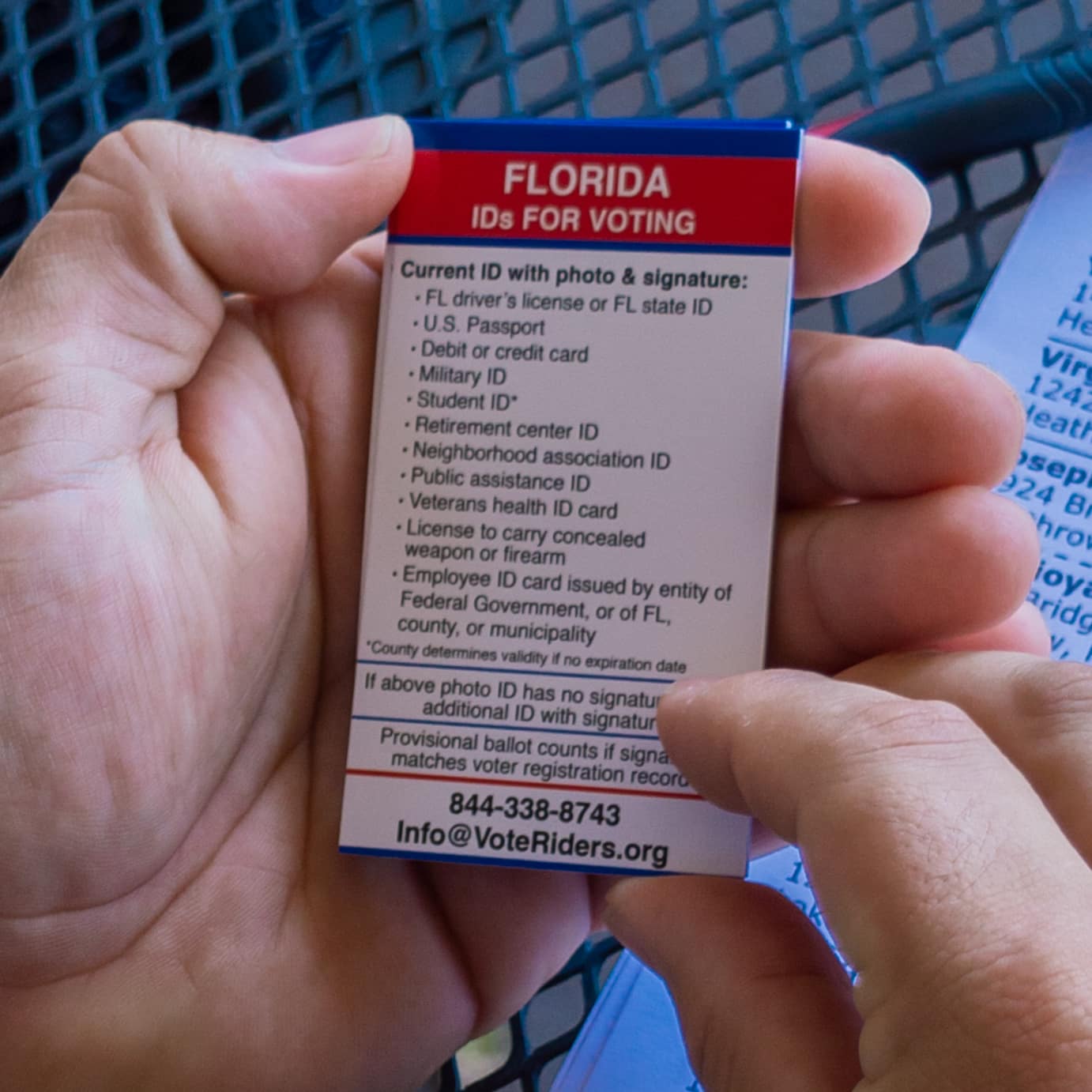
A valid photo ID is the most common form of identification accepted. This ID must contain the voter’s photograph, name, and signature. Examples include:
- Florida Driver’s License: Issued by the Florida Department of Highway Safety and Motor Vehicles.
- Florida Identification Card: Also issued by the Florida Department of Highway Safety and Motor Vehicles.
- U.S. Passport: A valid passport issued by the United States government.
- Military ID Card: A valid identification card issued to active duty, reserve, or retired military personnel.
- Student ID Card: Issued by a public or private college, university, or high school in Florida, provided it contains a photograph and expiration date.
- Neighborhood Association ID Card: If the ID includes a photograph and expiration date.
- Public Utility Bill: A bill for services from a provider like electric, gas, or water, dated within 60 days of the election, if it contains the voter’s name and address.
- Bank Statement: Dated within 60 days of the election, if it contains the voter’s name and address.
- Government-Issued Social Security Card: A card issued by the Social Security Administration.
- Medicare or Medicaid Card: Issued by the federal government.
- Vehicle Registration: If it contains the voter’s name and address.
- Any Florida Voter Identification Card: Issued by the county supervisor of elections.
It is important to note that while many of these are photo IDs, some, like utility bills or bank statements, are considered non-photo identification but are still valid under specific conditions. The presence of a photograph significantly simplifies the verification process at the polling station.
Non-Photo Identification
In addition to photo IDs, Florida law allows for the use of certain non-photo identification documents, often in conjunction with other forms of proof. For example, a voter might present a voter information card issued by the county supervisor of elections, which includes their name and address, along with a secondary document. However, for the most straightforward voting experience, a photo ID is generally recommended.
Specifics for Absentee and Mail-in Ballots
For individuals who are unable to vote in person, Florida offers absentee and mail-in voting options. The identification requirements for these methods differ slightly from in-person voting.
Voter Registration Information
When requesting an absentee or mail-in ballot, voters are typically required to provide their Florida driver’s license number, Florida identification card number, or the last four digits of their Social Security number. This information is used to verify the voter’s identity against their registration record.

Ballot Verification
Upon returning a mail-in ballot, the signature on the ballot envelope is compared to the signature on file in the voter’s registration record. This signature matching process is a critical security measure to ensure that the ballot was cast by the registered voter. If there is a discrepancy, the voter may have an opportunity to “cure” their ballot by providing additional identification or verifying their signature.
Why This Information Matters to Florida Travelers
While you might not be eligible to vote in U.S. elections as a tourist, understanding Florida’s voter identification laws offers a valuable glimpse into the state’s civic infrastructure and its commitment to democratic processes. For international visitors, this can be particularly insightful, providing a comparative perspective on electoral systems.
Understanding Civic Processes Abroad
When traveling to a foreign country, or even a different state within the U.S., learning about local customs and regulations can significantly enhance your trip. Knowing that Florida has specific requirements for voting, even if you don’t participate, can lead to a greater appreciation for the state’s governance. It’s akin to understanding the local transportation rules or dining etiquette; it’s part of the cultural tapestry.
This knowledge can also be relevant if you are a U.S. citizen residing abroad and are eligible to vote absentee in your home state. While this article specifically addresses Florida, the principle of understanding voter ID requirements is a good practice for any American traveling internationally.
Preparing for Potential Scenarios
Although unlikely for most tourists, there are rare scenarios where a traveler might find themselves needing to establish residency or engage with local government services. In such situations, understanding the types of identification that are recognized and accepted in Florida can be beneficial. For instance, if you are a U.S. citizen planning an extended stay or even considering relocation, being aware of these requirements upfront can streamline your administrative processes. This knowledge moves beyond the immediate context of voting and touches upon broader aspects of civil identification within the state.
Navigating Florida’s Election Landscape
Florida’s election system is managed at the county level by Supervisors of Elections. These offices are responsible for voter registration, conducting elections, and educating the public about voting procedures.
County Supervisors of Elections
Each of Florida’s 67 counties has a Supervisor of Elections. These offices are the primary source of information regarding voter registration deadlines, polling place locations, and specific voting instructions. If you are a Florida resident or planning to establish residency, contacting your local Supervisor of Elections is the best way to get accurate and up-to-date information. For tourists, their websites often provide general information about the election process, which can be useful for educational purposes.
Voter Registration
To vote in Florida, individuals must be U.S. citizens, at least 18 years old, a resident of Florida, and have had their real property rights restored if they have been convicted of a felony. Voter registration must be completed and submitted at least 29 days before an election. This registration process itself requires proof of identity and residency.
Early Voting and Polling Locations
Florida offers early voting opportunities in the days leading up to Election Day. Early voting sites and Election Day polling places are determined by the county Supervisor of Elections. Information on these locations is typically made available on the Supervisor’s websites and through public announcements. For any voter, confirming their designated polling place is a critical step to ensure they can cast their ballot without issue.
Conclusion: Informed Travel and Civic Awareness
In conclusion, Florida does indeed require identification to vote, with a preference for valid photo identification that includes the voter’s photograph, name, and signature. While most travelers will not be voting, understanding this aspect of Florida law contributes to a more informed and enriched travel experience. It’s a testament to the state’s commitment to an orderly and secure electoral process. By staying informed about local regulations, whether related to voting, traffic laws, or cultural norms, you can navigate your journey through the Sunshine State with greater confidence and a deeper appreciation for its operational framework. This civic awareness is an integral part of truly experiencing a destination.
LifeOutOfTheBox is a participant in the Amazon Services LLC Associates Program, an affiliate advertising program designed to provide a means for sites to earn advertising fees by advertising and linking to Amazon.com. Amazon, the Amazon logo, AmazonSupply, and the AmazonSupply logo are trademarks of Amazon.com, Inc. or its affiliates. As an Amazon Associate we earn affiliate commissions from qualifying purchases.