
The journey from the glittering spectacle of Las Vegas, Nevada, to the serene, spiritual red rock country of Sedona, Arizona, offers a dramatic transition from neon-lit entertainment to ancient, natural beauty. While seemingly worlds apart in ambiance, these two iconic Southwest destinations are surprisingly accessible to one another, making the trip a popular choice for travelers seeking a diverse American experience. Understanding the distance, optimal routes, and available travel options is the first step in planning an unforgettable adventure.
Navigating the Distance: Las Vegas to Sedona
The direct driving distance between Las Vegas and Sedona is approximately 280-300 miles, depending on the exact starting and ending points within each city. This translates to an estimated driving time of about 4.5 to 5 hours without significant stops, making it a feasible, albeit long, day trip for those determined to get there quickly. However, the true magic of this route lies not just in the destination but in the journey itself, with ample opportunities for scenic detours and enriching experiences.

The Direct Drive: Miles, Time, and Route
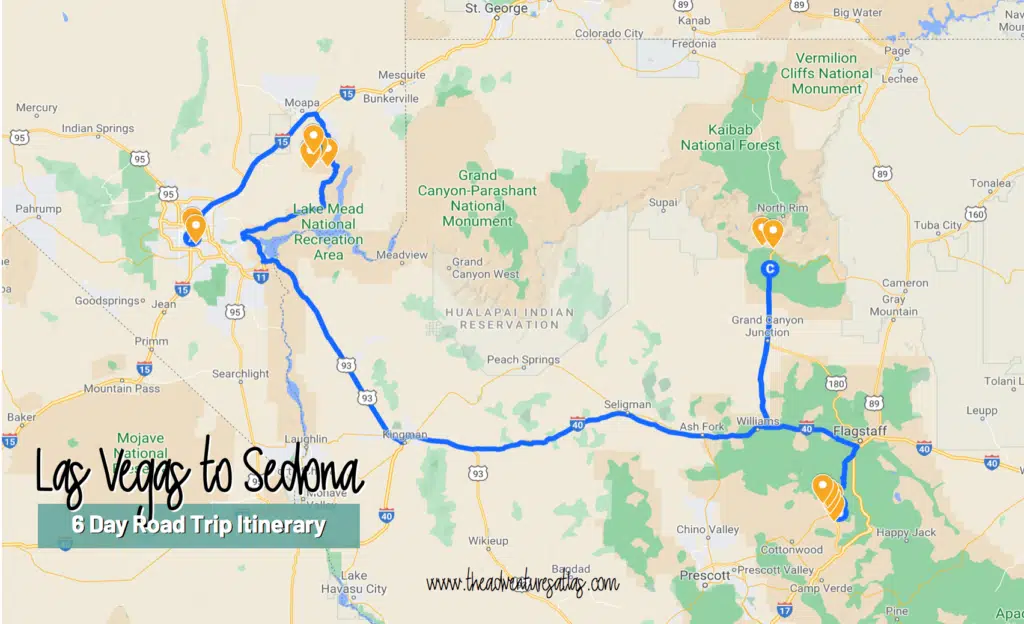
The most common and direct route from Las Vegas to Sedona typically involves heading southeast out of Las Vegas on U.S. Route 93 (which eventually merges with or becomes Interstate 11 for a portion). This segment takes you across the Mike O’Callaghan – Pat Tillman Memorial Bridge and past the magnificent Hoover Dam. From there, you’ll continue south through Kingman, Arizona, before merging onto Interstate 40 East.
The Interstate 40 stretch takes you through high-desert landscapes, passing through towns like Seligman and Williams, which offer nostalgic glimpses of historic Route 66. You’ll continue on I-40 until you reach Flagstaff, Arizona. From Flagstaff, the final leg of the journey to Sedona is a scenic descent via U.S. Route 89A (Oak Creek Canyon Scenic Road). This winding road, carved through Oak Creek Canyon, is renowned for its breathtaking views, verdant forests, and dramatic rock formations that foreshadow Sedona’s iconic landscape. While visually stunning, it requires careful driving due to its curves and elevation changes.
Essential Road Trip Considerations
Before embarking on your journey, consider a few practical aspects. Fuel availability is generally good along U.S. Route 93 and Interstate 40, but it’s always wise to top up in larger towns. Cell phone service can be spotty in certain remote areas, so having offline maps downloaded is a smart precaution. Road conditions are typically excellent, but weather can be a factor, especially during winter when snow or ice might affect the higher elevations around Flagstaff and Oak Creek Canyon. Always check weather forecasts, especially if traveling between November and April.
The Scenic Route: Turning a Drive into an Adventure
While the direct route is efficient, many travelers choose to extend their trip, transforming a simple drive into an epic Southwest road trip. The region between Las Vegas and Sedona is a treasure trove of natural wonders and historic sites, begging for exploration.
Must-See Stops and Detours
- Hoover Dam: Located just 30 miles southeast of Las Vegas, this engineering marvel is a worthy first stop. You can take a guided tour, walk across the top, or simply admire it from various viewpoints. The sheer scale and historical significance are awe-inspiring.
- Grand Canyon National Park: The most popular and arguably most spectacular detour is to the Grand Canyon South Rim. This adds about 2-3 hours of driving (one way) to your journey from I-40 at Williams or Flagstaff, but witnessing one of the world’s most magnificent natural wonders is an unparalleled experience. Allow at least 3-4 hours at the rim itself, or an overnight stay to fully absorb its grandeur and catch a sunrise or sunset.
- Historic Route 66 Towns: As you drive along I-40, you’ll parallel segments of the legendary “Main Street of America.” Towns like Kingman, Seligman, and Williams offer charming dives into mid-century Americana, with retro diners, kitschy gift shops, and vintage motels. Seligman is particularly known as the “Birthplace of Historic Route 66” and inspired the movie Cars.
- Walnut Canyon National Monument: Located near Flagstaff, this site offers a glimpse into ancient cliff dwellings built by the Sinagua people. A short loop trail allows you to walk among the ruins.
- Wupatki National Monument and Sunset Crater Volcano National Monument: Also near Flagstaff, these sites provide fascinating insights into volcanic activity and ancient Native American settlements in a unique desert landscape.
Best Time of Year for the Journey
The best times to make the drive from Las Vegas to Sedona are spring (April-May) and fall (September-October). During these seasons, temperatures are pleasant, wildflowers may be blooming, and the crowds are generally lighter than in summer. Summer (June-August) can be very hot, especially in the desert sections near Las Vegas and Kingman, though Flagstaff and Sedona offer cooler mountain air. Winter (November-March) can bring snow and icy conditions to higher elevations, particularly on U.S. Route 89A through Oak Creek Canyon, which may sometimes close due to heavy snowfall.
Beyond the Wheel: Alternative Transportation
While driving offers the most flexibility for exploring the scenic route, other options are available for those who prefer not to drive or are on a tighter schedule.
Flights and Airport Logistics
Flying directly from Las Vegas to Sedona is not a direct option, as Sedona has a small regional airport (Sedona Airport) that primarily handles private aircraft. The closest major airport to Sedona with commercial service is Phoenix Sky Harbor International Airport (PHX), located about two hours south of Sedona.
You could fly from Harry Reid International Airport (LAS) in Las Vegas to PHX in Phoenix. The flight itself is short, typically around 1 hour. Upon arrival at PHX, you would then need to rent a car, arrange a shuttle service (such as the Groome Transportation shuttle), or take a taxi/rideshare service for the remaining 100-mile drive to Sedona. This option is generally more expensive and might not save a significant amount of time compared to driving, especially considering airport procedures and transfers.
Organized Tours and Bus Services
For those who prefer a hands-off approach, several tour operators offer guided trips from Las Vegas that include Sedona as part of a multi-day itinerary. These tours often combine Sedona with visits to the Grand Canyon, Hoover Dam, and other Arizona attractions. This can be a convenient way to see multiple highlights without the hassle of driving and navigation.
Public bus services between Las Vegas and Sedona are less direct and often require transfers. You would typically take a bus from Las Vegas to Flagstaff, and then a local shuttle or bus service from Flagstaff to Sedona. While economical, this option is the most time-consuming and offers the least flexibility.
Arriving in Sedona: A World Apart
Upon reaching Sedona, the drastic change in scenery and atmosphere is immediate. The transition from the arid expanse of the Mojave Desert and the bustling energy of Las Vegas to the vibrant red rock formations and serene energy of Sedona is truly striking.
Embracing the Red Rock Landscape
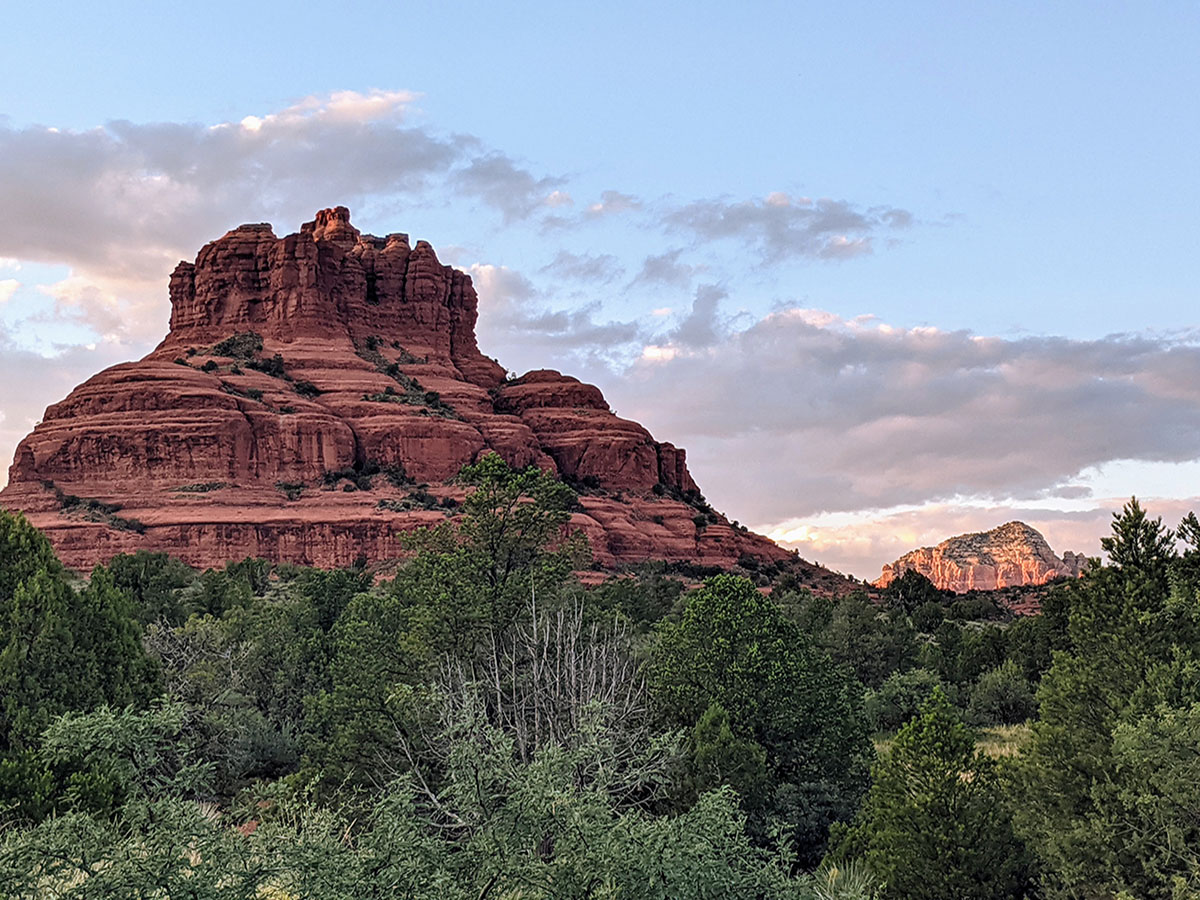
Sedona is defined by its stunning landscape of towering crimson cliffs, mesas, and buttes. The town is nestled within the Coconino National Forest and is a mecca for outdoor enthusiasts. The Red Rock Scenic Byway (Highway 179) serves as the primary gateway, offering panoramic views of iconic formations like Bell Rock, Cathedral Rock, and Courthouse Butte as you approach the main town area.
Key Attractions and Activities
- Hiking: Sedona boasts hundreds of miles of trails, ranging from easy strolls to challenging climbs. Popular hikes include the Boynton Canyon Trail, Devil’s Bridge Trail, and trails leading to the base of Cathedral Rock or Bell Rock. Each offers unique perspectives of the geological wonders.
- Vortex Sites: Sedona is famous for its purported energy vortexes – areas believed to emanate spiritual energy conducive to healing, meditation, and self-exploration. Airport Mesa, Boynton Canyon, Cathedral Rock, and Bell Rock are considered the main vortex sites, attracting visitors from around the globe seeking spiritual rejuvenation.
- Art Galleries and Shops: Sedona has a vibrant arts scene, particularly in Uptown Sedona and Tlaquepaque Arts & Shopping Village. You’ll find a diverse array of galleries showcasing local and regional Southwestern art, jewelry, and crafts.
- Scenic Drives: Beyond Oak Creek Canyon and the Red Rock Scenic Byway, take a drive out to Chapel of the Holy Cross, an architectural marvel built into the red rocks, offering stunning views.
- Stargazing: Far from city lights, Sedona is an International Dark Sky Community, providing exceptional opportunities for stargazing.
Planning Your Stay in Sedona
To truly experience Sedona’s magic, plan for at least 2-3 full days. This allows ample time for hiking, exploring vortexes, enjoying the local culture, and perhaps a jeep tour or hot air balloon ride. Accommodation options range from luxurious resorts and boutique hotels to cozy bed and breakfasts, catering to various budgets and preferences. Dining in Sedona offers everything from casual Southwestern fare to fine dining with spectacular views.
Making the Journey from Las Vegas to Sedona Unforgettable
The distance between Las Vegas and Sedona is more than just miles; it’s a journey between two vastly different facets of the American Southwest. One offers relentless excitement and man-made spectacle, while the other invites introspection and awe in the face of ancient natural grandeur.
Why This Trip Stands Out
The appeal of this particular route lies in its dramatic contrasts and the sheer number of world-class attractions packed into a relatively short distance. It’s an ideal trip for those who appreciate both vibrant city life and tranquil natural landscapes. You can easily transition from a thrilling night on the Las Vegas Strip to a meditative sunrise hike among Sedona’s red rocks, experiencing the best of both worlds within a single itinerary. The flexibility to choose between a direct dash and a meandering multi-day exploration makes it adaptable to nearly any traveler’s preferences.
Tips for a Seamless Experience
- Book in Advance: Especially during peak seasons, accommodations in Sedona and popular tours can book up quickly.
- Stay Hydrated: The desert climate, even outside of summer, demands constant hydration. Carry plenty of water, especially if you plan to hike.
- Layer Clothing: Temperatures can fluctuate significantly throughout the day and with elevation changes. Dress in layers to adapt to varying conditions.
- Respect Nature: When hiking or exploring, stay on marked trails, carry out everything you pack in, and observe wildlife from a distance.
- Embrace the Journey: Don’t rush through the drive. Allow time for spontaneous stops, photograph opportunities, and simply soaking in the ever-changing landscape.
Whether you’re seeking adventure, relaxation, or spiritual awakening, the path from Las Vegas to Sedona is a travel experience that promises profound memories and breathtaking beauty at every turn. It’s a journey not just across miles, but across contrasting worlds, culminating in the serene embrace of Arizona’s most captivating red rock sanctuary.
LifeOutOfTheBox is a participant in the Amazon Services LLC Associates Program, an affiliate advertising program designed to provide a means for sites to earn advertising fees by advertising and linking to Amazon.com. Amazon, the Amazon logo, AmazonSupply, and the AmazonSupply logo are trademarks of Amazon.com, Inc. or its affiliates. As an Amazon Associate we earn affiliate commissions from qualifying purchases.