
Locating a Pivotal American Landmark
Maxwell Air Force Base, a name synonymous with strategic air power and military education, is a cornerstone of both the United States Air Force and the state of Alabama. Far from being an isolated outpost, this storied installation is deeply integrated into the fabric of its host city, serving as a prominent landmark with profound historical and contemporary significance. Its precise location in the Southern United States positions it at the nexus of regional development and national defense.
Geographical Coordinates and the Alabama Landscape
Maxwell Air Force Base is situated in the central part of Alabama, specifically on the western side of Montgomery, the state capital. The base occupies a substantial landmass adjacent to the Alabama River, a geographical feature that has historically influenced the area’s development and strategic importance. Its coordinates place it approximately at 32.378° N latitude and 86.368° W longitude, making it an easily identifiable point on any map of the region.
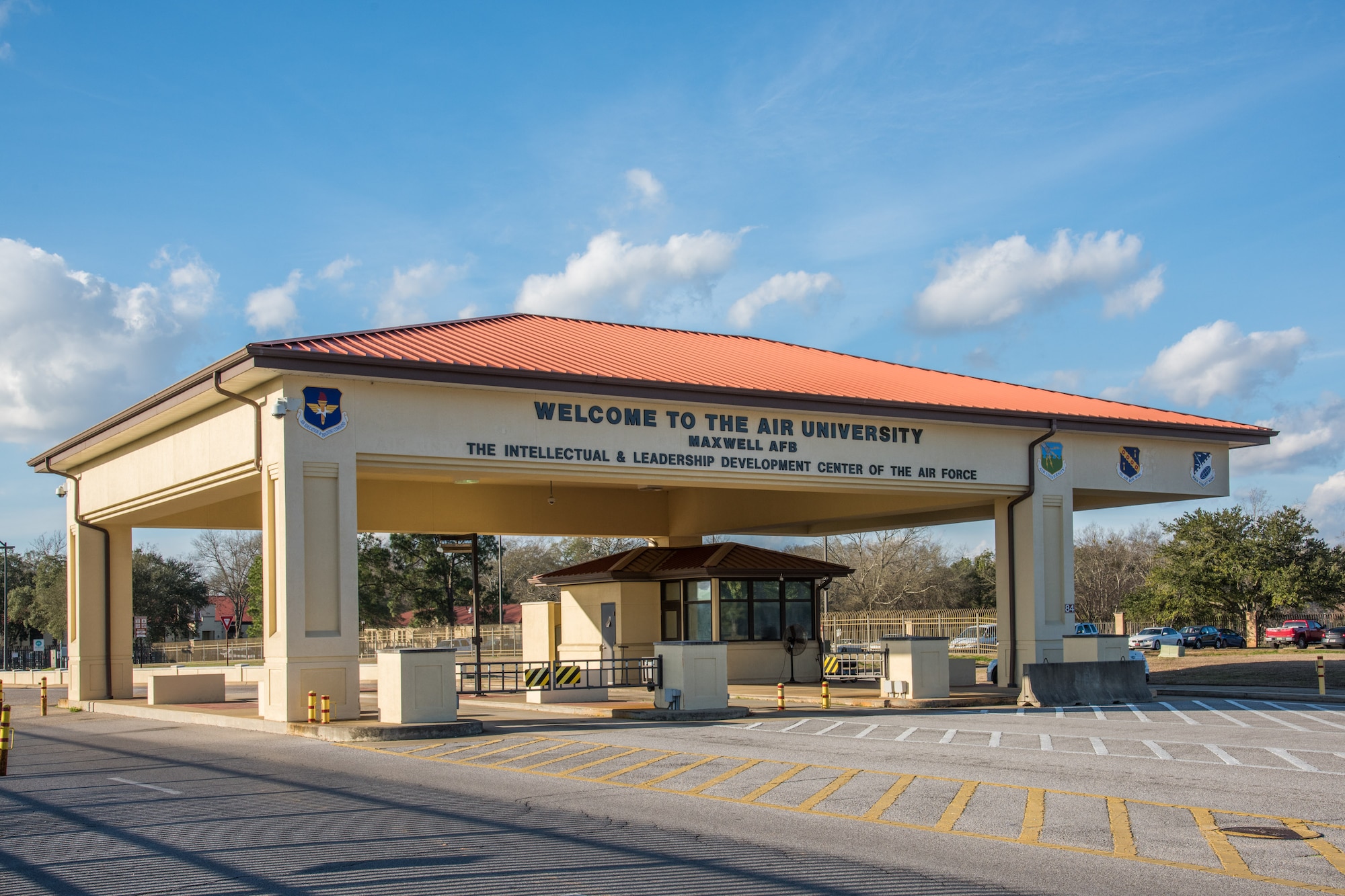
The topography surrounding Maxwell Air Force Base is characteristic of Alabama’s Black Belt region, characterized by gently rolling hills and fertile plains. This natural setting, combined with its proximity to a major waterway, initially made it an attractive site for early aviation pioneers and later for military expansion. The base’s physical footprint encompasses vast stretches of land dedicated to runways, hangars, educational facilities, and housing, all meticulously maintained to reflect its status as a premier military installation. It is not merely a collection of buildings, but an expansive, self-contained community that stands as a testament to the nation’s commitment to air power.
Montgomery: The Host City’s Historical Significance
The symbiotic relationship between Maxwell Air Force Base and Montgomery cannot be overstated. Montgomery itself is a city steeped in American history, having served as the first capital of the Confederate States of America and later becoming a pivotal battleground for the Civil Rights Movement. The presence of Maxwell Air Force Base adds another layer to this rich historical tapestry, transforming the city into a hub of military education and strategic operations.
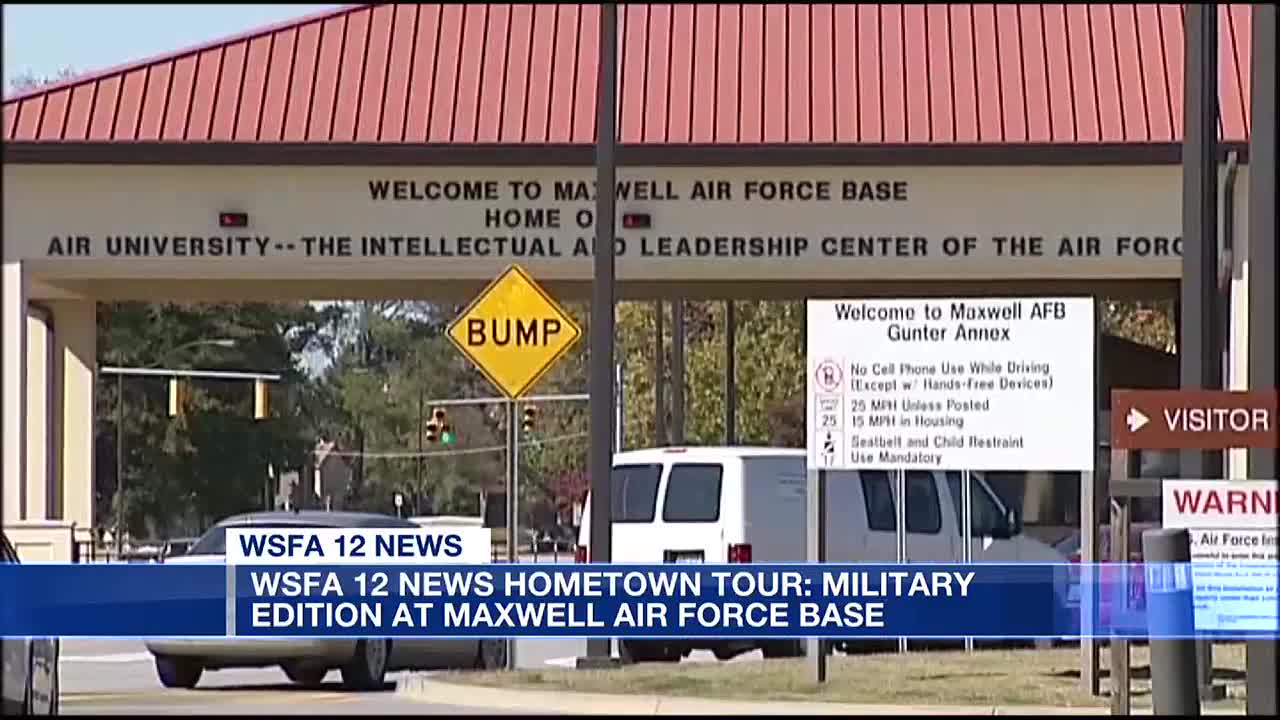
The base’s integration into the local community means that its landmarks, such as the impressive main gate and various monuments, are familiar sights to residents and visitors alike. The base’s sheer size and operational tempo make it an ever-present influence on the city’s economy, culture, and identity. It is a landmark not just for its physical presence but also for the critical role it plays in national defense and international military cooperation, drawing individuals and families from around the globe to Montgomery. This continuous influx of military personnel and their families has profoundly shaped the city’s demographics and services, making Maxwell Air Force Base an inseparable component of Montgomery’s modern identity.
A Century of Strategic Importance and Evolution
The history of Maxwell Air Force Base is a microcosm of American military aviation itself, tracing a direct lineage from the nascent days of flight to the sophisticated air power of the 21st century. As a landmark, it encapsulates over a hundred years of technological advancement, strategic shifts, and the unwavering dedication of countless individuals who have served within its bounds. Its evolution reflects the changing needs of national defense and the enduring spirit of innovation that has characterized the United States Air Force.
From Wright Flying School to Modern Air Power
The roots of Maxwell Air Force Base stretch back to 1910 when the Wright Brothers established one of their early Wright Flying School sites on what would later become the base. This early association with the pioneers of aviation imbues the site with a profound historical significance, marking it as one of the birthplaces of American flight.
During World War I, the site was reactivated as a flying school for the Army Air Service, solidifying its role in military aviation training. It was officially designated Maxwell Field in 1922, named after Second Lieutenant William C. Maxwell, an Alabama native killed in an aviation accident. Through the interwar years, Maxwell Field continued to evolve, becoming a vital training center for pilots and support personnel. Its expansion during this period laid the groundwork for its immense contribution to World War II, where it served as a primary training facility for bomber crews and other essential airmen. The sheer volume of personnel trained here during wartime underscores its critical function as a national military asset.
The Birthplace of the United States Air Force
Perhaps one of the most significant distinctions for Maxwell Air Force Base as a landmark is its intimate connection to the formal establishment of the United States Air Force. The vision for an independent air arm, separate from the Army, began to crystallize within the intellectual environment fostered at Maxwell. It was here that influential military theorists like Billy Mitchell and others championed the strategic importance of air power, eventually leading to the creation of the independent United States Air Force in 1947.
This historical moment is commemorated throughout the base, cementing its status as the intellectual “home” of the Air Force. The very ideology that underpins modern air warfare was developed and refined within its boundaries. Consequently, Maxwell Air Force Base is not just a physical location but also a symbol of foundational military thought and organizational transformation, a true landmark in the history of global military strategy.
The Enduring Role of the Air University

Central to Maxwell Air Force Base’s contemporary identity as a landmark is the Air University. Established shortly after World War II, Air University has evolved into the intellectual and leadership center of the United States Air Force, and indeed, a significant institution for military education globally. It provides professional military education, specialized technical training, and conducts research for the Air Force, other Defense Department organizations, and allied nations.
Its various colleges and schools, such as the Air War College, Squadron Officer School, and International Officer School, are all located at Maxwell, making it a focal point for military leaders and strategists from around the world. The physical structures housing these institutions are themselves landmarks, representing centers of learning and strategic thought. The library at Maxwell, for instance, contains an extensive collection of military aviation history and theory, drawing scholars and researchers. This continuous role in shaping the minds of military personnel ensures Maxwell Air Force Base remains a dynamic and relevant landmark, constantly contributing to future defense capabilities and international relations.
Architectural Heritage and Base Infrastructure
Beyond its strategic and educational functions, Maxwell Air Force Base is also a significant landmark due to its unique architectural heritage and extensive infrastructure. The base represents a blend of historical preservation and modern functionality, showcasing how military installations evolve while retaining their identity. Its layout and structures reflect different eras of military construction and planning, each contributing to its overall character.
Preserving History: Buildings and Monuments
The base boasts several buildings and areas that are of historical interest, some even listed on the National Register of Historic Places. The early hangars, officer’s quarters, and administrative buildings from the 1920s and 1930s stand as tangible links to its origins. These structures, often built in a distinctive early 20th-century military architectural style, are carefully preserved, serving as living museums of the base’s past. Their robust construction and classic designs evoke a sense of permanence and tradition.
Numerous monuments and memorials dot the landscape of Maxwell Air Force Base, honoring distinguished aviators, fallen heroes, and significant historical events. These range from aircraft on static display, commemorating various eras of flight, to detailed sculptures and plaques dedicated to specific squadrons or individuals. For instance, the Air Force Historical Research Agency, located on Maxwell and its associated Gunter Annex, houses invaluable records and artifacts, making the base a key landmark for those studying military history. These elements collectively contribute to the base’s landmark status, offering visitors and personnel a constant reminder of the sacrifices and achievements that have defined its legacy.
Modern Facilities and Operational Capacity
While preserving its past, Maxwell Air Force Base also operates as a state-of-the-art facility, continually upgrading its infrastructure to meet contemporary military requirements. This blend of old and new is a hallmark of significant military landmarks, which must remain functional while respecting their heritage. Modern academic buildings feature advanced technological classrooms, simulation centers, and conference facilities, essential for the Air University’s mission.
The runways and air traffic control systems are maintained to the highest standards, capable of handling a diverse range of military aircraft, even if its primary mission is no longer operational flight training on a massive scale. The base also includes comprehensive support facilities: medical centers, recreational areas, commissaries, and housing complexes that cater to the thousands of personnel and their families stationed there. This extensive and continually evolving infrastructure ensures that Maxwell Air Force Base remains a functional, self-sufficient landmark vital to national security and a thriving community within itself. The strategic placement of various units, including the headquarters of the Civil Air Patrol, further solidifies its role as a key command and control landmark.
Maxwell Air Force Base as a Regional Beacon
The presence of Maxwell Air Force Base extends far beyond its physical boundaries, making it a significant regional beacon and an integral part of Central Alabama‘s identity. Its impact is felt across various sectors, transforming it from merely a military installation into a multifaceted landmark influencing the economic, cultural, and social landscape of the entire River Region.
Economic and Cultural Impact on Central Alabama
Maxwell Air Force Base is one of the largest employers in Central Alabama, contributing billions of dollars annually to the local economy through salaries, contracts, and indirect spending. This massive economic footprint supports countless businesses, from small local shops to larger service providers, all benefiting from the base’s operations. The steady presence of military personnel provides stability to the job market and housing sector, making Montgomery a desirable location for families and businesses.
Culturally, the base enriches the region by fostering a diverse and international community. The Air University’s global reach brings students and faculty from dozens of countries, creating a vibrant multicultural environment. This international exchange not only broadens the perspectives of local residents but also introduces global influences into the region’s cultural fabric. The base’s historic events and commemorations often become regional affairs, drawing public attention and reinforcing the shared heritage between the military and civilian communities. It stands as a testament to the enduring relationship between a major military landmark and the region it calls home.
Public Engagement and Historical Outreach
While it is an active military installation with restricted access, Maxwell Air Force Base maintains a degree of public engagement through various programs and outreach efforts, solidifying its role as a public landmark. The base often hosts air shows, open house events, and ceremonies that allow the public to experience aspects of military life and aviation history firsthand. These events are crucial for fostering community relations and educating the public about the Air Force’s mission and heritage.
Moreover, the Maxwell-Gunter community actively participates in local charitable initiatives and educational partnerships, demonstrating its commitment to being a good neighbor. Its museums and historical exhibits, such as those at the Air Force Historical Research Agency, serve as invaluable resources for historians and the general public interested in military aviation. The base is an accessible, albeit regulated, landmark that continues to share its story and significance with the wider community, ensuring its place as a revered and impactful institution in Alabama and the nation. The designation of some of its areas as a National Historic Landmark further emphasizes its significance as a site of profound historical importance for all Americans.
LifeOutOfTheBox is a participant in the Amazon Services LLC Associates Program, an affiliate advertising program designed to provide a means for sites to earn advertising fees by advertising and linking to Amazon.com. Amazon, the Amazon logo, AmazonSupply, and the AmazonSupply logo are trademarks of Amazon.com, Inc. or its affiliates. As an Amazon Associate we earn affiliate commissions from qualifying purchases.