
For the intrepid traveler, every decision, from route planning to meal choices, contributes to the overall success and enjoyment of an expedition. Among these considerations, what one drinks, particularly its stimulant content, often plays an underestimated yet crucial role in managing energy levels, adapting to new time zones, and maintaining well-being while exploring. Arizona Tea, a ubiquitous beverage found in convenience stores, supermarkets, and vending machines across many destinations, is a common choice for tourists seeking refreshment. However, understanding its caffeine profile is key to making informed choices that support a vibrant and comfortable travel experience.

Navigating Beverage Choices While Exploring New Destinations
The rhythm of travel is exhilarating, often demanding extended periods of activity, early mornings, and late nights. Whether navigating bustling city streets, hiking scenic trails, or absorbing the nuances of local culture, maintaining consistent energy levels is paramount. The beverages we choose can significantly impact this balance, acting as either a beneficial pick-me-up or an unforeseen disruptor.
The Role of Caffeine in Tourist Energy Management
Caffeine, a natural stimulant found in many plants, is a widely consumed psychoactive substance known for its ability to increase alertness and reduce the perception of fatigue. For tourists, caffeine can be a valuable tool. A carefully timed coffee or tea can help overcome jet lag, power through an afternoon slump during extensive sightseeing, or provide the focus needed to appreciate a museum exhibition. However, excessive or poorly timed caffeine intake can lead to anxiety, jitters, disrupted sleep, and even gastrointestinal discomfort, all of which can detract significantly from the travel experience. Understanding the caffeine content of popular drinks like Arizona Tea empowers travelers to harness its benefits without succumbing to its downsides.
Understanding Widely Available Drinks in Travel Contexts
While exploring new locales, tourists are often presented with a myriad of beverage options. From local artisanal coffees and traditional teas to globally recognized brands, choices abound. Arizona Tea stands out as a brand with widespread distribution, making it an accessible option in many parts of the United States and beyond. Its attractive price point and diverse flavor offerings make it a go-to for many. However, unlike coffee, where caffeine content is often more predictable by brew type, the caffeine in various tea products, especially pre-packaged ones, can be highly variable. This variability makes it essential for travelers to delve deeper into the specifics, especially when relying on such beverages to manage their daily energy.
Decoding Arizona Tea’s Caffeine Profile for the Traveler
Arizona Tea offers a vast array of flavors and tea types, and surprisingly, their caffeine content can differ significantly. What might seem like a simple iced tea can range from completely decaffeinated to moderately caffeinated, impacting a traveler’s energy and sleep patterns.
Specific Arizona Tea Varieties and Their Caffeine Content
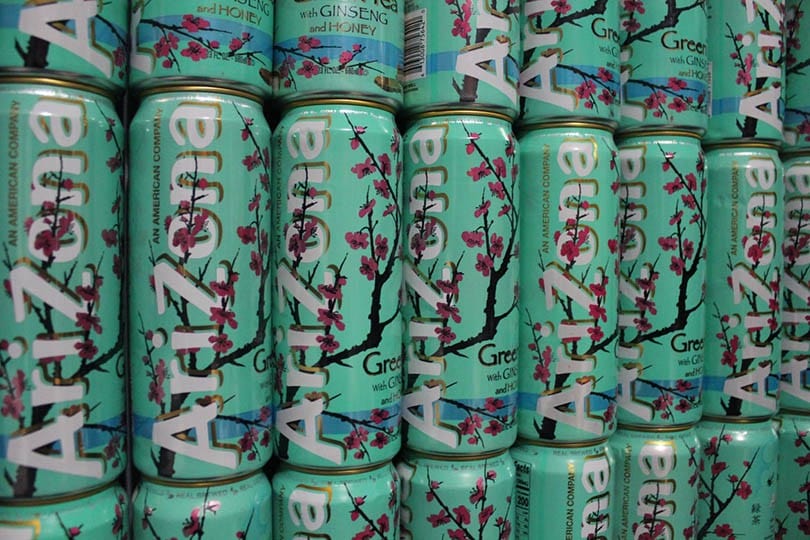
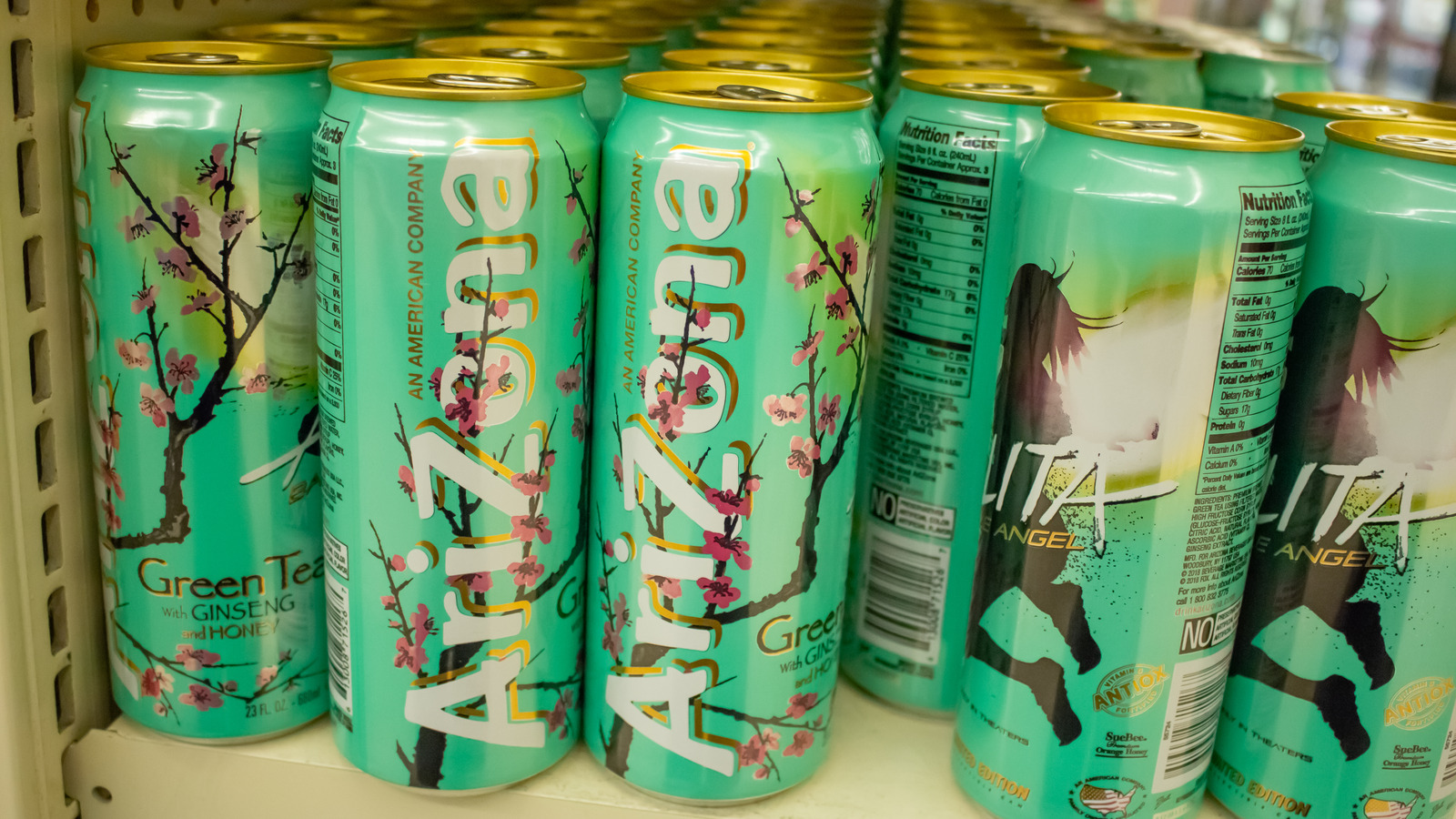
The key to understanding Arizona Tea’s caffeine lies in identifying the type of tea used and whether it has been decaffeinated. Most of the brand’s iconic 23 fl. oz. cans feature prominent labeling that, while not always explicitly stating milligrams of caffeine, often indicates the tea type.
- Arizona Green Tea with Ginseng and Honey: This is perhaps one of Arizona Tea’s most famous offerings. A 23 fl. oz. can typically contains around 75 mg of caffeine. For context, this is roughly equivalent to a standard 8 fl. oz. cup of home-brewed coffee, or slightly less than a typical energy drink. This makes it a moderate source of caffeine, suitable for a morning boost or an afternoon pick-me-up without being overly stimulating for most individuals.
- Arizona Black Tea (e.g., Sweet Tea, Lemon Tea): Many of Arizona Tea’s black tea varieties, particularly those labeled “Iced Tea with Lemon Flavor” or similar, are often decaffeinated or have very low caffeine levels, sometimes as little as 0-15 mg per 23 fl. oz. can. This is a crucial distinction for travelers sensitive to caffeine or those seeking a refreshing drink later in the day without impacting sleep. Always check the ingredients list for “decaffeinated black tea” or similar indicators.
- Arizona Half & Half (Arnold Palmer): The popular blend of iced tea and lemonade, often called an Arnold Palmer, typically uses black tea. Depending on the blend, a 23 fl. oz. can may contain anywhere from 15 to 30 mg of caffeine. This puts it in the low-to-moderate range, offering a milder lift than green tea.
- Arizona White Tea: White tea naturally contains less caffeine than green or black tea. Arizona Tea’s white tea offerings are usually very low in caffeine, often under 15 mg per 23 fl. oz. can, making them another suitable choice for those seeking minimal stimulation.
- Herbal Teas & Fruit Drinks: Arizona Tea also produces various herbal infusions and fruit-flavored beverages (e.g., much of their “Rx” line, although “Rx Energy” is distinct and highly caffeinated). These are generally caffeine-free, as they do not contain tea leaves from the Camellia sinensis plant. Travelers looking to completely avoid caffeine should opt for these options.
It is paramount for travelers to always check the nutritional information or ingredient list on the specific can or bottle they are purchasing, as formulations can occasionally change, or regional variations might exist.
Comparing Arizona Tea to Other Common Travel Beverages
To put these numbers into perspective for a traveler:
- Coffee: A standard 8 fl. oz. cup of brewed coffee typically contains 95-165 mg of caffeine. A larger coffee shop serving can have 200-300+ mg. This makes most Arizona Tea varieties, even the green tea, a less potent option than a regular coffee.
- Other Packaged Iced Teas: Many other brands of bottled or canned iced tea also vary widely. Some unsweetened black teas can contain 40-70 mg per 16 fl. oz., while many flavored iced teas are decaffeinated.
- Soda/Soft Drinks: A 12 fl. oz. can of cola usually contains 30-40 mg of caffeine. This means some caffeinated Arizona Tea varieties, like the green tea, can have significantly more caffeine than a typical soda, while others have less or none.
- Energy Drinks: These are in a league of their own, often containing 150-300+ mg of caffeine per serving, making them significantly more potent than any standard Arizona Tea product. Arizona Tea’s “Rx Energy” is an exception, designed specifically as an energy drink with a high caffeine content.
This comparison highlights that Arizona Tea sits in a versatile position within the beverage landscape. Depending on the variety, it can serve as a mild stimulant, a refreshing low-caffeine option, or a completely caffeine-free hydrator.
Strategic Hydration and Energy Management on the Go
For tourists, maintaining optimal hydration and energy without compromising sleep or comfort is a finely tuned art. The information about Arizona Tea’s caffeine content becomes a practical tool in this endeavor.
Tips for Caffeine-Sensitive Travelers
Individuals who are particularly sensitive to caffeine, or those with underlying health conditions, must exercise caution. For them, deciphering labels is not merely a preference but a necessity.
- Prioritize Decaffeinated Options: Many Arizona Tea black tea and white tea varieties are naturally low in caffeine or decaffeinated. Herbal or fruit-based Arizona Tea drinks are excellent caffeine-free choices.
- Time Your Intake: If consuming a moderately caffeinated Arizona Green Tea, do so earlier in the day, preferably before noon, to avoid disrupting nighttime sleep, especially when adapting to new time zones.
- Hydrate with Water: Regardless of other beverage choices, plain water remains the best hydrator. Always carry a reusable water bottle, especially when exploring cities or engaging in physical activities.
Balancing Enjoyment and Well-being
Travel is about discovery and enjoyment, and this includes sampling local flavors and experiencing new sensations. For many, a refreshing iced tea is part of that experience.
- Mindful Consumption: Instead of abstaining entirely, travelers can practice mindful consumption. If enjoying a caffeinated Arizona Tea during the day, perhaps choose a decaffeinated alternative in the evening.
- Consider Climate: In hot climates, the hydrating aspect of a cold beverage is paramount. Ensure your chosen Arizona Tea variety doesn’t exacerbate dehydration, and always supplement with plenty of water.
- Listen to Your Body: Pay attention to how different beverages affect you. Some travelers might find a mild caffeine boost helps them stay alert during long travel days, while others might prefer to avoid it to ensure restful sleep for the next day’s adventures.
Cultural Nuances of Tea Consumption
While Arizona Tea is a mass-produced, globally available product, its category—tea—holds deep cultural significance across many destinations. For tourists, understanding the caffeine content of a familiar brand can be a stepping stone to appreciating local tea traditions.
Beyond the Can: Exploring Global Tea Traditions
In countries like Japan, China, India, or even parts of Europe, tea is more than just a drink; it’s a ritual, a social connector, and an integral part of daily life. When traveling, partaking in a traditional tea ceremony or simply enjoying a local brew offers a rich cultural experience. Many local teas, especially green teas like Matcha in Japan or strong black teas in India, can have substantial caffeine content. Familiarity with the caffeine levels in a standard Arizona Green Tea can provide a useful benchmark when comparing it to a local equivalent, allowing travelers to manage their intake even when venturing into less familiar territory. It equips tourists with the knowledge to navigate their beverage choices not just for refreshment, but for an optimized and culturally aware travel journey.
LifeOutOfTheBox is a participant in the Amazon Services LLC Associates Program, an affiliate advertising program designed to provide a means for sites to earn advertising fees by advertising and linking to Amazon.com. Amazon, the Amazon logo, AmazonSupply, and the AmazonSupply logo are trademarks of Amazon.com, Inc. or its affiliates. As an Amazon Associate we earn affiliate commissions from qualifying purchases.