
Understanding the typical flight duration between major metropolitan hubs is a cornerstone of efficient travel planning. For those embarking on a journey from Los Angeles International Airport (LAX) to O’Hare International Airport (ORD) in Chicago, the question of “how long is the flight?” is paramount. While a definitive answer might seem straightforward, a multitude of factors influence this duration, transforming a simple flight time query into an exploration of aviation logistics, weather patterns, and airline operations. This article delves into the nuances of this popular transcontinental route, providing travelers with a comprehensive understanding of what to expect regarding flight times.
The Average Flight Duration
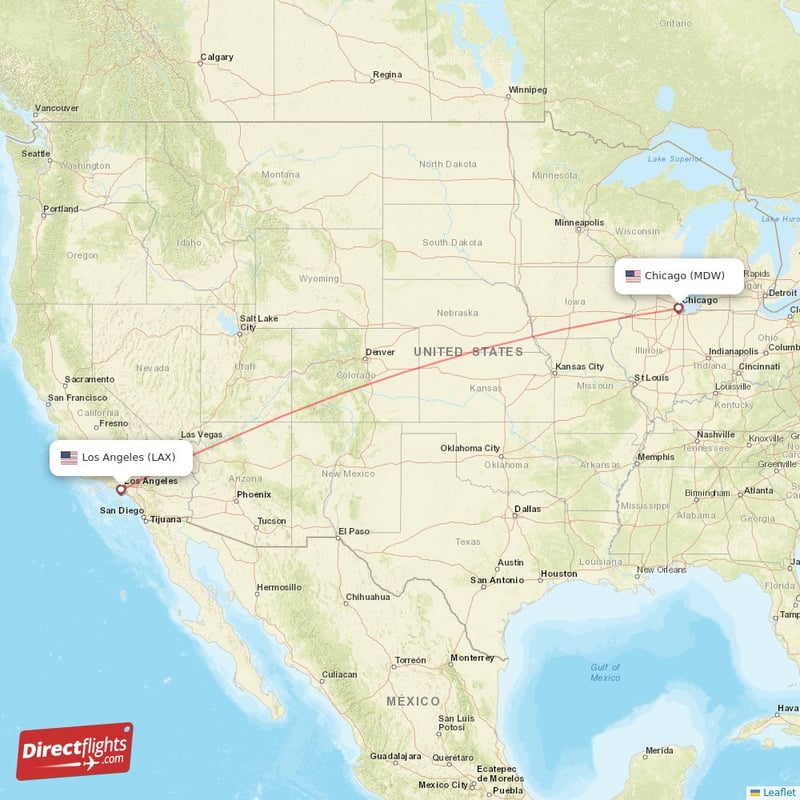
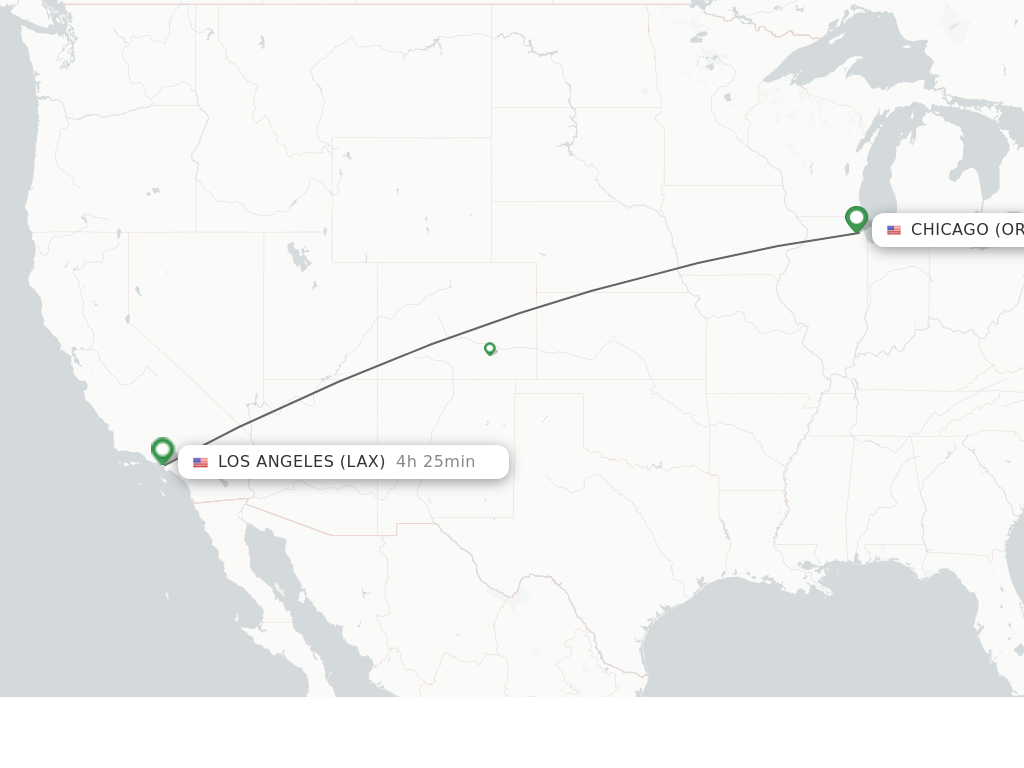
The direct flight from LAX to ORD typically spans between 3 hours and 30 minutes to 3 hours and 50 minutes. This average is a general guideline, and actual flight times can vary. Several elements contribute to this temporal range.
Factors Influencing Direct Flight Times
- Air Traffic Control (ATC) and Airspace Congestion: Both LAX and ORD are among the busiest airports in the United States, experiencing significant air traffic. Air traffic control plays a critical role in managing the flow of aircraft, and during peak hours, holding patterns or slower approach speeds can add to the flight duration. The airspace over the western United States and the Midwest is also heavily trafficked, leading to potential delays.
- Jet Stream and Prevailing Winds: Flights traveling eastward from Los Angeles to Chicago often benefit from the prevailing westerly jet stream. This high-altitude air current can significantly boost ground speed, effectively reducing flight time. Conversely, headwinds, though less common on this eastbound route, could marginally increase the duration. Meteorologists closely monitor jet stream activity, and airlines may even adjust flight paths to optimize for these currents.
- Aircraft Type and Performance: Different aircraft models have varying cruising speeds. While most major airlines utilize similar wide-body or narrow-body jets for this route, subtle differences in engine efficiency and aerodynamic design can contribute to minor variations in flight time.
- Airline Scheduling and Flight Path Optimization: Airlines constantly work to optimize flight paths for efficiency and fuel economy. While the most direct route is usually preferred, factors like weather, restricted airspace, and traffic can lead to slight deviations. The specific flight plan filed by the pilot, in coordination with dispatchers, will dictate the precise route.
Connecting Flights: Adding Significant Time
While direct flights offer the quickest transit between LAX and ORD, many travelers opt for flights with one or more stops. This decision is often driven by cost or the availability of specific travel times. However, it’s crucial to understand that connecting flights dramatically increase the overall travel duration.
Components of Connecting Flight Time
- In-Air Time: The actual time spent airborne will be less than a direct flight, as it’s broken into segments.
- Layover Duration: This is the most significant factor in extending travel time. Layovers can range from a brief 45 minutes to several hours, depending on the connecting airport, the airline’s hub strategy, and the booking. A short layover might be convenient, but it increases the risk of missing a connection due to delays. Longer layovers offer more buffer but also extend the total journey.
- Time Spent on the Ground: This includes taxiing to and from gates, deplaning, navigating the connecting airport, and boarding the next flight. Navigating a large, busy airport like Denver International Airport or Dallas/Fort Worth International Airport can take a considerable amount of time, especially during peak travel periods.
- Potential for Missed Connections: If the first leg of a journey is delayed, travelers risk missing their connecting flight. This can lead to extended waits for the next available flight, potentially requiring an overnight stay and significantly disrupting travel plans.
A journey involving a single stop can easily extend the total travel time to 6 to 10 hours or more, depending on the layover and the efficiency of the connection. Flights with multiple stops will naturally take even longer.
The Importance of Checking Real-Time Information
Given the variability in flight times, relying solely on general estimates is insufficient for precise travel planning. Travelers should always consult real-time flight information.
Leveraging Technology for Accurate Flight Tracking
- Airline Websites and Apps: Airlines provide the most accurate, up-to-the-minute information on flight status, including estimated departure and arrival times. They often offer notifications for delays or gate changes.
- Flight Tracking Websites and Apps: Services like FlightAware, FlightRadar24, and Google Flights allow users to track specific flights in real-time, providing data on current position, speed, and estimated time of arrival. This can be invaluable for anticipating arrival times or monitoring the progress of a connecting flight.
- Airport Websites: Both LAX and ORD have websites that provide real-time flight information, including delays, cancellations, and gate assignments.
Planning Your Travel from LAX to Chicago
Beyond just the flight duration, a successful trip from LAX to ORD involves strategic planning that accounts for the entire travel experience.
Pre-Flight Preparations
- Airport Arrival Times: For domestic flights, arriving at LAX at least two hours before departure is recommended, especially during busy travel seasons. This allows ample time for check-in, security screening, and reaching the gate. Similarly, arriving at ORD with sufficient time for deplaning and onward travel is advisable.
- Transportation to and from Airports: Consider how you will get to and from both LAX and ORD. Options include ride-sharing services, taxis, airport shuttles, or public transportation like the LAX FlyAway bus or Chicago’s CTA trains. Factor in traffic, especially in the sprawling metropolitan areas of Los Angeles and Chicago.
- Baggage Policies: Familiarize yourself with the baggage allowances and fees of your chosen airline. This can prevent unexpected charges at the airport and ensure a smoother check-in process.

In-Flight Comfort and Productivity
- Entertainment and Connectivity: Most flights offer in-flight entertainment systems, and many provide Wi-Fi for a fee. Bringing your own entertainment devices, books, or downloaded content can ensure a more enjoyable journey.
- Comfort Essentials: Pack travel essentials like a neck pillow, eye mask, noise-canceling headphones, and a light blanket. Staying hydrated is also important, so bring an empty reusable water bottle to fill after passing security.
- Snacks and Refreshments: While airlines may offer refreshments, bringing your own snacks can be a good idea, especially for longer flights or if you have specific dietary needs.
By understanding the average flight duration, the factors that influence it, and by leveraging real-time information and diligent planning, travelers can navigate the journey from LAX to ORD with confidence and efficiency. This popular route, while seemingly simple, offers a valuable case study in the dynamic nature of modern air travel.
LifeOutOfTheBox is a participant in the Amazon Services LLC Associates Program, an affiliate advertising program designed to provide a means for sites to earn advertising fees by advertising and linking to Amazon.com. Amazon, the Amazon logo, AmazonSupply, and the AmazonSupply logo are trademarks of Amazon.com, Inc. or its affiliates. As an Amazon Associate we earn affiliate commissions from qualifying purchases.