
Understanding the financial landscape for educators in Arizona is crucial for anyone considering a career in the state’s public school system or for current residents assessing their lifestyle options. A teacher’s salary is the foundation upon which their quality of life, daily choices, and long-term financial stability are built. This exploration delves into the earning potential of Arizona teachers, examining how these figures interact with the state’s cost of living and ultimately shape the lifestyle of those dedicated professionals.
The Baseline: Understanding Arizona Teacher Salaries
Teacher salaries in Arizona are influenced by a multitude of factors, including years of experience, educational attainment (bachelor’s vs. master’s degree), the specific school district, and even the grade level or subject taught. While the state has made efforts to increase teacher pay in recent years, the figures often remain a significant topic of discussion among educators and policymakers alike.
Average Earning Potential
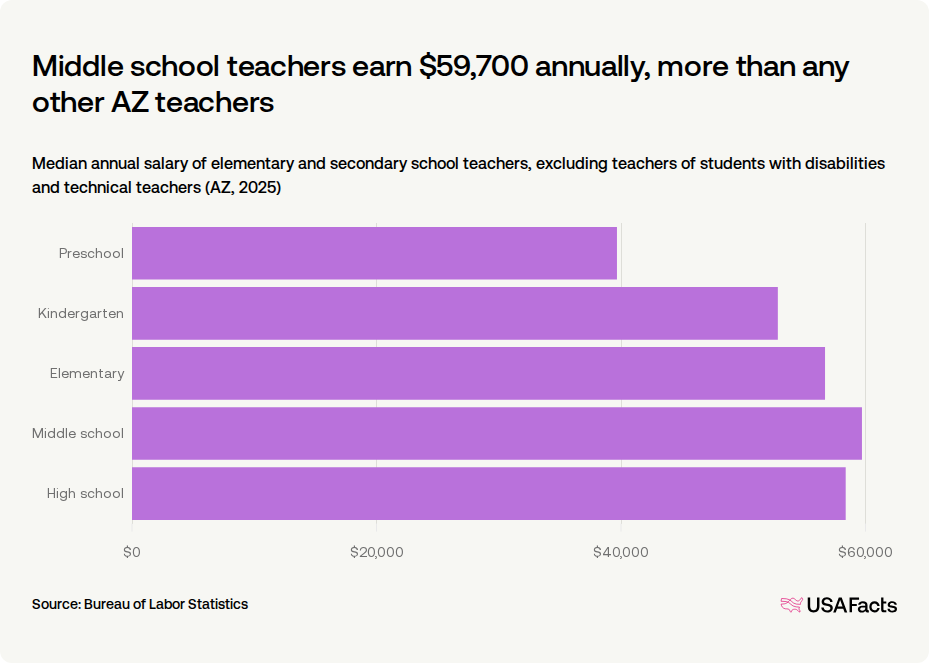
According to recent data, the average salary for a public school teacher in Arizona typically hovers around the mid-$50,000 to low-$60,000 range. However, this is an average, and entry-level salaries can be considerably lower, often starting in the low to mid-$40,000s for a teacher with a bachelor’s degree and no prior experience. Conversely, veteran teachers with advanced degrees and decades of service can reach salaries upwards of $70,000 or even $80,000 in some of the more affluent or larger districts.
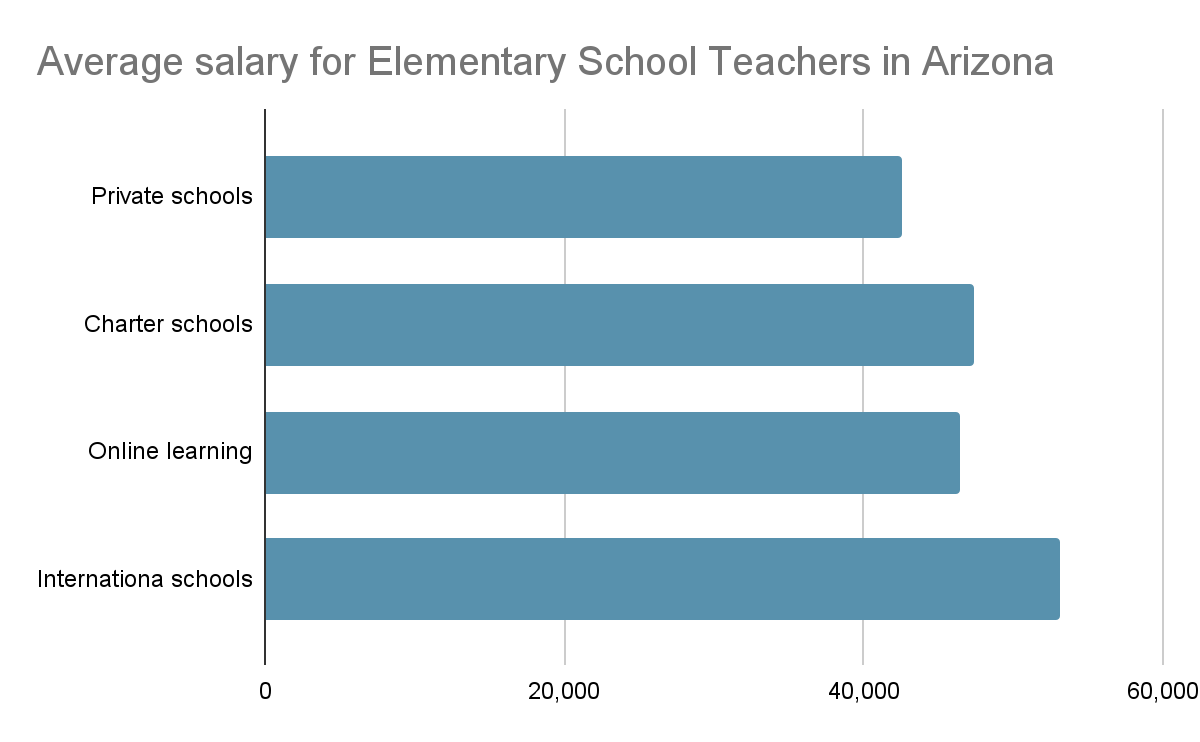
These figures represent base salaries and do not always include potential stipends for extracurricular activities, coaching, or specialized roles, which can offer additional income, albeit often requiring extra hours. It’s also important to note that charter schools and private schools may operate on different pay scales, sometimes offering competitive or, in other cases, lower salaries compared to their public counterparts.
Impact of Experience and Education
The progressive pay scale based on experience is a critical component of a teacher’s long-term financial lifestyle planning. A new teacher entering the profession will see their salary gradually increase over the years, provided they remain in the system. This incremental growth is often tied to “steps” on a salary schedule, with each step typically corresponding to another year of service.
Further education, such as obtaining a master’s degree or specialized certifications, also plays a significant role in boosting earning potential. Many districts offer “lanes” on their salary schedules that provide higher pay for teachers who invest in advanced degrees. This incentive can encourage continuous professional development, directly impacting a teacher’s financial standing and, by extension, their lifestyle over their career trajectory.
Cost of Living vs. Earning Power: The Arizona Context
The true measure of a salary’s value is its purchasing power, which is heavily influenced by the cost of living in a particular area. Arizona’s diverse geography also translates into varying costs of living, making location a crucial factor in a teacher’s lifestyle equation.
Urban vs. Rural Living
Major metropolitan areas like Phoenix, Tucson, Mesa, Chandler, Gilbert, and Scottsdale generally have higher costs of living, particularly concerning housing. While districts in these areas might offer slightly higher starting salaries or more opportunities for supplemental income, the difference may not always fully offset the increased expenses. For instance, renting a modest apartment or purchasing a home in a desirable neighborhood within the Phoenix metropolitan area can consume a substantial portion of a teacher’s income, potentially limiting discretionary spending, savings, or investment in leisure activities.
In contrast, rural districts or smaller towns might have lower costs of living, especially for housing. However, these areas might also offer fewer employment opportunities for spouses, less access to certain amenities, or lower top-end salaries for veteran teachers. A teacher’s choice of where to live and work in Arizona is thus a significant lifestyle decision, balancing salary against local expenses and personal preferences. For example, a teacher in Flagstaff might face higher housing costs than someone in a more remote community, but potentially enjoy a different outdoor-oriented lifestyle.
Housing and Transportation
Housing is typically the largest monthly expense for most households. For Arizona teachers, especially those new to the profession or with a family, securing affordable housing can be a challenge in high-demand areas. The median home price in many of the larger cities can be significantly higher than a teacher’s annual salary, often necessitating dual-income households, extended commutes, or making compromises on home size or location.
Transportation costs are another vital element. Arizona is a car-dependent state, and the price of gasoline, vehicle maintenance, and insurance all contribute to the overall cost of living. Longer commutes, a common strategy to find more affordable housing, directly impact these expenses and cut into personal time, further shaping a teacher’s daily lifestyle.
Navigating Financial Wellness: Lifestyle Implications
A teacher’s salary in Arizona directly dictates their capacity for financial wellness, which in turn defines their lifestyle choices. This extends beyond mere survival to encompass savings, leisure, and the ability to pursue personal interests.
Budgeting for Daily Life
With an average salary, teachers must often practice diligent budgeting to cover essential expenses such as groceries, utilities, and healthcare. For many, disposable income for dining out, entertainment, or travel might be limited, especially early in their careers. This necessitates a thoughtful approach to personal finance, prioritizing needs over wants and seeking out budget-friendly activities. The ability to save for retirement or a down payment on a home, critical components of long-term financial security, can also be challenging on an entry-level or even average teacher salary.
Leisure and Quality of Life
Lifestyle isn’t just about what one earns, but what one can do with those earnings. For Arizona teachers, income directly influences their ability to enjoy the state’s many attractions, from exploring the natural wonders of the Grand Canyon to attending cultural events in Phoenix or Tucson. A tighter budget might mean choosing local, free activities over more expensive experiences, or carefully planning annual vacations during school breaks.
Teachers often have excellent health insurance benefits, which are a significant non-monetary component of their overall compensation and contribute immensely to their lifestyle and peace of mind. However, out-of-pocket medical expenses, deductibles, and co-pays still need to be factored into their budgets.
Career Growth and Long-Term Lifestyle Planning
The teaching profession in Arizona, like many others, offers a path for career growth that can positively impact an individual’s lifestyle over time. Understanding these pathways is key to long-term financial and lifestyle planning.
Beyond the Classroom
While most teachers spend their careers directly in the classroom, opportunities exist to move into administrative roles (e.g., department head, assistant principal, principal), specialized support positions (e.g., instructional coach, curriculum specialist), or district-level administration. These roles often come with significantly higher salaries, offering a substantial boost to an individual’s lifestyle. Pursuing these avenues typically requires additional education and significant leadership experience, but they represent a viable path for increasing earning potential within the education sector.
For those who remain in the classroom, continuous professional development, earning advanced degrees, and taking on leadership roles within the school (e.g., mentor teacher, committee chair) can also lead to salary increases and a more comfortable lifestyle. These incremental improvements, combined with years of service, accumulate to provide a more stable and often more affluent lifestyle later in a teacher’s career.
Beyond the Paycheck: Quality of Life Factors
While salary is a critical determinant of lifestyle, it’s not the only one. The lifestyle of an Arizona teacher is also shaped by non-monetary factors inherent in the profession and the state itself.
The Value of Summers Off and Holidays
One of the most appealing aspects of a teaching career, and a significant contributor to quality of life, is the robust schedule of holidays and summer breaks. These extended periods off provide teachers with unparalleled opportunities for travel, family time, professional development, or simply rest and rejuvenation. This unique aspect of the job allows for a lifestyle that prioritizes personal time and enrichment in ways that many other professions do not.

Community and Impact
Many teachers find immense personal satisfaction and a strong sense of purpose in their work, contributing directly to the future of their communities. The intangible rewards of shaping young minds and seeing students succeed are often cited as reasons for entering and remaining in the profession, even when financial compensation may present challenges. This sense of contribution and belonging is a fundamental aspect of their overall lifestyle and well-being in Arizona.
In conclusion, while the salaries for teachers in Arizona vary widely based on experience, education, and location, they undeniably form the bedrock of an educator’s lifestyle. Navigating the balance between earning potential and the cost of living, while leveraging career growth opportunities and valuing the non-monetary benefits of the profession, allows Arizona teachers to carve out a meaningful and sustainable way of life in the Grand Canyon State.
LifeOutOfTheBox is a participant in the Amazon Services LLC Associates Program, an affiliate advertising program designed to provide a means for sites to earn advertising fees by advertising and linking to Amazon.com. Amazon, the Amazon logo, AmazonSupply, and the AmazonSupply logo are trademarks of Amazon.com, Inc. or its affiliates. As an Amazon Associate we earn affiliate commissions from qualifying purchases.