
Securing long-term accommodation, whether it’s an apartment, a townhouse, or a rental home, goes beyond just signing a lease and moving in. For many residents in Arizona, an often-overlooked yet critical aspect of responsible renting is renters insurance. It provides a financial safety net against unforeseen events, protecting your personal belongings and offering liability coverage. While often viewed as an additional expense, understanding the cost and value of renters insurance in Arizona reveals it to be an essential component of peaceful long-term living. The good news is that it’s typically far more affordable than many imagine.

Understanding Renters Insurance in Arizona: Essential for Your Accommodation
Renters insurance, officially known as an HO-4 policy, is a specific type of property insurance designed for individuals who rent their living space rather than own it. Unlike homeowners insurance, it does not cover the physical structure of the building itself—that responsibility typically falls to the landlord’s insurance policy. Instead, renters insurance focuses on protecting what’s inside your rental unit and providing crucial liability coverage.
Living in Arizona presents its own unique set of considerations for renters. From the bustling urban environments of Phoenix and Tucson to the more serene, suburban areas, residents face risks ranging from theft and vandalism to fire and water damage. The intense summer heat in cities like Mesa or Chandler can strain older HVAC systems, potentially leading to water leaks, while dust storms (“haboobs”) can cause unexpected damage. Renters insurance provides peace of mind, ensuring that if such an event impacts your rented accommodation, you won’t be left to bear the financial burden alone for your personal property.
Beyond protecting your possessions, renters insurance also provides liability coverage. This is a critical component for anyone residing in an apartment complex or rental home. If a visitor is injured in your rented accommodation or if you accidentally cause damage to a neighbor’s property, your renters insurance policy can cover the associated medical bills or repair costs. Many landlords in Arizona now mandate renters insurance as a condition of their lease agreements, recognizing its importance for both the tenant’s and the property owner’s protection. For those seeking stable, long-term accommodation, understanding and obtaining this coverage is not just smart—it’s often a requirement.
Average Costs and Key Factors Influencing Premiums in the Grand Canyon State
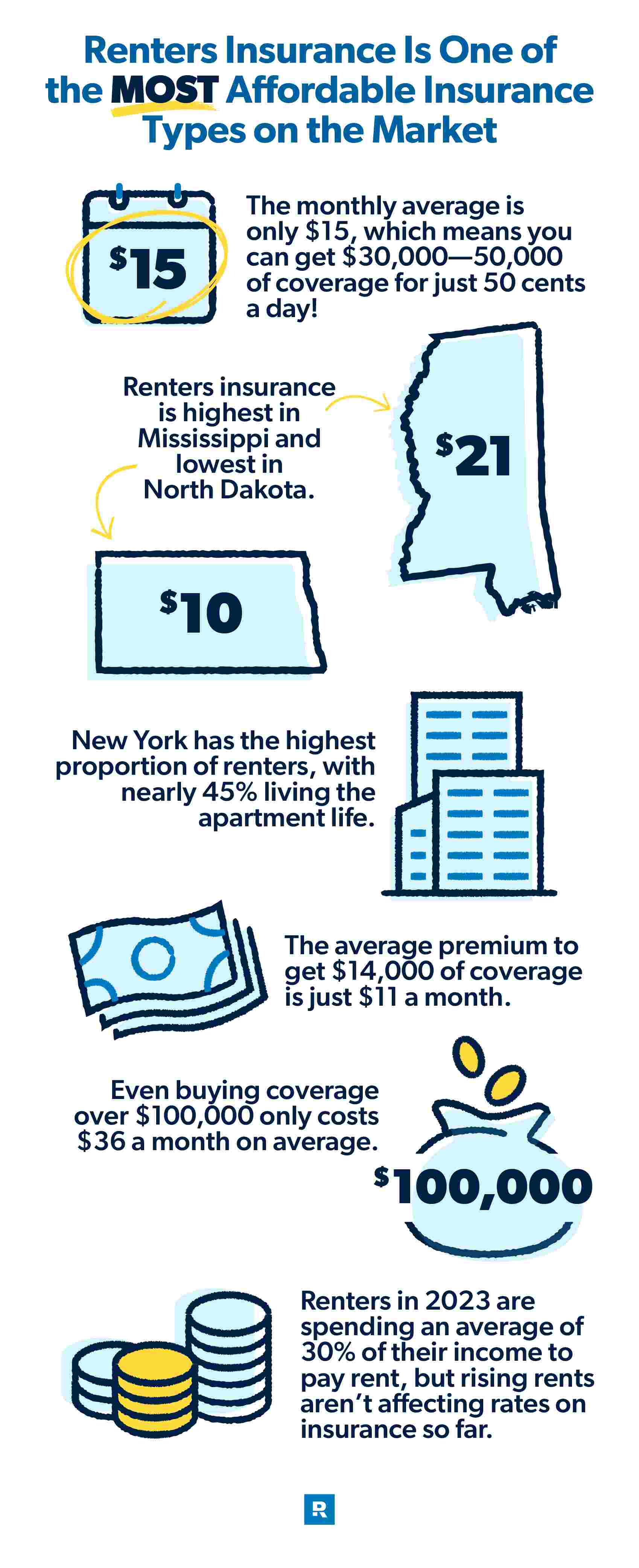
The cost of renters insurance in Arizona is remarkably affordable, especially when compared to other forms of insurance. On average, Arizona residents can expect to pay between $15 and $25 per month, or roughly $180 to $300 annually. However, this is just an average, and your specific premium will depend on a variety of factors.
Several key elements contribute to the final price tag of your renters insurance policy:
Your Location within Arizona
Premiums can vary significantly depending on where you rent. Urban areas with higher crime rates, such as certain neighborhoods in Phoenix or Tucson, might see slightly higher rates compared to more rural or suburban locations. For instance, renting in a high-density area of Glendale might have a different rate than renting in a quieter part of Flagstaff or Scottsdale. Insurance companies analyze local claims data, including theft and fire statistics, when determining rates for specific zip codes.
Coverage Amounts and Deductibles
The amount of personal property coverage you choose will directly impact your premium. If you possess valuable items like electronics, jewelry, or extensive furniture, you’ll need higher coverage limits, which will naturally increase your cost. Similarly, your liability coverage limits (e.g., $100,000 versus $300,000) will affect the price. The deductible, which is the amount you pay out-of-pocket before your insurance kicks in, also plays a role. A higher deductible typically results in a lower monthly premium, but means you’ll pay more upfront in the event of a claim.
Specific Coverages and Endorsements
A standard renters insurance policy covers basic perils. However, you might opt for additional coverages, known as endorsements, for specific situations. For example, if you have very high-value items like antique collections or fine art, you might need a scheduled personal property endorsement. For residents in certain parts of Arizona prone to specific weather events, while standard policies typically exclude floods and earthquakes, you might be able to add specific endorsements for these perils, though they are less common for renters and can significantly increase the cost.
Security Features of Your Accommodation
The presence of security measures in your rental unit or building can lead to discounts. Features such as burglar alarms, smoke detectors, deadbolt locks, sprinkler systems, and even a gated community can demonstrate a lower risk to insurers, translating into savings on your premium.
Your Insurance History and Credit Score
While less impactful than other factors, your claims history and, in some cases, your credit score can subtly influence your rates. A history of multiple claims might indicate a higher risk, while a good credit score can sometimes qualify you for better rates, as it suggests financial responsibility.
What Renters Insurance Covers (and What It Doesn’t)
Understanding the scope of your renters insurance policy is paramount to feeling truly secure in your long-term accommodation. Most standard policies are structured around three core areas of protection:
Personal Property Coverage
This is the most direct benefit for many renters. It protects your belongings inside your rented space and, often, even when they’re temporarily outside it (e.g., in your car or with you on a trip). Covered perils typically include:
- Fire and Smoke Damage: A common and devastating risk, particularly in residential buildings.
- Theft and Vandalism: Protection if your belongings are stolen or intentionally damaged.
- Water Damage: Damage caused by burst pipes, overflowing appliances, or other sudden and accidental water discharge (excluding floodwater).
- Windstorms and Hail: Important in Arizona where monsoon storms can be intense.
Most policies offer two types of personal property coverage: Actual Cash Value (ACV) and Replacement Cost Value (RCV). ACV pays out the depreciated value of your items, while RCV pays what it would cost to buy new replacements, making RCV the more comprehensive, albeit slightly more expensive, option.
Liability Coverage
This is perhaps the most critical, yet often underestimated, aspect of renters insurance. If someone is injured in your rental unit, or if you accidentally cause damage to someone else’s property, this coverage steps in. For example:
- A guest slips and falls on a wet floor in your apartment in Scottsdale and breaks their arm. Your policy would cover their medical expenses.
- You accidentally leave a faucet running, causing water damage to the apartment below yours. Your liability coverage would help pay for the repairs.
- It also typically includes Medical Payments to Others, which covers minor medical expenses for guests injured on your property, regardless of who was at fault.
Additional Living Expenses (ALE) / Loss of Use
If your rental accommodation becomes uninhabitable due to a covered peril (e.g., a fire), ALE coverage will help pay for temporary housing, food, and other necessary expenses while your unit is being repaired or until you find new permanent accommodation. This ensures that a disaster doesn’t leave you stranded and facing exorbitant unexpected costs on top of everything else.
What’s Typically Not Covered?
While comprehensive, renters insurance does have its limitations. Common exclusions include:
- Floods and Earthquakes: These are typically excluded from standard policies and require separate flood insurance or earthquake endorsements. Given Arizona’s dry climate, flood insurance might seem less critical, but flash floods can occur, and earthquake risk, while low, is not entirely absent.
- Pest Infestations: Damage from termites, bed bugs, or rodents is generally not covered.
- Intentional Damage: If you or someone living with you intentionally damages your property, it will not be covered.
- Damage to the Structure Itself: As mentioned, this is the landlord’s responsibility.
- Roommate’s Property: Unless explicitly named on your policy, a roommate’s belongings are not covered by your individual policy. They would need their own.
Smart Strategies to Save on Your Arizona Renters Insurance
Even with the already affordable nature of renters insurance in Arizona, there are several proactive steps you can take to further reduce your premiums without compromising essential coverage. These strategies are particularly helpful for those managing their budget for long-term accommodation.
1. Shop Around and Compare Quotes
This is arguably the most effective way to save money. Different insurance providers have varying pricing models and offer different discounts. Don’t settle for the first quote you receive. Obtain quotes from multiple reputable insurers operating in Arizona. Online comparison tools can streamline this process, allowing you to quickly see how various companies stack up against each other for similar coverage levels.
2. Increase Your Deductible
As discussed, a higher deductible means you pay more out-of-pocket if you file a claim, but it significantly lowers your monthly premium. If you have an emergency fund and can comfortably afford a $500 or $1,000 deductible, this can be a smart way to save. Just ensure your deductible is an amount you can realistically pay without financial strain.
3. Bundle Your Policies
Many insurance companies offer multi-policy discounts when you purchase more than one type of insurance from them. If you also have car insurance, for example, bundling your auto and renters insurance with the same provider can lead to substantial savings on both policies. This is a common and highly recommended strategy for Arizona residents.
4. Enhance Your Accommodation’s Security
Proactive security measures can make your rental unit less appealing to burglars and reduce the risk of other perils, which insurers appreciate. Installing deadbolt locks, a central alarm system, smoke detectors, and carbon monoxide detectors can all qualify you for discounts. Even living in a gated community or a building with a secure entry system can sometimes lead to lower rates.
5. Maintain a Good Credit History
While not the primary factor, your credit score can influence your insurance rates in Arizona, as insurers often use credit-based insurance scores to predict the likelihood of future claims. Maintaining a good credit history by paying bills on time and managing debt responsibly can indirectly contribute to lower insurance premiums over time.

6. Inquire About Other Discounts
Don’t hesitate to ask your insurance agent about any other potential discounts. Common ones include:
- Claim-Free Discount: For policyholders who haven’t filed a claim for a certain period.
- Automatic Payment Discount: For setting up recurring payments directly from your bank account.
- Loyalty Discount: For being a long-term customer with the same insurer.
- Non-Smoker Discount: If no one in the household smokes.
By strategically combining these tips, you can significantly reduce the cost of your renters insurance in Arizona, ensuring your long-term accommodation and valuable belongings are protected without breaking your budget. The small investment in a robust renters insurance policy provides invaluable peace of mind, making it a wise decision for any Arizona renter.
LifeOutOfTheBox is a participant in the Amazon Services LLC Associates Program, an affiliate advertising program designed to provide a means for sites to earn advertising fees by advertising and linking to Amazon.com. Amazon, the Amazon logo, AmazonSupply, and the AmazonSupply logo are trademarks of Amazon.com, Inc. or its affiliates. As an Amazon Associate we earn affiliate commissions from qualifying purchases.