
Embarking on the journey of marriage is a significant lifestyle decision, and for couples choosing to tie the knot in the picturesque Arizona, understanding the administrative and financial aspects of obtaining a marriage license is a crucial first step. The Grand Canyon State, renowned for its stunning landscapes and vibrant culture, offers a relatively straightforward process for acquiring a marriage license, but the exact costs and procedures can vary slightly depending on the county. This guide delves into the specifics, offering an insightful look at what to expect when planning your Arizona wedding, ensuring a smooth transition into your marital life.

Navigating the Arizona Marriage License Landscape
The cost of an Arizona marriage license is a primary concern for many couples. While the state sets general guidelines, the specific fee is determined at the county level by the Clerk of the Superior Court. This fee covers the administrative costs associated with processing your application, recording your marriage, and issuing the necessary documentation. It’s a standard fee that applies to all applicants, regardless of residency status.
The Core Cost: What to Expect
Generally, the fee for an Arizona marriage license hovers around $83. This figure is consistent across most counties, including densely populated areas like Maricopa County (home to Phoenix) and Pima County (where Tucson is located), as well as more rural regions such as Coconino County (encompassing Flagstaff and parts of the Grand Canyon). It’s always advisable to verify the exact fee with the specific county clerk’s office where you intend to apply, as minor adjustments can occur, or payment methods might vary. Most offices accept cash, credit/debit cards, or money orders, but personal checks are typically not accepted.
Additional Considerations: Beyond the Fee
While the license fee is the most significant direct cost, it’s wise to budget for potential ancillary expenses. For instance, obtaining certified copies of your marriage certificate after the ceremony might incur a small additional charge per copy. These copies are often required for various post-marriage administrative tasks, such as changing names on legal documents, updating insurance policies, or adjusting beneficiaries. Plan for at least two to three certified copies to ensure you have what you need without hassle.
The Application Process in the Grand Canyon State
Acquiring an Arizona marriage license is a relatively straightforward process designed to be accessible for all couples. Understanding the requirements and steps involved can significantly streamline your planning, allowing you to focus on the joyous aspects of your wedding.
Who Can Apply? Eligibility Requirements
To be eligible for an Arizona marriage license, both individuals must meet certain criteria:
- Age: Both applicants must be at least 18 years old. Minors aged 16 or 17 may obtain a license with parental consent and a court order, but this process is more complex.
- Relationship: Applicants must not be closely related, as prohibited by Arizona law (e.g., siblings, parents and children).
- Marital Status: Both individuals must be legally free to marry. If either party has been previously married, a divorce decree or death certificate of the former spouse is not required to be presented at the time of application, but you must attest that any previous marriages have been legally dissolved.
- Presence: Both applicants must appear in person before the Clerk of the Superior Court to apply for the license. This is a crucial requirement, underscoring the legal solemnity of the commitment.
Arizona does not have a residency requirement for obtaining a marriage license, making it an attractive destination for couples planning destination weddings or those who live out of state but wish to marry within Arizona’s beautiful borders.
Where to Apply? County Clerk’s Offices
Marriage licenses are issued by the Clerk of the Superior Court in any of Arizona’s 15 counties. You can apply in any county, regardless of where your wedding ceremony will take place within the state. For example, if you’re getting married in Sedona but find it more convenient to apply in Phoenix, you can do so at the Maricopa County Superior Court Clerk’s office.
Most county clerks’ offices operate Monday through Friday during standard business hours. It’s recommended to check the specific hours of your chosen county office, as well as any requirements for appointments, especially for larger counties like Maricopa County or Pima County, to avoid unnecessary delays.
Required Documentation and Identification
When you and your partner appear at the clerk’s office, you will need to present valid identification. Acceptable forms of ID typically include:
- A current government-issued photo ID (e.g., driver’s license, state ID card, passport).
- Social Security numbers for both applicants. While you don’t need to present your physical Social Security card, you will be required to provide the number.
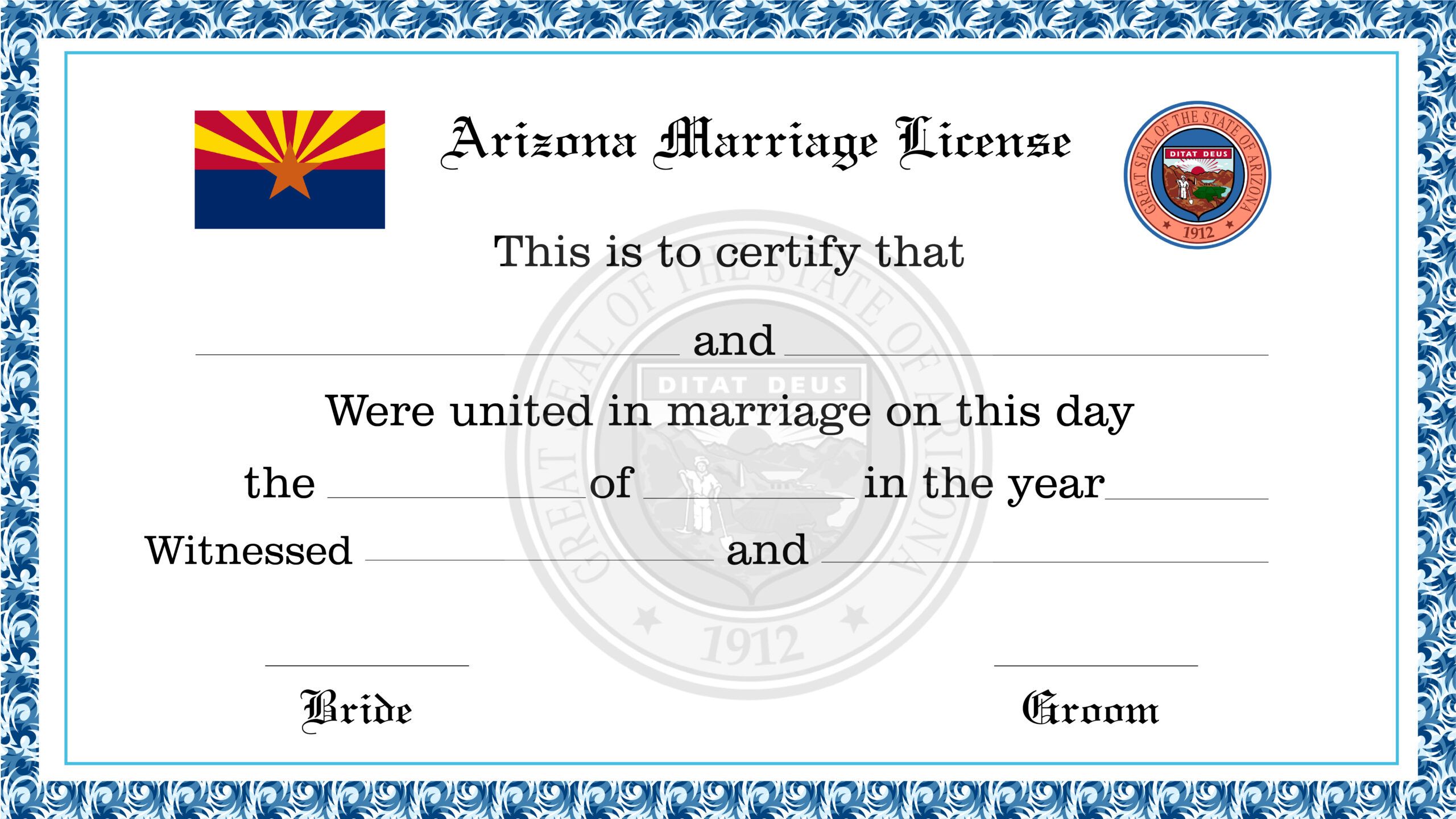
There are no blood tests or waiting periods required before the license is issued. The process is usually completed on the same day as the application, allowing for immediate use.
The Validity and Use of the License
Once issued, an Arizona marriage license is valid for 12 months from the date of issuance. This generous validity period provides ample flexibility for couples to plan their wedding ceremony without undue pressure. If the ceremony does not occur within this 12-month window, the license expires, and you would need to reapply and pay the fee again.
After the ceremony, the officiant (who must be legally authorized to perform marriages in Arizona) is responsible for completing the license and returning it to the issuing Clerk of the Superior Court within a specified timeframe, typically five to ten days. This crucial step officially registers your marriage with the state.
Budgeting for Your Arizona Wedding: A Lifestyle Perspective
For many couples, a wedding is one of the most significant lifestyle investments they will make. Integrating the cost and process of obtaining an Arizona marriage license into your overall wedding budget is essential for financial clarity and peace of mind.
Incorporating License Fees into Your Overall Wedding Budget
The $83 marriage license fee is a relatively minor expense in the grand scheme of a wedding budget, but it’s a non-negotiable one. When creating your financial plan, allocate this amount under “legal/administrative fees.” Don’t forget to include the potential cost of certified copies, which typically range from $10 to $30 per copy, depending on the county. Thinking about these small, necessary expenses upfront prevents unexpected outlays closer to your big day.
Destination Weddings and Residency: What Changes?
Arizona’s lack of a residency requirement makes it an attractive choice for destination weddings. Couples traveling from out-of-state can arrive a few days before their ceremony, apply for the license in person, and then proceed with their wedding plans. The key is to ensure both parties are physically present at the county clerk’s office for the application. This flexibility simplifies logistics for those dreaming of an Arizona desert backdrop or mountain views for their nuptials. It’s a testament to the state’s welcoming approach to all who wish to marry within its borders.
Saving Smart: Tips for a Budget-Friendly Ceremony
While the marriage license fee itself isn’t a significant variable, couples planning on a tighter budget can find savings in other areas of their Arizona wedding. Opting for a smaller ceremony, choosing off-peak seasons, or selecting a less traditional venue can dramatically reduce overall costs. The accessibility of the marriage license process allows couples to prioritize their budget on elements that matter most to them, whether it’s a gourmet reception or a breathtaking photography package capturing Arizona’s unique beauty.
Post-Ceremony Steps: Securing Your Marital Status
The moment you say “I do” is magical, but the legal finalization of your marriage requires a few important post-ceremony steps. These are critical for officially recognizing your marital status and ensuring all legal documentation is correctly processed.
Returning the License
After your wedding ceremony, the officiant is legally responsible for signing and dating the marriage license and returning it to the same Clerk of the Superior Court office where it was issued. The timeframe for this return is generally within five to ten business days following the ceremony. Prompt return is essential for your marriage to be officially recorded. Couples should confirm with their officiant that this step is understood and will be completed promptly.

Obtaining Certified Copies
Once the completed marriage license is returned and recorded by the county clerk, you can then obtain certified copies of your marriage certificate. These are official documents bearing a raised seal or other authentication, proving your legal marriage. As mentioned, these copies are invaluable for various administrative tasks, including:
- Changing your last name on a driver’s license, Social Security card, and passport.
- Updating bank accounts, investments, and insurance policies.
- Enrolling a spouse in health benefits or other employee programs.
- Establishing legal next-of-kin status.
You can typically request certified copies by mail or in person at the county clerk’s office. Fees apply per copy, so order a sufficient number to avoid future inconvenience. This final step solidifies your new marital lifestyle, ensuring all legal aspects are handled efficiently.
Obtaining a marriage license in Arizona is a straightforward, budget-friendly process that supports couples in their journey towards matrimony. With clear requirements and a reasonable fee, it allows you to focus on celebrating your union amidst the captivating landscapes of the Grand Canyon State.
LifeOutOfTheBox is a participant in the Amazon Services LLC Associates Program, an affiliate advertising program designed to provide a means for sites to earn advertising fees by advertising and linking to Amazon.com. Amazon, the Amazon logo, AmazonSupply, and the AmazonSupply logo are trademarks of Amazon.com, Inc. or its affiliates. As an Amazon Associate we earn affiliate commissions from qualifying purchases.