
Ensuring personal safety and peace of mind is a fundamental aspect of a balanced lifestyle, whether you’re a long-term resident of Arizona, considering a move, or spending extended periods enjoying its unique culture. While Arizona offers an enriching environment, understanding the legal avenues available for personal protection is crucial for maintaining a secure and comfortable living experience. Among these, the process of filing a restraining order stands out as a critical safeguard. This guide delves into the specifics of obtaining an Order of Protection or an Injunction Against Harassment in Arizona, empowering individuals with the knowledge to protect themselves and their loved ones, contributing significantly to a secure and tranquil lifestyle.
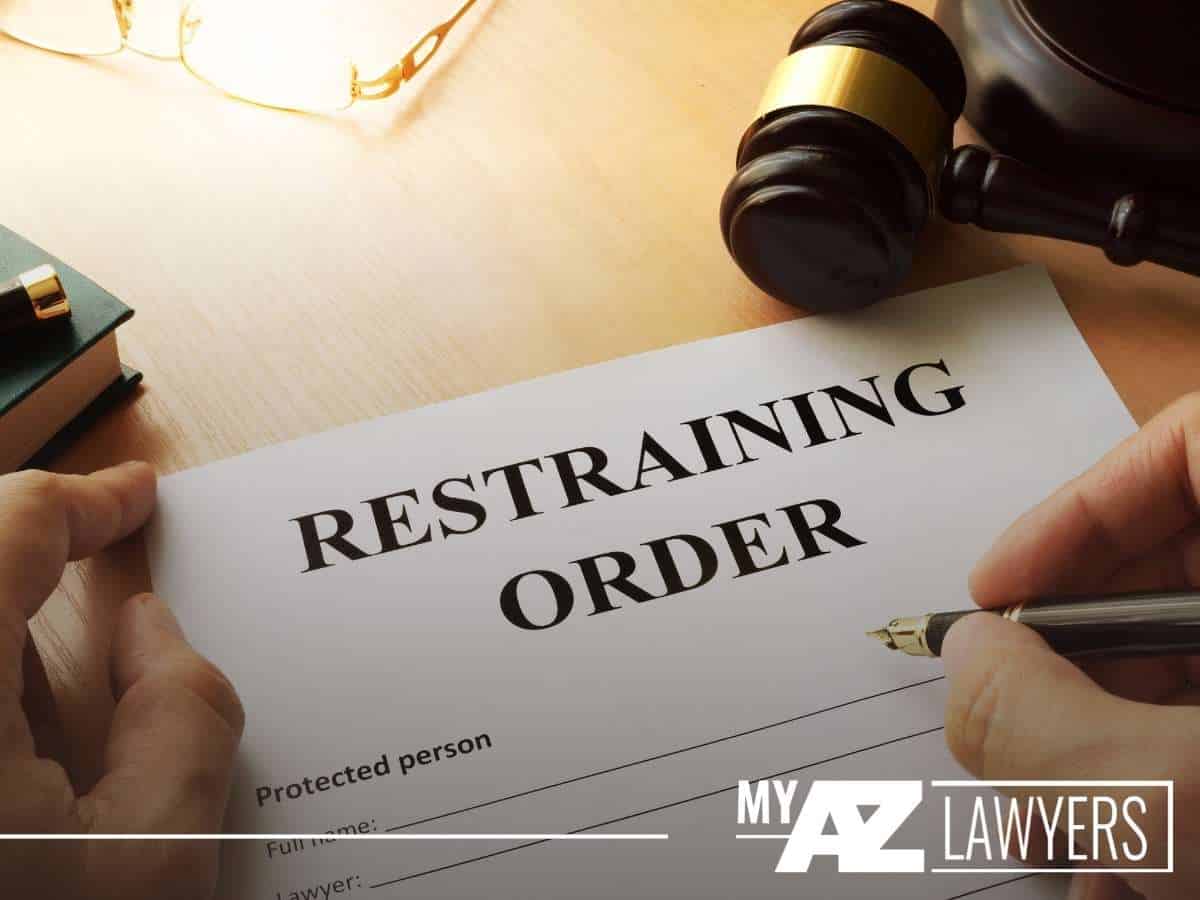
Understanding Restraining Orders in the Arizona Lifestyle
Living securely in any community, including the diverse landscapes of Arizona, requires knowledge of the legal protections available to you. Restraining orders are civil court orders designed to prevent one person from harassing, abusing, or contacting another. In Arizona, these orders are specifically known by two principal types, each serving distinct purposes related to personal safety and lifestyle choices.
What is a Restraining Order?
In Arizona law, a “restraining order” generally refers to one of two distinct legal tools: an Order of Protection or an Injunction Against Harassment. Both aim to provide legal protection from unwanted contact or abuse, but they differ in the nature of the relationship between the parties and the types of behaviors they cover. An Order of Protection is specifically for situations involving domestic violence, typically where there’s a family, marital, or intimate relationship between the petitioner (the person seeking protection) and the respondent (the person from whom protection is sought). This order can prohibit a range of behaviors, including physical abuse, threats, harassment, and even contact through third parties. It can also address issues like temporary custody of children, use of a shared residence, and possession of firearms.
On the other hand, an Injunction Against Harassment is used when there is no domestic relationship, but the petitioner is experiencing a course of conduct directed at them that seriously annoys or alarms them, and which serves no legitimate purpose. This could involve neighbors, co-workers, or strangers. The goal of both orders is to provide a legal boundary, ensuring that individuals can live their lives free from fear and intimidation, a cornerstone of a healthy lifestyle.
Who Can File and Against Whom?
Eligibility to file for a restraining order in Arizona depends heavily on the relationship between the petitioner and the respondent, as well as the nature of the alleged behavior. For an Order of Protection, the parties must have one of the following relationships: married or formerly married, residing or formerly residing together, having a child in common, or having a dating or sexual relationship. The petitioner must allege an act of domestic violence has occurred within the last year, or that there is a credible threat of such an act, or that physical harm is imminent.
For an Injunction Against Harassment, the relationship criteria are broader. It applies to situations where the parties are not in a domestic relationship but the respondent has engaged in a course of conduct that is seriously annoying or alarming, and the conduct serves no legitimate purpose. A “course of conduct” means a pattern of behavior composed of two or more acts over a period of time, however short, that evidences a continuity of purpose. Understanding these distinctions is crucial for anyone seeking legal protection, allowing them to choose the correct legal path to restore safety and peace to their Arizona lifestyle.
Why This Matters for Your Arizona Living Experience
The ability to seek and obtain a restraining order is fundamental to fostering a secure and fulfilling lifestyle in Arizona. Knowing that legal recourse is available empowers individuals to address situations that threaten their personal space, emotional well-being, and physical safety. Whether you are establishing roots in a vibrant Arizona city like Phoenix or enjoying the tranquility of a rural community, the assurance that you can protect yourself from harassment or abuse significantly enhances your quality of life. This legal framework contributes to a sense of community safety, allowing residents to pursue their interests, engage in social activities, and simply live without the pervasive stress of fear or intimidation. It underlines the importance of personal security as a non-negotiable component of a truly rich and unencumbered Arizona lifestyle.
The Initial Steps: Preparing Your Petition in Arizona
The journey to obtaining a restraining order begins with meticulous preparation. This phase is critical as it lays the groundwork for your case in Arizona’s legal system. A well-prepared petition significantly strengthens your position and can expedite the process, ensuring a quicker return to personal security and peace of mind.
Gathering Necessary Information
Before even stepping into a court building, you must systematically gather all pertinent information and evidence. This includes precise dates, times, and locations of all incidents of harassment, abuse, or threats. Detail every event, no matter how minor it may seem, as a pattern of behavior can be crucial for an Injunction Against Harassment. Collect names and contact information of any witnesses who can corroborate your claims. If there’s physical evidence, such as photographs of injuries or property damage, screenshots of threatening messages, call logs, emails, or police reports, organize these meticulously. The more comprehensive and specific your documentation, the stronger your petition will be in convincing a judge that your safety is at risk, aligning with the core tenet of living a secure lifestyle.
Locating the Correct Court
In Arizona, restraining orders are primarily handled by two types of courts: the Superior Court or a Justice Court. The choice of court often depends on your specific county and the availability of court services. Generally, you can file an Order of Protection in either a Superior Court or a Justice Court located in the county where you reside, where the respondent resides, or where the domestic violence incident occurred. An Injunction Against Harassment is typically filed in a Justice Court but can also be filed in the Superior Court. It is advisable to contact the clerk of the court in your local jurisdiction or visit their official website to confirm the correct venue and specific filing procedures, as these can vary slightly. Choosing the correct court is a practical step towards regaining control over your personal safety and improving your lifestyle.
Completing the Petition Forms

Once you’ve identified the appropriate court, you’ll need to obtain and complete the official petition forms. These forms are usually available at the court clerk’s office or can be downloaded from the Arizona Judicial Branch website. The petition requires you to provide detailed accounts of the incidents that necessitate the order. Be specific, clear, and concise. Describe what happened, when it happened, where it happened, and who was involved. Crucially, you must explain why you are in fear and why you need the court’s protection. Avoid emotional language, focusing instead on objective facts and direct threats or behaviors. The purpose of these forms is to present a legal argument, demonstrating to the judge that statutory grounds for granting the order have been met, thereby safeguarding your Arizona lifestyle from unwarranted intrusions.
Navigating the Court Process for Your Safety
After the meticulous preparation of your petition, the next phase involves navigating the formal court process. This can seem daunting, but understanding each step can significantly ease the stress and enhance your ability to advocate for your safety, which is paramount to a stable Arizona lifestyle.
Filing the Petition
With your forms accurately completed and all supporting documentation organized, the next step is to file your petition with the appropriate court clerk. You will usually be required to pay a filing fee, though you can request a fee waiver if you meet certain income requirements. Once filed, the court will assign your case a number and schedule a hearing. A crucial part of this stage is arranging for “service of process,” which means legally notifying the respondent that a petition has been filed against them and that a hearing is scheduled. In Arizona, this often involves using a private process server or a sheriff’s deputy. It is imperative that you do not personally serve the respondent, as this could jeopardize your case and put you at further risk. Proper service ensures the respondent has due process and is aware of the legal action against them, setting the stage for fair proceedings.
The Ex Parte Hearing
Often, immediately after filing, an “ex parte” hearing will take place. “Ex parte” means that only you and the judge are present; the respondent is not notified beforehand and is not present. During this hearing, the judge will review your petition and hear your testimony to determine if there are sufficient grounds to issue a temporary Order of Protection or Injunction Against Harassment. The standard for a temporary order is often “reasonable grounds to believe” that the alleged conduct has occurred and that you are in immediate danger or will suffer irreparable harm if the order is not granted immediately. If the judge grants the temporary order, it will typically remain in effect until the full hearing, providing you with immediate legal protection. This initial step is vital for quickly establishing a safer environment, a priority for anyone aiming to protect their personal space and emotional well-being within their Arizona lifestyle.
The Full Hearing
If a temporary order is granted, a full hearing will be scheduled, usually within 10-20 days. Both the petitioner and the respondent will have the opportunity to present their case, evidence, and witnesses to the judge. This is your opportunity to clearly articulate the necessity of the order, presenting all the evidence you gathered. The respondent will also have the chance to defend themselves, deny the allegations, or present their own evidence. The judge will weigh all the testimony and evidence presented by both parties. The burden of proof for a final order is generally “preponderance of the evidence,” meaning it is more likely than not that the alleged conduct occurred and that an order is necessary for your safety. If the [judge](https://lifeoutofthebox.com/judge] finds in your favor, a permanent Order of Protection or Injunction Against Harassment will be issued, typically lasting for one year, though it can be extended under certain circumstances. This final step solidifies the legal framework protecting your personal security, enabling you to live your Arizona lifestyle with enhanced peace of mind.
Post-Order Life: Enforcement and Implications for Your Arizona Lifestyle
Receiving a final Order of Protection or Injunction Against Harassment is a significant milestone in safeguarding your personal safety and enhancing your lifestyle in Arizona. However, the existence of the order is just one part of the equation; understanding its terms, enforcement, and how to live safely with it are equally critical.
Understanding the Order’s Terms
A final restraining order will clearly outline specific prohibitions and directives for the respondent. These can include: prohibiting direct or indirect contact with you, your children, or other protected persons; staying a certain distance away from your home, workplace, or children’s school; refraining from harassing, molesting, or disturbing your peace; and in the case of an Order of Protection, potentially addressing temporary custody, visitation, or the use of a shared residence. It’s crucial for you to carefully read and understand every term of the order. Keep a copy of the order with you at all times. Knowing precisely what the respondent is legally prohibited from doing empowers you to identify and report any violations promptly, thereby maintaining the boundaries necessary for a secure and unthreatened lifestyle in Arizona.
Enforcement by Law Enforcement
One of the most powerful aspects of a restraining order is its enforceability by law enforcement. In Arizona, violating an Order of Protection or an Injunction Against Harassment is a criminal offense, even if no other crime is committed. If the respondent violates any term of the order, you should immediately contact the local police or sheriff’s department. Provide them with your copy of the order and explain the violation. Law enforcement officers have the authority to arrest the respondent without a warrant if they have probable cause to believe a violation has occurred. This robust legal backing is designed to provide immediate protection and deterrence, reinforcing your right to live safely within the Arizona community, free from harassment or abuse.
Modifying or Terminating an Order
While restraining orders are designed for your protection, circumstances can change. In Arizona, either party can petition the court to modify or terminate an existing order. If you, as the protected party, wish to modify the terms or even terminate the order, you can file a motion with the court that issued it. Similarly, the respondent can also file a motion to quash (terminate) or modify the order. However, they must typically demonstrate a significant change in circumstances or that the order is no longer necessary. The court will then schedule a hearing to consider the request, where both parties can present their arguments. It is important to remember that until an order is officially terminated by the court, it remains in full effect.

Living Safely with an Order in Place
Even with a restraining order, vigilance and proactive safety measures remain crucial for your overall well-being and lifestyle. Continually assess your personal security. Inform trusted family, friends, neighbors, and your employer about the order and provide them with a copy if appropriate. Review your home security and consider changes to your routines to enhance safety. Many communities in Arizona offer support services for individuals experiencing domestic violence or harassment, including counseling, safety planning, and legal aid. Utilizing these resources can further strengthen your sense of security and help you reclaim your lifestyle. A restraining order is a powerful legal tool, but integrating it into a comprehensive personal safety plan ensures maximum protection and helps you live a confident and fulfilling life in Arizona.
LifeOutOfTheBox is a participant in the Amazon Services LLC Associates Program, an affiliate advertising program designed to provide a means for sites to earn advertising fees by advertising and linking to Amazon.com. Amazon, the Amazon logo, AmazonSupply, and the AmazonSupply logo are trademarks of Amazon.com, Inc. or its affiliates. As an Amazon Associate we earn affiliate commissions from qualifying purchases.