
Why an Arizona Driver’s License is Key for Travelers
Arizona is a land of vast, breathtaking landscapes, from the iconic red rocks of Sedona to the awe-inspiring depths of the Grand Canyon National Park. While public transport and organized tours offer glimpses, truly immersing oneself in the diverse beauty of the Grand Canyon State necessitates the freedom of the open road. Obtaining an Arizona driver’s license isn’t just a bureaucratic step; it’s your passport to an unparalleled travel experience, offering flexibility, spontaneity, and access to countless hidden gems.
Unlocking the Freedom of the Open Road
Imagine driving along scenic byways, pulling over at a moment’s notice to capture a stunning sunset, or veering off the beaten path to discover a quaint roadside attraction. A personal vehicle, powered by your Arizona driver’s license, grants this level of autonomy. It allows travelers to design their itineraries, linger longer at favorite spots, and explore remote natural wonders like Monument Valley, Saguaro National Park, or the lesser-known corners of the Colorado River basin. Tour buses adhere to strict schedules and routes, often limiting the depth of interaction with a destination. With your own driving privileges, you dictate the pace, allowing for deeper engagement with local culture, spontaneous detours to charming small towns, and the flexibility to chase the best light for photography. This independence transforms a typical tourist trip into a genuine adventure.
Essential for Extended Stays and Relocation
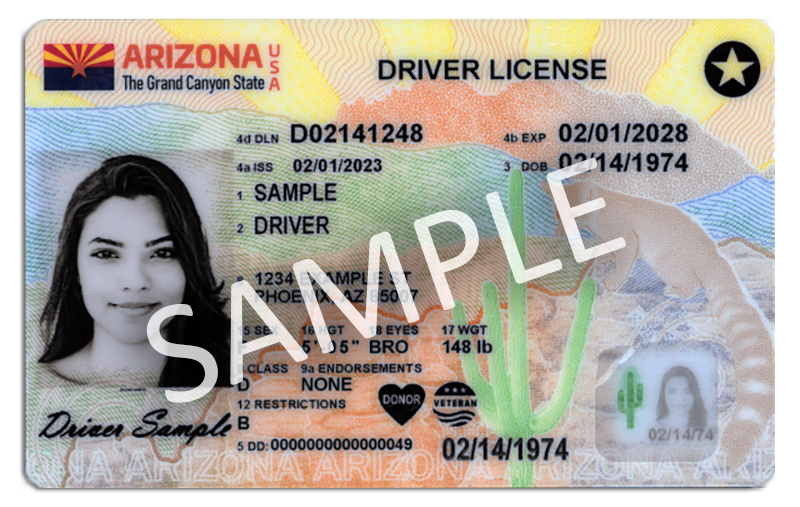
For those contemplating an extended stay in Arizona, perhaps for a long-term vacation rental, a seasonal job, or even permanent relocation, an Arizona driver’s license transitions from a travel convenience to a practical necessity. While an International Driving Permit (IDP) or an out-of-state license might suffice for short visits, establishing residency in Arizona typically mandates obtaining a local license within a certain timeframe (often 10 days, though this can vary for different categories of residents). Beyond simply driving, a local license serves as a primary form of identification, essential for everything from opening bank accounts and renting property to receiving mail and interacting with local services. It streamlines daily life and seamlessly integrates you into the fabric of the state, making extended travel or relocation significantly smoother and more enjoyable.
Eligibility and Required Documentation for Travelers
Navigating the requirements for an Arizona driver’s license can seem daunting, but understanding the categories of applicants and the necessary paperwork simplifies the process considerably. The Arizona Department of Transportation (ADOT) and its Motor Vehicle Division (MVD) oversee all licensing, and their official resources are the definitive guide.
Who Needs an Arizona Driver’s License?
The need for an Arizona driver’s license depends largely on your residency status and the duration of your stay.
- Out-of-State Drivers: If you hold a valid driver’s license from another U.S. state, you can generally drive in Arizona for a temporary visit. However, if you establish residency in Arizona (e.g., by obtaining employment, renting an apartment, enrolling children in school), you are required to apply for an Arizona driver’s license within 10 days.
- International Visitors: Tourists from foreign countries can typically drive in Arizona for up to six months with their valid foreign driver’s license, provided it is accompanied by an International Driving Permit (IDP) translated into English. After six months, or if you establish residency in Arizona, you will need to apply for an Arizona driver’s license. This means undergoing the full application process, including potential written and road tests.
Gathering Your Documents
Regardless of your background, the core requirement is to prove your identity, lawful presence, Social Security Number, and Arizona residency. Always check the official ADOT/MVD website for the most current and comprehensive list, as requirements can change. Generally, you will need:
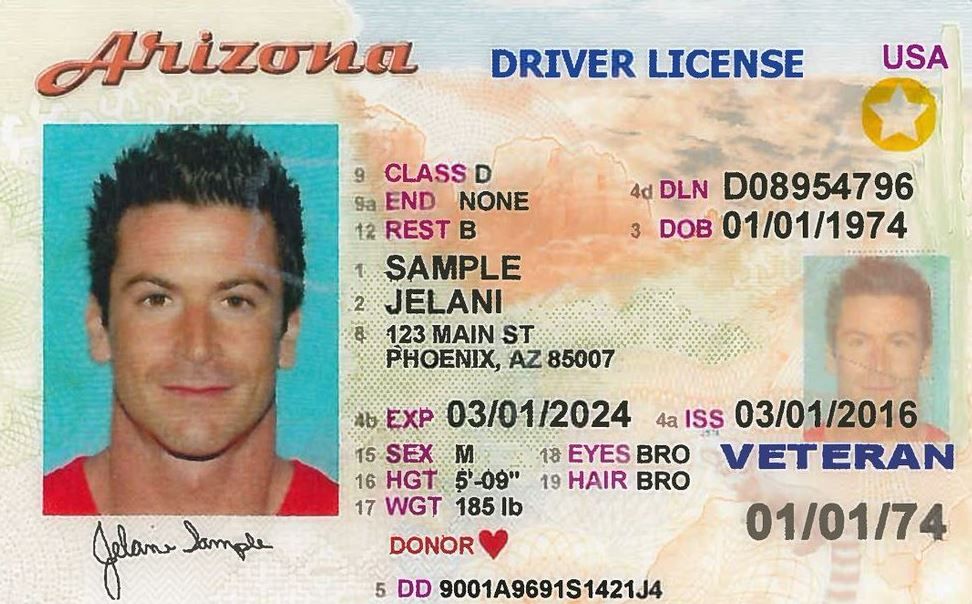
- Proof of Identity: This could be an original birth certificate (with a raised seal), a valid U.S. passport, or a U.S. Consular Report of Birth Abroad.
- Proof of Social Security Number (SSN): Your Social Security card, a W-2 form, or a pay stub displaying your SSN are acceptable. For individuals without an SSN, specific procedures apply, often requiring an official letter from the Social Security Administration.
- Proof of Lawful Presence: For non-U.S. citizens, this typically includes a valid foreign passport with an appropriate visa, an I-94 arrival/departure record, a Permanent Resident Card (Green Card), or an Employment Authorization Document. The exact documents depend on your immigration status.
- Proof of Arizona Residency: This is crucial for travelers transitioning to resident status. You’ll generally need two different documents that show your name and current Arizona street address. Examples include utility bills (electric, water, gas), a rental or lease agreement, a bank statement, a W-2 form, or a pay stub from an Arizona employer. Post office box addresses are not accepted for residency proof.
It is imperative that all documents are original and current. Photocopies are typically not accepted. Bringing more documents than required is often a good strategy to avoid delays.
The Application Process: Steps for Visitors and New Residents
Once you’ve determined your eligibility and meticulously gathered your documentation, the next step is to navigate the application process at an MVD office. While it may seem bureaucratic, a structured approach can make it relatively straightforward.
Scheduling Your Visit to the MVD
Arizona has MVD offices and authorized third-party service providers located throughout the state, including major cities like Phoenix, Tucson, and Scottsdale. To minimize wait times, especially during peak hours, it is highly recommended to schedule an appointment online through the ADOT website. Walk-ins are often accommodated, but may involve significant waiting. Arriving prepared with all your original documents will prevent the need for multiple visits.
Tests You May Encounter
The tests you’ll undergo depend on your prior driving experience and the validity of any existing licenses.
- Vision Test: This is mandatory for all applicants. You’ll be asked to read letters or numbers on an eye chart to ensure your vision meets Arizona’s safety standards. If you wear corrective lenses, bring them.
- Written Knowledge Test: This test assesses your understanding of Arizona traffic laws, road signs, and safe driving practices. It is required for first-time drivers, new residents without a valid out-of-state license, or those whose license has been expired for a significant period. The test is based on the Arizona Driver License Manual, which is available online and is highly recommended for study. Many MVD locations offer it in multiple languages.
- Road Skills Test: Also known as a driving test, this evaluates your ability to safely operate a vehicle in various traffic conditions. It is typically waived if you hold a valid, unexpired driver’s license from another U.S. state or certain foreign countries recognized by Arizona. However, first-time applicants, those with an expired license, or international applicants without a recognized waiver will need to take this test. You must provide a vehicle that is properly insured, registered, and in safe working condition for the test. An MVD examiner will accompany you.
Fees and Issuance
Once you successfully complete the application, provide all required documents, and pass any necessary tests, you will pay the applicable licensing fee. The cost varies depending on the type and duration of the license, but typically ranges from $10 to $25 for a standard Class D license. You will then be issued a temporary Arizona driver’s license on the spot, which is valid for driving until your permanent card arrives in the mail. The permanent plastic card is usually mailed to your registered Arizona address within a few weeks.
Understanding Arizona Driving Laws and Road Etiquette
Driving in Arizona can be a unique experience, given its diverse landscapes and specific state regulations. For travelers and new residents, understanding these nuances is crucial for safety and an enjoyable journey.
Key Laws for Travelers
- Speed Limits: Arizona observes various speed limits: generally 15 mph in school zones, 25 mph in residential or business districts (unless otherwise posted), and 55-75 mph on interstates and highways. Always pay attention to posted signs, as limits can change frequently, especially in construction zones.
- Seat Belt Laws: Arizona has a primary seat belt law, meaning law enforcement can pull you over solely for a seat belt violation. All occupants of a vehicle must wear a seat belt, regardless of age or seating position. Children under 8 years old and under 4′ 9″ (57 inches) tall must be in an appropriate child restraint system.
- Distracted Driving Laws: Effective since January 1, 2021, Arizona has a hands-free law. It is illegal to drive a vehicle while holding a cell phone or other portable electronic device. You can use a device with a single touch or swipe, or voice commands.
- DUI Laws: Arizona has some of the strictest DUI laws in the country. The legal limit for Blood Alcohol Content (BAC) is 0.08% for most drivers and 0.04% for commercial drivers. Penalties are severe, including hefty fines, jail time, and license suspension, even for a first offense.
- Turning Right on Red: Unless prohibited by a sign, a right turn on a red light is permitted after coming to a complete stop and yielding to all traffic and pedestrians.
- Passing: On two-lane roads, you may pass another vehicle only when safe to do so and when a broken yellow line is on your side of the road. Always yield to oncoming traffic.
Navigating Arizona’s Unique Landscapes
Arizona’s environment presents specific driving challenges that require awareness.
- Desert Heat: During summer months, temperatures can soar. Ensure your vehicle’s tires are properly inflated (check cold pressure), fluid levels (oil, coolant, wiper fluid) are adequate, and your air conditioning is functional. Carry extra water for yourself and for your vehicle in case of an emergency, especially when traveling in remote areas.
- Monsoon Season (Typically July-September): This period brings intense, but brief, thunderstorms.
- Dust Storms (Haboobs): These walls of dust can reduce visibility to zero in seconds. If caught in a haboob, pull completely off the road, turn off your lights (so other drivers don’t mistake your vehicle for being on the road), take your foot off the brake, and wait for visibility to improve.
- Flash Floods: Arroyos (dry riverbeds) can quickly fill with rushing water. Never drive through flooded roads or washes. Arizona has a “Stupid Motorist Law” which holds drivers responsible for rescue costs if they enter a flooded area.
- Mountain Driving: When exploring areas like Sedona or northern Arizona, you’ll encounter steep inclines and winding roads. Use lower gears to control speed and prevent brake fade on descents. Be mindful of potential rockfall.
- Wildlife Crossings: Especially at dawn and dusk, watch out for deer, javelina, and other wildlife, particularly in rural or mountainous regions.
Maximizing Your Arizona Travel with Your New License
With your shiny new Arizona driver’s license in hand, the possibilities for exploration multiply exponentially. It’s not just a permit to operate a vehicle; it’s an invitation to experience the state’s grandeur on your terms.
Iconic Road Trips Awaiting
An Arizona driver’s license opens up a world of unforgettable road trips:
- The Grand Canyon Loop: Drive to the South Rim of the Grand Canyon National Park, exploring various viewpoints like Mather Point, Yavapai Point, and Desert View Watchtower. Continue east towards Monument Valley for iconic mesa views, or head north to Page for Antelope Canyon and Horseshoe Bend.
- Historic Route 66: Trace the legendary Route 66 through Arizona, stopping in quirky towns like Seligman, Williams, and Kingman. Visit the Grand Canyon Caverns or detour to the Hoover Dam near Lake Mead for an engineering marvel.
- Sedona and the Red Rock Scenic Byway: Experience the spiritual vortexes and stunning red rock formations of Sedona. Drive the Red Rock Scenic Byway (Highway 179) and explore countless hiking trails and art galleries.
- Lake Havasu City and the Colorado River Region: Head west to Lake Havasu City, home to the transplanted London Bridge, and enjoy water sports on the Colorado River. The surrounding desert offers off-roading and scenic drives.
- Exploring Southern Arizona: Journey to Tucson to discover its vibrant cultural scene, historic missions, and the unique beauty of Saguaro National Park, split into two districts east and west of the city.
Beyond Driving: Additional Benefits
An Arizona driver’s license serves far more purposes than just legal driving:
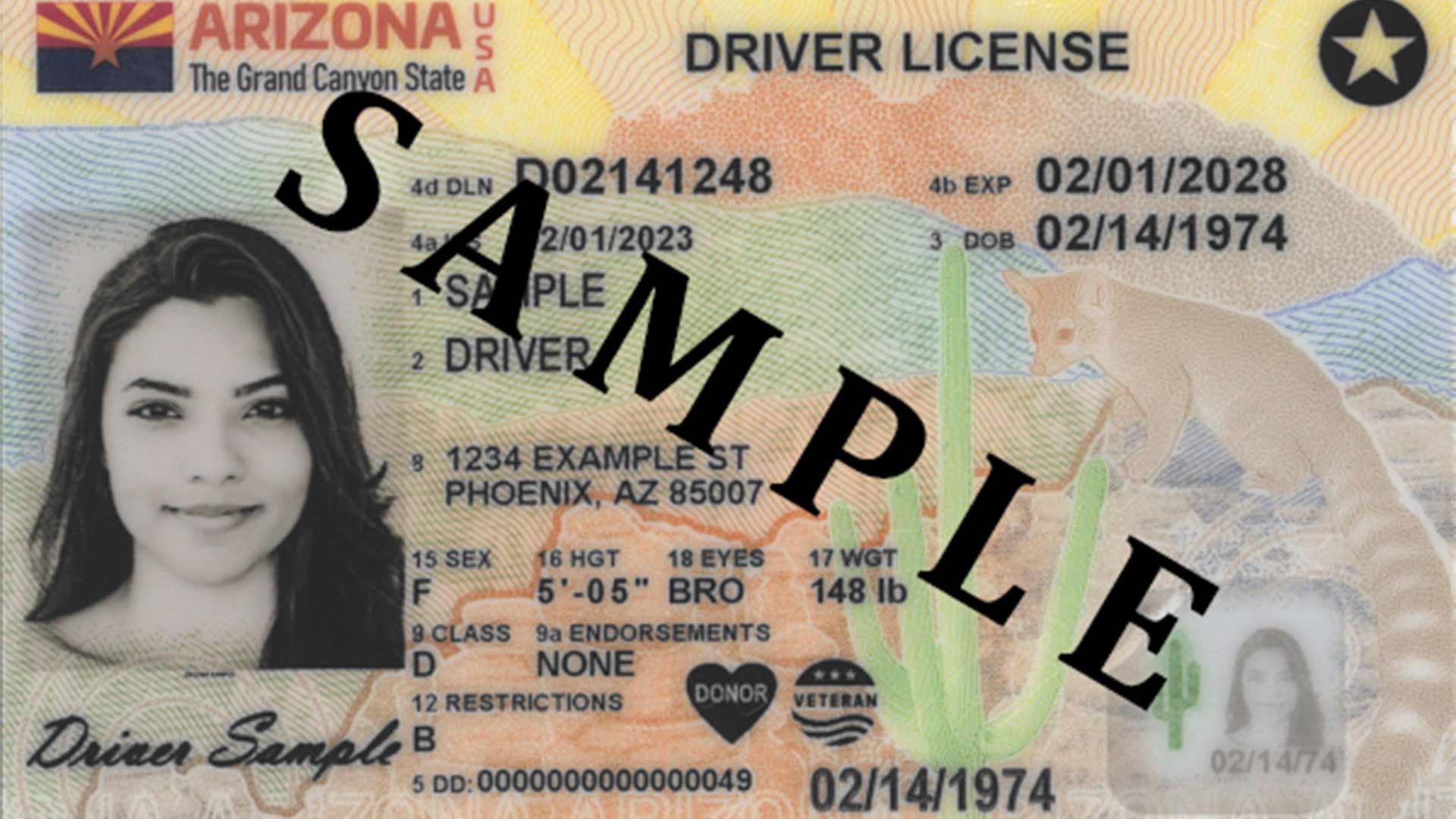
- Valid Identification: It is a universally accepted form of identification within the U.S., useful for domestic air travel, checking into hotels, making age-restricted purchases (alcohol, tobacco), and verifying your identity at various establishments.
- Vehicle Rentals: Beyond standard cars, your license facilitates renting specialized vehicles like RVs for extended desert camping trips, motorcycles for exhilarating rides through scenic canyons, or ATVs for exploring designated off-road trails in areas like Lake Havasu City or the Sonoran Desert.
- Insurance Benefits: For new residents, having an Arizona license simplifies obtaining local auto insurance, which may offer better rates and coverage tailored to state requirements.
Securing an Arizona driver’s license is an investment in your travel experience and daily life within this captivating state. It empowers you to explore freely, connect deeply with its landscapes and culture, and confidently navigate everything Arizona has to offer.
LifeOutOfTheBox is a participant in the Amazon Services LLC Associates Program, an affiliate advertising program designed to provide a means for sites to earn advertising fees by advertising and linking to Amazon.com. Amazon, the Amazon logo, AmazonSupply, and the AmazonSupply logo are trademarks of Amazon.com, Inc. or its affiliates. As an Amazon Associate we earn affiliate commissions from qualifying purchases.